Novosibirsk State Technical University and the Institute of Nuclear Physics of the Siberian Branch of the Russian Academy of Sciences jointly double the wear resistance of stainless steel
en.Wedoany.com Reported - Experts from Novosibirsk State Technical University (NSTU NETI) and the Budker Institute of Nuclear Physics of the Siberian Branch of the Russian Academy of Sciences (BINP SB RAS) have successfully doubled the wear resistance of chromium-nickel stainless steel (commonly known as "stainless steel" in daily life). This material is used not only for familiar items such as pots, pans, and cutlery but also for various equipment components in the oil processing industry. For oil workers, stainless steel is highly valued for its excellent corrosion resistance—a crucial property in underground working environments. If the material's resistance to hydroabrasive wear (i.e., the ability to withstand impacts from solid particles carried by liquid flow) can be further improved, it will become even more suitable for this industry.
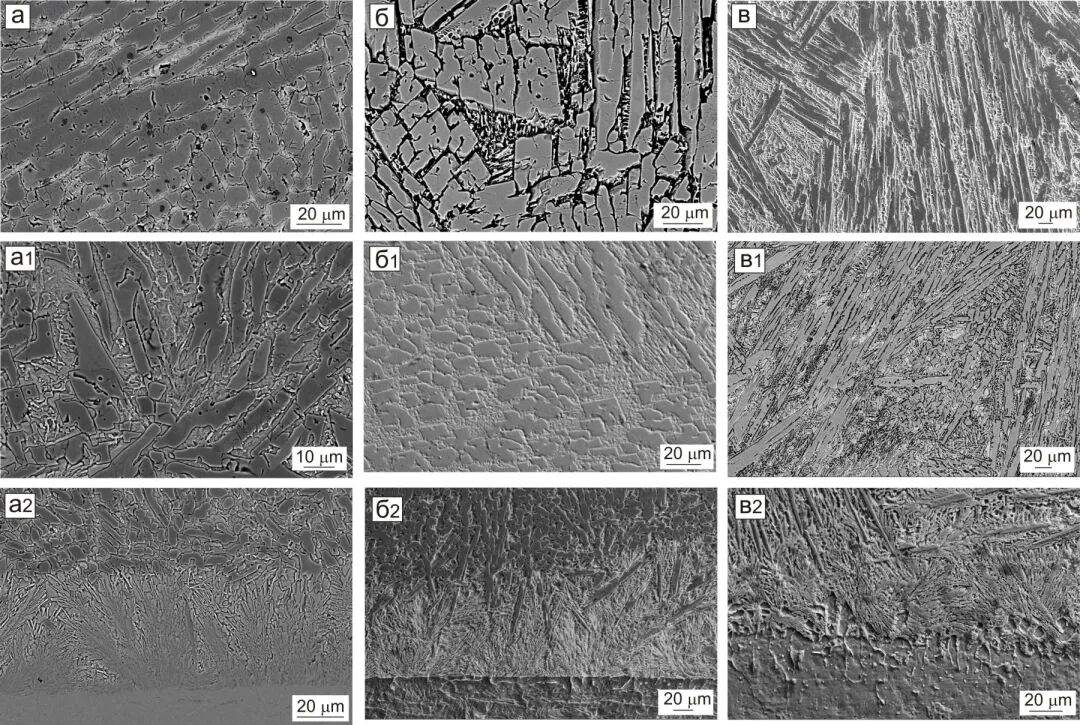
Scientists in Novosibirsk used the ELV-8 industrial accelerator at the Institute of Nuclear Physics to apply a boride coating—made from a mixture of boron and iron powders—onto the surface of stainless steel using electron beam cladding technology. Subsequent hydroabrasive wear tests conducted at the Lavrentyev Institute of Hydrodynamics of the Siberian Branch of the Russian Academy of Sciences (IH SB RAS) showed that the wear resistance and corrosion resistance of this improved stainless steel are both twice that of ordinary stainless steel. The research results were published in the journal *Metallurgy* and are part of a larger project aimed at developing high-performance stainless steel suitable for extreme operating conditions.
Evdokia Bushueva, Associate Professor of the Department of Mechanical Engineering Materials Science at Novosibirsk State Technical University and Candidate of Technical Sciences, commented: "Experts in the oil processing industry use equipment components made of chromium-nickel austenitic stainless steel because this material possesses several important properties. First, it has corrosion resistance, which is very important because underground oil processing equipment operates in chemically corrosive environments, potentially affected by groundwater, electrolyte solutions, and associated gases. Another important property of stainless steel is its good workability. The components of such equipment often have complex shapes, so the manufacturing material must be ductile. Thirdly, and equally importantly, stainless steel is relatively inexpensive."
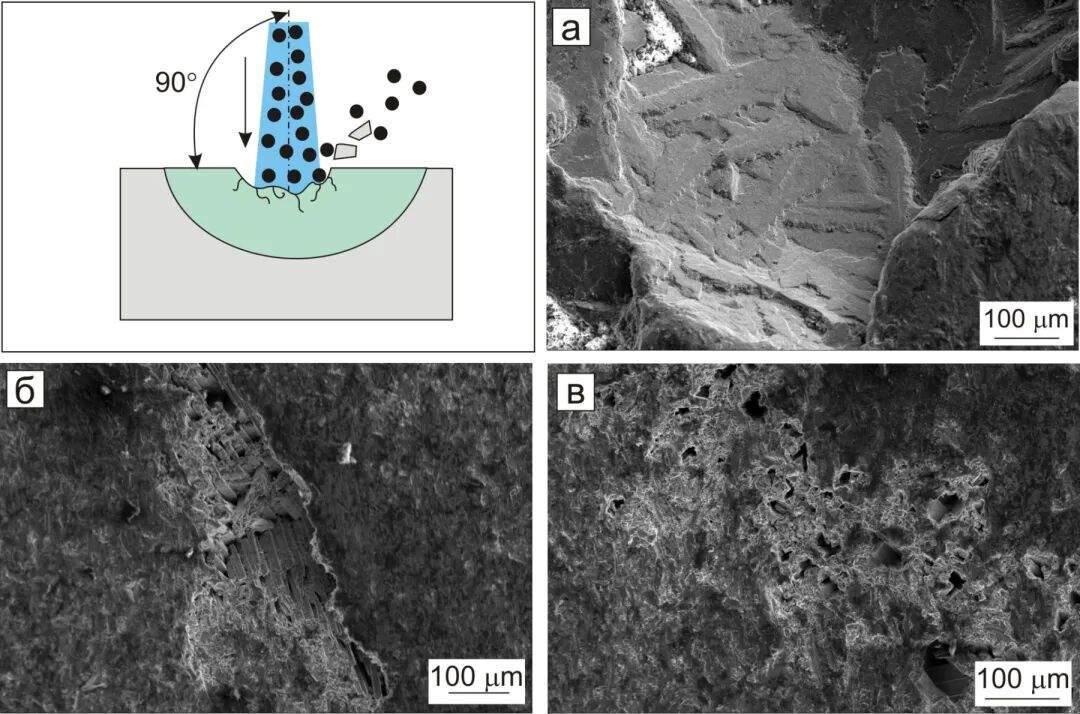
Despite its many advantages, stainless steel has a drawback: low wear resistance. Wear resistance refers to a material's ability to resist surface damage and wear under friction conditions. There are various forms of wear, but for the oil processing industry, it typically refers to abrasive wear.
Bushueva added: "Stainless steel has sufficient ductility, making it difficult to resist the impact of water flows containing solid abrasive particles. The abrasives act like countless knives stabbing into the surface. First, scratches, scuffs, and cracks appear, and considering that the material is simultaneously exposed to a corrosive environment, the corrosion resistance of stainless steel also decreases significantly. Ultimately, the operating time of such equipment is reduced from the expected thousands of hours to just hundreds of hours. Therefore, the task facing industry—and consequently, science—is to extend the service life of oil extraction equipment."
One method to make classic stainless steel more wear-resistant is to strengthen its surface layer. Experts from Novosibirsk State Technical University chose a material based on chromium and iron borides as the strengthening layer and prepared it using electron beam cladding on the ELV-8 industrial electron accelerator at the Institute of Nuclear Physics. This accelerator holds the status of a unique scientific installation (ELV-6 test bench) and is listed in the Russian Federation's national research infrastructure register.
Mikhail Gorkovsky, Senior Researcher at the Institute of Nuclear Physics, explained: "The industrial accelerator generates a powerful continuous electron beam, which we use to process the material surface (in this case, stainless steel) along with the modifying powder placed on its surface. Compared to other strengthening methods (such as plasma spraying, laser cladding, and arc cladding), our method offers a series of advantages. We can form a thicker surface layer on the material than with laser cladding, and this layer is free of pores and does not have the weak bonding with the substrate characteristic of plasma spraying. Laser cladding forms a thickness of no more than tens of micrometers, whereas we can obtain coatings several millimeters thick without pores. Equally important, we ensure a metallurgical bond of the coating, meaning the bond strength between the cladding layer and the substrate is not lower than the strength of the base metal itself. Under harsh operating conditions, even if the coating itself is very strong, it is useless if it easily separates from the substrate. The industrial accelerator has high production efficiency: the average material processing speed is 2 square meters per hour, which is a good indicator. Additionally, it is worth noting that we work in an atmospheric environment, not in a vacuum. Methods requiring processing in a vacuum chamber are more complex technologically and take longer. Our electron source power is one to two orders of magnitude higher than that of lasers. Furthermore, the absorption coefficient of our material for the electron beam is 90%, meaning almost all beam energy is converted into heat inside the material, whereas the absorption rate for lasers is only 10%."
After obtaining stainless steel samples with a strengthened surface layer, the experts conducted a series of experiments simulating the extreme working conditions of oil extraction equipment.
Bushueva commented: "Since we are targeting the oil extraction industry, one of the tests was a hydroabrasive wear test, which we conducted on equipment at the Institute of Hydrodynamics. We impacted the samples with a powerful water jet containing aluminum oxide particles (i.e., sand with air), deliberately creating the most extreme conditions possible. The results were quite good: the hydroabrasive wear of the strengthened stainless steel was half that of ordinary stainless steel. Another result concerns corrosion resistance. We tested the coating in a corrosive environment, simulating the conditions of emergency solution impacts. When oil extraction equipment experiences sticking (e.g., when rock ingress prevents the mechanism from rotating), solutions containing strong acids such as hydrofluoric acid, sulfuric acid, hydrochloric acid, and nitric acid are used. This potent mixture can quickly dissolve rock but may also corrode the equipment material. In this regard, the corrosion resistance of our samples was also twice that of ordinary stainless steel."
The experts noted that the obtained research results are part of a larger effort to develop strengthening coatings.
This article is compiled by Wedoany. All AI citations must indicate the source as "Wedoany". If there is any infringement or other issues, please notify us promptly, and we will modify or delete it accordingly. Email: news@wedoany.com
Related Products
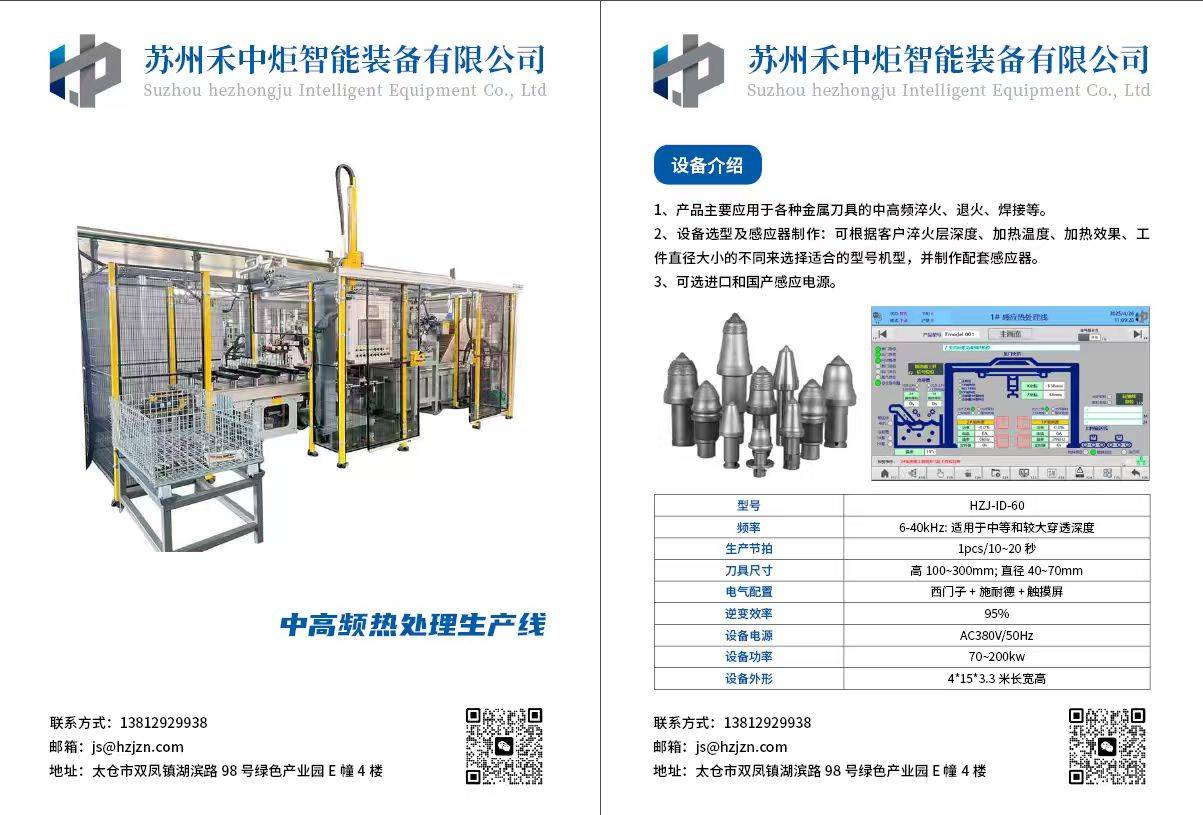

Excavator Bucket Teeth Heat Treatment Production Line
Suzhou Hezhongju Intelligent Equipment Co., Ltd.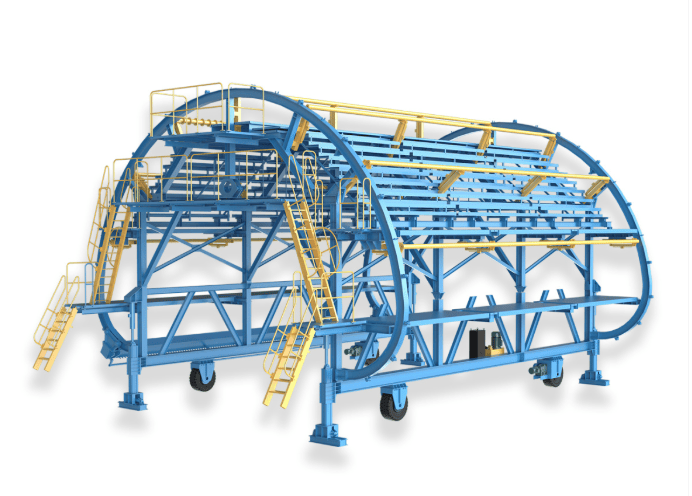
QLZNGJ Intelligent Steel Reinforcement Trolley
Luoyang China Railway Qiangli Machinery Co., Ltd.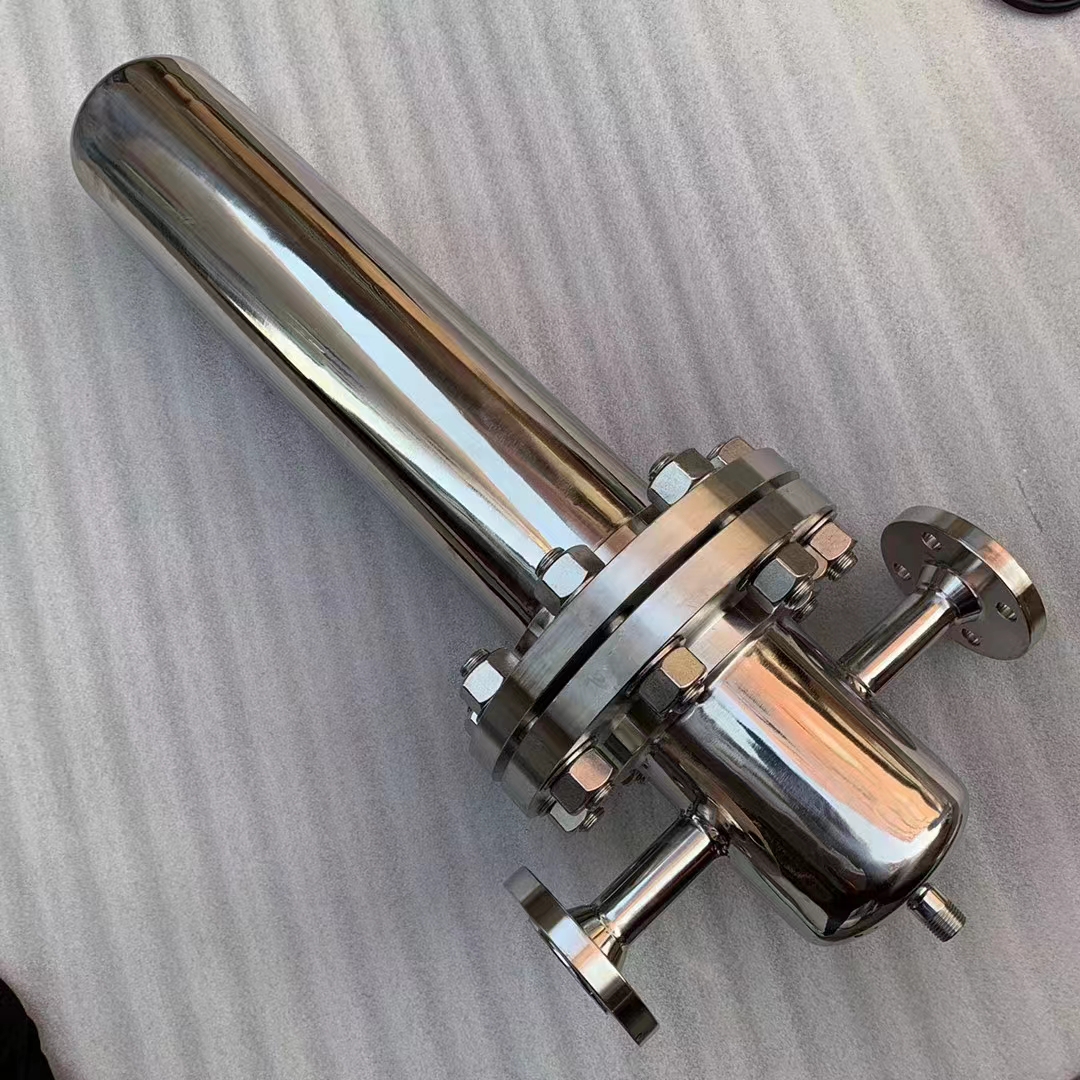
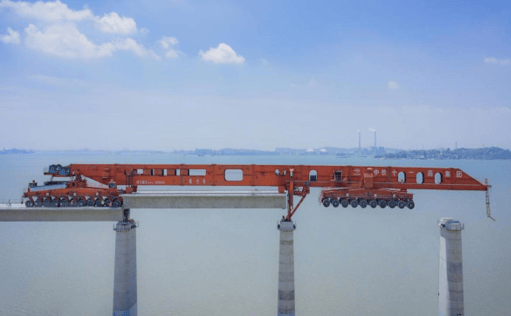
High-Speed Railway Lifting, Transporting, and Erecting Equipment: Integrated Transport and Erection Machine
Hanjiang Heavy Industry Co., Ltd. of China Railway 11th Bureau Group
Pneumatic high-pressure wear-resistant ball valve
Zhejiang Deca Control Valve Meter Co., Ltd.
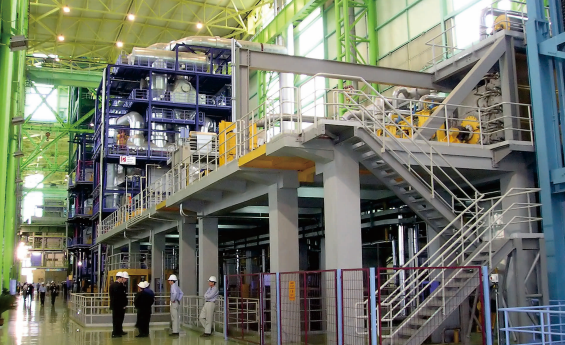
Strip Coating and Plating Production Line Equipment
MCC-SFRE HEAVY INDUSTRY EQUIPMENT CO., LTD.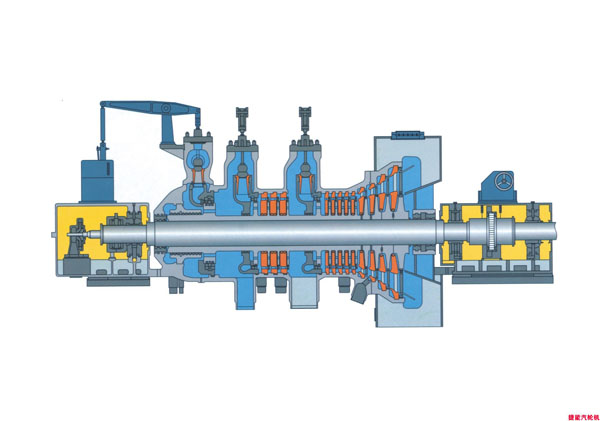
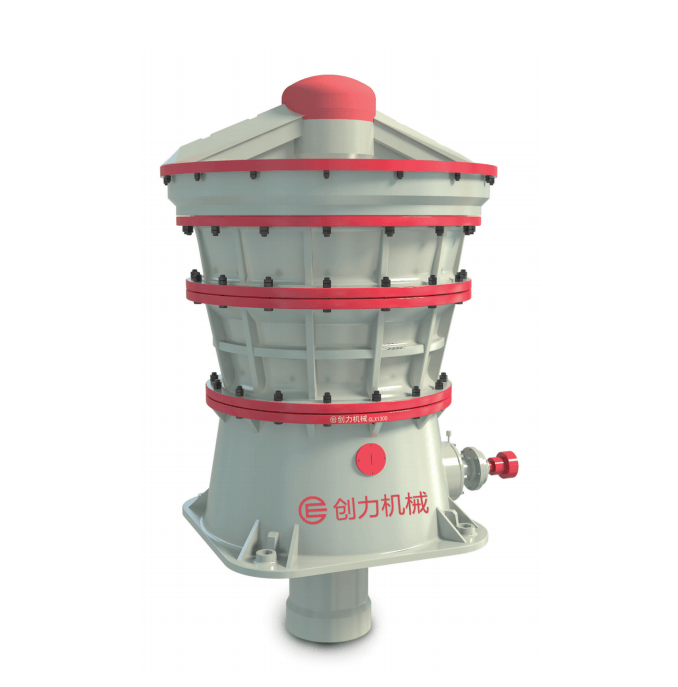
CLX Series Intelligent Hydraulic Gyratory Crusher
Guangdong CHUANGLI intelligent machinery Equipment Co., LTD