Wedoany.com Report-Oct 26, Hopes that Kern County almond byproducts will one day be converted into biochar — and with it, marketable energy and valuable carbon-removal credits — may finally be realized by a project planned to start commercial operation late next year in Delano.
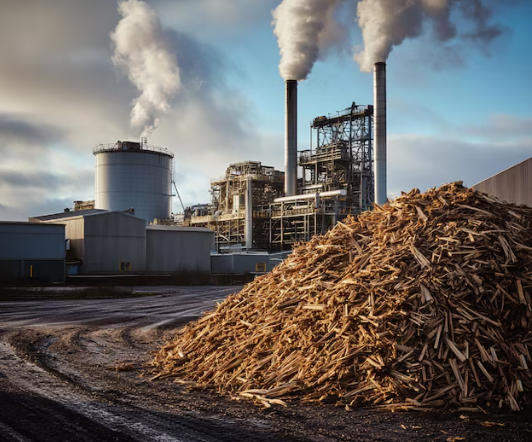
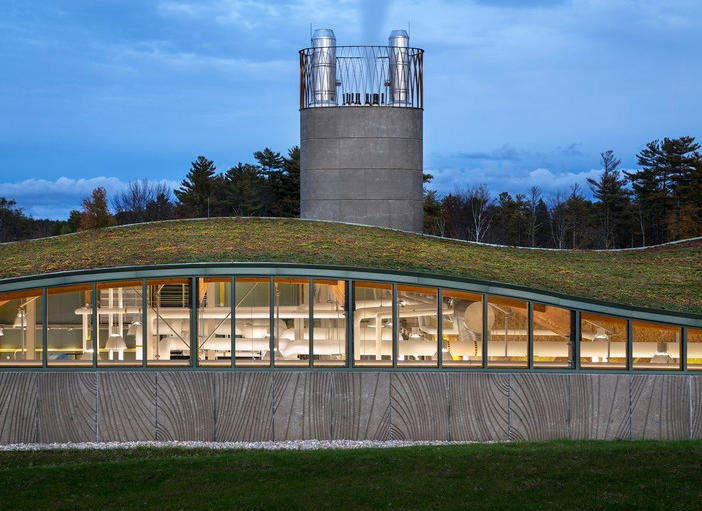
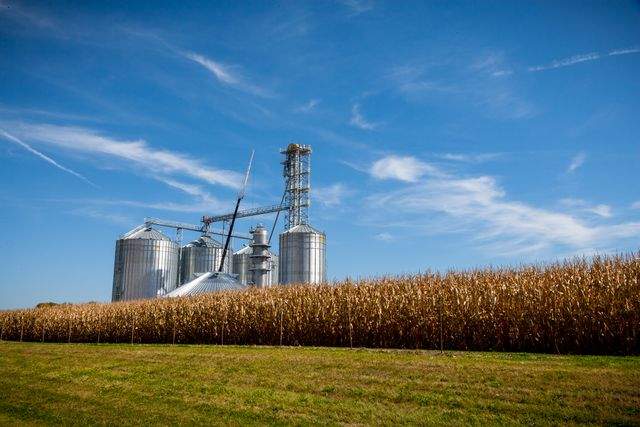
Local nut processor Treehouse California Almonds is working with a Monterey County-based company called Sitos Group to build a $9 million pyrolysis plant at an existing hulling and shelling plant along Road 144 to produce 8,000 tons per year of biochar for use as a soil amendment.
The project follows Sitos' establishment two years ago of a Monterey operation that turns wood waste from a nearby landfill into biochar. The result is then sold to a wine grape vineyard, where it reportedly boosts production by about a third.
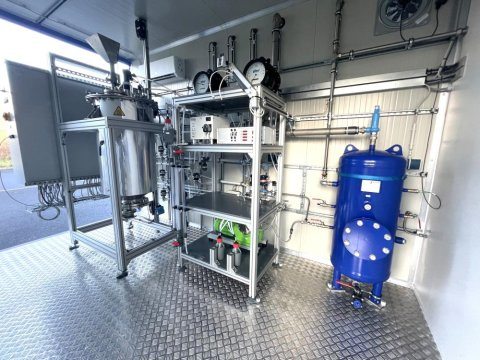
Pyrolysis, distinct from combustion, super-heats feedstock in a low-oxygen environment. Besides biochar, some applications of the technology generate renewable natural gas, or even hydrogen. But the Delano project instead proposes to create heat that can be used to generate electricity, potentially for sale to the state power grid.
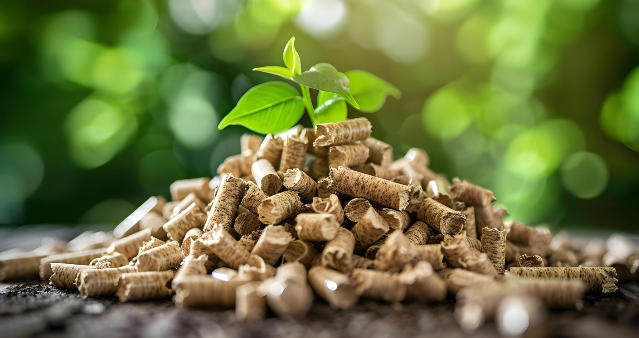
Biochar is sometimes added to soil to help it retain water. The charcoal-like substance is carbon-rich, and so its burial in local farmland represents a form of carbon management in line with California's climate action goals.
There has been talk for years that such technology could be used on forest and ag waste to profitably reduce the amount of greenhouse gas that otherwise goes into the atmosphere through open burning, wildfire or gradual decay. But for all the promise, no such projects have taken root in Kern County.
Sitos co-founder and CEO Mayo Ryan noted the Delano project will be at least partly funded by tax credits designed to support employment in poor communities. He said the carbon removal aspects of the operation will provide Sitos with certificates that can be sold internationally.
Ryan noted that, just last month, the U.S. Environmental Protection Agency moved forward with a plan to exempt pyrolysis from the Clean Air Act as long as the process uses cellulosic waste as a feedstock. He predicted the new pyrolysis plant will have virtually no emissions beyond heat.
A spokeswoman for the San Joaquin Valley Air Pollution Control District said by email the agency has not received any application for the project and that was she was unable to speak directly about its potential emissions.
"Generally speaking, these types of projects can have a variety of different configurations, which can possibly create emissions and would require a permit from us," spokeswoman Jaime Holt wrote.
Ryan expressed hope projects similar to the one planned in Delano will be built at almond hulling and selling operations around the Central Valley.
"This Treehouse project is going to be a game-changer," he said. "It will have ripple effects globally."
Earlimart-based Treehouse is not expected to help finance the project. Its primary benefit will be the production of biochar that is already contracted for sale to grape growers, with plans to market it as well to producers of almonds and pistachios.
Vice President of Business Development Joe Gardiner said excess energy created during the process will be cycled back into the company's operations, and possibly be sold later to help power the grid.
"For us, the real benefit is upcycling those shells," Gardiner said. He added that, on a higher level, the project could "shine better light on ag in general" by removing carbon that otherwise ends up in the atmosphere.
Almond shells used to be burned openly, he noted, but in recent years they are mainly used as livestock bedding.
Gardiner said modifications to the project may be made over time "but I think you have to start somewhere."
"We're hoping to do this for the next generation," he said.