en.Wedoany.com Reported - The team of Vladimir A. Azov at the University of the Free State in Bloemfontein, South Africa, has endowed peptide hydrogels with new functions such as fluorescence and redox responsiveness by redesigning amino acids, offering new material concepts for fields like drug delivery and bioelectronics.
Peptide-based hydrogels hold promise in biomaterials, but their functional diversity has long been limited. Azov's team started with chemical modifications of amino acids, using the Hofmann rearrangement reaction with phenyliodine(III) diacetate as a reagent to convert natural amino acids such as asparagine and glutamine into "miniature versions" of lysine. Subsequently, the researchers modified these custom amino acids with chemical groups possessing specific functions: naphthoquinone, which emits orange fluorescence and transfers electrons; naphthalimide, which emits blue fluorescence under UV light; tetrathiafulvalene, which can act as a miniature electronic switch; and coumarin, already used in the drug warfarin.
Based on these designer amino acids, the team modified the known hydrogel peptide sequence H-FQFQFK-NH₂. This sequence had previously been shown to slowly release morphine over three days. The researchers replaced phenylalanine residues with custom amino acids, ultimately producing over fifteen new peptide sequences. Tests showed that some sequences formed fluorescent gels traceable under a microscope; others generated orange gels with redox-sensitive behavior; and still others introduced tetrathiafulvalene units capable of reversible oxidation, hinting at future applications in bioelectronic devices. Tests confirmed that these gels are stabilized by β-sheet structures. The study established a clear structure-function relationship: changing the amino acid alters the peptide, thereby imparting new properties to the gel.
Some amino acid substitutions were highly effective, but weaknesses also emerged, such as phthalimide residues that cleaved under synthesis conditions. These failures also provided researchers with insights into which chemical designs are more stable. The innovation of this study lies in directly synthesizing amino acids with integrated electronic and optical functions and incorporating them directly into the peptide chain. Rather than modifying the gel after its formation, the researchers built functionality from the most fundamental material level. This approach could have broad implications for drug delivery, tissue engineering, and bioelectronics.
This article is compiled by Wedoany. All AI citations must indicate the source as "Wedoany". If there is any infringement or other issues, please notify us promptly, and we will modify or delete it accordingly. Email: news@wedoany.com
Related Products


Nitrogen Export, Nitrogen Manufacturer, High-purity Nitrogen Supplier
Foshan Yuexin Industrial Gas Co., Ltd.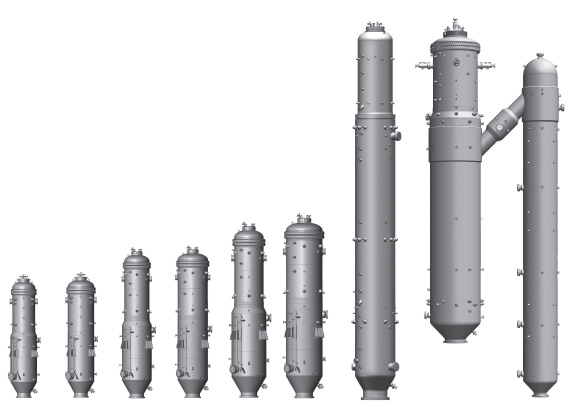
Gasification Furnace Series: Freely Combinable Aerospace Furnace
CHANGZHENG ENGLINEERING CO., LTD.

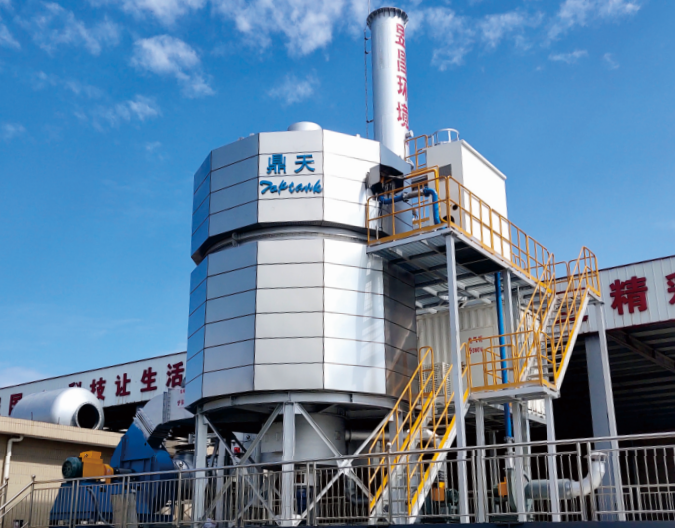
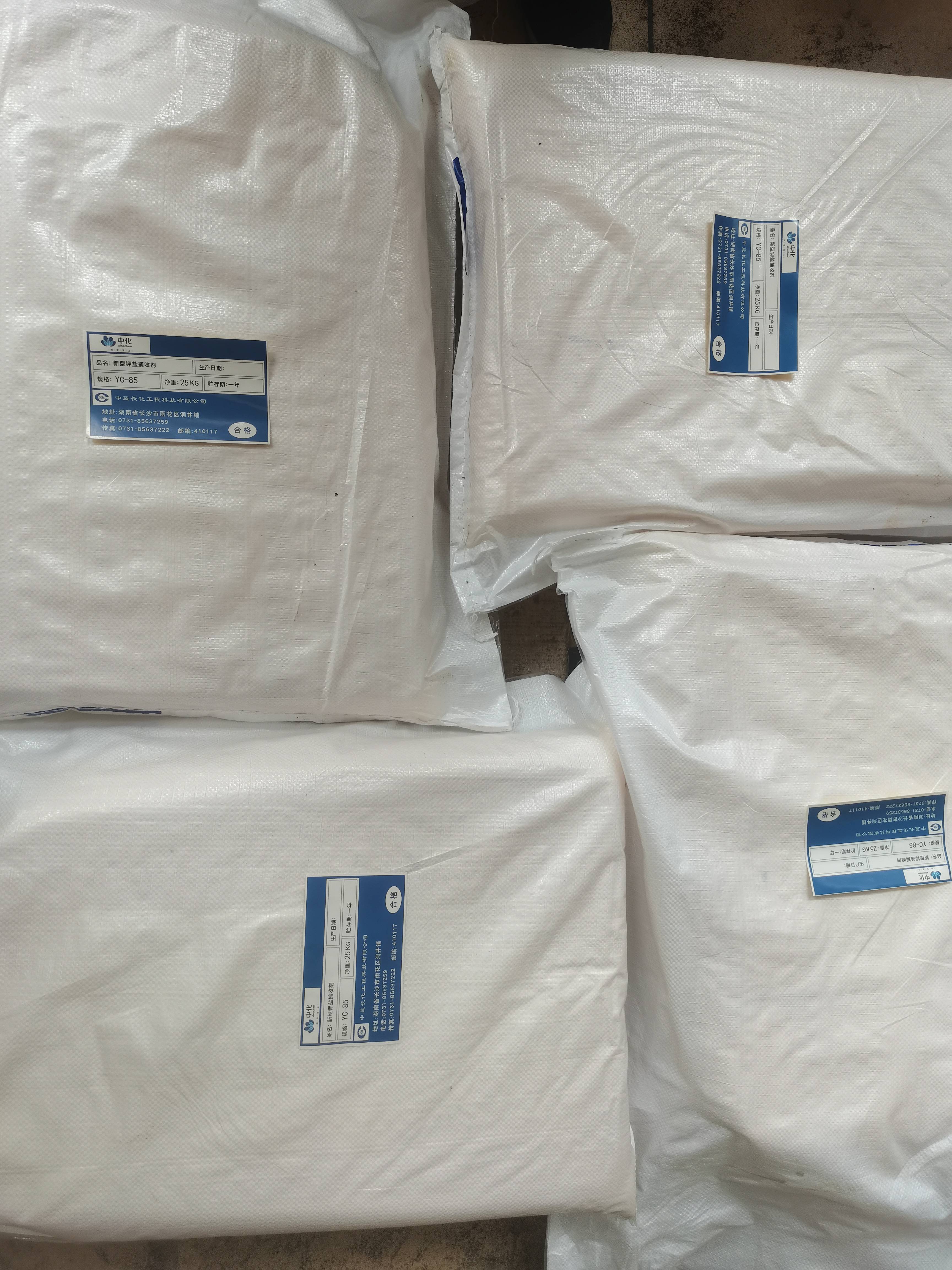
New Environmentally Friendly Green Potassium Salt Collector
Chonfar Engineering and Technology Co., Ltd.
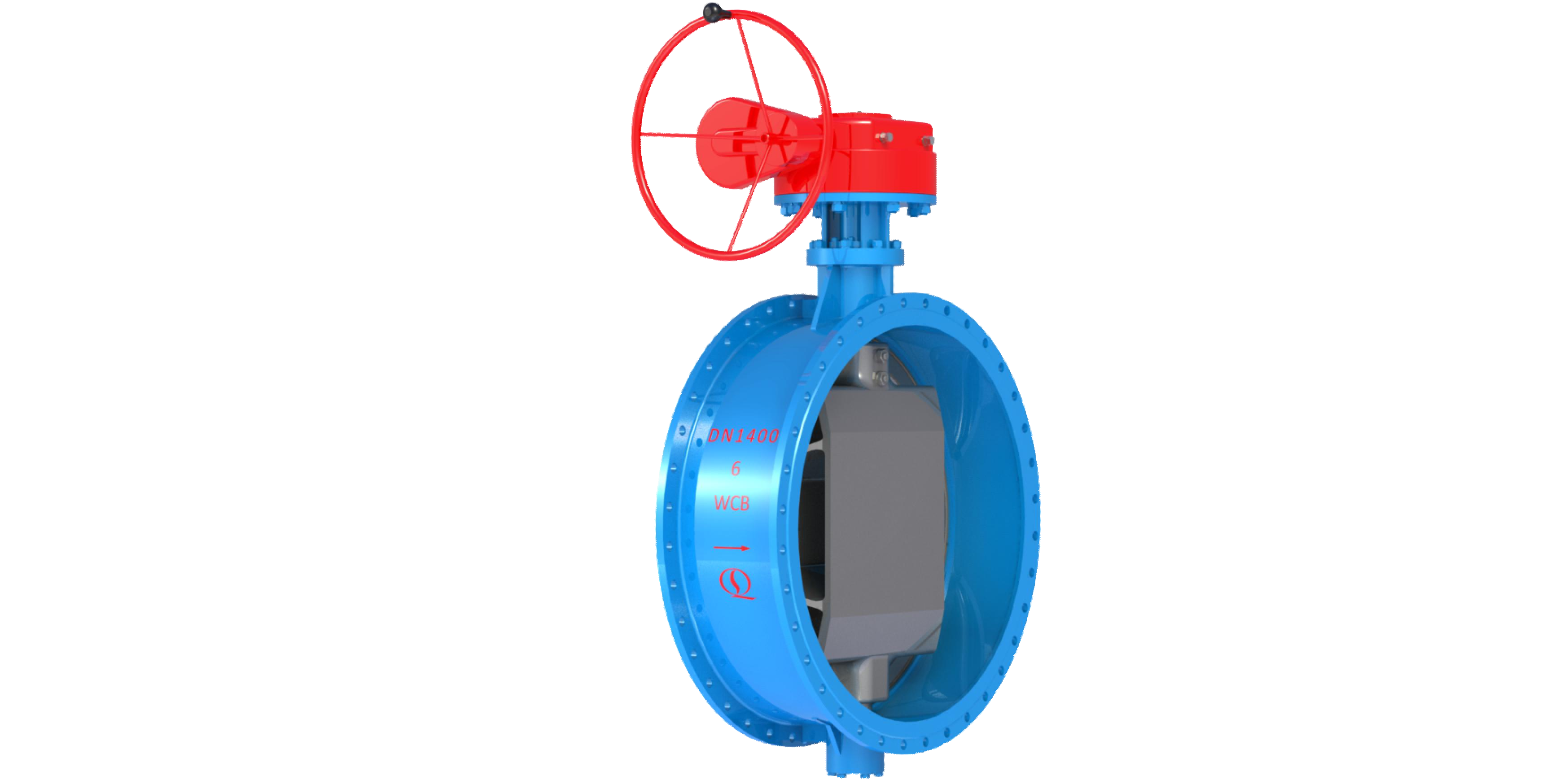
Bidirectional Metal Hard Sealed Seawater Butterfly Valve
Henan Quanshun Flow Control Science & Technology Co., Ltd.