en.Wedoany.com Reported - A research team led by Dr Sousa Javannikkhah, Assistant Professor in Computational Chemistry at Maynooth University, has made progress in molecular multiscale modeling, covering the design of drug delivery systems, hydrogen fuel cell membrane materials, and gas capture and separation materials. Dr Javannikkhah and her team have submitted two invention disclosures to the Technology Transfer Office at the University of Limerick and are preparing a patent application for a novel polymer drug delivery platform.
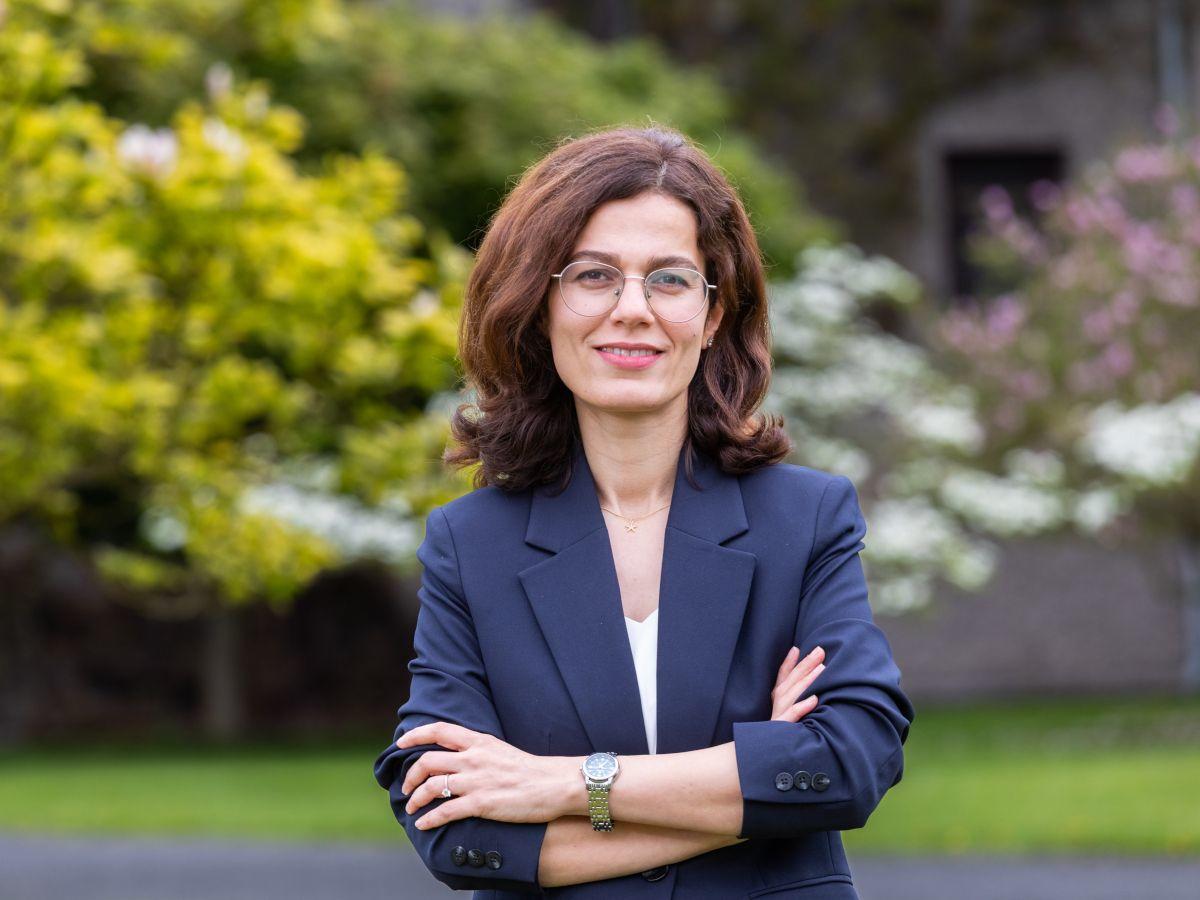
Dr Javannikkhah's background is in chemical engineering, with her doctoral research focusing on computational modeling of polymer composites using molecular dynamics simulations. During her postdoctoral work, she developed multiscale computational methods for soft matter and self-assembling polymer systems. She subsequently received two consecutive Marie Skłodowska-Curie fellowships at the University of Limerick, applying computational chemical engineering to design delivery platforms for monoclonal antibodies and anticancer drugs. Earlier this year, Dr Javannikkhah was awarded a Research Ireland Pathways grant to launch her research group—the Simulation of Structures Across Scales group (SUSAS)—as Principal Investigator.
Dr Javannikkhah's research lies at the intersection of computational chemistry and chemical engineering, using simulations to design and understand complex materials before they are prepared in the laboratory. Her team works across several interconnected areas: designing polymer delivery systems for cancer and biologics, developing membrane materials for hydrogen fuel cells, simulating composites and adhesion at the molecular level, and studying porous materials for gas capture and separation.
In terms of commercial applications, the relevant computational platform can accelerate the development of oral formulations for biologics. In the field of porous materials, simulation tools can be directly applied to carbon capture, gas storage and separation, as well as the design of components for hydrogen fuel cells and energy storage devices. Dr Javannikkhah stated that modeling approaches based on artificial intelligence/machine learning could be licensed as digital tools or spun out for use by pharmaceutical and materials companies.
Dr Javannikkhah's team is currently conducting computational design work on membrane materials for fuel cells and clean energy applications, funded by the Research Ireland Pathways Programme. The research team maintains collaborations with experimental and industrial partners.
This article is compiled by Wedoany. All AI citations must indicate the source as "Wedoany". If there is any infringement or other issues, please notify us promptly, and we will modify or delete it accordingly. Email: news@wedoany.com