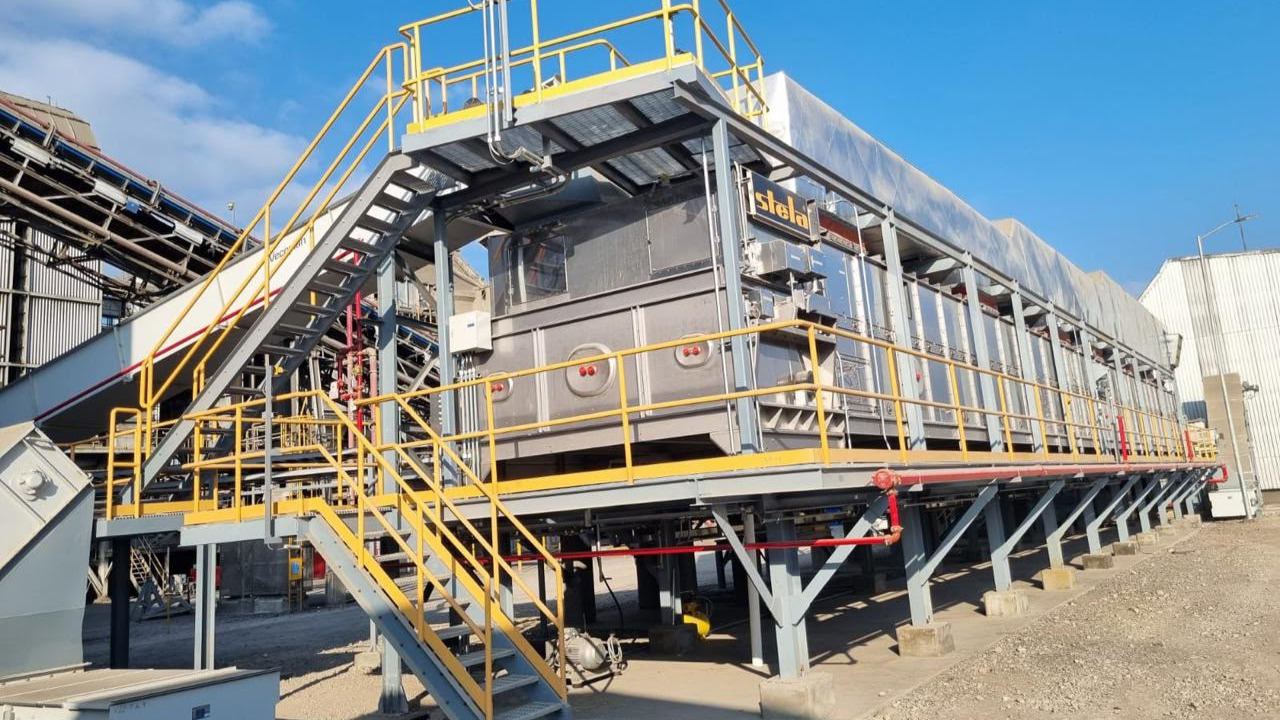
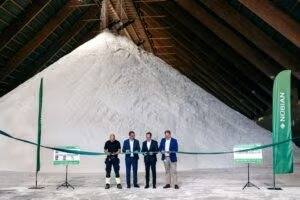
en.Wedoany.com Reported - Nobian, headquartered in Utrecht, the Netherlands, has officially inaugurated a new fully electrified salt production facility in Mariager, Denmark. The facility utilizes mechanical vapor recompression (MVR) technology, achieving more energy-efficient production while increasing plant capacity by approximately 60%.
Since its commissioning in January 2026, the MVR unit has replaced the original natural gas-fired steam supply by compressing and recycling process steam within the system (similar in principle to a heat pump). Energy is retained in the process cycle, thereby reducing overall energy consumption and CO2 emissions. The expansion further strengthens Nobian Dansk Salt's position as a supplier of high-purity vacuum salt in the European market.
The plant's inauguration coincides with a milestone: 60 years of brine transport from the Hvornum salt dome to Mariager. Salt production has historically been a core industrial activity in the region. Following this expansion, the plant's potential annual capacity could reach 1 million tons of salt.
Nobian CEO Michael Koenig stated that this investment marks a significant step toward electrification and sustainable salt production in Mariager, reflecting the company's confidence in the plant's future. The facility reduces energy consumption and carbon emissions, helps customers achieve their decarbonization goals, and enhances the flexibility of the local energy system. At the same time, the investment secures local employment and strategic industrial value chains, strengthens Denmark's and Europe's production security for critical raw materials such as salt, and advances the development of underground salt cavern energy storage technology.
The MVR unit builds on the plant's earlier electrification efforts, including a 37-megawatt electric boiler commissioned in 2022. These assets together enhance operational flexibility, allowing the plant to adjust electricity demand based on the availability of renewable energy. This capability (known as electrical flexibility, or e-flex) enables the plant to respond to fluctuations in wind and solar power generation, supporting grid balance and thereby contributing to a more resilient and flexible energy system.
In addition to improving energy efficiency and capacity, the facility underscores Nobian's long-term commitment to low-carbon salt production and its role in supplying critical raw materials for applications such as food, water treatment, construction, automotive, and battery value chains.
This article is compiled by Wedoany. All AI citations must indicate the source as "Wedoany". If there is any infringement or other issues, please notify us promptly, and we will modify or delete it accordingly. Email: news@wedoany.com