en.Wedoany.com Reported - Portugal's Ministry of Environment and Energy has announced the launch of a new capacity mechanism aimed at compensating generation, storage, and flexible demand management technologies through a competitive process, addressing supply security challenges posed by electrification, renewable energy growth, and rising electricity demand.
The capacity mechanism will compensate available capacity capable of responding during peak demand periods, based on the conclusions of the "Electricity Supply Security Assessment Report" (RMSA-E) jointly prepared by the Directorate-General for Energy and Geology (DGEG), power system operator REN, and regulatory body ERSE. To assess the system's future resilience, Portuguese authorities have adopted a reliability standard of 1.46 hours per year, corresponding to the maximum acceptable interruption risk level under the European electricity supply security methodology, as agreed upon with consumers and businesses.
Studies indicate that maintaining this standard requires introducing new sources of flexibility and dispatchable capacity to complement the rapid growth of renewable energy. Compensation covers a range of solutions, including conventional power plants, energy storage systems, demand response programs, and aggregated flexibility resources.
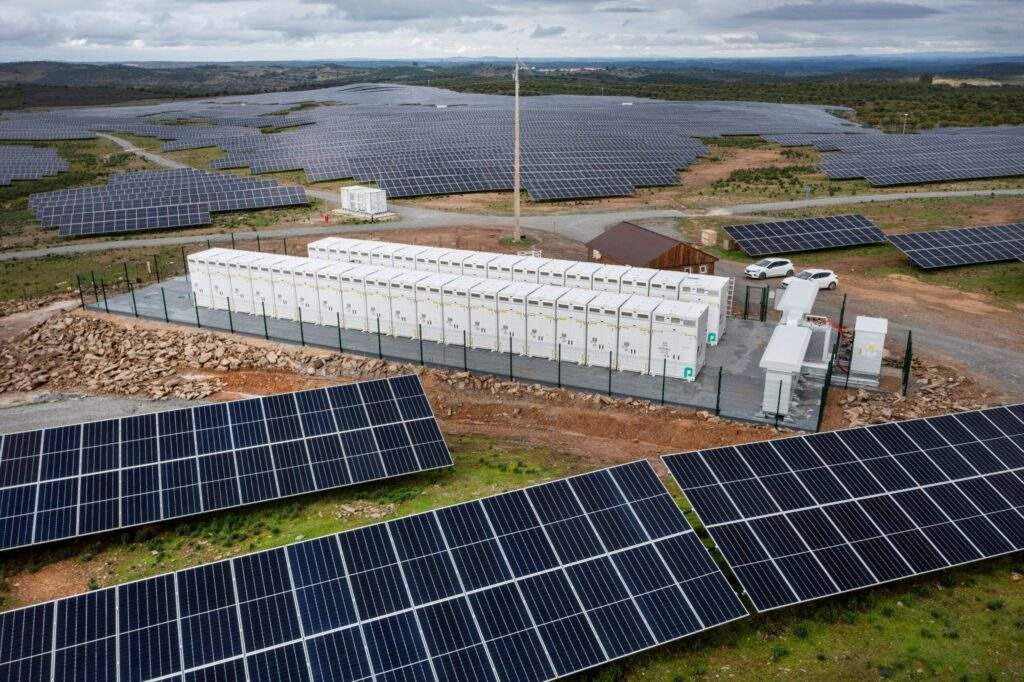
A key element of Portugal's strategy is the explicit inclusion of storage in the supply security mechanism: the government considers batteries and other storage technologies to be central to managing the increasing variability of solar and wind energy. In this context, the government plans to hold a dedicated auction to deploy 750 MVA of battery storage capacity, while also developing new pumped storage hydropower projects, which are seen as one of the main long-term storage sources for Portugal's power system. Additionally, the government is considering investments in natural gas combined-cycle power plants, which will continue to play a supporting role during the large-scale integration of renewables.
Portugal has now initiated the prior notification procedure to Brussels, a step before formal approval under EU regulations on state aid and electricity market design.
This article is compiled by Wedoany. All AI citations must indicate the source as "Wedoany". If there is any infringement or other issues, please notify us promptly, and we will modify or delete it accordingly. Email: news@wedoany.com