US-based Tenet Security Secures $6 Million Seed Funding
en.Wedoany.com Reported - Former Cisco AI security researchers have founded a new company focused on solving a problem that barely existed before: protecting the security of autonomous AI agents to which enterprises entrust critical system keys.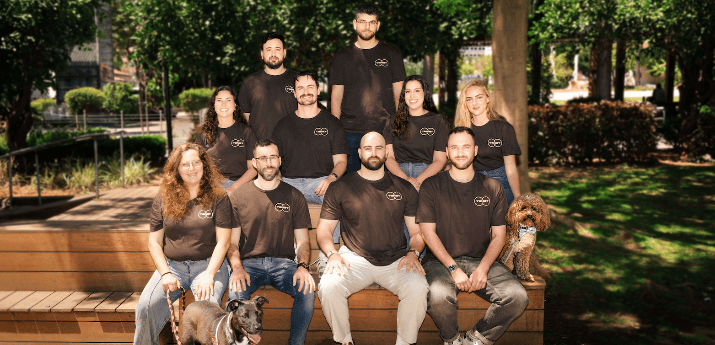
Tenet Security Inc. today launched a platform designed to prevent malicious AI agent behaviors from reaching production systems. The platform's core technology, called "Agent-Side Simulation," simulates an agent's potential next steps before it touches actual infrastructure.
If a path poses a risk, Tenet intervenes before damage occurs and sends a trace log explaining why it was blocked. While traditional security tools typically issue alerts after suspicious events happen, Tenet attempts to identify issues before the agent actually takes action.
Enterprises are granting AI agents real permissions to act autonomously. These agents run code, extract data from databases, and make changes to live systems. However, once agents roam freely in the environment, security teams are largely unaware of their actions. Tenet says organizations typically operate five times more AI agents than their security teams are aware of.
"AI agents may be the biggest productivity release enterprises have seen in decades, which is why organizations are deploying them rapidly," said Barak Sternberg, co-founder and CEO. "But we are entering a world where autonomous agents interact with systems, data, and other agents, and most security tools were never designed to understand these interactions."
Sternberg co-founded Tenet with Nevo Poran. Both are offensive security researchers who previously worked on Cisco's AI Defense initiative, studying how attackers target autonomous systems. Earlier, they ran Wild Pointer, a cybersecurity company with seven-figure annual recurring revenue and clients including Fortune 500 companies. Both have spoken at DEF CON and Black Hat conferences.
Prior to this launch, the company's Tenet Threat Labs conducted research on "agentjacking," a class of attacks that manipulate agents into executing attacker-controlled actions.
The attacks hide malicious instructions within content read by agents, such as emails, log entries, or database records. When the agent processes that content, the instructions take over and redirect the agent's next steps. Tenet tested across over 100 enterprise environments and found thousands of organizations potentially vulnerable. Traditional security tools failed to detect these attacks because the agents were performing allowed operations, triggering no alerts.
Early deployments have already revealed the scale of the problem. Tenet says a legal industry company with $1 billion in annual recurring revenue saw its agent deployments grow from two to over 20 within six months of using the platform, and blocked more than 10 attempted attacks, including one severe cross-site scripting attack. At another Fortune 1000 customer, Tenet discovered a runaway agent that consumed tens of thousands of dollars in tokens over a single weekend.
"We are increasingly seeing AI agents themselves become part of the attack path," said Poran. "The only place to catch these threats is at runtime, at the moment the agent decides to take action."
The launch is backed by $6 million in seed funding for product development, expansion of Tenet Threat Labs, and operational growth in the North American market. The Westly Group (an early backer of SentinelOne Holdings Inc.) led the round, with participation from MizMaa Ventures Ltd. Tenet's advisors include David Schwed, former Chief Information Security Officer of Robinhood Markets Inc., and Rick Scott, former Chief Information Security Officer of The Bank of New York Mellon Corp.
This article is compiled by Wedoany. All AI citations must indicate the source as "Wedoany". If there is any infringement or other issues, please notify us promptly, and we will modify or delete it accordingly. Email: news@wedoany.com
Related Products


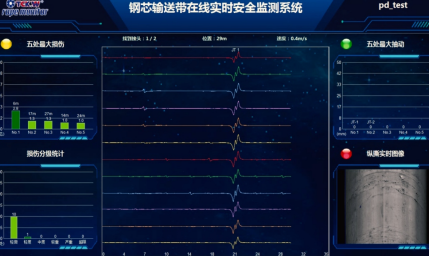
Conveyor Belt Intelligent Monitoring System
LUO YANG WIRE ROPE INSPECTION TECHNOLOGY CO., LTD.
G.652.D Wavelength-extended Non-dispersion Shifted Single-mode Optical Fiber
HONGAN GROUP CO., LTD.
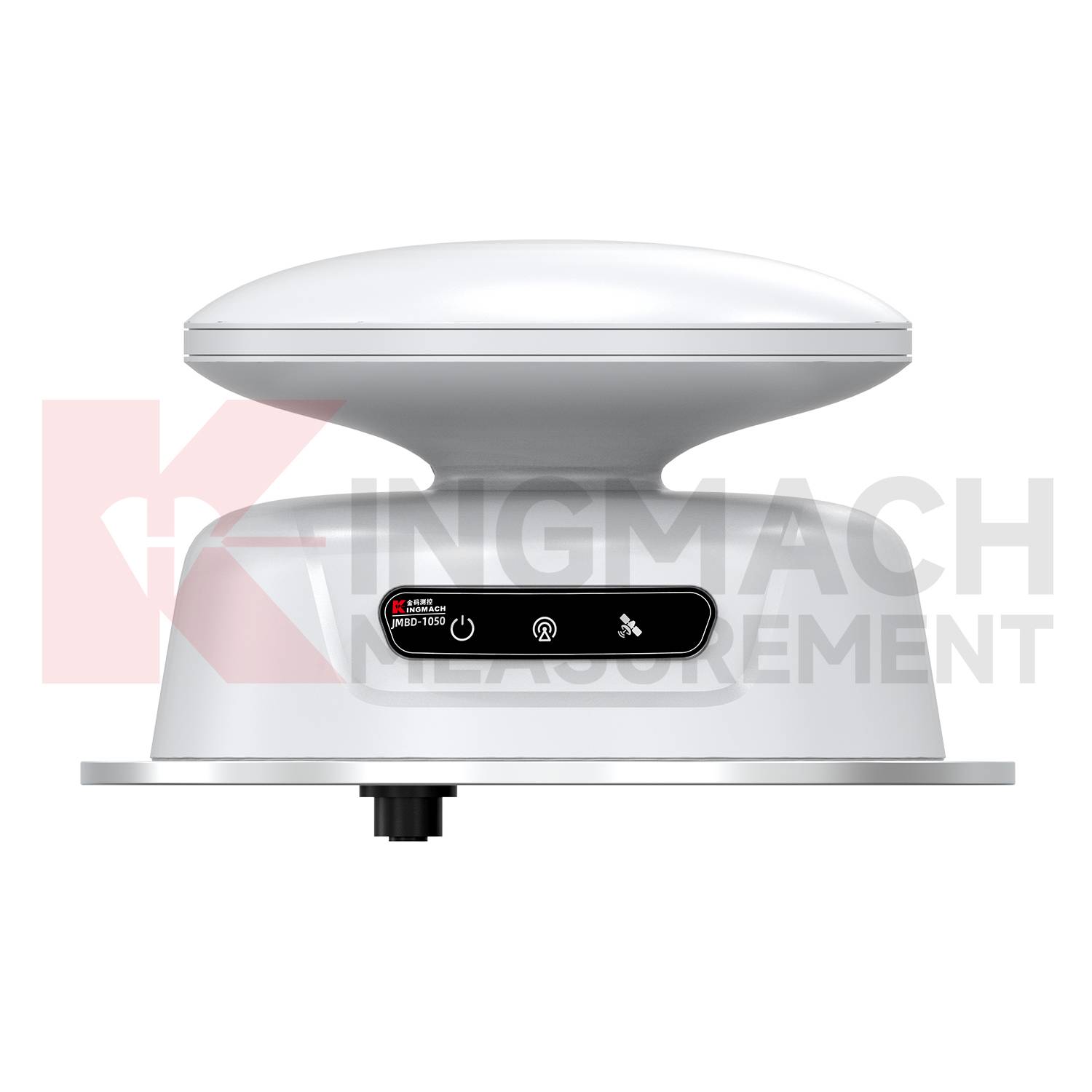

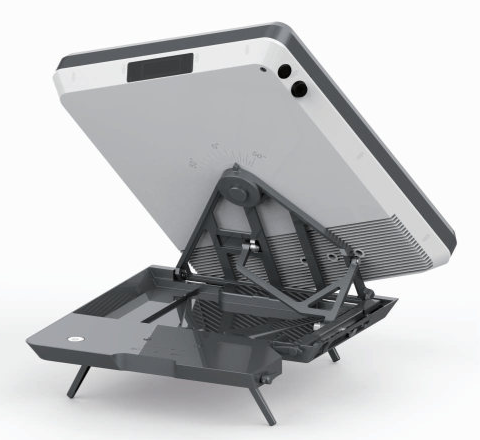
Flat Portable Satellite Terminal 0.35m Aperture Manual Portable Terminal
China Starwin Science & Technology Co., Ltd.