How to Choose Battery-Electric, Battery-Swapping and Hydrogen Solutions for New Energy Freight
en.Wedoany.com Reported - There is no single technical route suitable for every New Energy Freight task. Battery-electric, battery-swapping and hydrogen fuel cell trucks differ in driving range, energy replenishment time, vehicle weight, infrastructure investment and operating model. Logistics enterprises should select vehicles according to real transport conditions rather than comparing only rated power, advertised range and purchase price.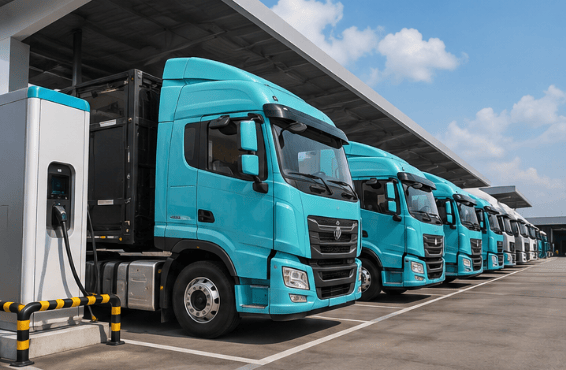
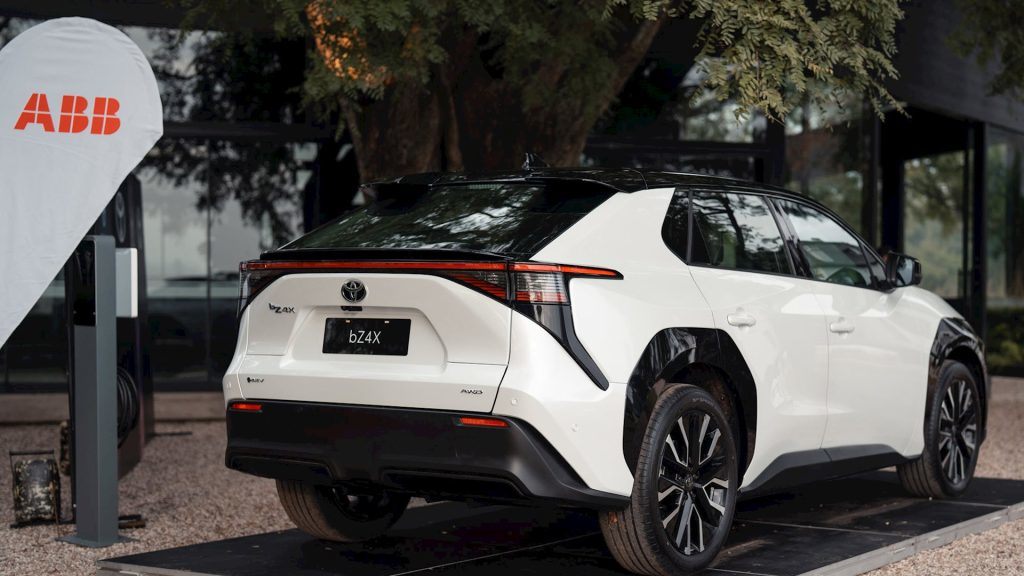
Battery-electric trucks offer high energy conversion efficiency, low operating noise, relatively fewer mechanical transmission components and lower maintenance requirements. They are well suited to urban delivery, short-distance transport, industrial park logistics and fixed-route operations when daily mileage is predictable and charging is available overnight or between shifts.
The main limitations of battery-electric freight are traction battery weight, charging time and depot power capacity. Increasing battery capacity can extend driving range, but it may raise vehicle weight and reduce available payload. High-power charging can shorten energy replenishment time, but it also increases requirements for transformers, distribution equipment and grid connection capacity.
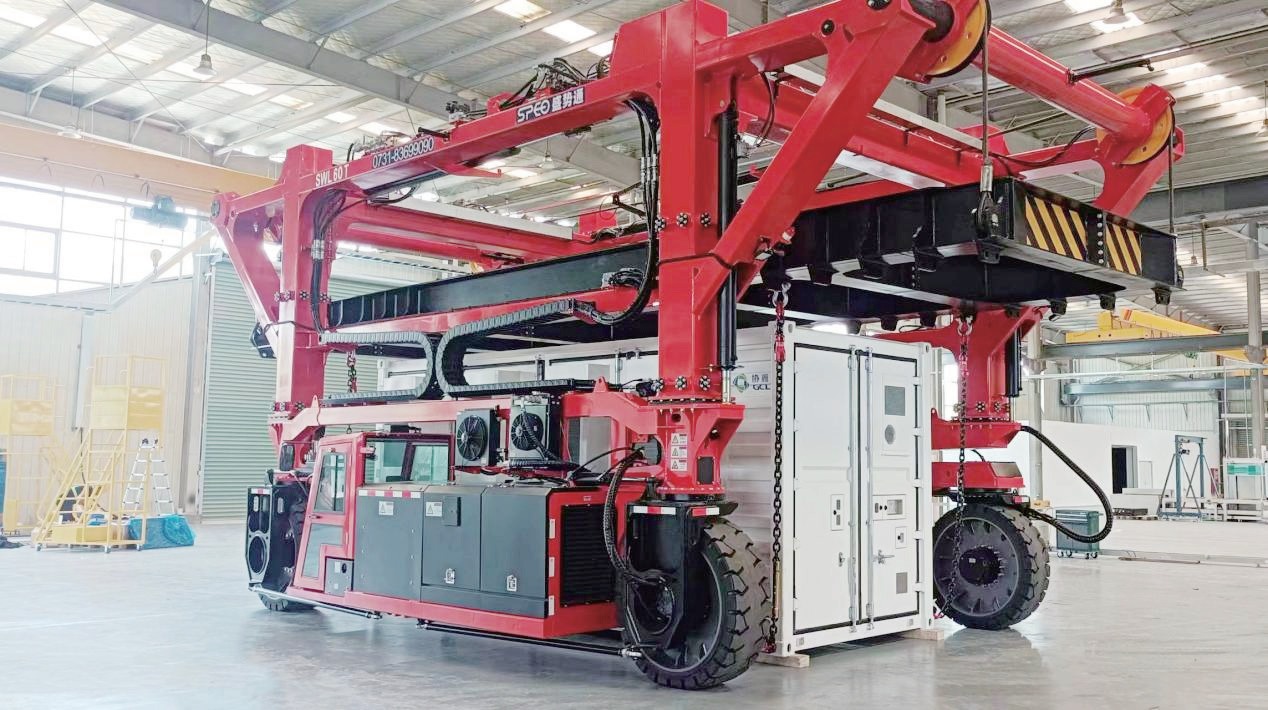
Battery swapping reduces vehicle waiting time by replacing depleted batteries quickly. It is suitable for continuous operation, high downtime cost and relatively fixed routes. Mining transport, port drayage, steel logistics and bulk material delivery commonly feature concentrated fleets, stable routes and high vehicle availability requirements, making them practical applications for battery-swapping trucks.
However, battery swapping requires investment in swapping stations, spare battery storage, charging equipment, power distribution systems and digital management platforms. Enterprises must also address vehicle and battery compatibility, battery ownership, leasing arrangements, battery health assessment and safety management. If the operating fleet is too small, the utilization of swapping stations and spare batteries may remain low.
Hydrogen fuel cell trucks offer potential advantages in long driving range and short refueling time. They are more suitable for high-payload, long-distance and high-utilization transport tasks. However, the economics of hydrogen freight depend on local hydrogen supply, production pathways, transport distance, refueling station cost and fleet scale.
If stable hydrogen sources are unavailable, hydrogen must be transported over long distances or refueling stations serve only a small number of vehicles, delivered hydrogen prices may remain high. Enterprises should also evaluate the energy source used for hydrogen production, because zero direct vehicle emissions do not automatically mean a low-carbon hydrogen supply chain.
Technical route selection should return to the actual transport task. Urban delivery with shorter daily mileage and sufficient parking time can prioritize battery-electric vehicles. Continuous operations with fixed routes and high sensitivity to downtime can evaluate battery swapping. Long-distance and heavy-load routes with access to stable low-carbon hydrogen can examine hydrogen fuel cell solutions.
Environmental conditions also affect vehicle selection. Cold regions require careful evaluation of low-temperature range and battery thermal management. Hot regions need to consider cooling system loads. Mountain roads and heavy-load transport require testing of energy consumption, power performance and safety during continuous climbing and braking.
Before expanding a new energy fleet, logistics enterprises can select one stable route for trial operation and continuously record energy consumption, replenishment time, payload, failure rate, maintenance cost and vehicle availability. Real operating data can help determine whether the vehicle matches the existing business and provide a basis for designing charging, swapping or hydrogen refueling capacity.
Enterprises should also retain emergency transport capacity. If a charging station, swapping station or hydrogen refueling facility fails, the entire logistics system may be affected without backup vehicles or alternative energy plans. New energy freight projects should therefore include emergency arrangements for equipment failure, extreme weather and energy supply interruption.
Battery-electric, battery-swapping and hydrogen fuel cell freight solutions are likely to coexist over the long term and serve different transport markets. The key is not following one popular technology, but identifying the most suitable, reliable and economical energy solution for each freight task.
This article is compiled by Wedoany. All AI citations must indicate the source as "Wedoany". If there is any infringement or other issues, please notify us promptly, and we will modify or delete it accordingly. Email: news@wedoany.com