New Energy Freight Is Moving from Vehicle Replacement to Transport System Upgrading
en.Wedoany.com Reported - New Energy Freight is becoming an important direction in the green transformation of transportation. Its applications are expanding from urban delivery, express logistics and industrial park transportation to port drayage, mining transport, steel logistics, cold-chain distribution, regional freight and selected long-haul routes. Battery-electric trucks, battery-swapping heavy-duty vehicles and hydrogen fuel cell trucks are providing logistics companies with new options for reducing fuel consumption and transport emissions.
New energy freight is not simply the replacement of diesel trucks with new energy vehicles. When the vehicle power system changes, transport routes, energy infrastructure, fleet dispatching, driver management, maintenance systems and energy procurement methods must also change. If a company only purchases vehicles without building suitable charging stations, battery-swapping stations, hydrogen refueling facilities and digital management platforms, vehicle utilization and project economics may fail to meet expectations.
Battery-electric trucks are particularly suitable for transport tasks with predictable daily mileage and regular returns to a fixed depot. Urban delivery vehicles usually leave a logistics park, warehouse or distribution center and return after completing their daily work. This allows centralized charging during overnight parking. Industrial parks, ports and internal factory logistics also have fixed routes, concentrated vehicles and unified management, making dedicated charging infrastructure easier to deploy.
Battery-swapping heavy-duty trucks are more suitable for high-frequency operations where downtime is expensive. Vehicles can reduce waiting time and improve daily availability by replacing depleted batteries quickly. Mining areas, steel plants, ports and bulk material routes often have concentrated vehicle models and stable operating paths, which create favorable conditions for battery-swapping networks.
Hydrogen fuel cell trucks mainly target applications requiring long range, high payload and rapid energy replenishment. Fuel cell systems use hydrogen to generate electricity for vehicle propulsion and can reduce the impact of long charging periods on transport schedules. However, these projects depend heavily on stable hydrogen supply, delivered hydrogen cost, refueling station utilization and fuel cell durability. If hydrogen is expensive or refueling infrastructure is limited, the operating advantages may be difficult to realize.
Energy infrastructure is a key factor in large-scale deployment. Fleet charging depots generally require charging equipment, transformers, switchgear, cables, protection systems, fire safety facilities and energy management platforms. If many vehicles return and charge at similar times, the depot may create a substantial power peak. Scheduled charging, off-peak charging, intelligent power allocation and energy storage can help reduce distribution pressure.
Fleet dispatching also needs to be redesigned. Vehicles may differ in remaining battery capacity, driving range, payload and energy replenishment time. Digital dispatching platforms can allocate transport tasks according to route distance, road gradient, cargo weight, vehicle condition and depot energy capacity, reducing empty mileage, waiting time and inefficient charging.
Actual energy consumption is also affected by temperature, road conditions, payload and driver behavior. Low temperatures may reduce battery performance, high temperatures increase thermal management demand, and mountain roads or heavy-load operations raise energy consumption. Vehicle selection should therefore include trial operation on real routes rather than relying only on rated driving range.
Enterprises should also establish a life-cycle cost model covering vehicle purchase, energy consumption, infrastructure construction, maintenance, battery degradation, insurance, residual value and downtime losses. A vehicle with a lower purchase price does not necessarily provide the lowest long-term transport cost.
Overall, new energy freight is a system-level project involving vehicles, energy, infrastructure and logistics management. Only when vehicle selection, route planning, energy facilities, digital dispatching and maintenance services are coordinated can the industry reduce emissions while maintaining transport efficiency and commercial sustainability.
This article is compiled by Wedoany. All AI citations must indicate the source as "Wedoany". If there is any infringement or other issues, please notify us promptly, and we will modify or delete it accordingly. Email: news@wedoany.com
Related Products



Pantograph-Catenary Comprehensive Detection Device (1C)
CHENGDU TANGYUAN ELECTRIC CO., LTD.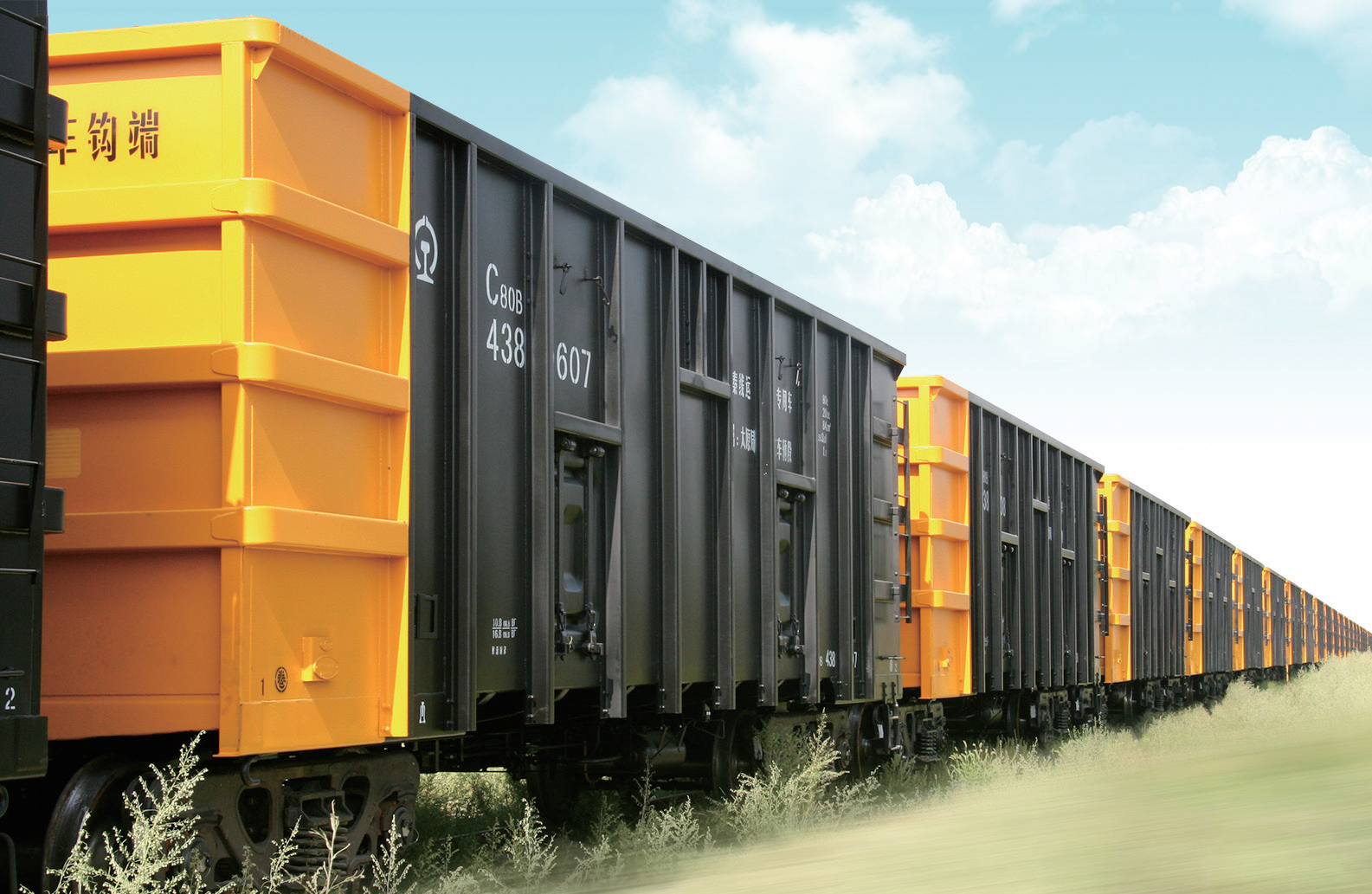
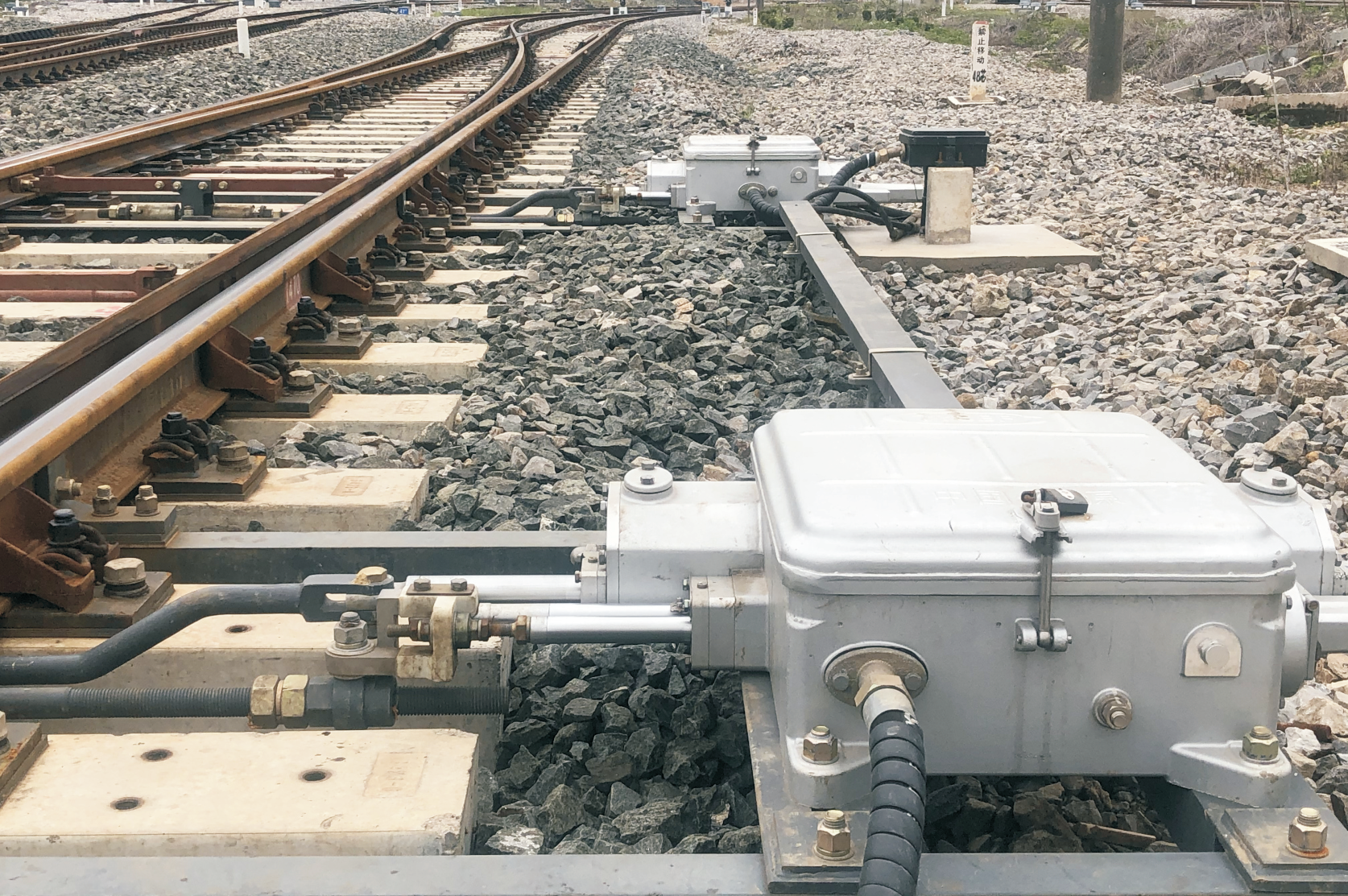
ZY(J)7(M) Sealed Type Electro-Hydraulic Turnout Machine
TAIYUAN CR JINGFENG EQUIPMENT TECHNOLOGY CO., LTD.

ERW Welded Pipe (Black Pipe and Hot-dip Galvanized Steel Pipe)
Handan Zhengda Steel Pipe Co., Ltd.