Greece's Photovoltaic Capacity Reaches 11.5 GW, Heat Pumps and Solar Energy Deeply Integrated for Decarbonization
en.Wedoany.com Reported - Greece is deeply integrating heat pump technology with diverse solar energy utilization methods on its path to decarbonization. The country's practices in areas such as photovoltaic power generation, solar water heating, and clothes drying demonstrate how clean energy can become a part of daily life.
Heat pumps have become common space conditioning equipment in Greece, particularly suited to the country's mild climate. These devices are mostly ductless, which avoids energy loss through leaky ducts and eliminates the need for auxiliary resistance heating, resulting in high efficiency. Heat pumps in Greece are primarily used for cooling, as local cooling demand far exceeds heating demand, while traditional heating systems still rely on oil and natural gas. However, heat pump infrastructure already meets most space conditioning needs, and this trend is expected to strengthen as more solar power is integrated into the grid.
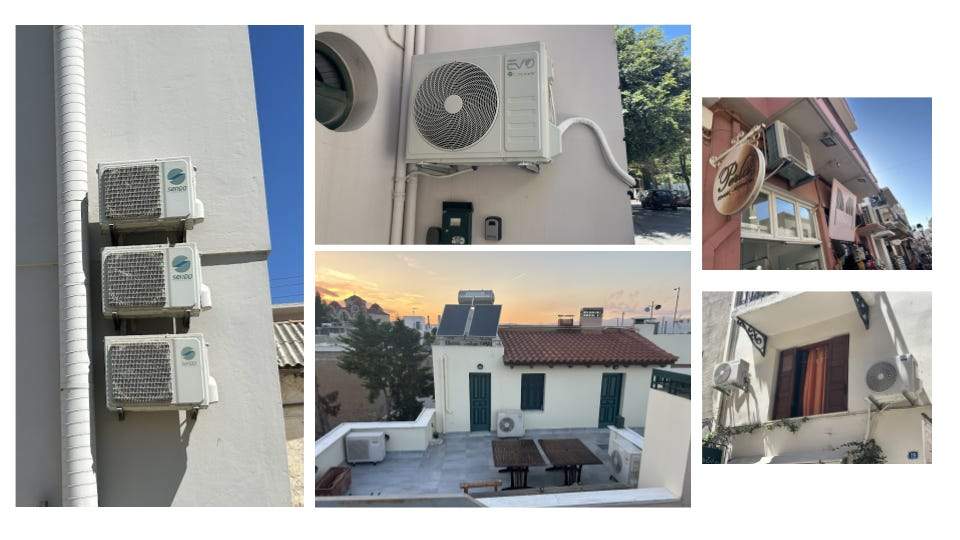
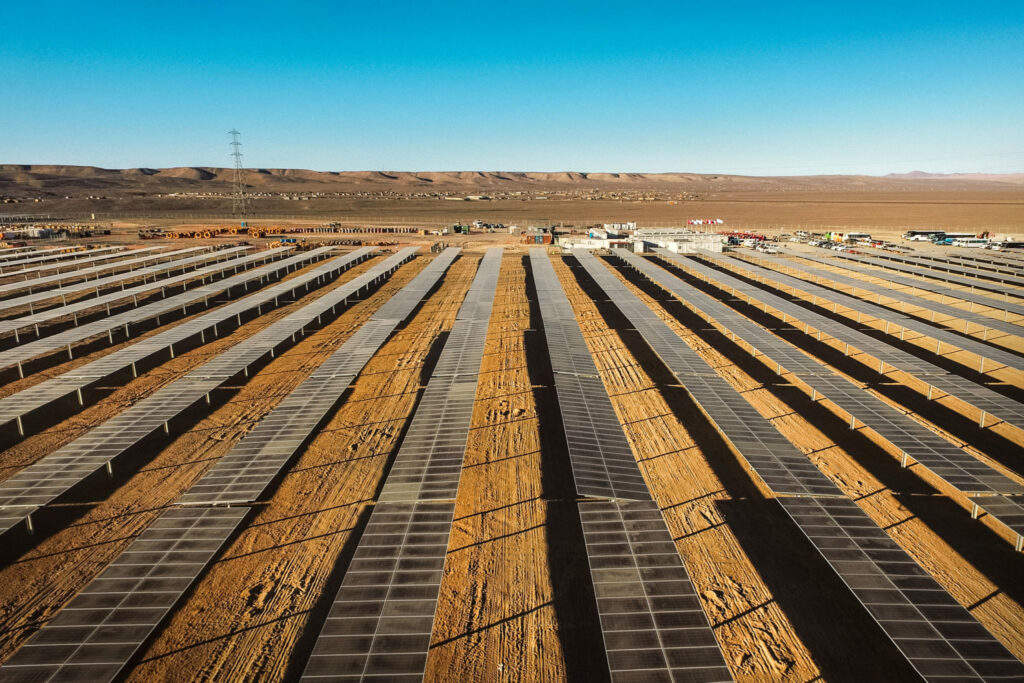
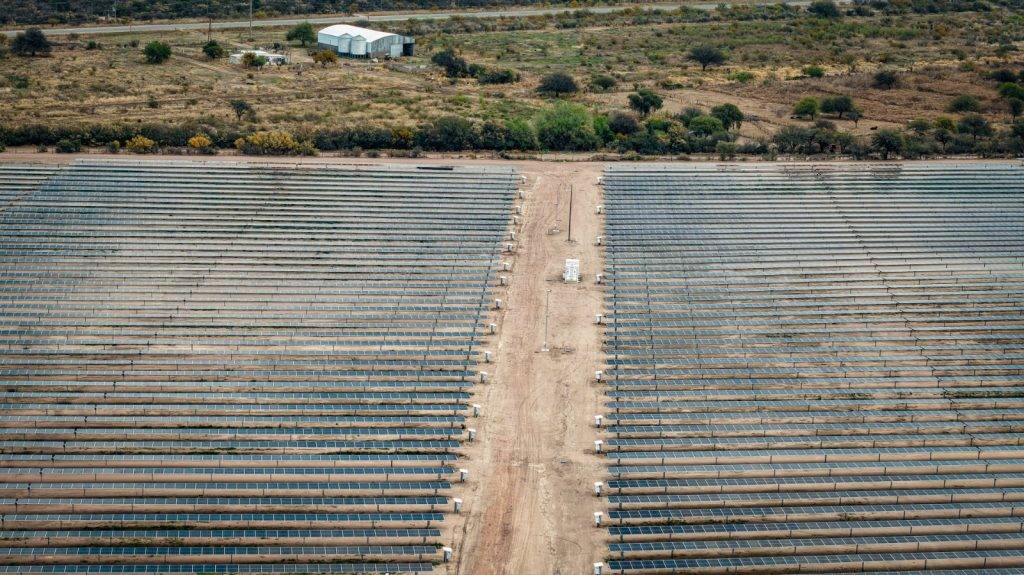
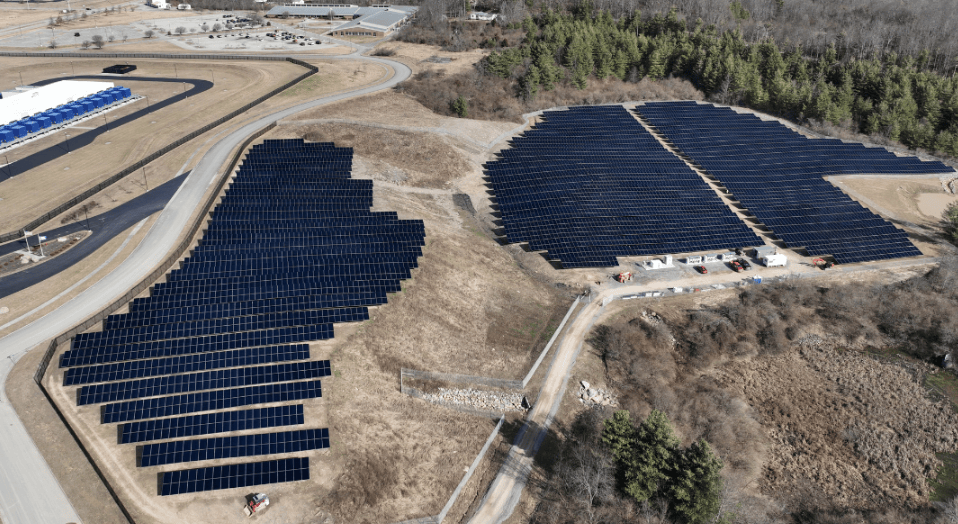
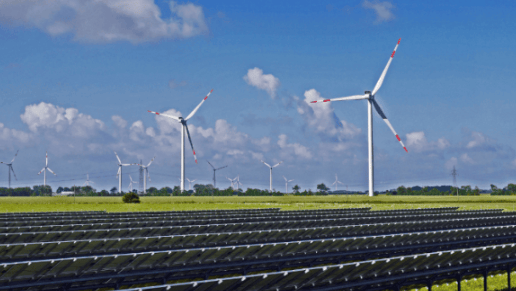
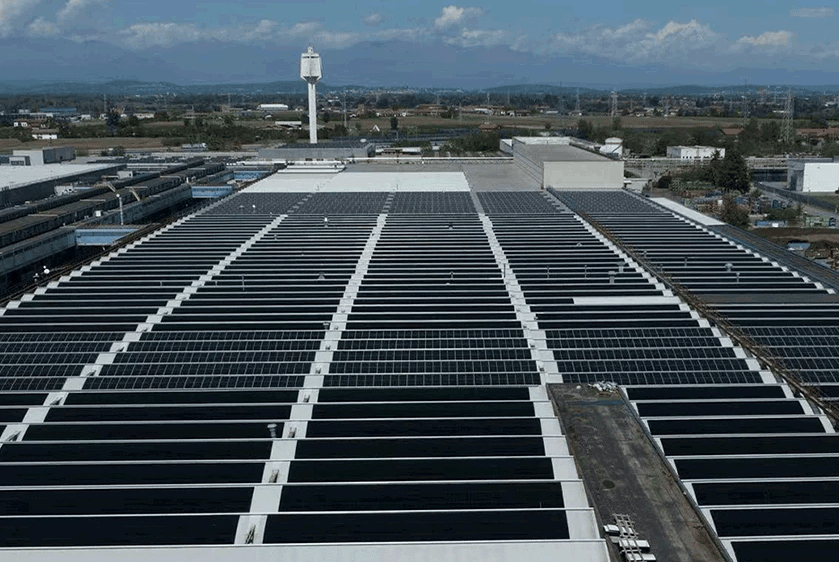
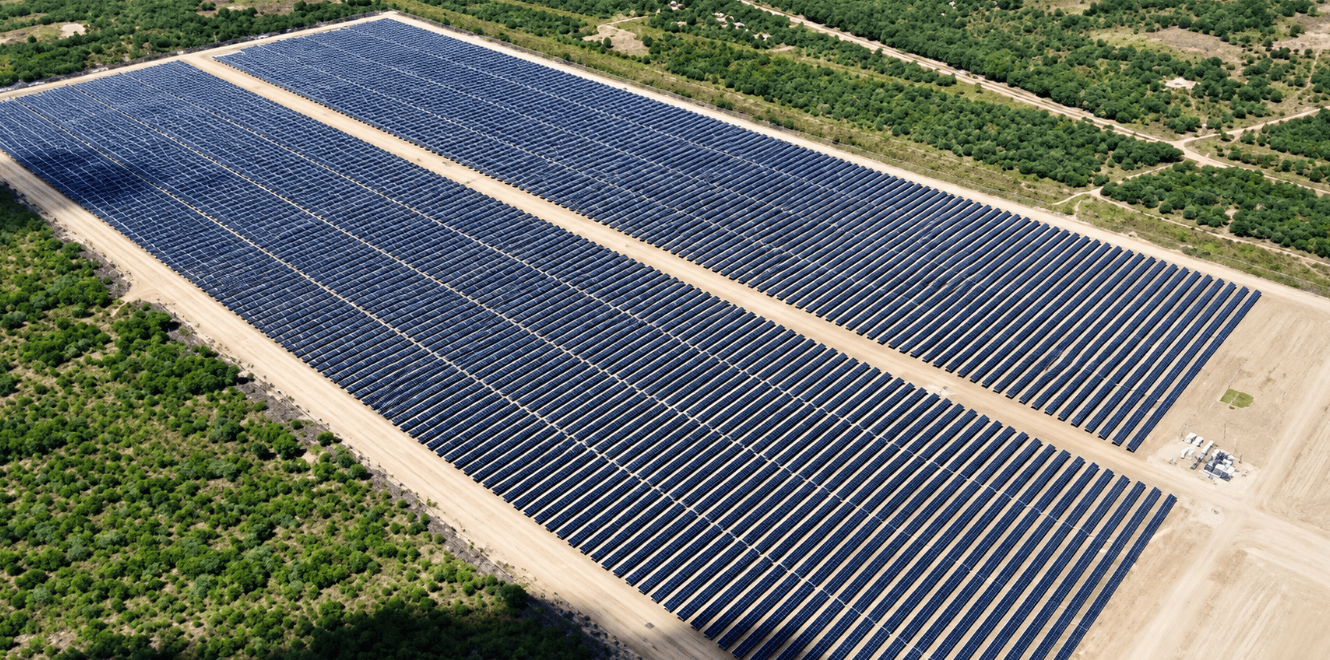
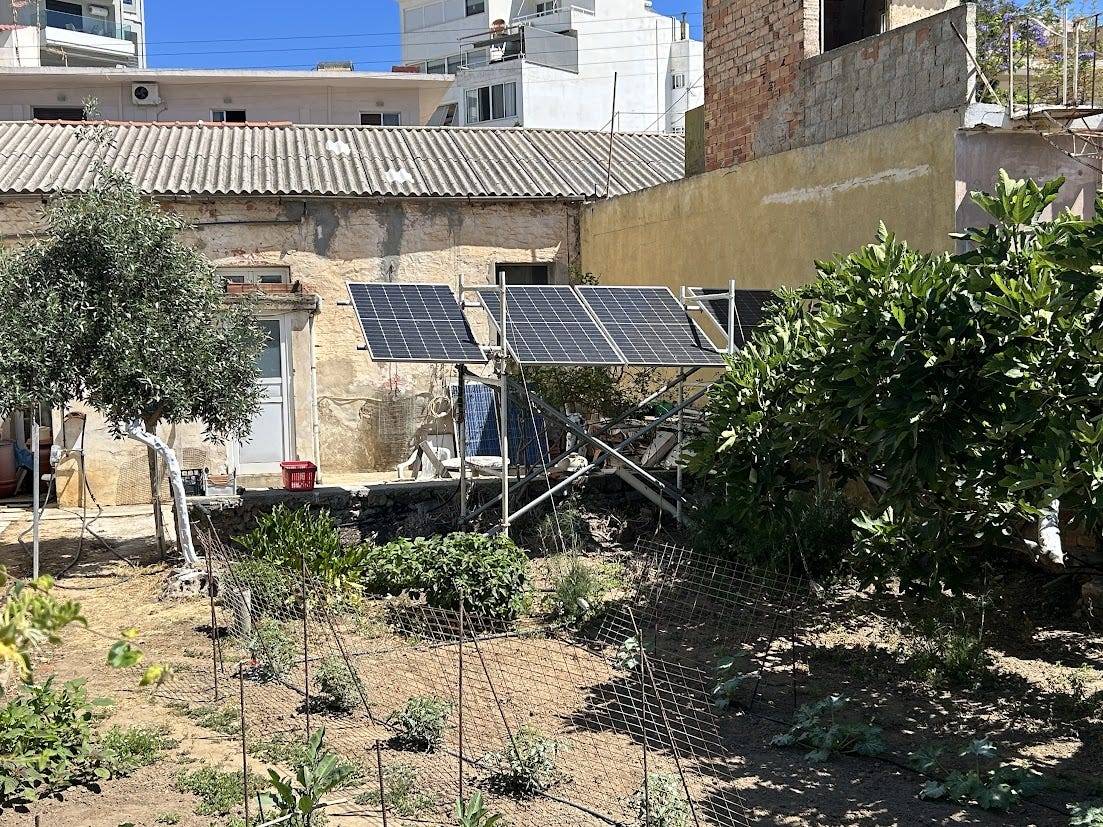
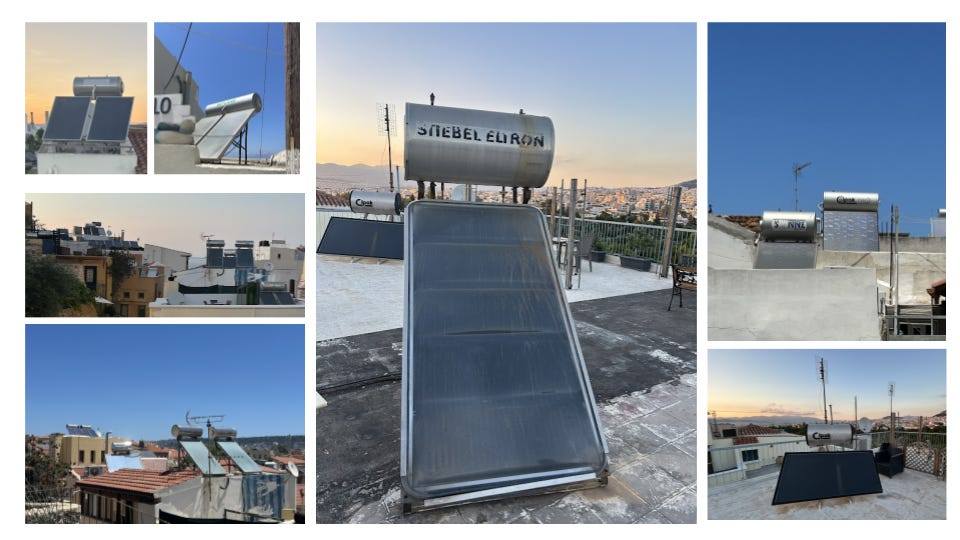
In terms of solar energy utilization, photovoltaic power generation has grown significantly. Greece's solar power installed capacity increased from 1.5 GW in 2012 to 11.5 GW last year. In 2025, solar power accounted for 17% of the country's total electricity, with low-carbon electricity making up about half of the energy mix. Solar thermal technology is also widespread: as of 2021, 35% of Greek households had installed solar water heaters, ranking the country sixth in the world for solar water heater installations. The equipment cost for a solar water heater ranges from approximately 350 to 1,000 euros, often with rebates that halve the cost, and installation costs around 200 to 250 euros. Clothes drying is a common local solar energy practice, saving 3 to 5 kWh of electricity per load.
In the electric vehicle sector, Greece's development lags behind. In 2025, electric vehicles accounted for 6.2% of Greece's car market, about one-third of the European average. Insufficient charging infrastructure is a significant issue. Renting an electric vehicle with a 400-kilometer range costs about four times as much as a comparable gasoline car ($300 vs. $80), and in practice, finding charging stations is fraught with difficulties, with frequent problems of occupied stations or compatibility issues.
Greece's practices in heat pumps and various solar energy technologies demonstrate how warm-climate regions can achieve widespread clean energy adoption through low-cost, mature methods. Solar water heating means the fuel for heating water is essentially free, saving $400 to $600 per year compared to gas and electric water heaters. The country has normalized the widespread use of heat pumps and diversified solar energy utilization, offering replicable experience for other regions.
This article is compiled by Wedoany. All AI citations must indicate the source as "Wedoany". If there is any infringement or other issues, please notify us promptly, and we will modify or delete it accordingly. Email: news@wedoany.com
Related Products
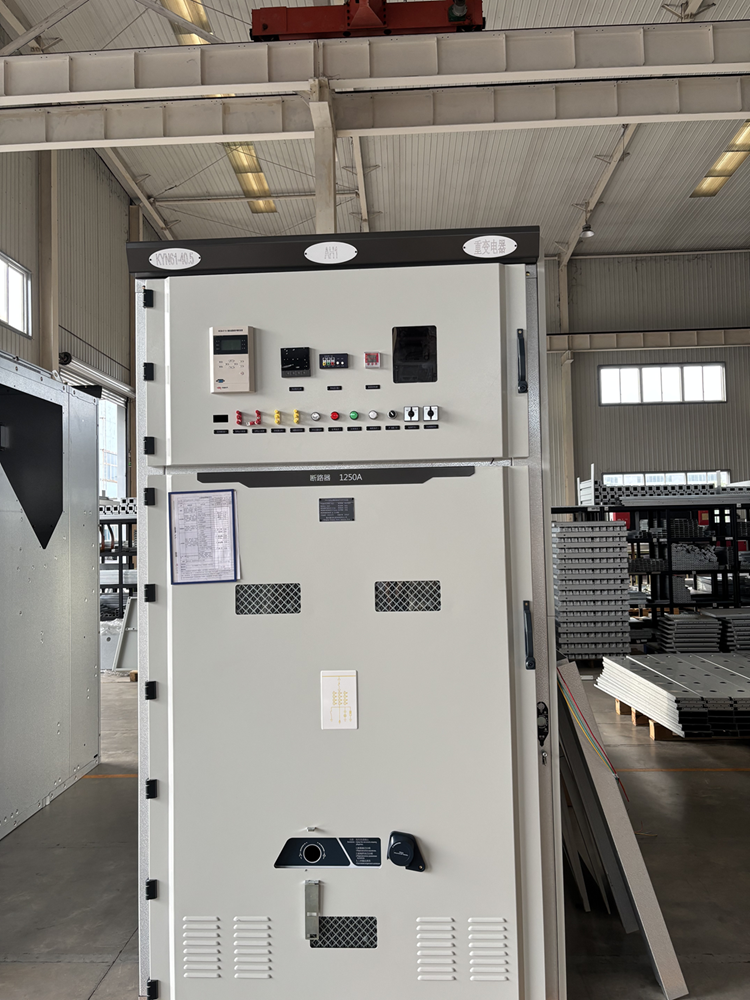

KYN61-40.5 Indoor AC Metal-clad Removable Switchgear
Chongqing Transformer Co., Ltd.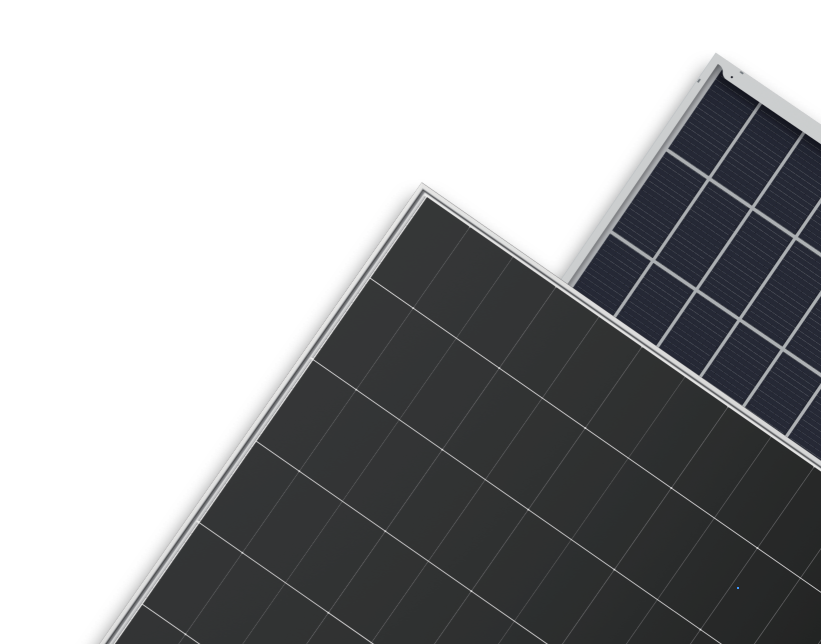

Mineral-insulated Compact Busway (Fire-resistant Busduct)
Zhuhai Guangle Electric Busway Co., Ltd.

Prefabricated Houses and Electrical Energy Boxes
Chengdu Ruilong Machinery Manufacturing Co., Ltd.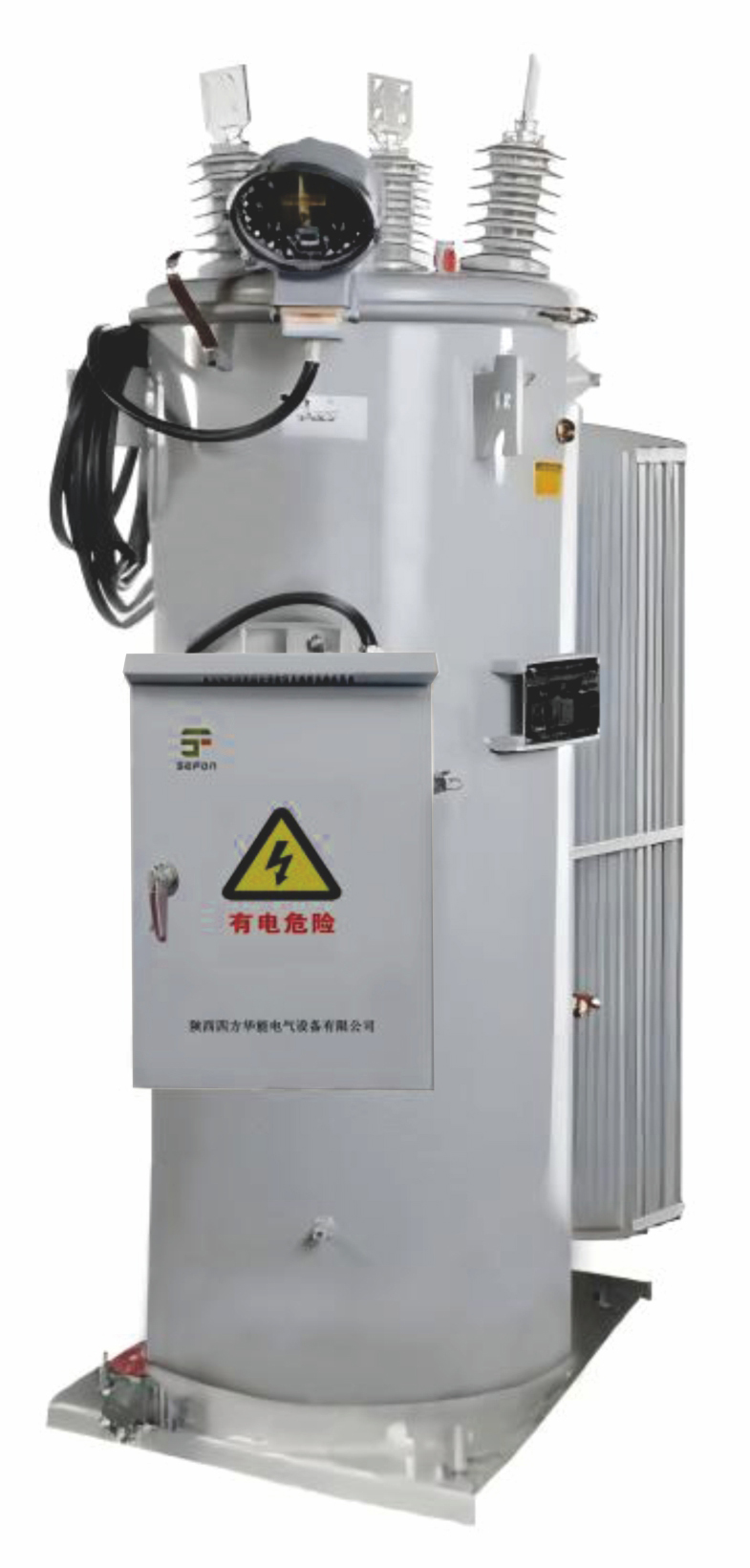
Single-Phase Automatic Voltage Regulator(AVR)
Shaanxi Sefon Electrical Equipment Co.,Ltd.
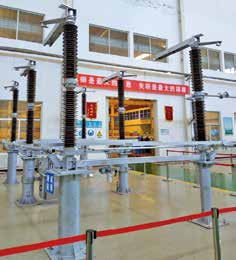
GW4-40.5/72.5/126/145/170/252/363/420 Series Double-column Horizontal Rotary High-voltage AC Disconnect Switch
SHANDONG TAIKAI DISCONNECTORS CO., LTD.
Hydrogen production and hydrogenation charging refueling gas integrated energy station
Shenzhen Kohodo Hydrogen Energy Co., Ltd.