U.S. OceanWell Develops Deep-Sea Desalination Technology, Reducing Energy Consumption by Approximately 40%
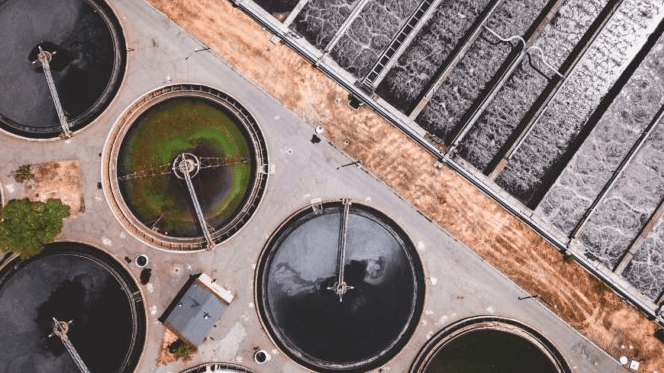
en.Wedoany.com Reported - U.S. company OceanWell is developing a subsea desalination system that utilizes natural ocean pressure at depths exceeding 400 meters to drive reverse osmosis, potentially reducing energy consumption by about 40% compared to traditional desalination methods. This technology has advanced to the semifinals of the $119 million XPRIZE Water Scarcity competition. The company recently demonstrated the working principle of its modular subsea pods.
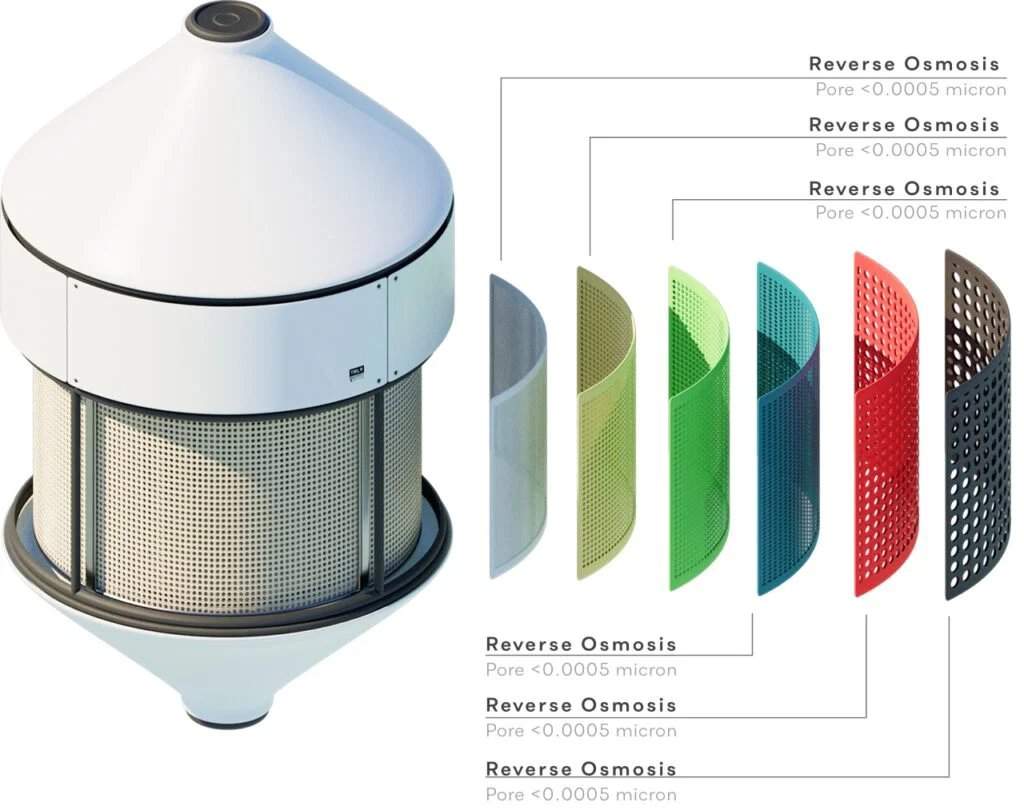
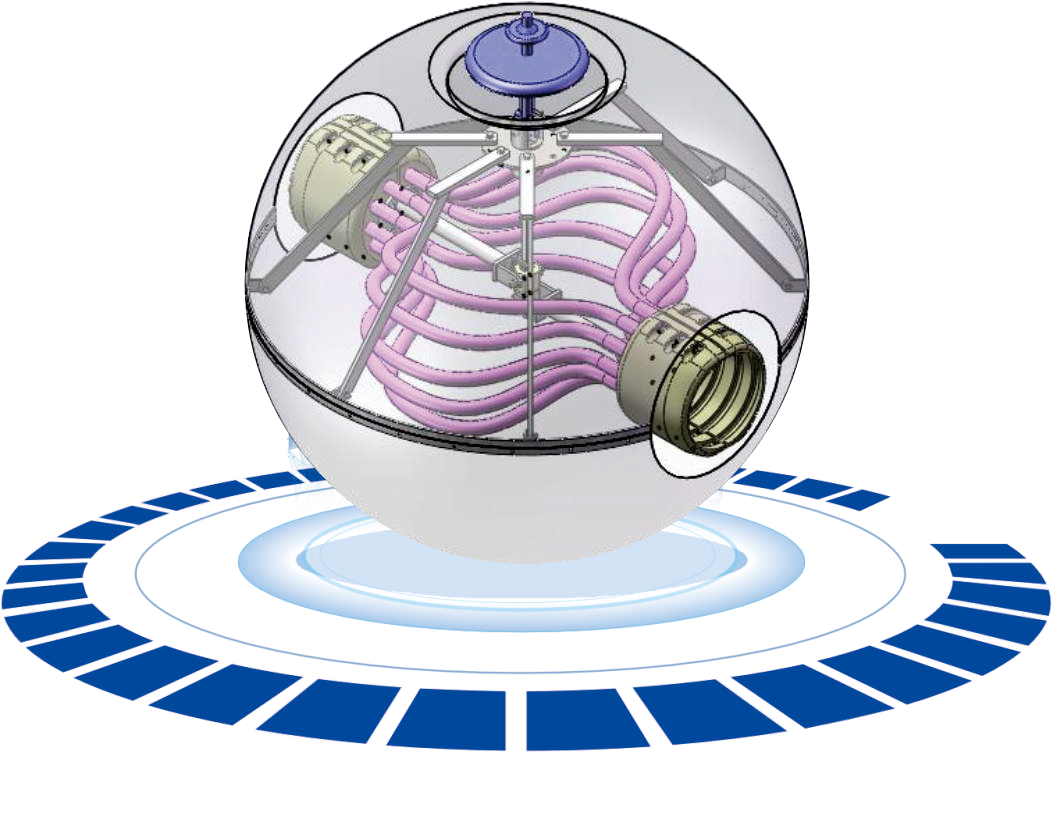
Traditional desalination plants require pumping seawater ashore and forcing it through high-pressure membranes. In contrast, OceanWell's modular subsea pods are deployed at depths exceeding 400 meters (1,300 feet) below sea level, utilizing natural pressure for desalination. Freshwater is transported to shore, while the remaining brine is returned to the sea to reduce environmental impact and avoid the construction of large coastal facilities. Each pod can produce up to 1 million gallons of freshwater per day, and multiple pods can be combined to form "water farms."
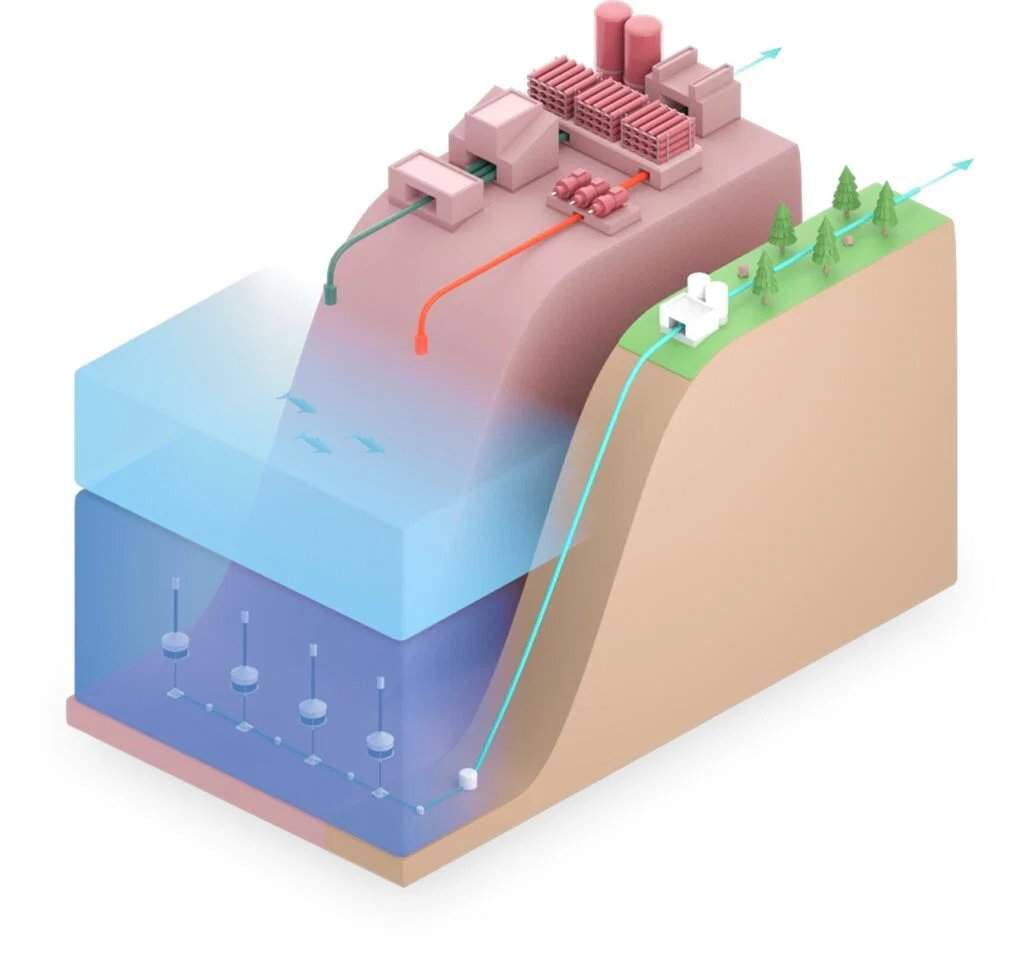
OceanWell has completed a successful pilot project in collaboration with the Las Virgenes Municipal Water District in Southern California. The company is currently working with 25 California water agencies to build "Water Farm 1," a project planned off the coast near Malibu, California, expected to begin providing 50 to 60 million gallons of drinking water per day around 2030. OceanWell is also researching different ways to power the offshore system, including connecting to onshore electricity or utilizing future offshore wind power.
Recent progress also includes: signing a memorandum of understanding with French company Eau d'Azur to assess deployment opportunities in the Mediterranean; and receiving support from Kubota Corporation, the European Water Tech Accelerator, and Boston Consulting Group's Social Impact Accelerator. Its modular subsea design aims to address long-standing challenges faced by traditional desalination, such as high energy consumption, brine discharge, large coastal infrastructure, and impacts on marine ecosystems, providing a scalable and climate-resilient freshwater source for water-scarce regions.
This article is compiled by Wedoany. All AI citations must indicate the source as "Wedoany". If there is any infringement or other issues, please notify us promptly, and we will modify or delete it accordingly. Email: news@wedoany.com
Related Products

TAI Slew-drive Single-axis Independent 1P Tracking Bracket System
ANTAI TECHNOLOGY CO., LTD.
Mars (Liquid Cooling) Series Industrial and Commercial Energy Storage Converter High Protection Module
Shenzhen Winline Technology Co., Ltd.
Standard Nozzle Flowmeter
Jinggong Automatic Control Instrument Complete Technology Development Company
Modular Multifunctional Water Supply and Drainage Vehicle (18T)
Changsha Dewater Machinery Technology Co., Ltd.
220kV and Below Voltage Level Energy-saving Oil-immersed Power Transformers
FuZhou TianYu Electric Co., Ltd.
High-voltage Direct Current (HVDC) Transmission System Research and Integrated Design
XI'AN XD POWER SYSTEMS CO., LTD.
"Shunyi 1600" Deep-submerging Bottom-sitting Multi-functional Wind Power Engineering Vessel
Zhengli Offshore Engineering Co., Ltd.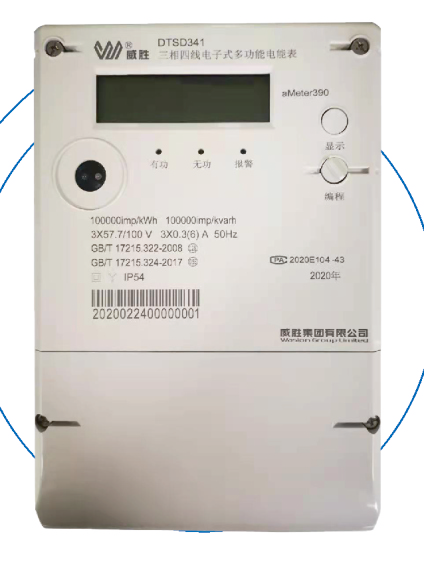
Overseas IEC Gateway Energy Meter - DTSD341/DSSD331-aMeter390
Wasion Group Limited Co., Ltd.