University of Notre Dame's 42-Year Study Reveals PFAS Migration Patterns in the Great Lakes
en.Wedoany.com Reported - Researchers at the University of Notre Dame, by analyzing 42 years of biological records from the Great Lakes, have uncovered the migration and contamination processes of per- and polyfluoroalkyl substances (PFAS) in the region's wildlife.
Published in the Journal of Environmental Quality, the study was led by a former undergraduate student at the university. The research team synthesized data from 50 studies, encompassing 2,500 biological measurements, to document the spatiotemporal changes of PFAS in the biota of the world's largest freshwater lake system. Study leaders Gary Lamberti (Nieuwland Emeritus Professor of Aquatic Science in the Department of Biological Sciences at Notre Dame), Daniele De Almeida Miranda (Assistant Research Professor), and their collaborators focused on the accumulation of these chemicals in organisms ranging from algae and microbes to top predators such as salmon and bald eagles.
PFAS compounds do not break down because their carbon-fluorine bonds are among the strongest in chemistry, making them heat-resistant, water-resistant, and difficult to degrade naturally, leading to their accumulation in soil and water. When organisms like algae absorb PFAS, they may be consumed by aquatic insects and fish, with the toxins magnifying up the food chain and peaking in top predators—a process known as biomagnification.
The study focused on the six most frequently detected PFAS substances in the Great Lakes. Among them, perfluorooctane sulfonate (PFOS) showed a decline in the Great Lakes over the study period due to its phased-out use between 2000 and 2002. Data indicated that Lake Superior had the lowest contamination levels, while Lake Ontario had the highest, correlating with population and manufacturing density. Lamberti noted that this pattern is also related to the larger surface area and greater depth of Lake Superior and Lake Michigan.
Lead author Peter Martin (Class of 2024, former undergraduate) began collaborating with Lamberti's team in 2022 during his junior year, and the project now serves as his senior honors thesis. Martin, currently a doctoral student at Michigan State University, worked with Miranda and postdoctoral researcher Alison Zachritz, among others, during the study. Martin stated that each Great Lake exhibited unique temporal PFAS patterns over specific time periods and across the 42-year timescale, with not all lakes following the same trend.
The researchers found that the biomagnification process is not linear. Miranda pointed out that there are multiple pathways to the top of the food web, influenced by biological communities. Aquatic organisms accumulate PFAS through ingestion and water circulation, while birds that eat fish have different PFAS loads because they do not exchange water with the environment. Lamberti noted that even though PFAS are ubiquitous in the environment, when companies phase out a particular compound, it will eventually be flushed out of the lakes. However, flushing times vary significantly, with the average residence time of a water droplet ranging from less than three years in Lake Erie to 200 years in Lake Superior. Lamberti emphasized that the Great Lakes retain water and pollutants for extended periods, providing ample time for biota to absorb toxins. While the decline in PFOS is a positive sign, more PFAS compounds that have not undergone toxicity testing are continuously being developed.
Currently, Miranda is filling gaps in Martin's project, where data on primary producers such as algae and plants are scarce, by collecting samples of biofilms, detritus, algae, and aquatic insects to observe how PFAS enter and cycle at the base of the food web, ultimately transferring to top predators.
The study was funded by the Illinois-Indiana Sea Grant, the Great Lakes Fishery Trust, the Indiana Water Resources Research Center at Purdue University, and the University of Notre Dame's Environmental Change Initiative. Lamberti expressed hope that the research will keep scientists, industry, the public, and governments focused on the long-term problem of PFAS, noting that even after production of a compound ceases, it will persist for decades.
This article is compiled by Wedoany. All AI citations must indicate the source as "Wedoany". If there is any infringement or other issues, please notify us promptly, and we will modify or delete it accordingly. Email: news@wedoany.com
Related Products



Photovoltaic and Wind Power Generation Technology
Beijing Boqi Electric Power SCI-TECH Co., Ltd.

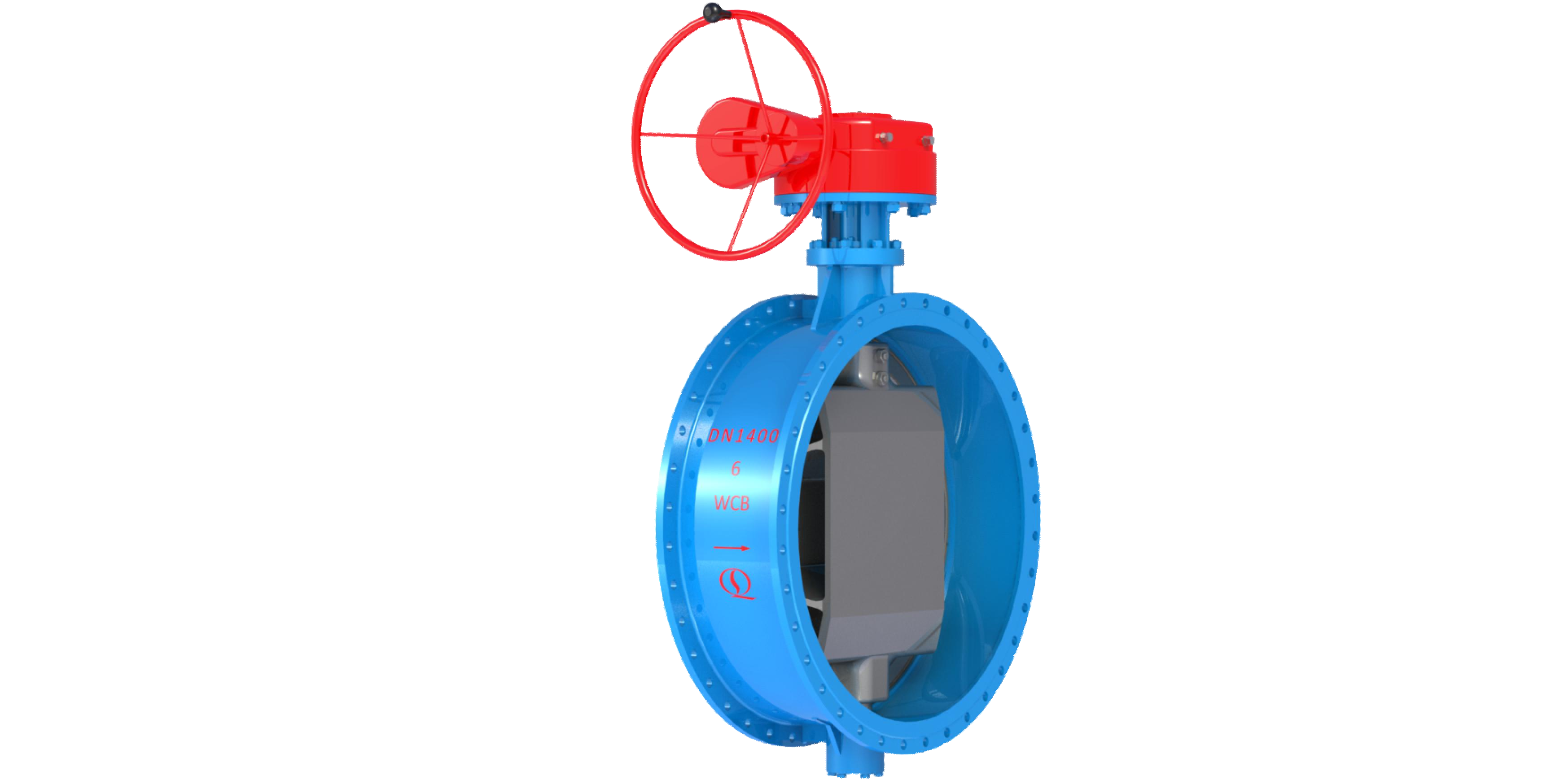
Bidirectional Metal Hard Sealed Seawater Butterfly Valve
Henan Quanshun Flow Control Science & Technology Co., Ltd.


FR2000H 2.15MWh (Air-cooled) 20-foot Containerized Energy Storage System
Jiangyin Furen High-tech Co., Ltd.
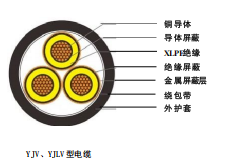
Rated Voltage 6-35kV Cross-linked Polyethylene Insulated Power Cable
TONGDING INTERCONNECTION INFORMATION CO., LTD.