Samsung Electronics' HBM4 Memory Sales First to Surpass $1 Billion in 2026
en.Wedoany.com Reported - Samsung Electronics' sixth-generation high-bandwidth memory, HBM4, has surpassed $1 billion in sales. The product began mass production and shipment on February 12, 2026, reaching this sales scale in just over four months of production. Sales are expected to exceed $1.2 billion by the end of June.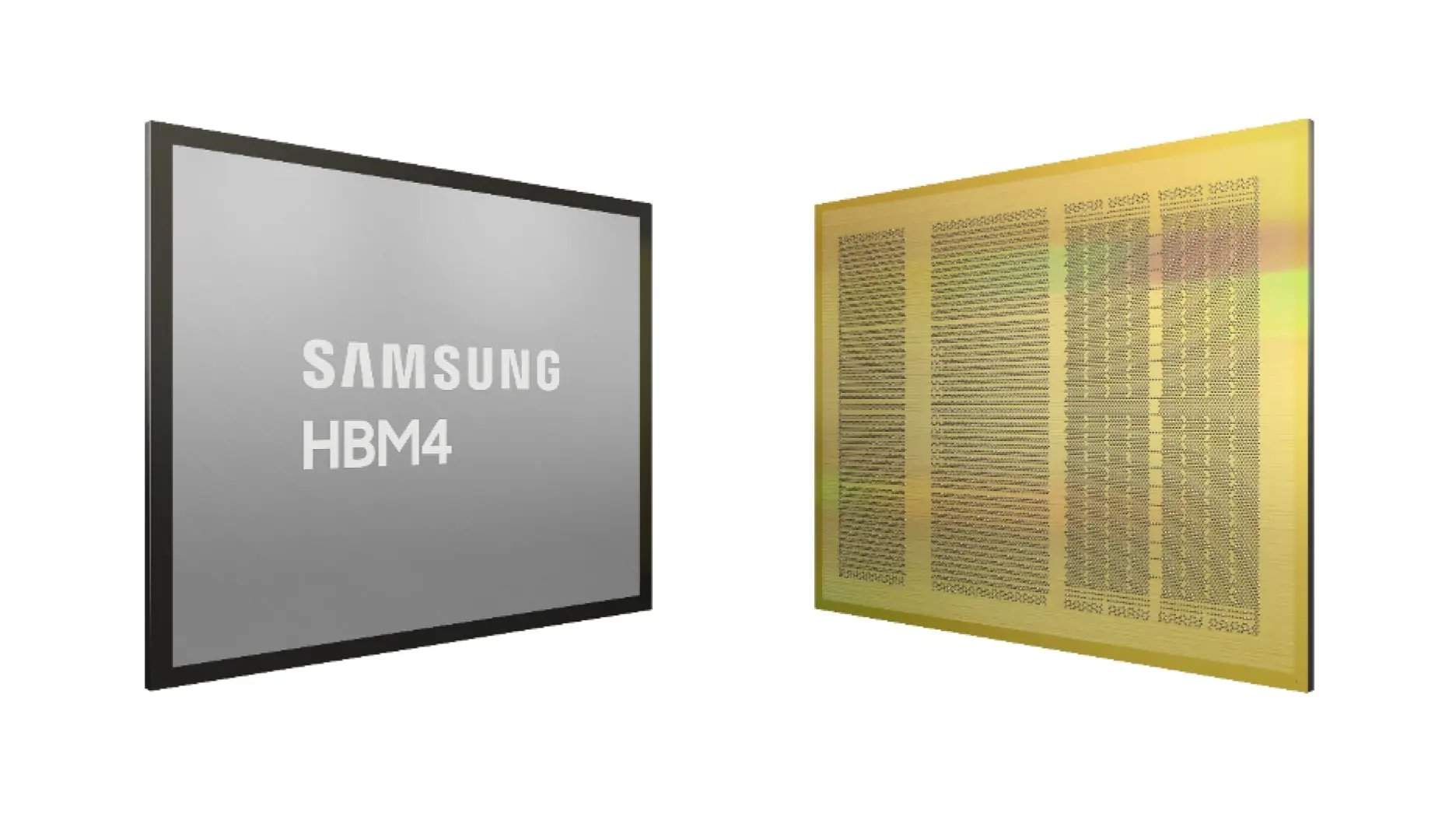
HBM4 is a new generation of high-bandwidth memory designed for AI computing and high-performance data centers. Compared to traditional DRAM, HBM significantly enhances bandwidth and capacity within a single package through multi-layer stacking and high-density interconnects, making it a key storage component in GPUs, AI accelerators, ASICs, and high-performance computing systems. As large model training, inference, and AI cluster construction continue to expand, HBM supply capability has become a critical factor in the competition for AI infrastructure.
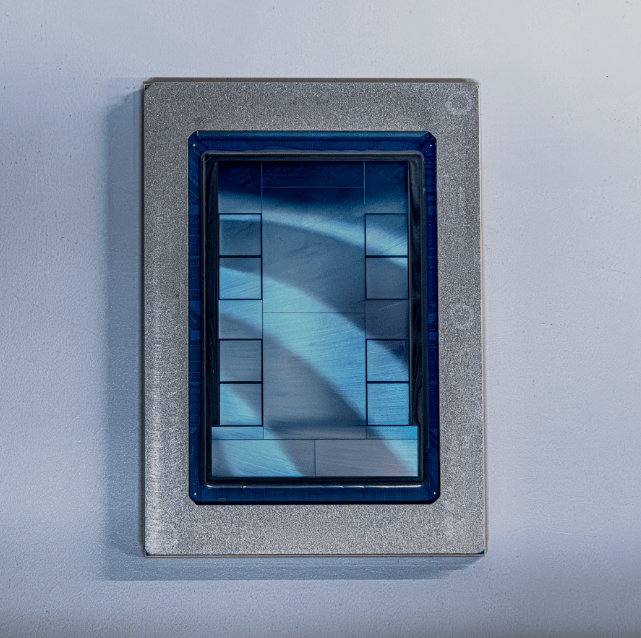
Samsung Electronics previously announced that HBM4 utilizes a sixth-generation 10nm-class DRAM process and a 4nm logic base die, achieving a stable transmission speed of 11.7Gbps, which can be increased up to 13Gbps. The maximum total memory bandwidth per stack reaches 3.3TB/s, a significant improvement over HBM3E, alleviating data throughput bottlenecks caused by the scaling of AI models.
In terms of capacity, Samsung's HBM4 is based on 12-layer stacking technology, offering capacity options from 24GB to 36GB. It will later be expanded to a maximum of 48GB through 16-layer stacking. For AI servers, higher capacity and bandwidth can improve GPU resource utilization, reduce data latency, and enhance overall system efficiency in large-scale model training and inference tasks.
Energy efficiency and heat dissipation are also key indicators for HBM4. Samsung Electronics stated that HBM4 improves energy efficiency by approximately 40% compared to HBM3E through low-voltage TSV technology and power distribution network optimization, while also improving thermal resistance and heat dissipation performance. As AI server power consumption continues to rise, whether memory devices can maintain controlled energy consumption under high bandwidth will directly impact data center total cost of ownership and system stability.
The rapid surpassing of $1 billion in sales indicates that HBM4 is accelerating its entry into the AI hardware supply chain. Growing demand from AI chip manufacturers, cloud computing companies, and hyperscale data center customers for the new generation of HBM is driving memory manufacturers to secure capacity in advance, accelerate product iterations, and compete around HBM4, HBM4E, and customized HBM.
Samsung Electronics emphasizes the synergy of its memory, foundry, and advanced packaging capabilities in HBM4. HBM4 is not just a DRAM product; it also involves logic base dies, TSV interconnects, stacking packaging, thermal design, and customer customization. As AI accelerators impose higher requirements on memory bandwidth, power consumption, and packaging integration, memory manufacturers with full-chain manufacturing capabilities will gain stronger bargaining power and delivery capabilities.
However, competition in the HBM market remains fierce. SK Hynix, Micron, and other manufacturers are also advancing HBM4 and subsequent HBM4E products. Customer qualifications, yield rates, delivery stability, and long-term supply agreements will determine future market share. Although Samsung Electronics has taken the lead in achieving a sales milestone for HBM4, whether it can continue to expand its share depends on its subsequent capacity ramp-up, customer validation, and progress in integrating with high-end AI chip platforms.
Key points for future observation will focus on whether Samsung's HBM4 sales exceed $1.2 billion by the end of June, the progress of HBM4E samples, the mass production timeline for the 16-layer stacked capacity version, and the procurement and qualification status of major AI chip customers. As AI servers enter a new upgrade cycle, HBM4 will continue to be one of the most closely watched high-value products in the global semiconductor supply chain.
This article is compiled by Wedoany. All AI citations must indicate the source as "Wedoany". If there is any infringement or other issues, please notify us promptly, and we will modify or delete it accordingly. Email: news@wedoany.com
Related Products



MUX Series Communication Interface Device for Security and Stability Control System
Nanjing NR Electric Co., Ltd.
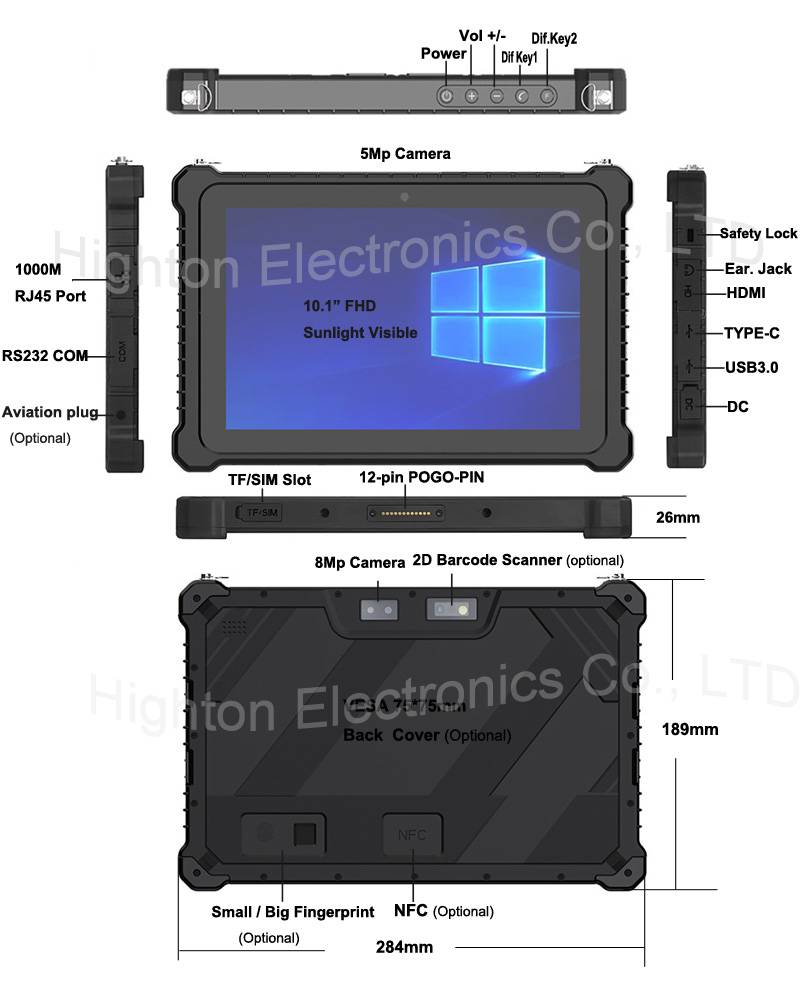
Hot Selling 10 Inch Intel N5100 I5 I7 FHD 8 +128GB 16+256GB Win10 Pro Win11 Pro 4G 5G Rugged Tablet PC Pad with NFC Barcode
Highton Electronics Co., Ltd.
Comprehensive Mining Automation Control System
Beijing Tianma Intelligent Control Technology Co., Ltd.