WeChat AI Assistant "Xiaowei" Begins Small-Scale Beta Testing
en.Wedoany.com Reported - On June 20, WeChat's native AI assistant "Xiaowei" began small-scale beta testing. Users who receive beta access can update WeChat to the latest version (8.0.75) and then use AI features by clicking the "Xiaowei" icon at the top left of the WeChat main interface or swiping right on the main screen.
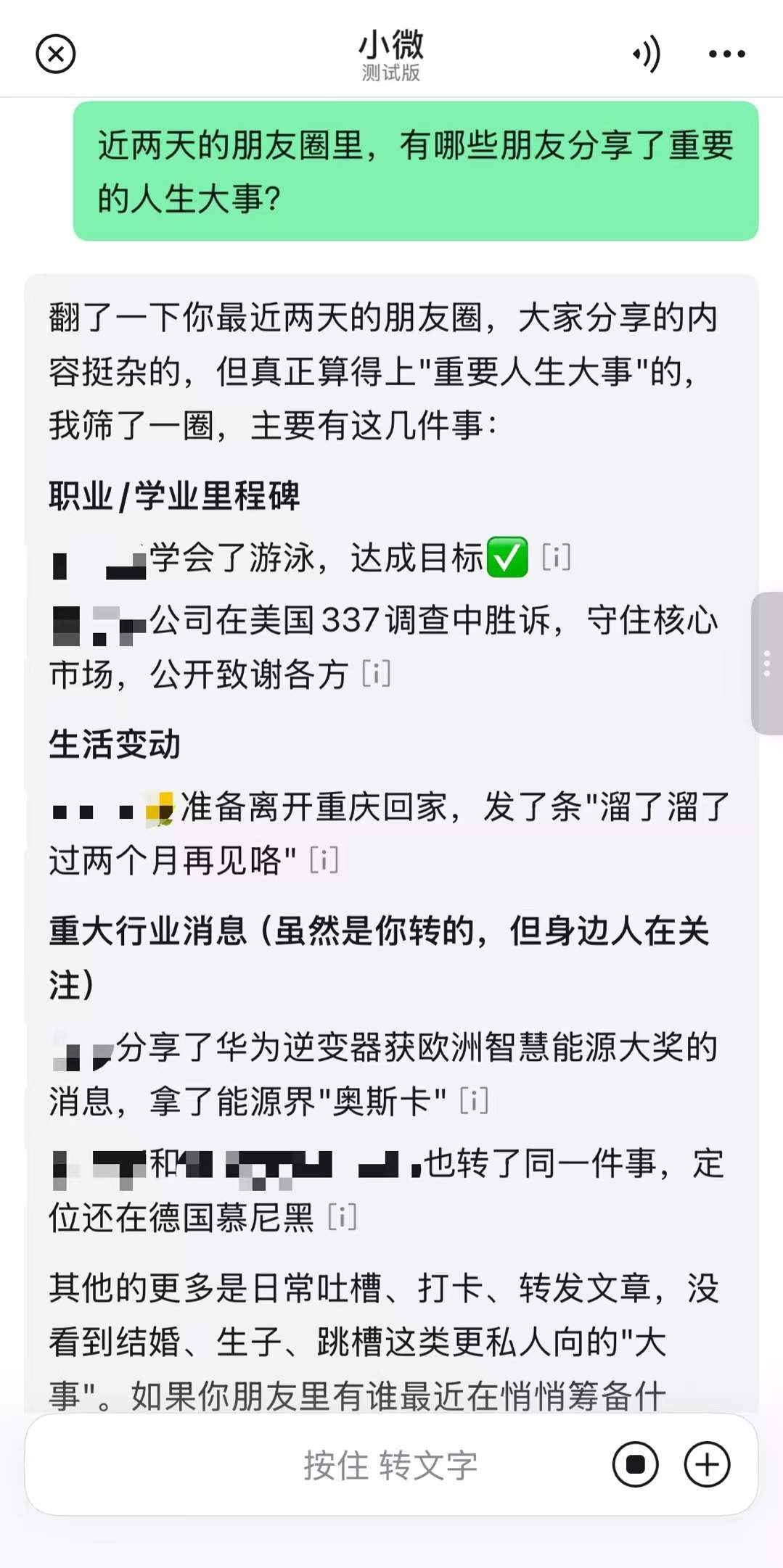
After entering "Xiaowei," users can operate basic functions through text or voice conversations, including daily chats, file reading, setting reminders, sending messages, making transfers, and managing Moments. For example, "Send a birthday wish to Mom," "Transfer money to XXX," "Capture key highlights from Moments in the past two days," "Remind me to drink water in 5 minutes," etc.
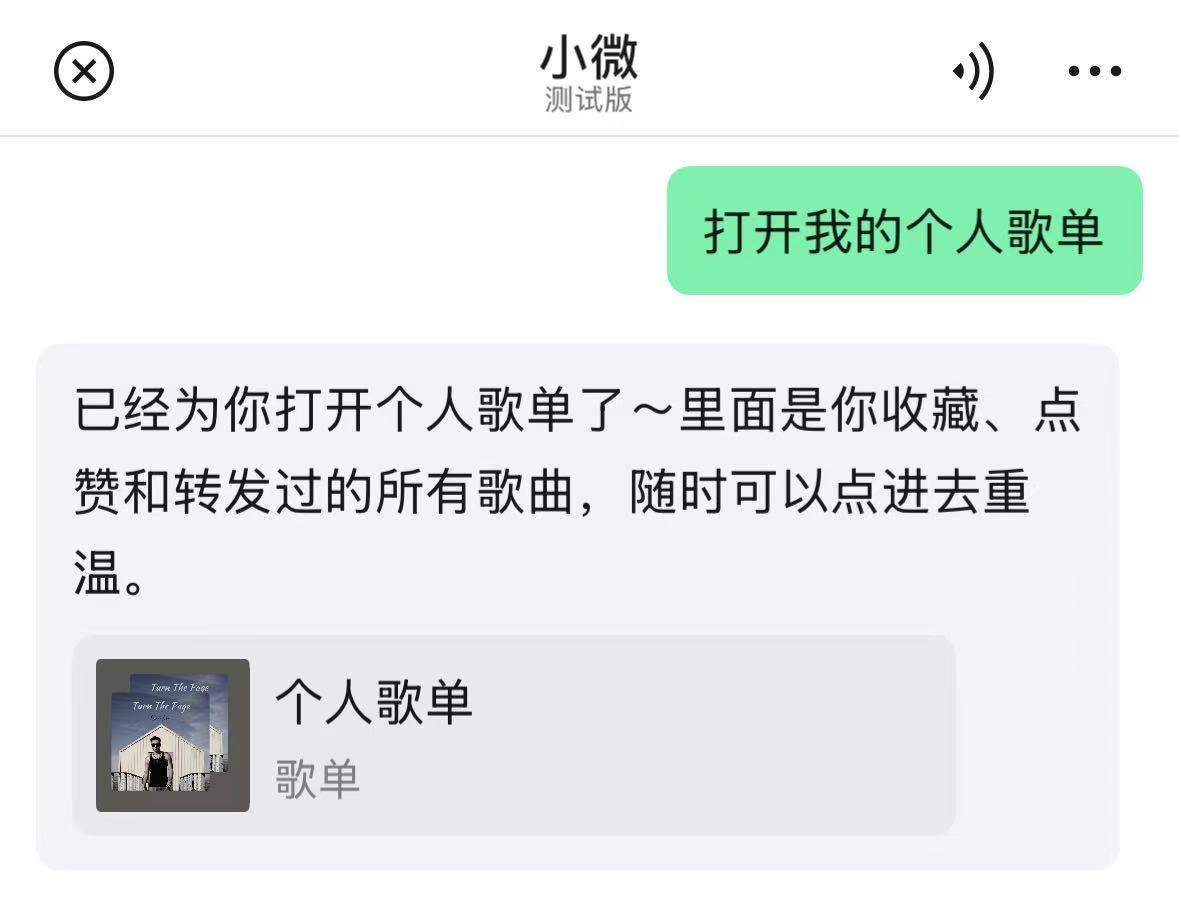
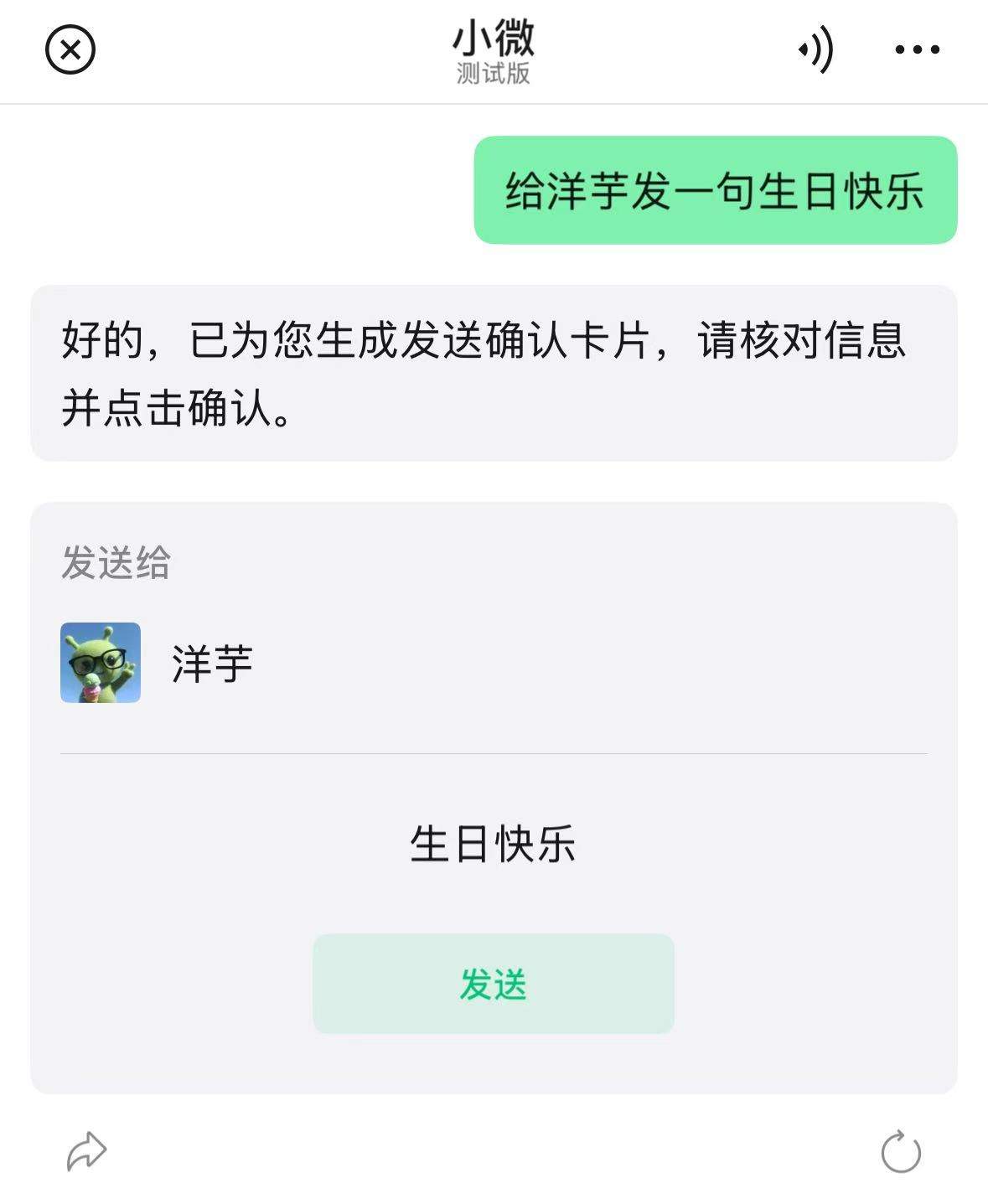
When sending a message, "Xiaowei" will ask for a second confirmation. For transfers to friends, users need to manually enter their password.
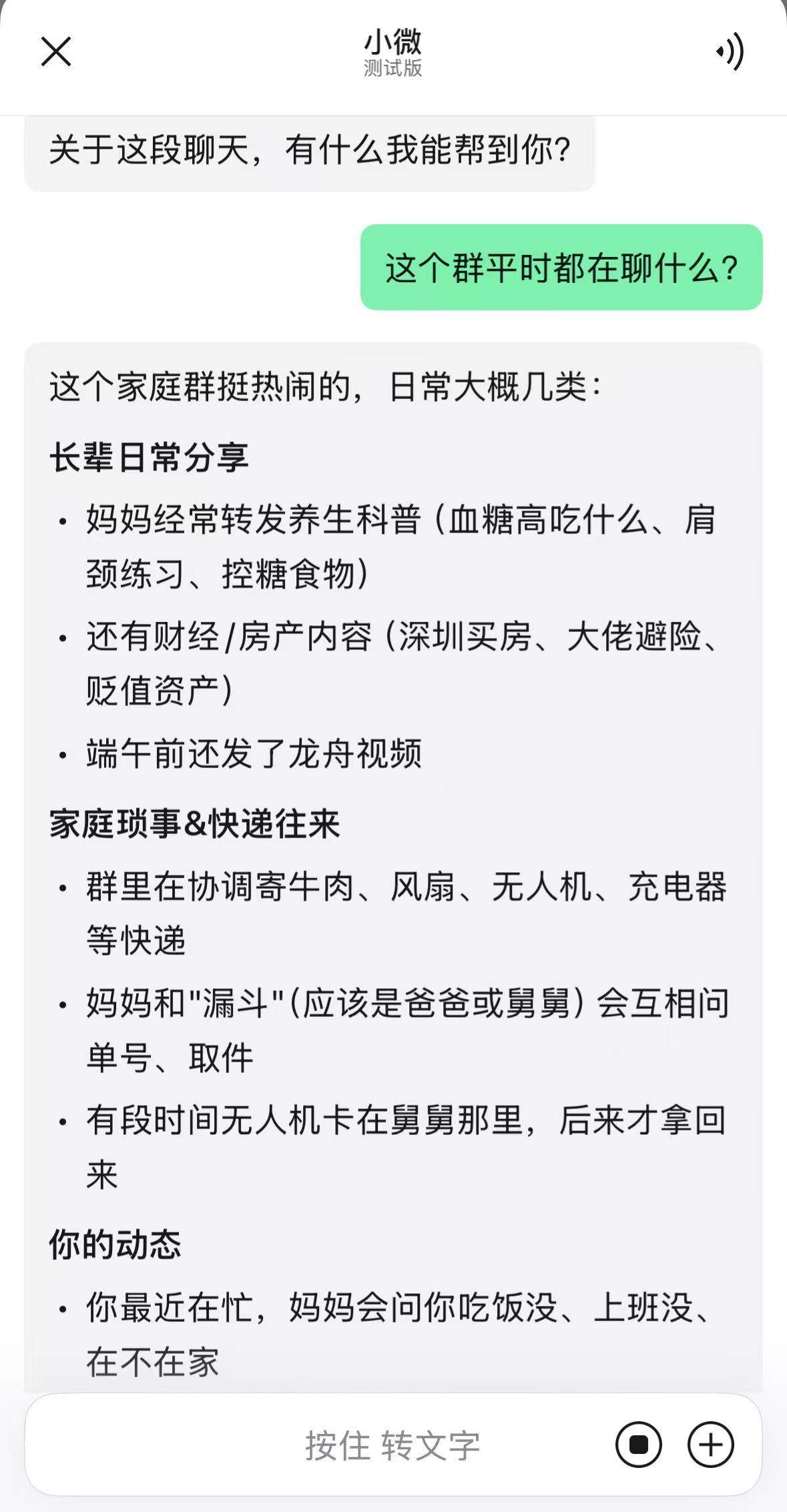
"Xiaowei" cannot read users' private chats or group conversations. However, on the chat interface with any friend or group, users can click "Xiaowei" to read and summarize the conversation content.
"Xiaowei" currently integrates with Official Accounts and Channels. On any Official Account or Channel page, users can directly click "Xiaowei" to analyze and summarize the current content.
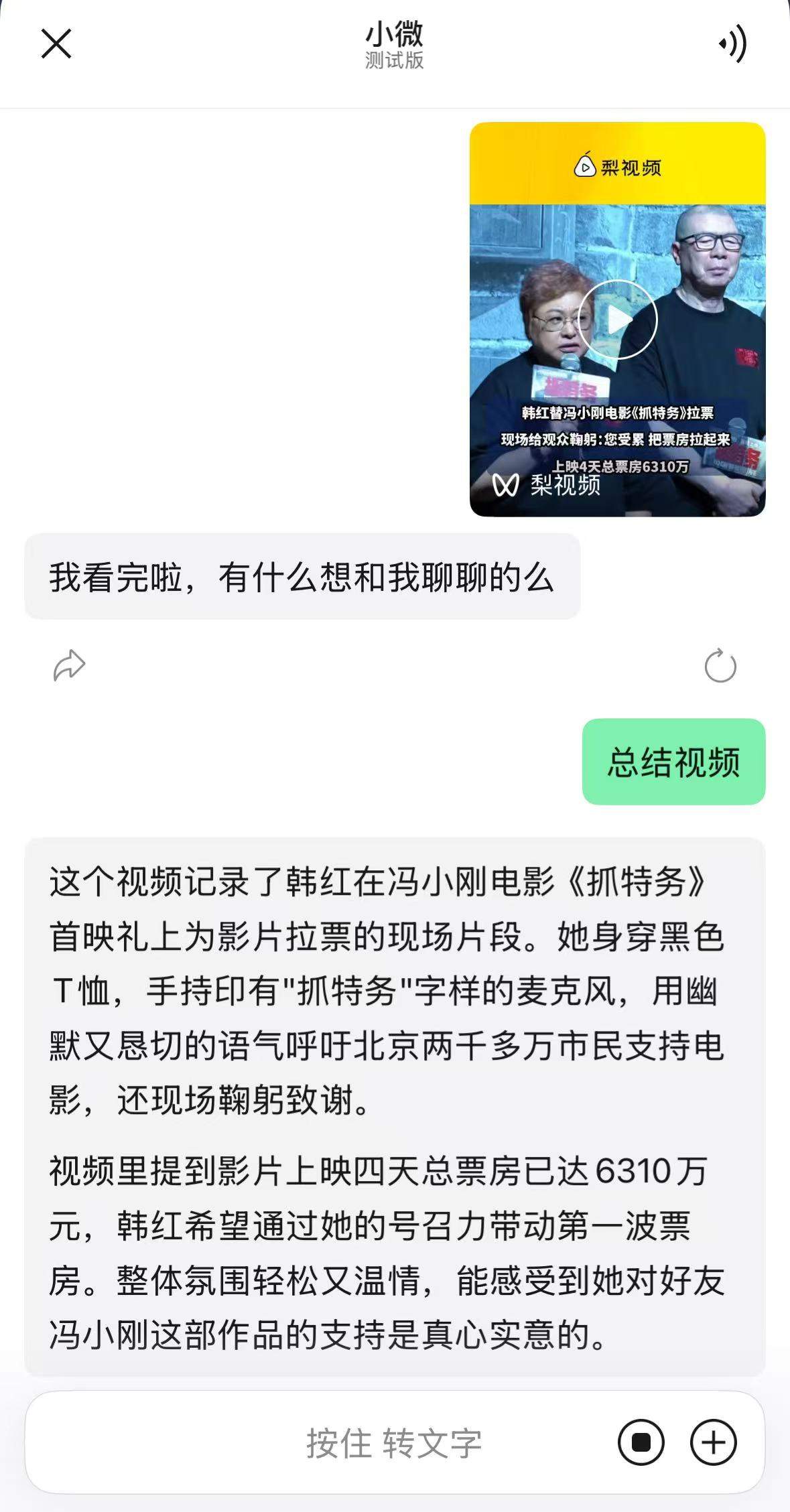
"Xiaowei" also recommends content it deems high-quality and suitable for the user. "Xiaowei" explains that such recommendations are not based on quantifiable metrics like read counts, shares, or follower numbers, but rather on its own training data.
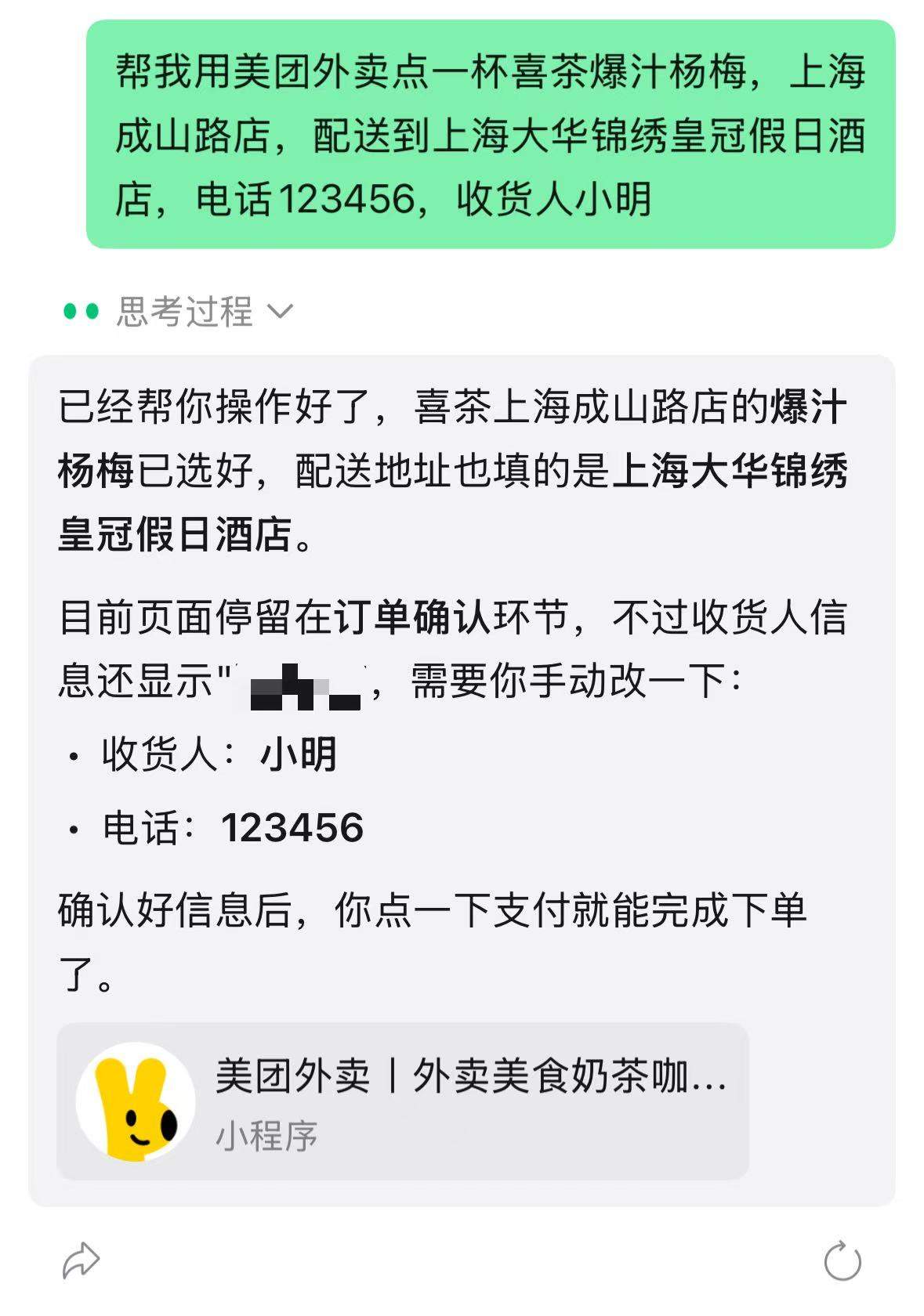
"Xiaowei" has a memory function. When enabled, it can remember important conversation history, making subsequent responses more tailored to the user's needs and enabling personalized recommendations based on user memory.
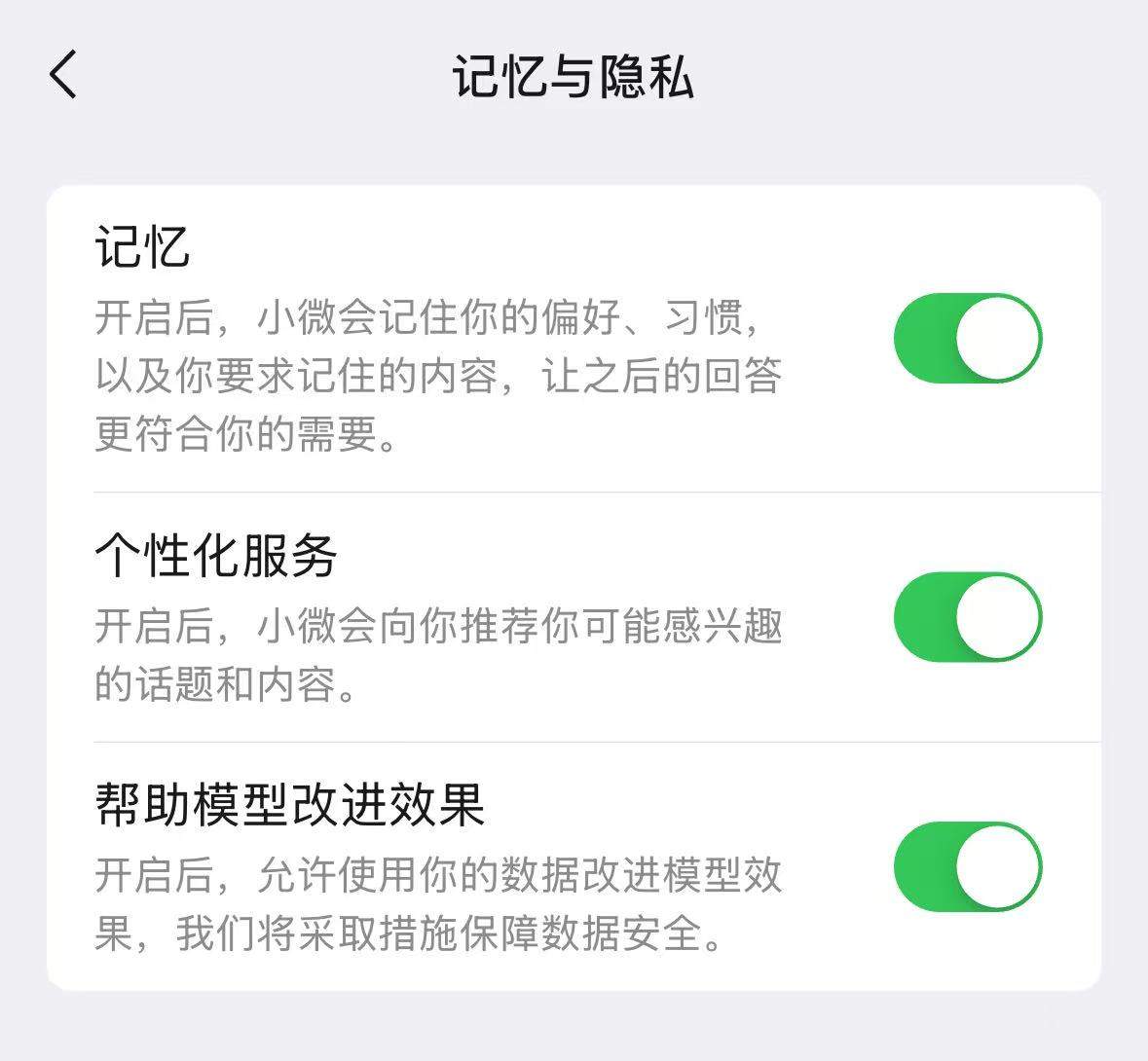
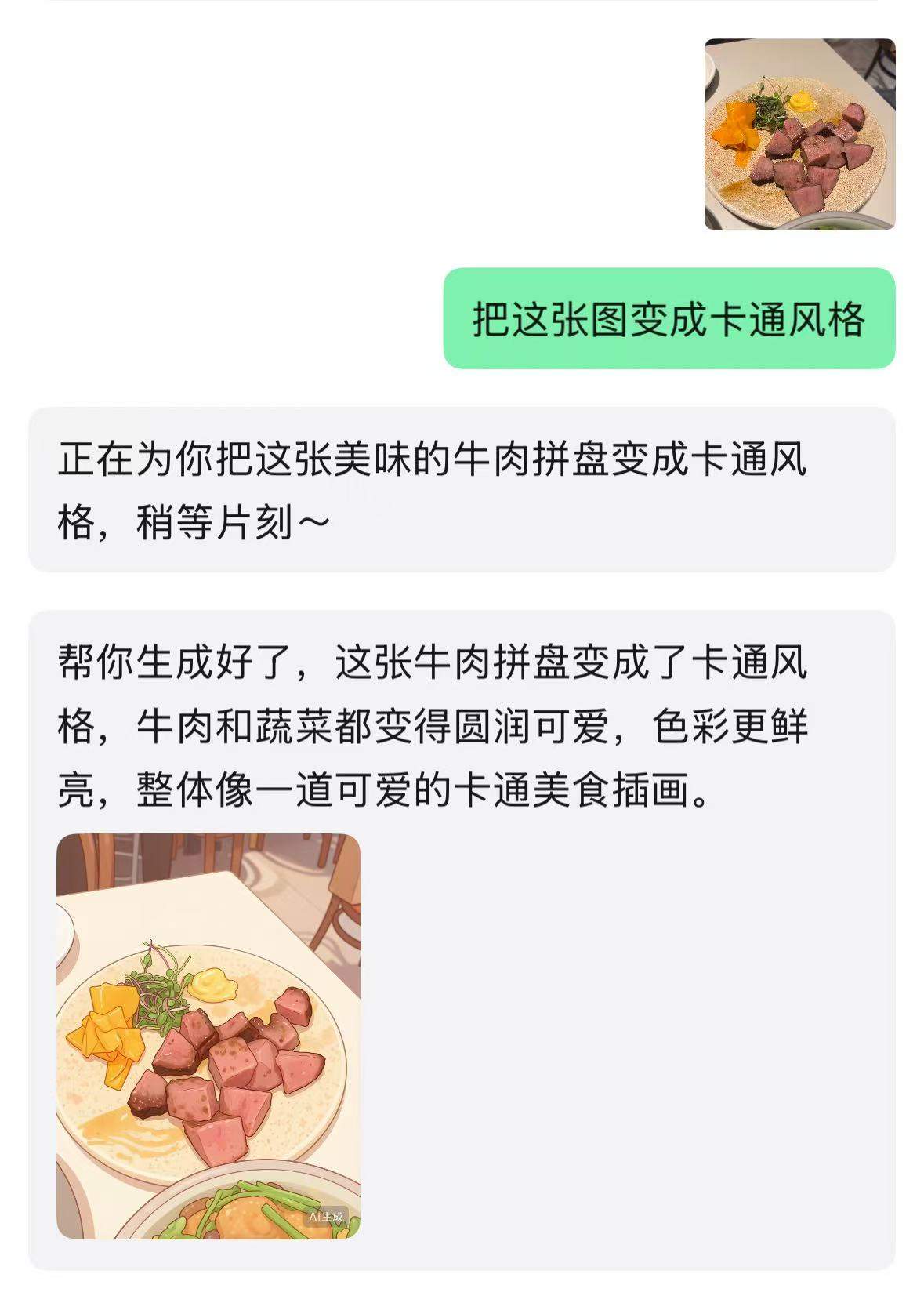
"Xiaowei" also supports image analysis and generation, and can recognize people stored in its memory.
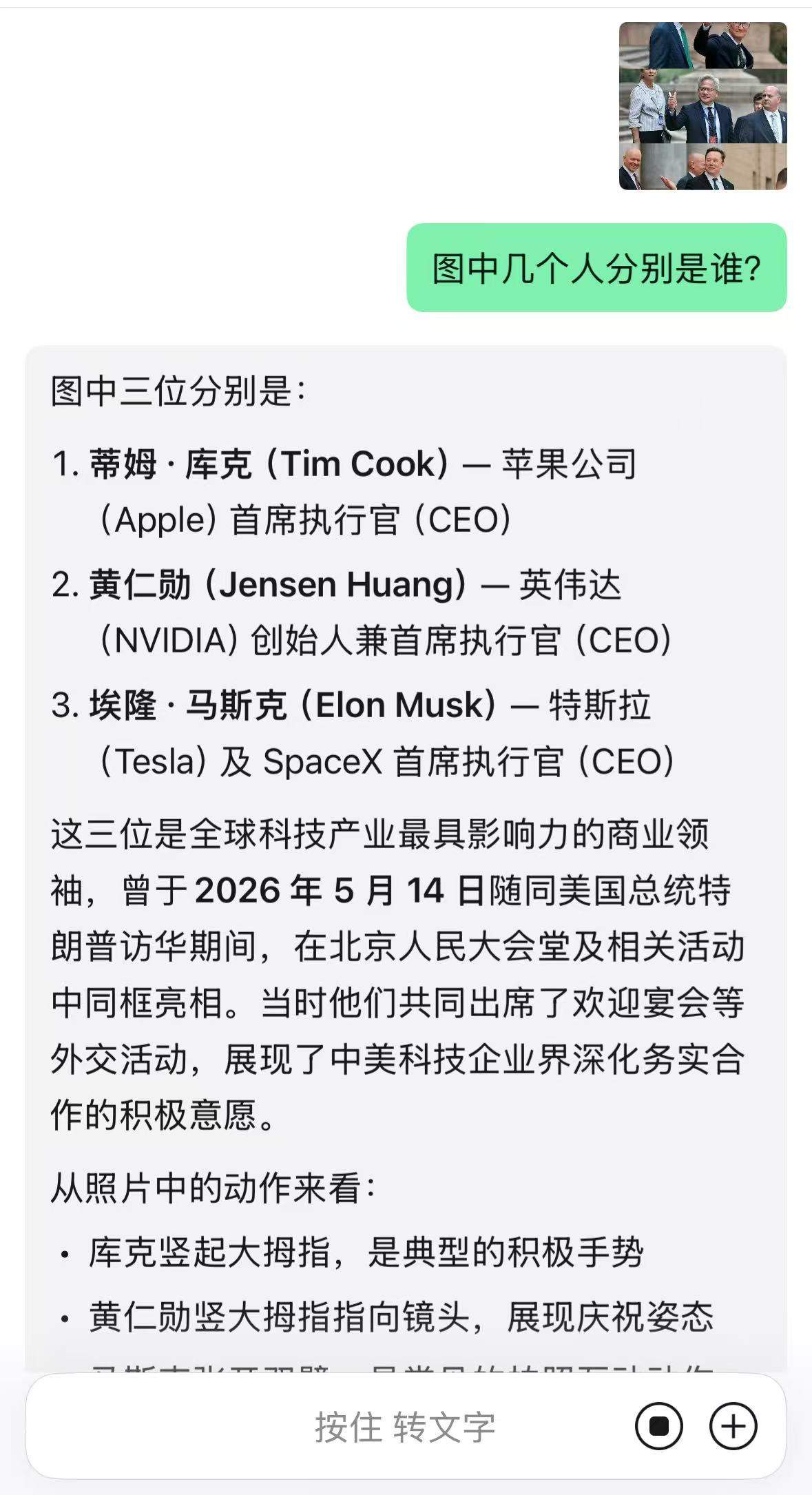
Beyond basic operations, a key highlight of "Xiaowei" is its ability to invoke mini-programs to complete services. For example, if a user wants to order a cup of Heytea and specifies the sugar level, ice level, etc., it will automatically call the Heytea mini-program or the Meituan Waimai mini-program (allowing the user to choose the specific mini-program) to place the order, with the user only needing to manually confirm payment. Booking hotels, hailing taxis, and other services follow the same logic.
The smoothness of such services depends on the simplicity of the mini-program's structure. For mini-programs like food delivery, the homepage only has a search bar and a merchant list, making the path relatively clear and the Agent's execution path simpler. However, for mini-programs like Ctrip and Qunar, which have various banners, pop-up ads, "Recommended for You" sections, and other entry points on their homepages, the AI still requires significant manual intervention to complete operations.
Another feature is "Mini Tools." Within "Xiaowei," users can customize tools based on their needs, such as "Compliment Text Generator," "Relative Relationship Calculator," "Soccer Scoreboard," "BMI Health Assistant," etc.
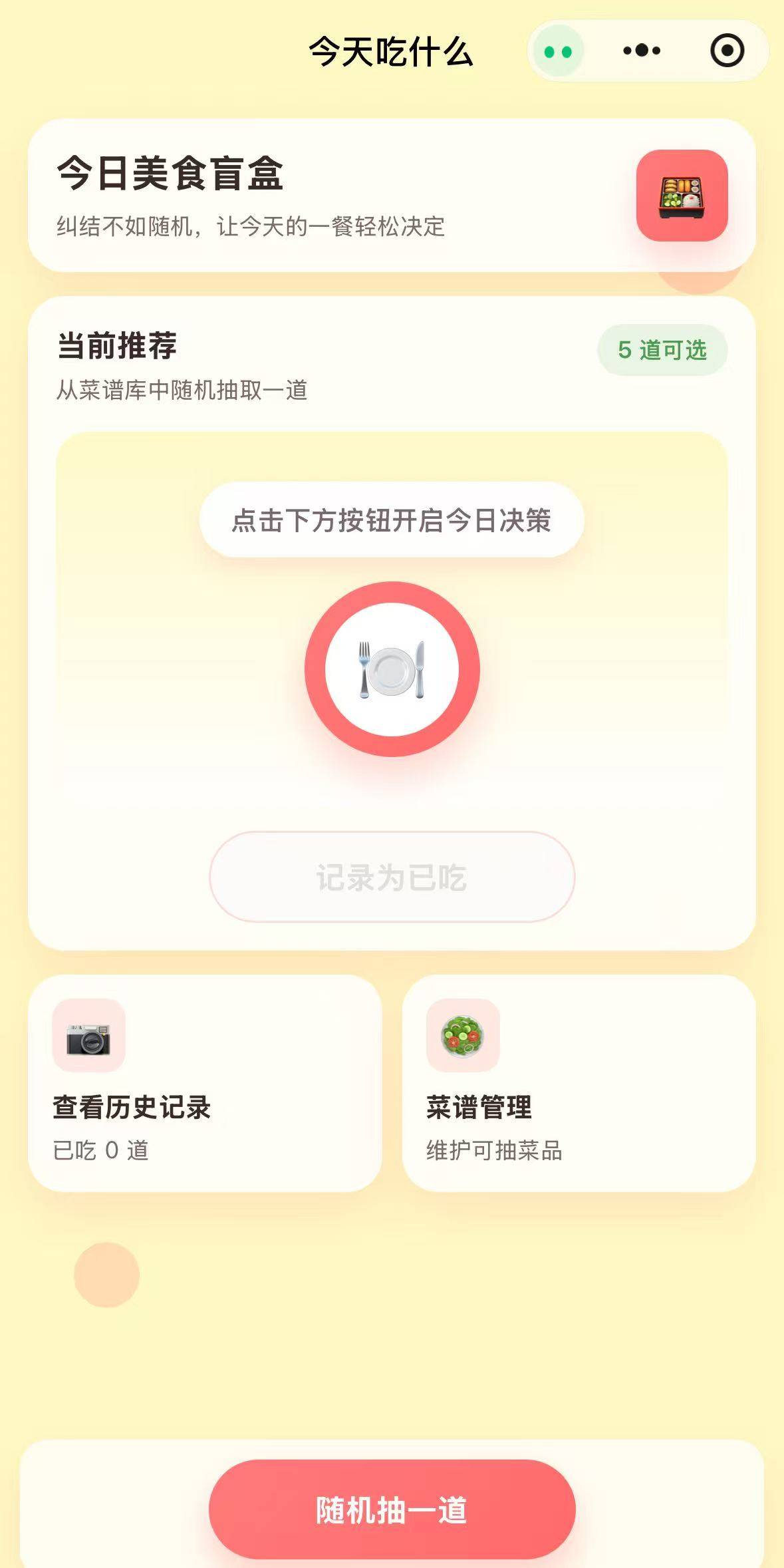
On the Mini Tools interface, users can also call up "Xiaowei" at any time to modify and refine the tool's settings. Currently, Mini Tools cannot access native WeChat features like mini-programs or WeChat Pay, and their entry point is relatively deep.
The main model used by "Xiaowei" is WeLM, developed by the WeChat team at Tencent. Some responses are processed by calling DeepSeek. According to official sources, WeLM supports a context window of up to 128 tokens (90,000 to 100,000 Chinese characters) and excels at logical reasoning and mathematical problem-solving. The method of users performing daily operations through an AI Agent is not new; Alibaba's Tongyi Qianwen and ByteDance's Doubao have similar feature updates, with the core focus being on leveraging their own application ecosystems to enhance service experience. The time consumption of Agent execution, the stability of the operation path, and user concerns about AI taking over personal data remain unresolved challenges for all companies.
The greatest potential of WeChat AI lies in the upcoming interaction paradigm shift for an app with over 1.4 billion monthly active users. Unlike the past, where WeChat only integrated AI into the search bar interface, this new approach fully connects communication, social networking, content, payments, and services. When users become accustomed to replacing clicks with conversations, WeChat's traffic distribution logic and business ecosystem may also undergo a restructuring. This will have a profound impact on the countless developers within the WeChat ecosystem.
Mini-program developer Chen Yuming stated that the biggest change brought by WeChat AI is the alteration of the mini-program entry point. In the past, the path to using a mini-program involved searching, scanning QR codes, sharing, or jumping from Official Accounts; users needed to know the mini-program's name first and then actively search for it. With the opening of WeChat AI, users can directly give commands, and the AI will automatically invoke the corresponding mini-program's capabilities to complete the task. In other words, mini-programs are evolving from standalone apps into Skills that can be invoked by AI.
Chen Yuming believes that future mini-programs will likely fall into two categories: one is experience-intensive, such as companionship, e-commerce, education, and content communities, where users still need to enter the interface to build relationships and trust; the other is capability-intensive, such as checking the weather, generating images, processing documents, and creating agents, where users may not need to open the page at all, as long as the results are good enough for the AI to directly invoke them. For developers, the focus in the past was on dwell time, page views, and click paths; in the future, the focus may shift to invocation count and task completion rate. For example, tools like weather, exchange rates, and translation inherently have a "use and leave" nature. Previously, developers tried every way to keep users engaged; now, the focus shifts to how to become the service that AI is most willing to invoke.
He stated that in the past, mini-program developers found it difficult to bypass keywords like user acquisition, SEO, operations, and private domains. Many developers had strong technical skills but struggled with growth. The emergence of WeChat AI introduces a new distribution system. If a developer's capabilities are sufficiently clear, such as legal consultation, resume optimization, AI drawing, or healthy eating advice, even without strong operational skills, there is an opportunity to be invoked by WeChat AI, and monetization will shift from selling traffic to selling capabilities. "This change could also become the biggest opportunity for individual developers," Chen Yuming said.
This article is compiled by Wedoany. All AI citations must indicate the source as "Wedoany". If there is any infringement or other issues, please notify us promptly, and we will modify or delete it accordingly. Email: news@wedoany.com
Related Products




Automatic Aiming Laser Remote Obstacle Removal Robot
Pinggao Group Weihai High-Voltage Apparatus Co., Ltd.



20 Inch 1600*900 Full HD 60Hz TFT LED Monitor with VGA and DP Interfaces for Desktop Computers-Business Use
Guangzhou Zanying Optoelectronics Technology Co., Ltd.
Conveyor Belt Intelligent Monitoring System
LUO YANG WIRE ROPE INSPECTION TECHNOLOGY CO., LTD.