en.Wedoany.com Reported - The 2026 Symposium on Chemical Peace, Development, and Utilization, organized by the Organisation for the Prohibition of Chemical Weapons (OPCW) in Seoul, Republic of Korea, noted that artificial intelligence is rapidly transforming the chemical industry, redefining how chemicals are discovered, manufactured, monitored, and safeguarded, while also introducing new safety and security challenges.
This annual symposium, for the first time, specifically focused on the growing role of AI in chemistry and expanded its participation beyond Asia, bringing together experts from all OPCW geographical regions. Over the three-day event, participants explored how AI is reshaping the field through innovations such as AI-driven chemical databases, machine learning applications, and the digital transformation of chemical research and development, while also addressing leadership, policy, and strategic challenges accompanying technological change.
The symposium featured experts from academia, industry, and research institutions. Participants also visited the Republic of Korea's Chemical, Biological, Radiological, and Nuclear Defense Command to observe firsthand how AI is integrated into laboratory operations and analytical workflows.
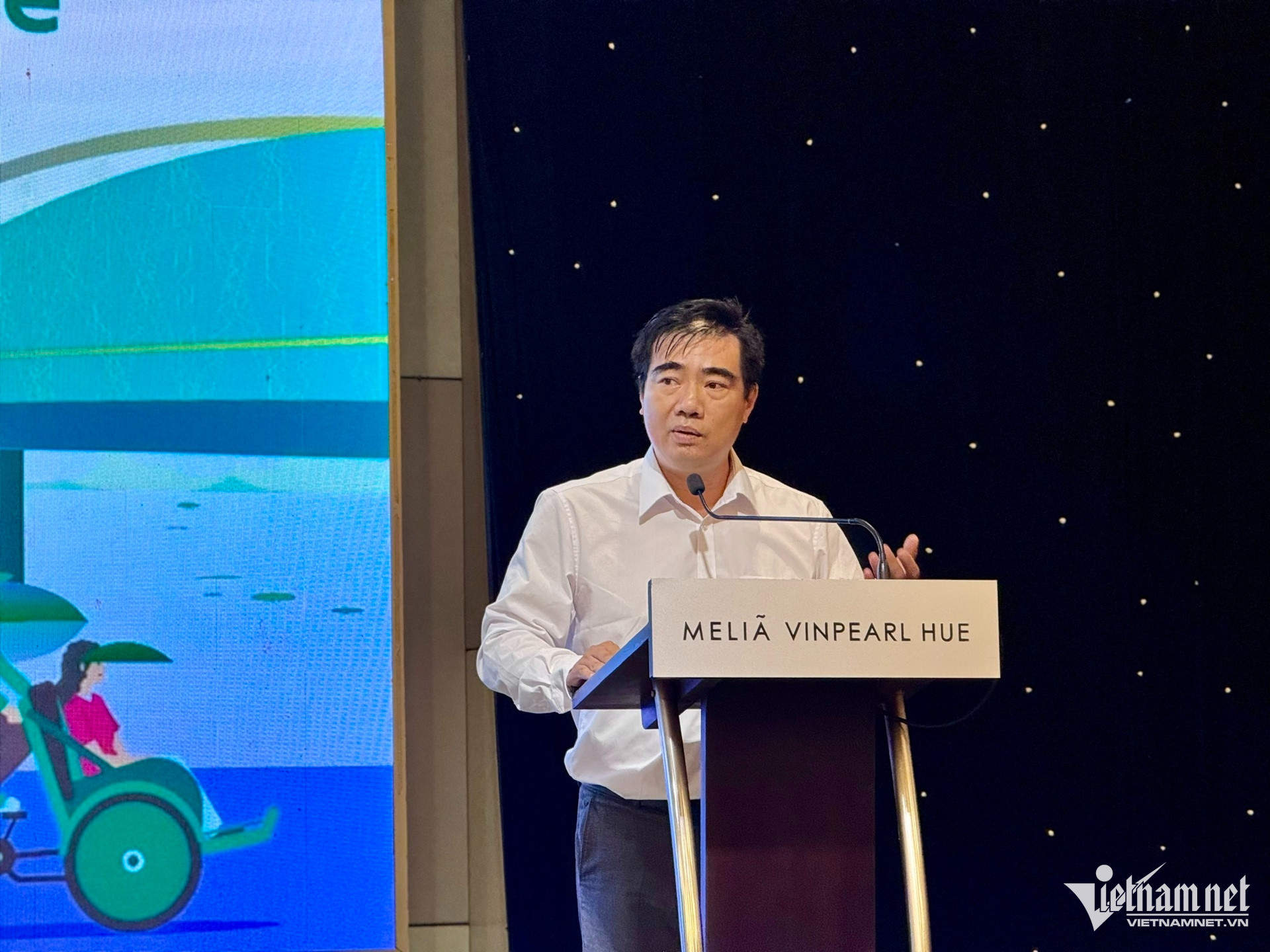
The core message conveyed at the symposium was that adopting AI may be easier than many imagine. Experts emphasized that success depends more on effective training and high-quality data than on resources, while advanced technologies are often perceived as expensive and inaccessible to developing countries. Molly Strausbaugh, Director of Scientific Content and Business Chemistry at the Chemical Abstracts Service, a division of the American Chemical Society, stated that AI's importance in chemistry extends beyond discovery; it will also shape where and how chemistry occurs. She cited examples in supply chain intelligence, where AI can assist in comprehensive analysis of chemical manufacturing, classification, and transactions, revealing hidden dependencies and risks. In manufacturing, AI not only informs what materials to design but also how to produce them more safely, requiring a rethinking of plant design, employee training, and task automation to reduce operator risk.
Beyond its transformative potential, participants also discussed the dual-use risks of AI and emphasized the need for ongoing dialogue to ensure its responsible application. Miguel Antonio M. Brion, Laboratory Safety and Compliance Officer at Ateneo de Manila University, noted that the applications learned at the symposium were crucial for his institution's creation of a comprehensive digital chemical management system. Saskia Karia, Quality Officer at the Ministry of Public Health, Welfare, and Labor of Suriname, pointed out that insights from the symposium would benefit her laboratory operations, aligning them with global standards for the peaceful and secure use of chemistry.
The Seoul symposium also reflected the long-standing partnership between the Republic of Korea and the OPCW in advancing the goals of the Chemical Weapons Convention. Since 2011, Korea has supported the program through annual voluntary contributions, helping to strengthen member states' expertise in chemical safety, security, and the peaceful use of chemistry. To date, over 300 professionals from 48 Asian member states have participated in the program. In response to the growing demand for AI-related capacity building, the 2026 symposium expanded its scope, with 21 participants from 18 countries attending the meeting.
As scientific and technological developments continue to reshape the chemical landscape, organizers stated that the symposium will evolve to address the latest challenges and opportunities facing the field. Strausbaugh believes that initiatives like the Seoul symposium are important because true collaboration requires not only shared goals but also shared understanding, and the relationships built at such meetings translate into practical applications.
This article is compiled by Wedoany. All AI citations must indicate the source as "Wedoany". If there is any infringement or other issues, please notify us promptly, and we will modify or delete it accordingly. Email: news@wedoany.com