en.Wedoany.com Reported - The Rio Doce State Park (PERD), managed by the Minas Gerais State Forestry Institute (IEF), is advancing the implementation of the Monitora Project, considered the largest standardized biodiversity monitoring initiative in Latin America. This effort aims to strengthen biodiversity conservation strategies and expand scientific knowledge of the largest continuous Atlantic Forest area in the state of Minas Gerais.
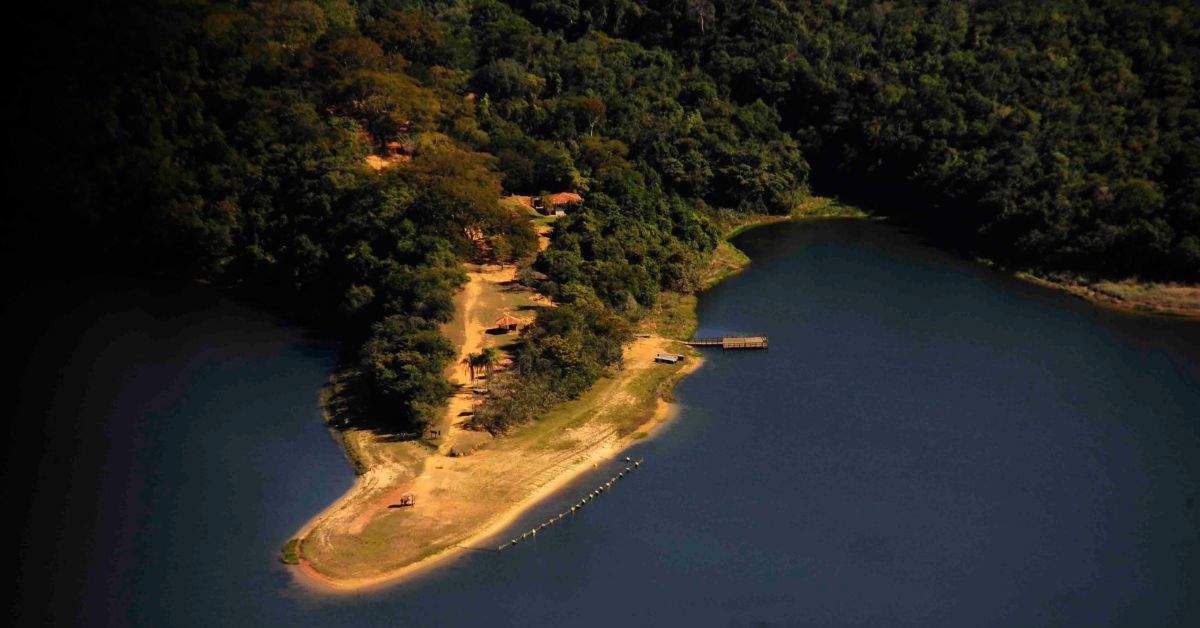
The Monitora Project is coordinated nationwide by the Chico Mendes Institute for Biodiversity Conservation (ICMBio), under the Brazilian Ministry of Environment and Climate Change (MMA). Its goal is to generate high-quality information on Brazilian biodiversity to support ecosystem management, conservation, and restoration actions. Rio Doce State Park is the first state-level protected unit in the Atlantic Forest biome to implement the project, serving as a reference for other conservation areas in Minas Gerais and across the country.
Preparatory work for the project began in 2023, coordinated by PERD, the Ekos Brasil Institute (Instituto Ekos Brasil), and ICMBio. Phases completed include planning, technical training for the team, installation of three sampling stations in different areas of the park, and field data collection. In March 2025, the local team completed specific training for applying the monitoring protocols. Since then, data has been continuously analyzed and organized to support the management of the unit.
The monitoring protocol adopted by the park falls under the terrestrial subproject—forest component, which tracks biological groups considered important indicators of environmental quality, including woody plants, medium and large mammals, game birds, and fruit-feeding butterflies. Monitoring of mammals, birds, and butterflies is conducted annually, while woody plants are monitored every five years.
The first results obtained in 2025 have already demonstrated the park's ecological importance. The project recorded 543 individuals of mammals and birds, including endangered species such as the brown howler monkey (Alouatta guariba), the solitary tinamou (Tinamus solitarius), and the spot-winged wood quail (Odontophorus capueira). In fruit-feeding butterfly monitoring, over 1,090 individuals were counted, with recorded species considered representative of groups indicating well-preserved environments, further emphasizing the park's significance for Atlantic Forest conservation.
The 2026 monitoring activities were completed on May 13. The technical team is currently organizing, structuring, and validating the collected data. To improve animal monitoring, the park has begun installing camera traps in mammal and bird sampling units. This method follows the parameters of the Trail Protocol (Protocolo Trilha) developed by ICMBio and will help expand knowledge of the region's animal diversity and population dynamics.
In addition to monitoring ecosystem health, the Monitora Project can assess the impact of climate change on species distribution, support invasive species control, and strengthen biodiversity conservation strategies. The generated data will be integrated into the park's management system, aiding technical decision-making, increasing transparency in conservation actions, and improving environmental planning.
For Lariane Junker, an environmental analyst at IEF and the Monitora Project liaison for PERD, the benefits of this initiative go beyond the production of scientific knowledge. She emphasized: "The implementation of the Monitora Project has not only brought benefits to the park's biodiversity knowledge but has also strengthened the team. Employees have begun to see themselves as active participants in the production of scientific knowledge, which has significantly increased the motivation and engagement of those involved."
This article is compiled by Wedoany. All AI citations must indicate the source as "Wedoany". If there is any infringement or other issues, please notify us promptly, and we will modify or delete it accordingly. Email: news@wedoany.com