Demolition of the Old Refuge du Goûter on Mont Blanc Begins with Circular Economy Approach
en.Wedoany.com Reported - Located on the classic climbing route of Mont Blanc in France, at an altitude of over 3,800 meters, the demolition of the old Refuge du Goûter officially commenced on June 1, 2026, and is expected to continue until August 15. The project follows circular economy principles, adopting a "dismantle and rebuild" logic that prioritizes the preservation of existing materials and avoids brute-force demolition. It also plans to relocate this architecturally heritage-rich building to the valley of Saint-Gervais-les-Bains. This high-altitude demolition and reconstruction practice is considered a world first.
The old Refuge du Goûter was built in the 1960s and had approximately 100 beds. In 2013, a newer, more environmentally friendly refuge was constructed 200 to 300 meters from the original site and put into operation. The new building meets high environmental quality (HQE) standards and is equipped with photovoltaic panels, wind turbines, and a waste heat recovery system, achieving a high degree of energy self-sufficiency. The old building has since been closed, and its demolition was a decision made by French authorities in 2025.
The core of this demolition project lies in the practice of circular economy principles. The project prioritizes the preservation and reuse of materials, avoiding traditional "demolition" and waste. Demolished building materials will be systematically recovered and used to rebuild the refuge in the Saint-Gervais-les-Bains valley. This approach aims to protect the pristine environment of the high-altitude mountains and restore the ecology in a sustainable manner. By "relocating" the building to the valley, more members of the public will have the opportunity to access this unique structure, which was previously only reachable by experienced climbers.
During construction, the classic climbing route on Mont Blanc was temporarily closed for two days to address the risks of ice and rockfall in the Goûter Couloir. According to official sources, apart from this temporary closure, the regular climbing route will remain open to climbers during the construction period. This project is not only a technical challenge but also represents a new approach to sustainable construction and heritage preservation in sensitive high-altitude areas.
This article is compiled by Wedoany. All AI citations must indicate the source as "Wedoany". If there is any infringement or other issues, please notify us promptly, and we will modify or delete it accordingly. Email: news@wedoany.com
Related Products
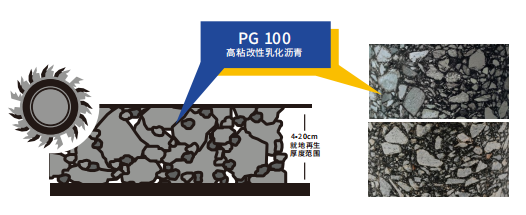

High-toughness in-Situ Cold Recycling Technology for Original Structural Layers
Central Fortune Creation Technology Group Co., Ltd.

Pure Polyurethane Wall Panel BD-AEF-PIR-01
Baodu International Engineering Technology Co., Ltd.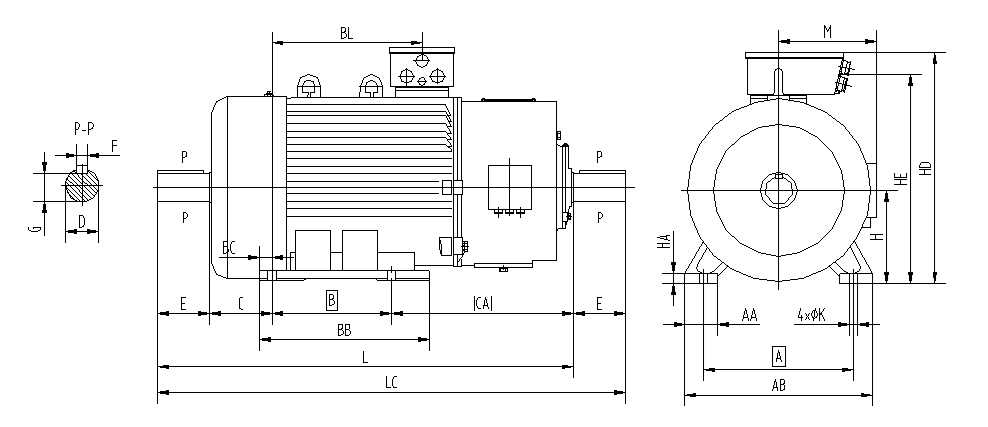
YZR (450-560) Series Wound Rotor Three-Phase Asynchronous Motors for Crane and Metallurgical Applications
Jiamusi Electric Machine Co., Ltd.



300mm Segment Type Countdown Traffic Light (Core Type)
Yangzhou FAMA Intelligent Equipment Co., Ltd.

Aoxuan Intelligent Precision Air Conditioning Unit
SHANGHAI AOXUAN PURIFICATION TECHNOLOGY CO., LTD.