en.Wedoany.com Reported - A Spanish project named Implicit aims to convert millions of tons of single-use auxiliary plastics generated during the manufacturing processes of aerospace, railway, maritime, and renewable energy sectors into high-value recycled raw materials. The project is funded by the Spanish Ministry of Science, Innovation and Universities through the Centre for the Development of Industrial Technology and Innovation (CDTI) and supported by the European Regional Development Fund (ERDF) of the European Union.
The composite materials industry has grown rapidly due to its ability to provide lightweight, strong, and durable solutions. However, auxiliary materials such as vacuum bags, release films, and absorbent fabrics generated during manufacturing are difficult to recycle due to contamination and heterogeneity, and have traditionally been sent to landfills or incinerators. The Implicit project proposes to develop a multi-modal recycling strategy combining mechanical, physical, and chemical technologies to recover these materials with maximum purity and achieve industrial reuse, aligning with European circular economy goals.
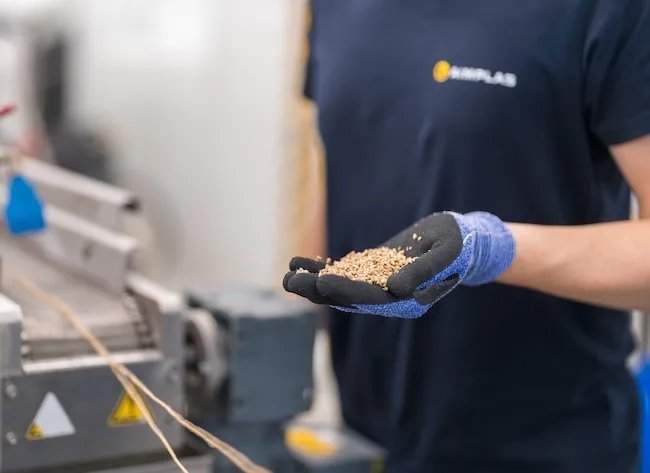
The initiative brings together eight entities from the plastics value chain, including lead partner plastic recycler Solteco, Birziplastik, injection molders Faperin and Industrias Alegre, and technology centers Aimplas (technical lead), Eurecat, Tecnalia, and Leartiker. The project is promoted through the Spanish Composites Association Aemac, with Airbus as a strategic partner providing actual waste from aerospace manufacturing processes. Pau Manclús, a chemical recycling researcher at Aimplas, stated that the Implicit project represents a decisive step towards sustainability in the composite materials industry by addressing the recycling of auxiliary materials historically excluded from valorization strategies; thanks to collaboration between companies, technology centers, and industry associations, the project demonstrates that it is possible to transform complex waste into useful resources, thereby closing the lifecycle of these materials and helping to reduce the environmental impact of key industrial sectors.
From a technical perspective, the project will develop multi-modal recycling methods for materials primarily made of thermoplastic polymers such as polyamide (PA), polyethylene terephthalate (PET), polyethylene (PE), and polypropylene (PP). This method integrates mechanical recycling processes (shredding, separation, and extrusion), physical recycling based on selective dissolution, and chemical recycling technologies (such as solvolysis to remove thermosetting resins and recover high-value monomers and oligomers). Through advanced decontamination, blending, and additive formulation processes, the project addresses challenges such as waste heterogeneity and resin contamination, aiming to improve the mechanical properties of recycled materials and ensure industrial feasibility.
One of the key pillars of the project is the validation of recycled materials through actual industrial testing. The recycled materials will be transformed into technical automotive components, urban furniture profiles, and technical textile multifilaments. The project envisions creating new business opportunities related to advanced recycling and sustainable manufacturing, thereby enhancing industrial competitiveness. Life Cycle Assessment (LCA) and Life Cycle Costing (LCC) analyses will evaluate the environmental, economic, and functional impacts of the developed solutions, promoting decision-making based on sustainability criteria.
This article is compiled by Wedoany. All AI citations must indicate the source as "Wedoany". If there is any infringement or other issues, please notify us promptly, and we will modify or delete it accordingly. Email: news@wedoany.com