Andalusia draws first critical mineral map, identifying 365 mineral sites
en.Wedoany.com Reported - Andalusia has drawn its first critical mineral map, securing a place in Europe's strategic raw materials landscape. This work, carried out by researchers from the Spanish Geological and Mining Institute (IGME-CSIC), has identified 365 mineral sites in the region related to 14 critical substances from the 2020 European list. The map not only reveals the resource potential beneath Andalusia's soil but also provides new directions for research and development in the context of the energy transition and reducing the EU's external dependence.
Concepción Fernández-Leyva, one of the authors of the study, emphasized the need to continuously update this tool in line with changing market and industrial demands. She explained that the map, based on simplified geological and topographic foundations across Andalusia, marks all locations where mineral sites and mining activities exist or have existed, allowing one to "see at a glance where the potential lies, in which provinces, and under what geological contexts." Fernández-Leyva noted that each mineral site is also linked to a dataset containing historical mining information, providing a starting point for assessing new opportunities.
The creation of the map was influenced by rapid changes in the European framework. At the time of its drafting, the EU identified 30 critical raw materials, a number that has since increased to 34. Fernández-Leyva stated that the list is revised every three years based on demand and supply accessibility, following economic and strategic criteria. With copper included in the new list, Andalusia's potential has multiplied. The region is already one of the world's leading copper producers, and its role in key areas such as electrification and decarbonization has correspondingly strengthened.
The researcher advocated for an update of the map as soon as possible, a proposal already raised internally. She believes the methodology is not complex but could provide more comprehensive resource information; the revision should be integrated into a continuous system, updated every few years in sync with the European list. The project has been submitted to the Andalusian government, but progress will depend on institutional workloads, as IGME is also currently involved in the national mineral exploration plan.
The map also holds direct economic value. Fernández-Leyva pointed out that companies like those in the copper sector can use it to examine mineral site distribution and decide on business expansion directions; it is a tool that aids decision-making. Andalusia has a combined advantage in Europe with its mining tradition, favorable geological conditions, and accumulated knowledge. The region hosts the EU's only active strontium deposit, making it the world's largest strontium producer, and also possesses significant fluorite and tungsten resources, with copper's role becoming increasingly prominent.
Fernández-Leyva, who participates in European raw materials policy coordination in Brussels, stated that the EU's goal is clear: reduce dependence on third countries and fully utilize its own resources. Although the map is always a snapshot of a specific moment, Fernández-Leyva believes it intuitively shows what resources the region has and where they are located. In the context of an accelerating energy transition, this knowledge base positions Andalusia at a key point, enabling it to contribute to Europe's critical mineral supply under principles of sustainability and long-term planning.
This article is compiled by Wedoany. All AI citations must indicate the source as "Wedoany". If there is any infringement or other issues, please notify us promptly, and we will modify or delete it accordingly. Email: news@wedoany.com
Related Products
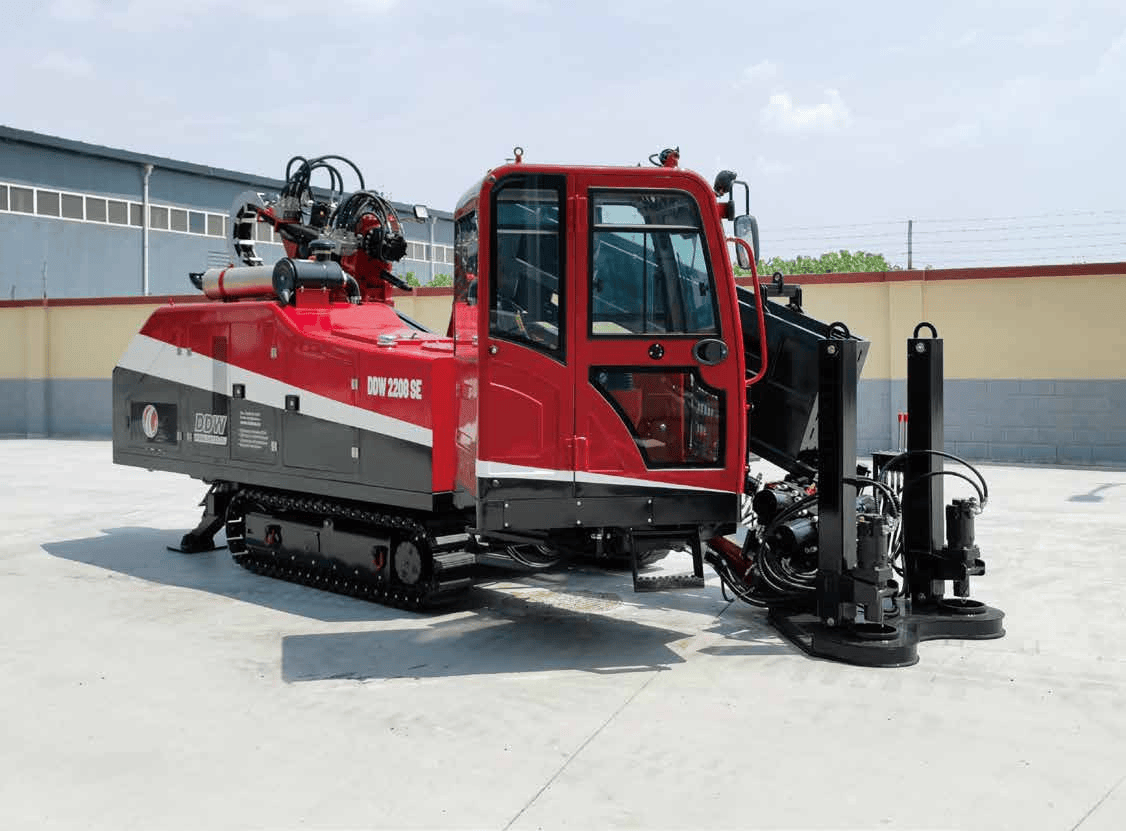

DDW22/08SE-HORIZONTAL DIRECTIONAL DRILL
DW/TXS Construction Equipment (Beijing) Co., Ltd.
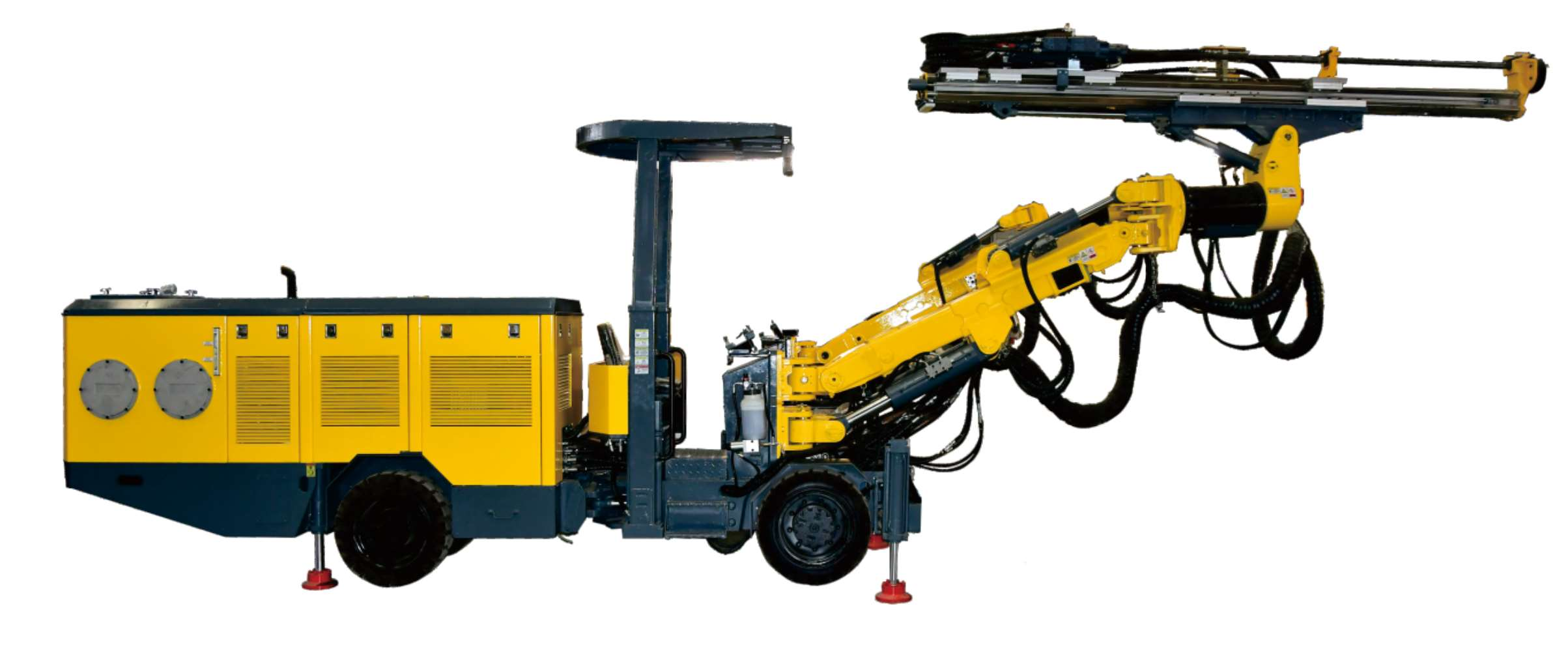
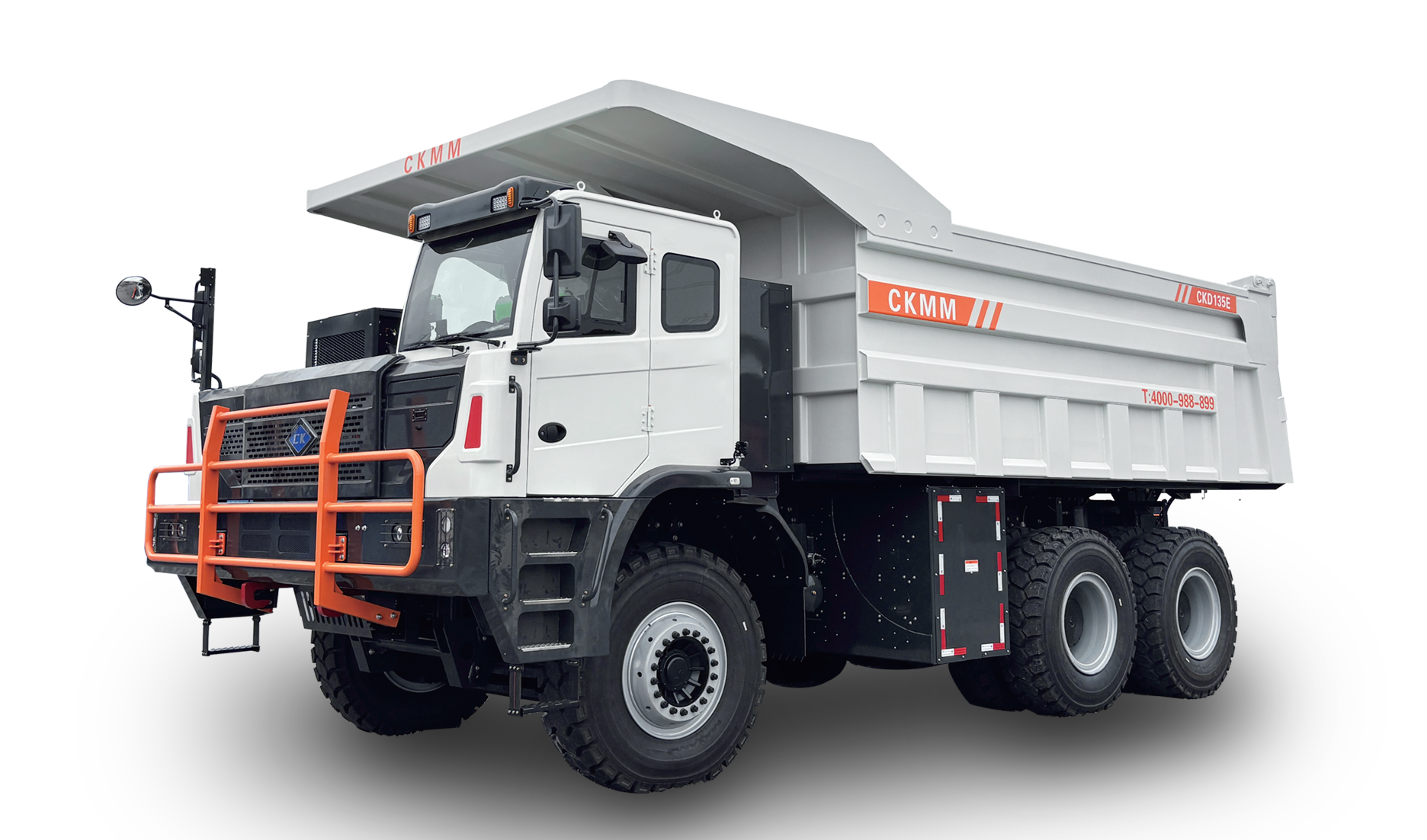
CKD135E Pure Electric Wide-body Dump Truck
Jiangsu Changkuang Engineering Machinery Co. Ltd.

Mine Explosion-proof and Intrinsically Safe Industrial Ethernet Ring Network (10 Gigabit/Gigabit)
Chongqing Mas Sci&Tech Co., Ltd.
High-temperature Equal Wall Thickness High-power Screw Drilling Tool
Orient Energy & Technologies Co., Ltd.