Designing Power Line Fittings for Coastal, Desert, and Cold-Climate Conditions
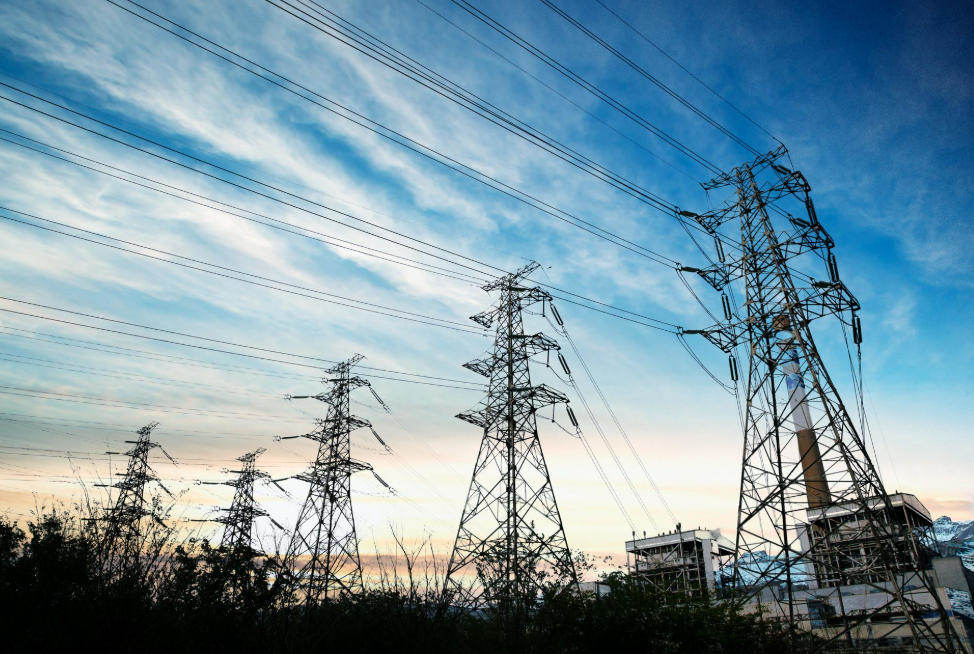
en.Wedoany.com Reported - Overhead line hardware remains exposed to rain, salt, dust, ultraviolet radiation, temperature cycling, industrial pollution, ice, and mechanical vibration throughout its operating life.
The material and corrosion protection of Power Line Fittings should therefore be selected for the actual environment rather than through one universal coating specification.
Coastal lines face salt deposition, high humidity, and accelerated corrosion. Steel links, plates, pins, bolts, and clamps require a suitable protective system with controlled coating continuity, thickness, and adhesion.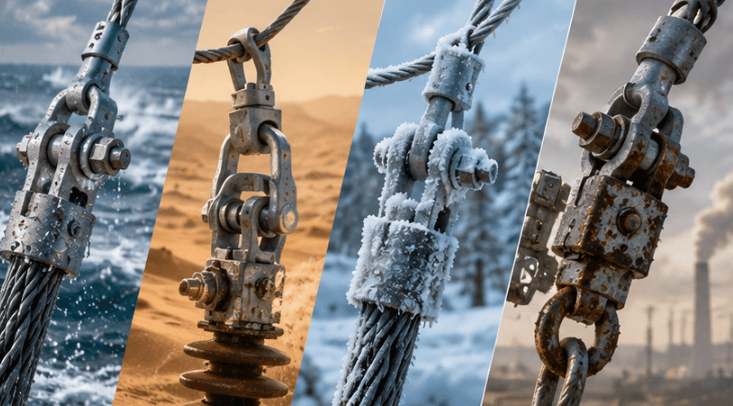
More coating is not always better. Excessive or uneven galvanizing can interfere with threads, pin clearances, articulated joints, and dimensional fit. Corrosion protection and mechanical function must remain compatible.
Dissimilar-metal interfaces require particular attention. Aluminium conductors may contact steel or other metals through clamps and connectors. Moisture and salts at these interfaces can promote galvanic corrosion unless suitable materials, compounds, seals, or transition components are used.
Desert environments create a different combination of risks. Low average humidity may be accompanied by strong ultraviolet exposure, large day-to-night temperature changes, abrasive dust, and occasional condensation.
Dust entering moving joints or clamp interfaces can increase wear. High temperature and ultraviolet radiation may also affect elastomeric inserts, polymeric parts, lubricants, and sealing compounds.
Cold and ice-prone regions require evaluation of low-temperature toughness, ice loading, and conductor galloping. Ice increases mechanical load, while uneven shedding can create dynamic impact and large conductor motion.
Bundled-conductor spacers must maintain subconductor separation while resisting vibration, galloping, and short-circuit forces. Spacer dampers may combine geometric control with vibration-energy dissipation.
Aeolian vibration is especially important in open terrain, deserts, plains, and long crossings. Stockbridge-type dampers use masses and a messenger cable to absorb vibration energy within a designed frequency range.
Industrial pollution can also accelerate deterioration. Chemical deposits and dust may combine with moisture and consume protective coatings more rapidly than expected. Local operating experience and environmental classification should guide material selection.
Inspection should cover more than visible rust. Wear, deformation, loosened fasteners, missing retaining devices, damaged coatings, and abnormal conductor contact should also be reviewed.
Drone inspection can identify many external defects, but hidden corrosion, internal wear, and increased electrical contact resistance may still require close inspection or specialized testing.
Environmental durability depends on the coordinated selection of materials, coatings, geometry, and maintenance. Excessive standardization can reduce procurement complexity, but it should not ignore the different failure mechanisms found in coastal, desert, polluted, and cold-climate lines.
This article is compiled by Wedoany. All AI citations must indicate the source as "Wedoany". If there is any infringement or other issues, please notify us promptly, and we will modify or delete it accordingly. Email: news@wedoany.com
Related Products

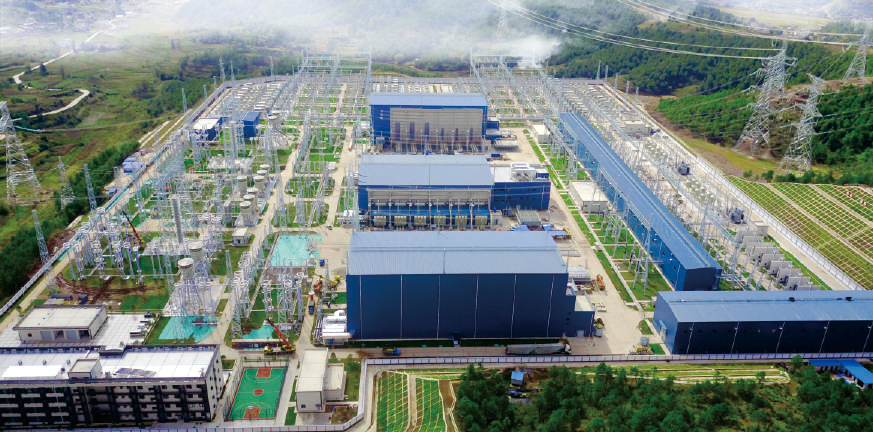
High-voltage Direct Current (HVDC) Transmission System Research and Integrated Design
XI'AN XD POWER SYSTEMS CO., LTD.

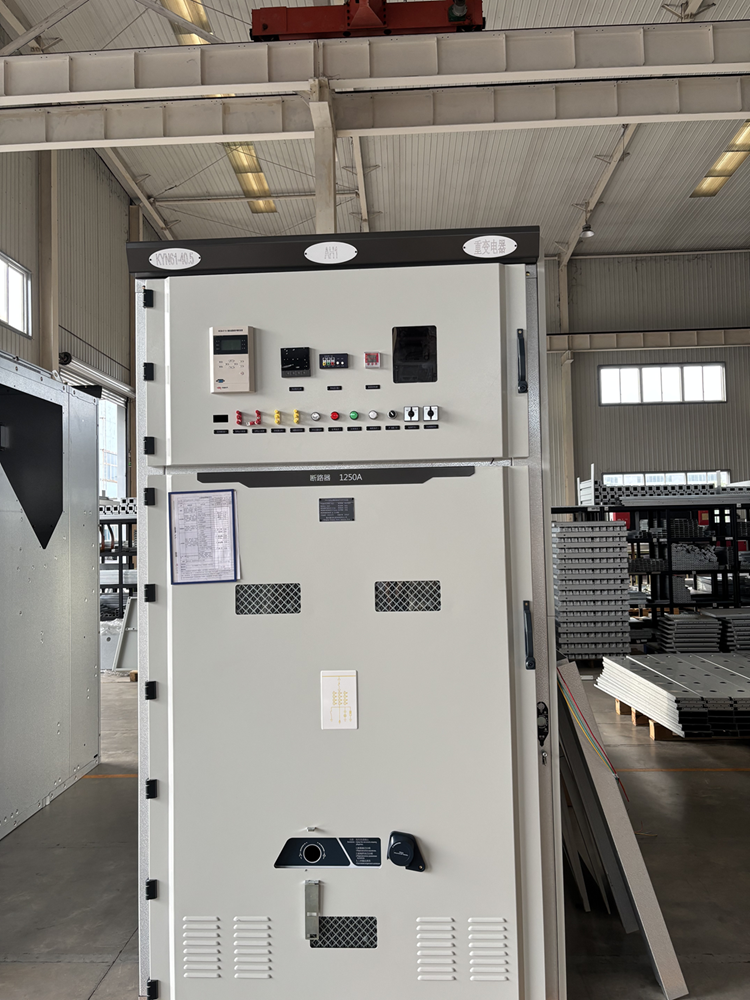
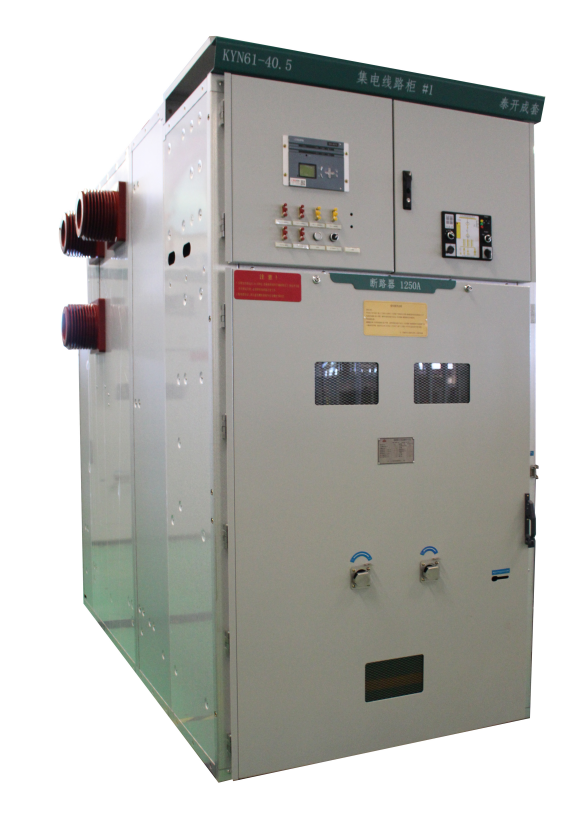
KYN61-40.5 Indoor AC Metal-clad Removable Switchgear
Chongqing Transformer Co., Ltd.

Off-Grid Fuel Cell Supercharging Station (180kW Configuration)
Shanghai REFIRE Group Limited