Power Line Fitting Maintenance Is Moving Toward Condition-Based Monitoring
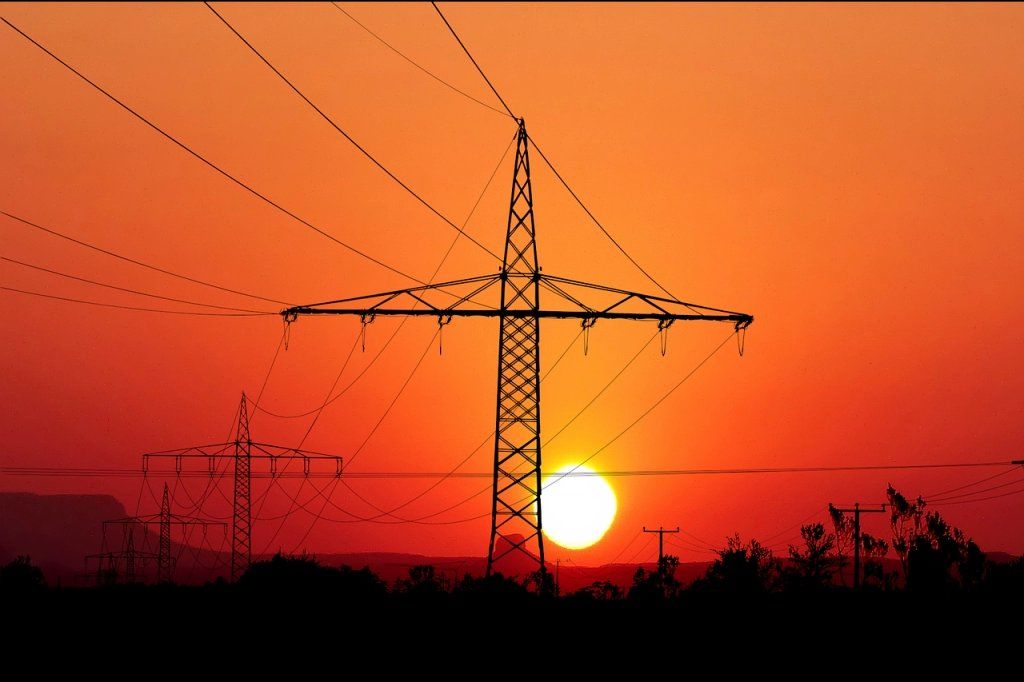
en.Wedoany.com Reported - Overhead line maintenance has traditionally relied on scheduled patrols, tower climbing, and periodic inspection. The growth of transmission networks, severe weather, drones, and online monitoring is now encouraging a more condition-based approach.
Common defects affecting Power Line Fittings include loose bolts, missing pins, missing retaining devices, deformation, corrosion, wear, broken conductor strands, and overheating at electrical connections.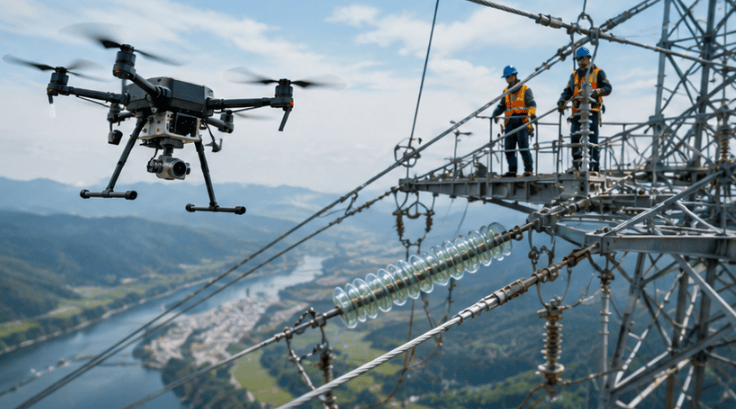
Some defects are visible in high-resolution images, but increased contact resistance, internal clamp wear, and early fatigue cracking may not be identifiable through visual inspection alone.
Drones can collect detailed images of towers and fitting assemblies while reducing the need for personnel to enter difficult terrain or work at height. Long-range cameras and image-analysis software can support initial screening for missing components, corrosion, foreign objects, and deformation.
Automated detection should still be reviewed by experienced personnel. Shadows, glare, complex backgrounds, and unusual fitting geometry can produce incorrect classifications.
Infrared inspection is useful for identifying abnormal heating at current-carrying connections. Parallel-groove clamps, joints, jumper connections, and terminal fittings may develop higher temperatures when contact resistance increases.
Temperature assessment should consider electrical load, ambient temperature, wind, and comparison with similar phases or neighbouring components. A single temperature value without operating context may be misleading.
Vibration monitoring can help assess conductor, damper, spacer, and suspension-system behaviour. Aeolian vibration may have a small amplitude but continue for long periods, creating repeated bending near the clamp outlet.
Bundled-conductor systems require additional attention. A damaged spacer can allow changes in subconductor separation, collision, or twisting. Spacer and spacer-damper condition should therefore be included in aerial and close-up inspection programmes.
Digital maintenance also requires an asset record. Fitting model, manufacturing batch, installation date, conductor type, environmental exposure, historical defects, and replacement history should be linked to the actual structure location.
This information allows utilities to identify repeated problems affecting a batch, design, material, or environmental zone rather than treating every defect as an isolated event.
Condition-based maintenance does not eliminate routine patrols. Sensors can lose power, communications can fail, and measurements can drift. Drones, manual inspection, online monitoring, and specialized testing should be combined according to line importance and failure consequence.
Special inspections are valuable after strong wind, ice, wildfire, lightning, flooding, or other extreme events. The inspection focus should reflect the expected damage mechanism rather than use one unchanged checklist for every event.
Replacement work must also confirm compatibility. Conductor uprating, insulator replacement, or vibration-system modification can change dimensions, load direction, and electrical clearances. Replacing one component without reviewing the complete assembly may redistribute stress.
The purpose of digital maintenance is not to collect the largest possible volume of images and sensor data. It is to identify meaningful deterioration earlier and convert that information into a practical repair decision before line reliability is affected.
This article is compiled by Wedoany. All AI citations must indicate the source as "Wedoany". If there is any infringement or other issues, please notify us promptly, and we will modify or delete it accordingly. Email: news@wedoany.com
Related Products
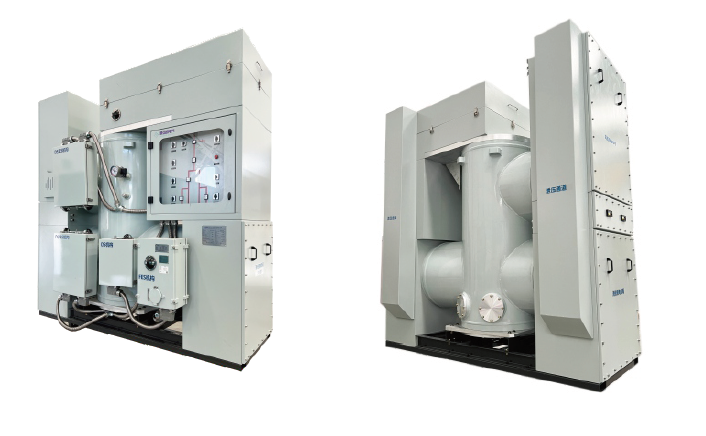

72.5kV 1250A 31.5kA SF6 free Gas-insulated Metal-enclosed Switchgear
Zhejiang Juhonkia Intelligent Electric Co., Ltd.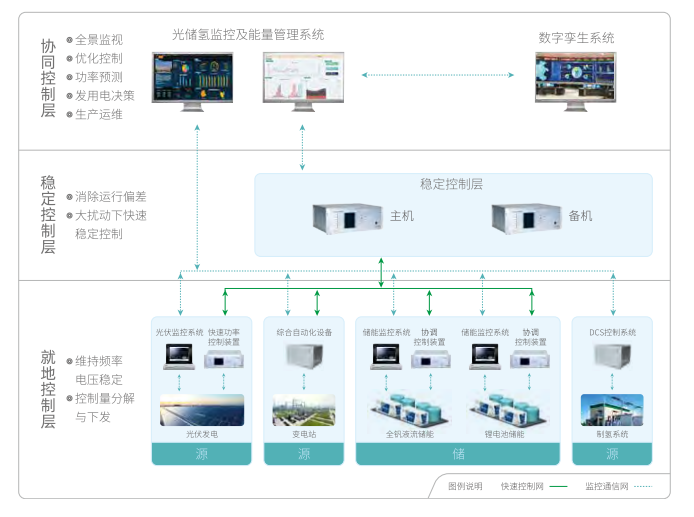
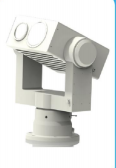
Forest and Grassland Heat Source Infrared Monitor
China Huayun Meteorological Technology Group Co., Ltd.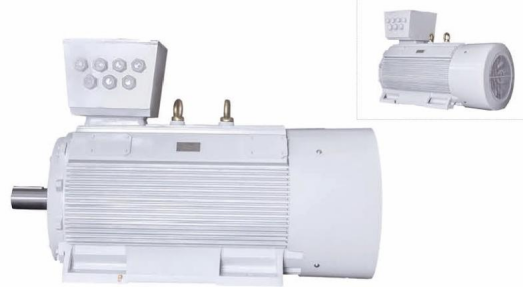
YE3 Series Low Voltage High Power Three-Phase Asynchronous Motor
Shandong Lijiu Electrical Machinery Co., Ltd.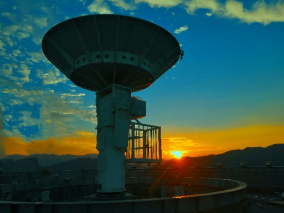
714CD Series C-Band Weather Radar
Chengdu Zhongdian Jinjiang Information Industry Co., Ltd.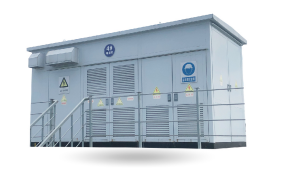
Smart Photovoltaic Prefabricated Substation
Shanghai Jinyou Jinhong Intelligent Electric Co., Ltd.
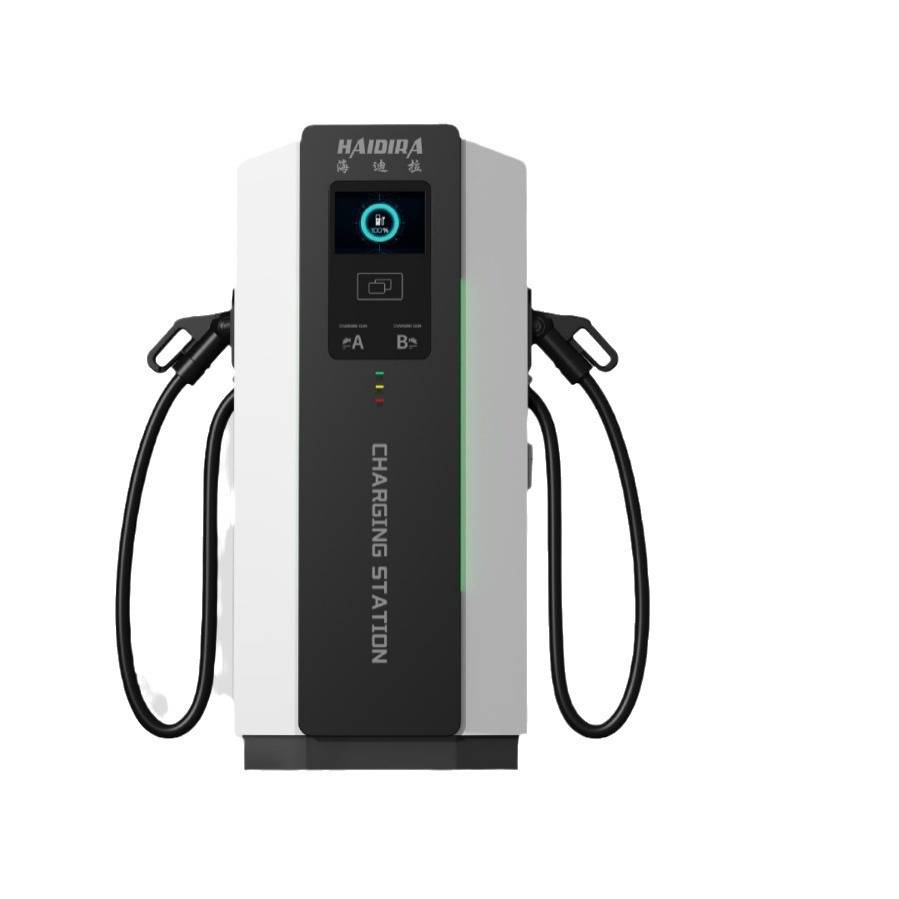
Manufacturer Direct Sales Tesla New Energy Electric Vehicle Universal DC 180kW Dual-gun Charging Pile Commercial Fast Charger
Anhui Haidira Electric Technology Co., Ltd.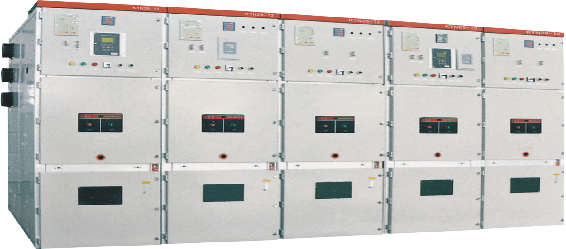
KYN28-12/24 Indoor High-Voltage Metal-Clad Removable Switchgear
Shenzhen Zhaoyang Hui Technology Co., Ltd.