Canada Launches $1.5 Billion Financing Plan to Support Metal Industry Hit by US Tariffs
en.Wedoany.com Reported - The Canadian government has introduced a new $1 billion plan, administered by the Business Development Bank of Canada (BDC), targeting industries that heavily use steel, aluminum, and copper in production and are affected by the April 2 announcement of new US tariffs, aiming to enhance economic resilience. Under the new US regulations, derivative products made from steel, aluminum, or copper will be subject to a uniform 25% tariff on their full value, changing the previous practice of imposing a 50% tariff only on the metal content. This change has triggered a chain reaction across the North American supply chain, forcing many companies to adjust their business models.
The Canadian government stated that the BDC plan will provide financing on favorable terms to help affected companies manage cash flow pressures and drive industry transformation to adapt to future markets. The government also called on financial institutions to continue cooperating with businesses.
Regarding other supporting measures, Canada has added $500 million in support through the Regional Tariff Response Initiative (RTRI). Previously implemented trade defense measures include: imposing 25% tariffs on $12.6 billion worth of US steel and $3 billion worth of US aluminum; committing $5 billion through the Strategic Response Fund (SRF) to support all tariff-affected industries; implementing tariff rate quotas (TRQs) for non-Free Trade Agreement (FTA) countries at 20% of 2024 import levels, with a 50% tariff on amounts exceeding that; setting quotas for FTA partners (excluding the US and Mexico) at 75% of 2024 import levels, also with a 50% tariff on excess amounts; imposing a 25% tariff on certain steel and aluminum products imported from China and non-US steel and aluminum products containing Chinese inputs; and applying a 25% tariff on steel derivative products, including wind towers, prefabricated buildings, fasteners, and wire rods.
In terms of worker support, Canada is providing reskilling packages for up to 50,000 workers, increasing unemployment insurance flexibility and extending benefits, and launching a new digital job training platform. Over two years, more than $100 million will be allocated to support employers in industries with work-sharing agreements and training for employees with reduced hours, covering approximately 26,000 workers. An additional $150 million from the RTRI will directly support steel producers. Regarding financing tools, the Large Employer Tariff Loan (LETL) program has been modified, and avenues such as the BDC's Pivot to Grow loan have been expanded. On procurement policy, a "Buy Canada" policy has been implemented, requiring all public project contracts valued over $25 million to prioritize Canadian steel and aluminum. Freight rates for steel and lumber have also been temporarily reduced to lower domestic transportation costs.
However, the Canadian steel industry has reacted coolly to these measures. One market participant noted that the announcement did not clarify the implementation process, and it typically takes about a month to understand the specific implications of new measures. Another critic was more pointed, stating that Canada has not made truly transformative changes, such as major tax reforms, banking system reforms, introducing competition in highly regulated sectors, or improving the investment climate. This individual argued that the government still relies on top-down "command and control" approaches, providing direct subsidies or grants, and having government-run funds pick winners and allocate capital, rather than relying on the private financial sector. Critics contend that Canada's anti-competitive banking system, which fails to take on sufficient risk, is stifling productivity.
Just on Tuesday, Peter Routledge, Superintendent of the Office of the Superintendent of Financial Institutions (OSFI) of Canada, stated in an interview that OSFI is exploring ways to "simplify" banking processes, aiming to balance maintaining financial system stability with fostering a more competitive lending environment. Discussions on banking reform have thus emerged.
This article is compiled by Wedoany. All AI citations must indicate the source as "Wedoany". If there is any infringement or other issues, please notify us promptly, and we will modify or delete it accordingly. Email: news@wedoany.com
Related Products


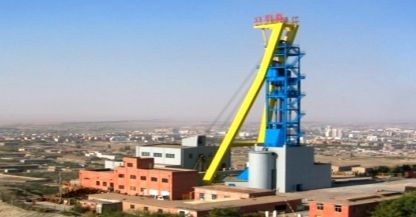
Core Technologies of the Mining Technology and Equipment Business Unit: Efficient Mining Methods and Processes
CHANGSHA INSTITUTE OF MINING RESEARCH CO., LTD.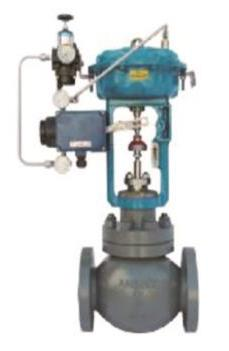
Quick-Change Single-Seat Control Valve / Quick-Change High-Pressure Single-Seat Control Valve
Beijing Consen Automation Technology Co., Ltd.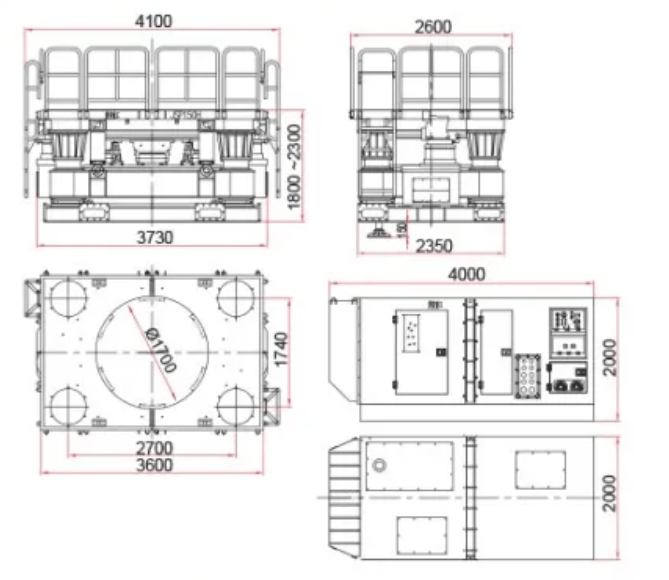
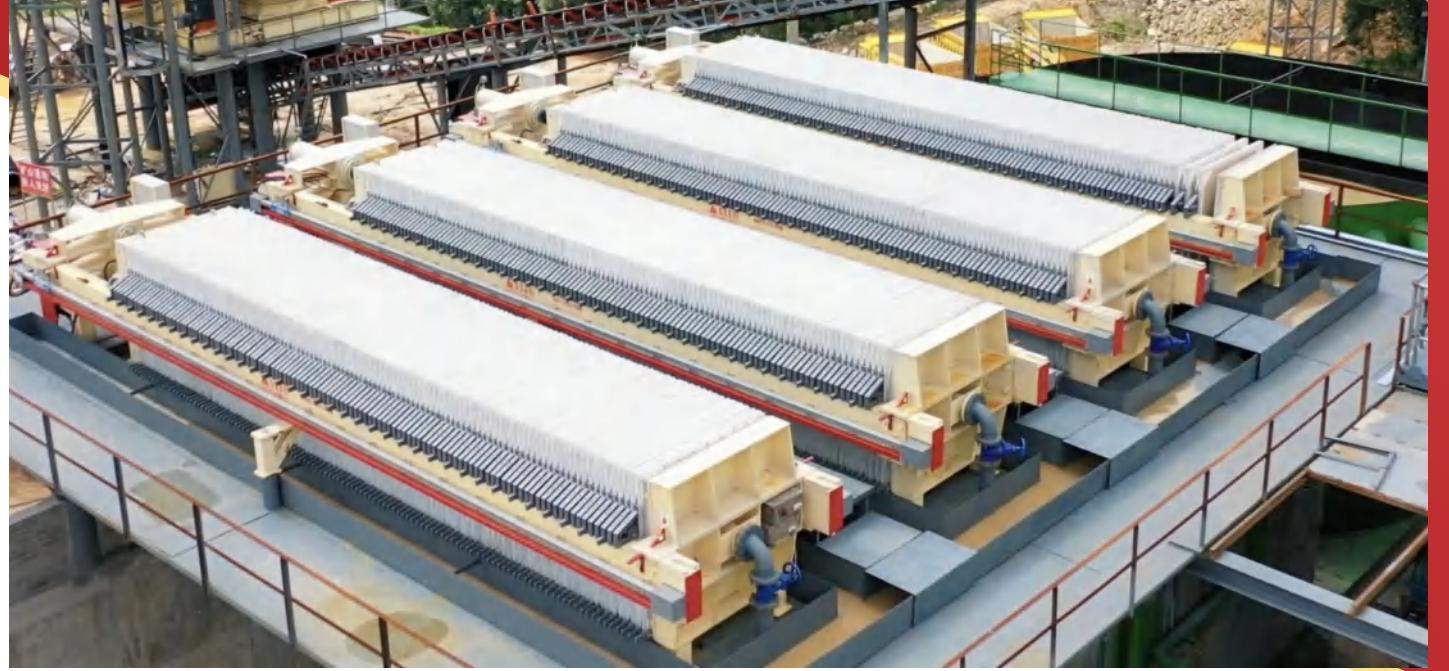
Hydraulic Plate and Frame Filter Press
Guangdong Leimeng Intelligent Equipment Group Co., Ltd.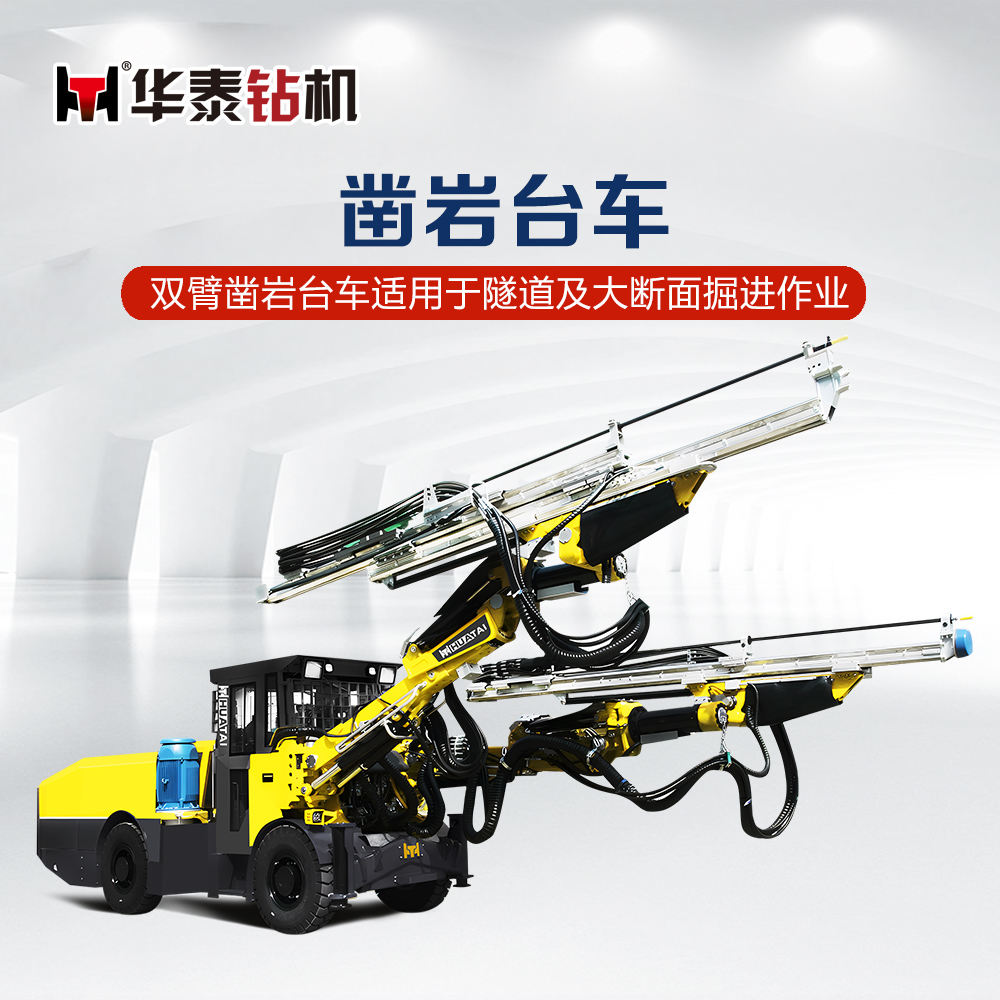
CYTJ45/2 Mining Hydraulic Tunneling Drill Rig
Zhangjiakou Xuanhua Huatai Mining and Metallurgical Machinery Co., Ltd.
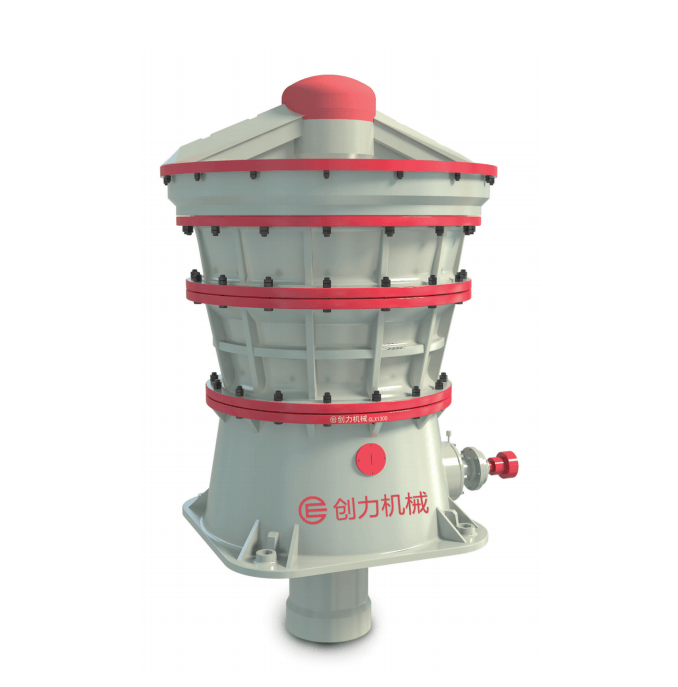
CLX Series Intelligent Hydraulic Gyratory Crusher
Guangdong CHUANGLI intelligent machinery Equipment Co., LTD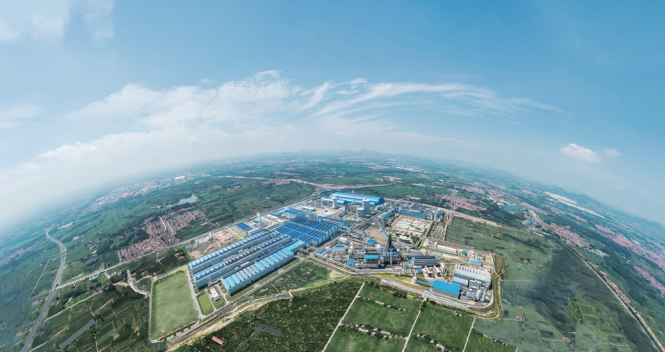
Linyi Steel Investment Special Steel 2.7 Million Tons per Year High-quality Special Steel Project
Capital Engineering & Research Incorporation Limited
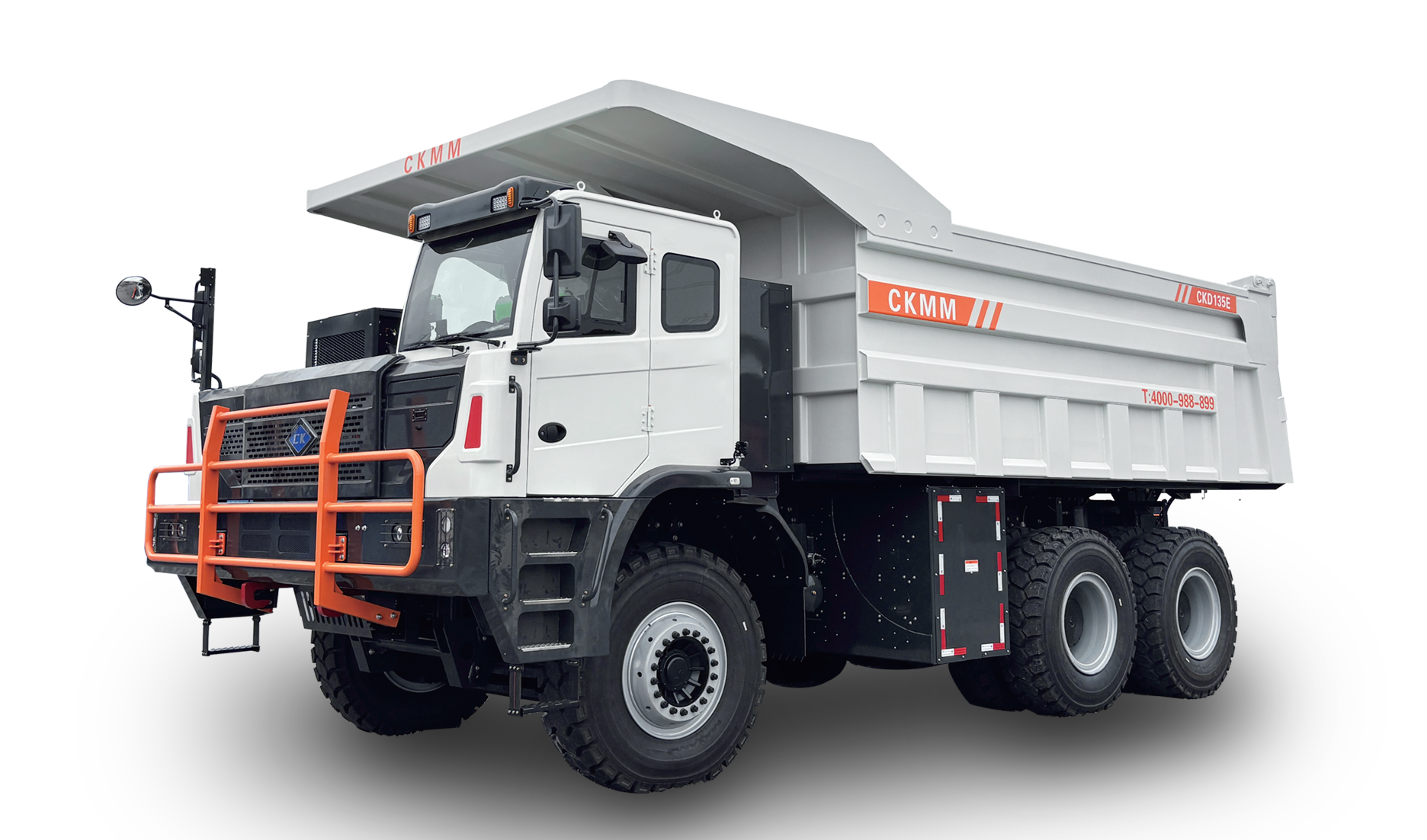
CKD135E Pure Electric Wide-body Dump Truck
Jiangsu Changkuang Engineering Machinery Co. Ltd.