Austroads Releases Zero-Carbon Concrete Guide
en.Wedoany.com Reported - Austroads, the joint organization of transport agencies in Australia and New Zealand, officially released a practical guide on March 16, 2026, aimed at helping transport agencies and the industry manage carbon emissions from concrete use in road and rail projects. The guide provides a clear implementation pathway for the transport sector to transition in stages toward ultra-low or zero-carbon concrete technologies.
Concrete is the most widely used construction material in transport infrastructure and one of the primary sources of embodied carbon. Embodied carbon refers to greenhouse gas emissions generated during the extraction, manufacturing, transportation, and construction of materials, which are locked in before the asset is put into use. Since these emissions occur during the construction phase, addressing embodied carbon in concrete is critical to reducing the overall carbon footprint of transport infrastructure.
Austroads, the umbrella organization for transport agencies in Australia and New Zealand, coordinates standard setting, technical research, and policy alignment in the transport sector across both countries. The newly released guide proposes a phased action roadmap: short-term recommendations focus on optimizing existing materials and technologies; medium-term measures support the research and development of supplementary cementitious materials; and long-term efforts prepare for the commercial application of ultra-low or zero-carbon concrete technologies.
The guide provides transport agencies with a clear and practical pathway to reduce emissions while maintaining long-term asset performance. Specific measures include clarifying optimization opportunities within existing standard frameworks, enhancing the application of carbon emissions data, improving understanding of concrete performance outcomes, and fostering collaboration between the industry and the supply chain. The guide also recommends integrating carbon reduction into daily project delivery processes, including setting embodied carbon targets, expanding the use of supplementary cementitious materials, adopting performance-based specifications, supporting pilot projects, and strengthening the application of Environmental Product Declarations (EPDs) to enhance decision-making transparency.
A key recommendation of the guide is the establishment of a Low-Carbon Concrete Implementation Working Group, led by national agencies to coordinate research, standard updates, pilot support, and cross-regional data sharing. Ross Guppy, Austroads' Transport Infrastructure Project Manager, stated that the transition to low-carbon concrete is not just about new materials but also about how infrastructure is specified, procured, and delivered. By harmonizing standards, sharing evidence, and supporting innovation, transport agencies can continue to deliver safe and durable infrastructure while reducing carbon emissions.
The release of this guide provides a systematic framework for the transport industry in Australia and New Zealand to reduce embodied carbon while maintaining asset performance, helping to drive the low-carbon transition of transport infrastructure in both countries.
This article is compiled by Wedoany. All AI citations must indicate the source as "Wedoany". If there is any infringement or other issues, please notify us promptly, and we will modify or delete it accordingly. Email: news@wedoany.com
Related Products



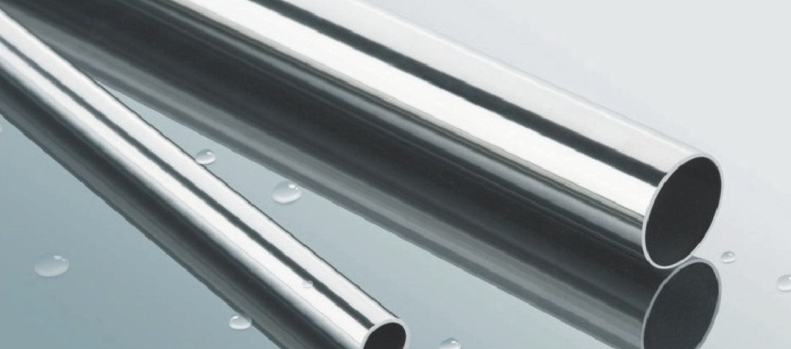
Ultra-pure Ferritic Stainless Steel Products
Gansu JISCO Group Hongxing Iron and Steel Co., Ltd.
ERW Welded Pipe (Black Pipe and Hot-dip Galvanized Steel Pipe)
Handan Zhengda Steel Pipe Co., Ltd.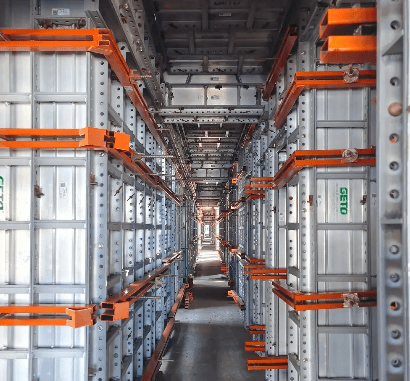

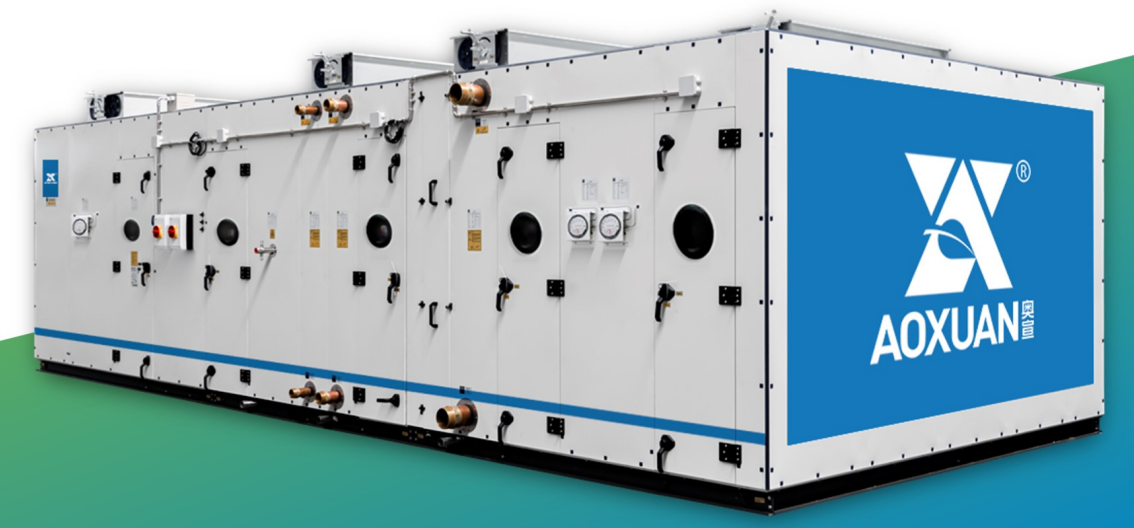
Aoxuan Intelligent Precision Air Conditioning Unit
SHANGHAI AOXUAN PURIFICATION TECHNOLOGY CO., LTD.