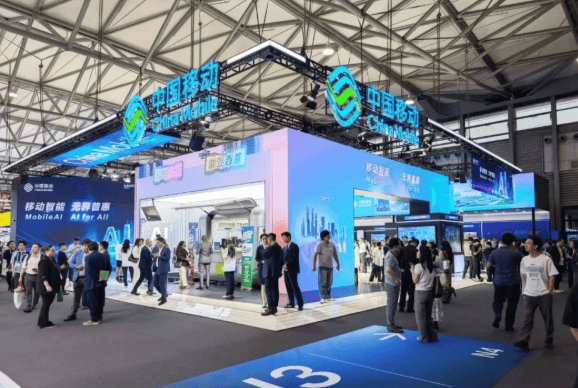
en.Wedoany.com Reported - At this year's MWC Shanghai, ZTE showcased its full-stack capabilities from hardware to software, centered around the concept of "Token Operations" derived from AI computing infrastructure, aiming to address the new demands of operators and enterprise customers for computing power and intelligent applications in the AI era.
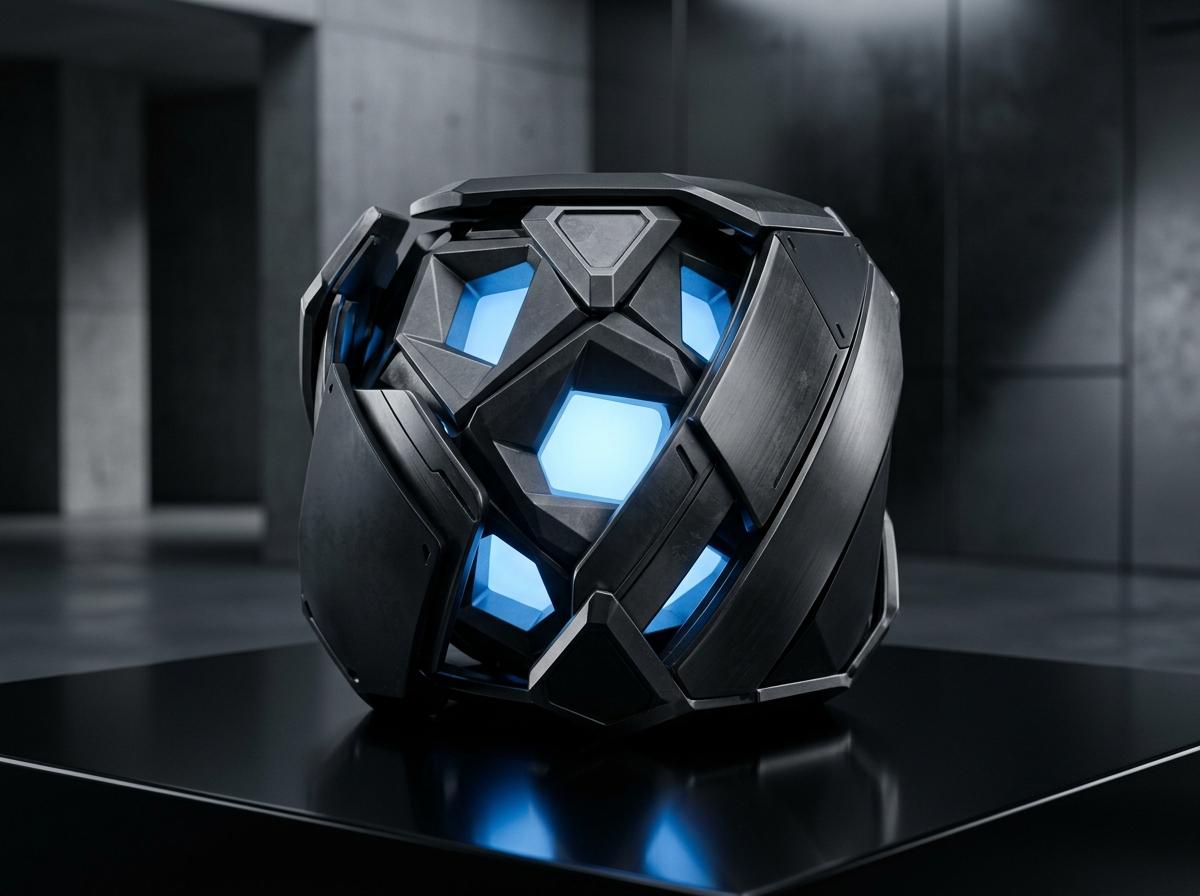
The Intelligent Computing Super Node solution launched by ZTE at this exhibition became a focal point. With the deployment of ultra-large-scale computing clusters, AI competition is shifting from a parameter race to industrial implementation. This solution targets three major pain points: data transmission bottlenecks between GPUs, insufficient memory, and hardware waste. By leveraging super node technology, it achieves high-speed interconnection across servers and even across cabinets, effectively creating an efficient and collaborative computing environment for AI, designed to accelerate large model training and reduce implementation costs.
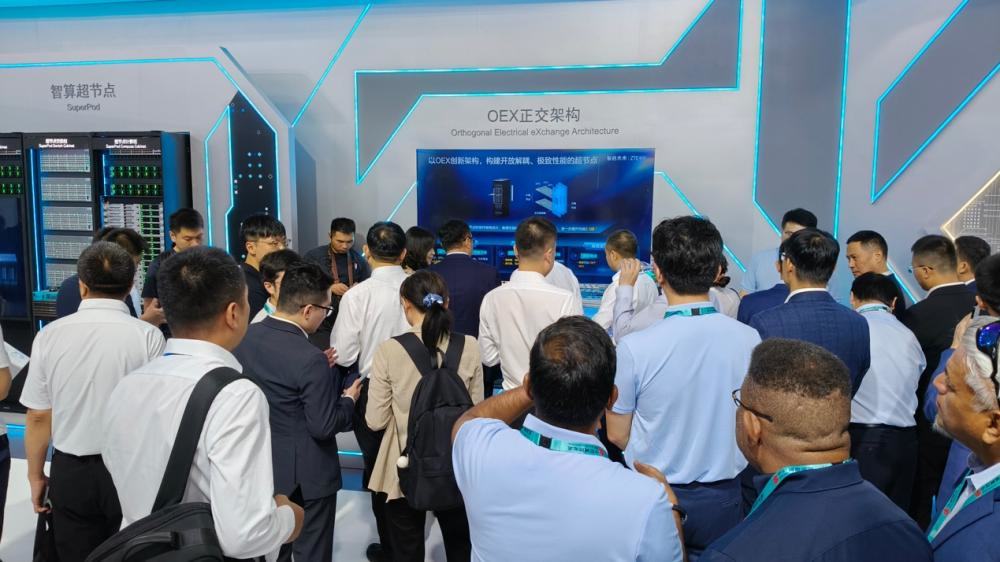
According to ZTE, this solution boasts two key advantages. The first is open decoupling, achieved through a "5+X" multi-chip extreme collaborative design. It relies on five major chip collaborative sensing technologies, including self-developed CPUs, intra-cabinet/inter-cabinet interconnects, network cards, and DPUs, to enable efficient cross-chip collaboration and break down computing silos. The second is the pioneering OEX orthogonal architecture, which adopts a zero-cable design. By vertically cross-connecting computing nodes with switching nodes, it significantly increases computing density. A single cabinet can support 128 GPUs and can be scaled up to 16,000 GPUs, achieving the effect of "one cabinet equals one giant GPU." The AIDC solution built on these capabilities also integrates energy-saving technologies such as 800V high-voltage DC power supply, full-stack liquid cooling, and intelligent bidirectional dynamic scheduling of computing and power, aiming to balance efficiency with low-carbon operations.
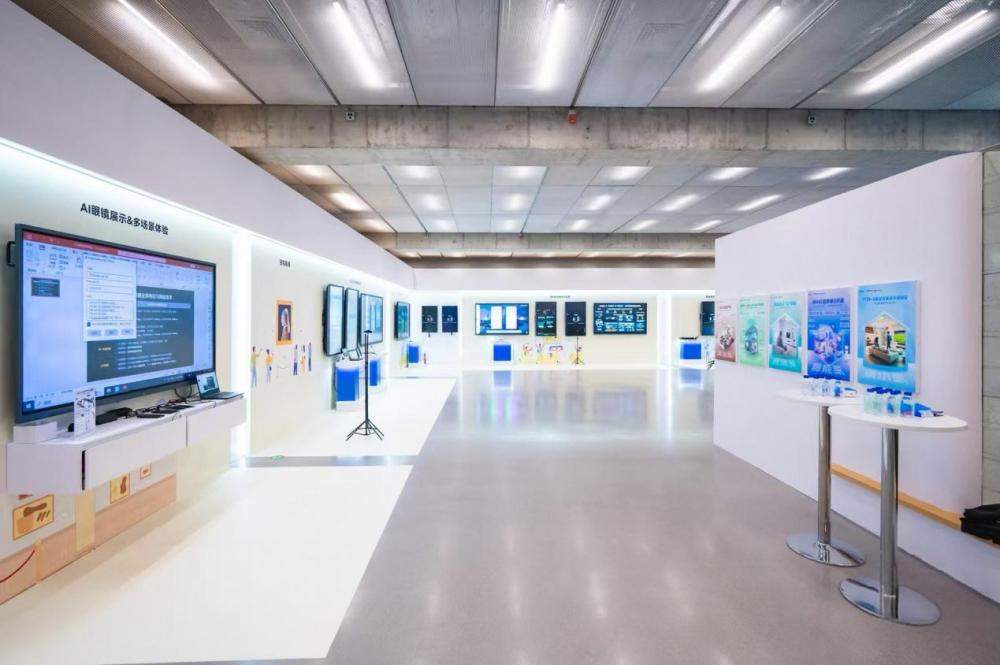
On the AI software and application front, ZTE showcased the New Fulcrum AIOS, positioned as the technological foundation for the AI era, and the enterprise-level intelligent agent platform Co-Claw built on this operating system. This platform aims to transform Tokens from computing units into schedulable, serviceable, and monetizable intelligent resources, facilitating Token scheduling, orchestration, and service-oriented output. At the ZTE booth, a series of AI terminal application demonstrations based on this platform were on display, such as automated meeting minutes transcription for enterprise video conferencing scenarios, an AI smart butler, entertainment companion, and security guard for home life, and Co-Claw positioned as a "super assistant" for personal office scenarios. Outside the booth, the Doubao phone jointly launched by ZTE and ByteDance also attracted a large audience.
ZTE pointed out that Co-Claw is based on a self-developed architecture from an open-source version, has established business Skill specifications, and built a full-chain AI security foundation. It features one-click installation and out-of-the-box usability, starting from high-frequency office scenarios to provide a complete set of solutions. Through products like the Co-Claw AI all-in-one machine, ZTE offers one-stop AI intelligent agent solutions for operators and government/enterprise customers, empowering Token value operations. This benefits from ZTE's deep terminal R&D experience and its full range of terminal products, as well as its long-term understanding of customer needs in the government and enterprise market. IDC research indicates that over 60% of leading Chinese enterprises have begun integrating generative AI into their core business processes.
This article is compiled by Wedoany. All AI citations must indicate the source as "Wedoany". If there is any infringement or other issues, please notify us promptly, and we will modify or delete it accordingly. Email: news@wedoany.com