Spain to Auction 1.2 GW of Cogeneration Projects in 2026-2027
en.Wedoany.com Reported - The Spanish Council of Ministers has approved a regulatory framework to organize two industrial cogeneration auctions in 2026 and 2027, with a total installed capacity of 1,200 megawatts (MW), aimed at upgrading existing cogeneration units through the construction of efficient facilities. This measure, promoted by the Ministry for Ecological Transition and the Demographic Challenge, will establish a specific remuneration mechanism for new cogeneration plants using natural gas or biomass, as well as for existing facilities that can adapt to these fuels.
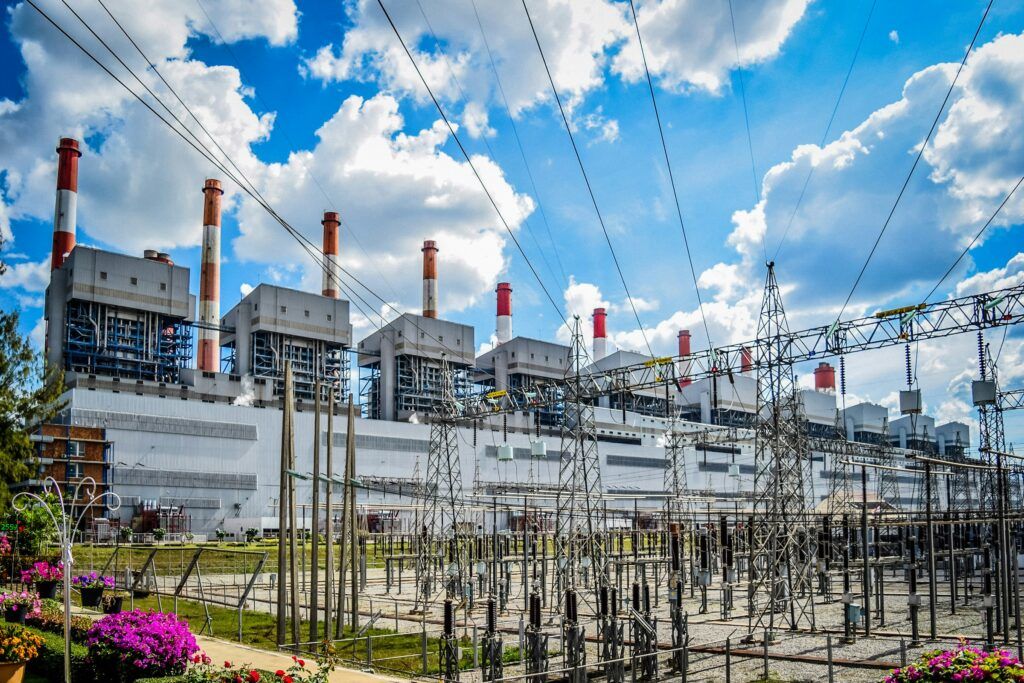
The initiative is part of the update to the 2023-2030 National Integrated Energy and Climate Plan, which considers cogeneration as a technology capable of providing flexibility and support to an electricity system with high renewable energy penetration, while improving energy efficiency in industrial processes. Each of the two auctions will allocate 600 MW, and the aid compatibility of their remuneration mechanisms has been approved by the European Commission. Participating facilities must meet high energy efficiency requirements, with a primary energy savings rate exceeding 10% to be considered efficient, although plants with a capacity below 1 MW only need to generate energy savings.
The new framework allows, for the first time, cogeneration projects using biomass fuels to participate in the auctions, alongside natural gas plants. Natural gas facilities must limit emissions to a maximum of 270 grams of CO₂ per kilowatt-hour (gCO₂/kWh) and be prepared to use at least 10% renewable hydrogen. For biomass projects, European sustainability and emission reduction standards must be met. According to government estimates, the addition of this 1,200 MW capacity will avoid approximately 8.4 million tons of CO₂ emissions over the regulatory lifecycle of the facilities.
The maximum capacity for a single participating facility is 100 MW, reduced to 15 MW in non-peninsular electricity systems. The regulation also establishes 12 reference facility types (ITR), which serve as the basis for classifying different technologies and calculating the corresponding regulatory remuneration. The auctions will use a sealed-bid procedure with marginal decreasing pricing, where developers must declare a percentage reduction relative to the standard initial investment value for the reference facility type to which their project belongs. Remuneration will be calculated according to the regime established by Royal Decree 413/2014, with a reasonable return rate of 7.09% for the 2026-2031 regulatory period. The regulatory lifecycle is 12 years for natural gas plants and 20 years for biomass facilities.
Capacity allocation also includes mechanisms to promote competition, with any single company limited to obtaining no more than 50% of the total auction capacity in each auction. Specific quotas for technologies and facilities will be determined in the resolution formally convening each auction. The government estimates that the annual costs associated with the specific remuneration mechanism for this 1,200 MW will range between €414 million and €582 million, depending on the final capacity allocated to each facility type, the discounts obtained during the competitive process, and variations in market prices and actual plant operation. The auctions will be organized by the Iberian Electricity Market Operator, with oversight of the process by the National Commission for Markets and Competition.
Related Products


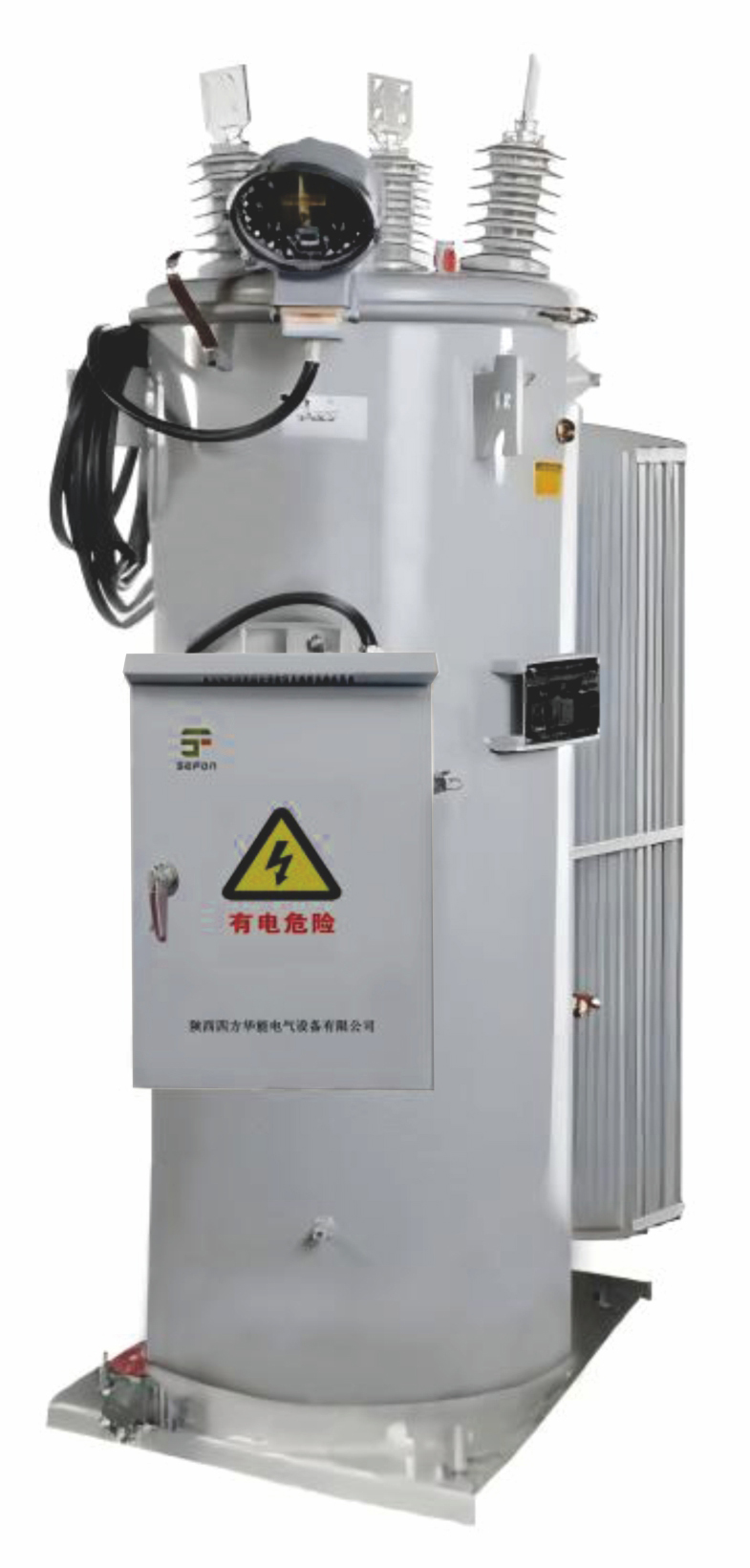
Single-Phase Automatic Voltage Regulator(AVR)
Shaanxi Sefon Electrical Equipment Co.,Ltd.
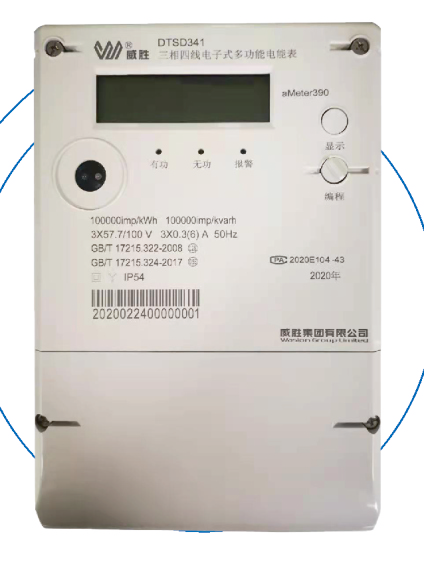
Overseas IEC Gateway Energy Meter - DTSD341/DSSD331-aMeter390
Wasion Group Limited Co., Ltd.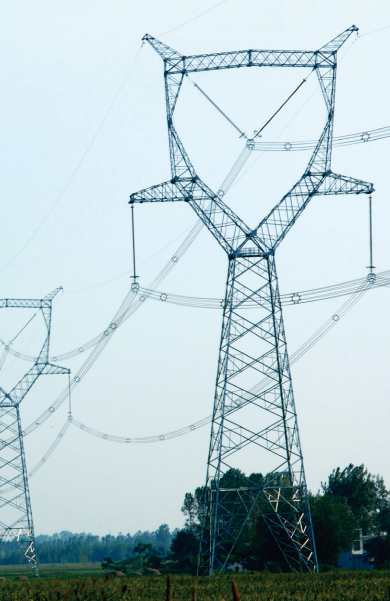
1000kV Jin Southeast-Nanyang-Jingmen UHV AC Transmission and Transformation Pilot Demonstration Project
Anhui Hongyuan Steel Tower Co., Ltd.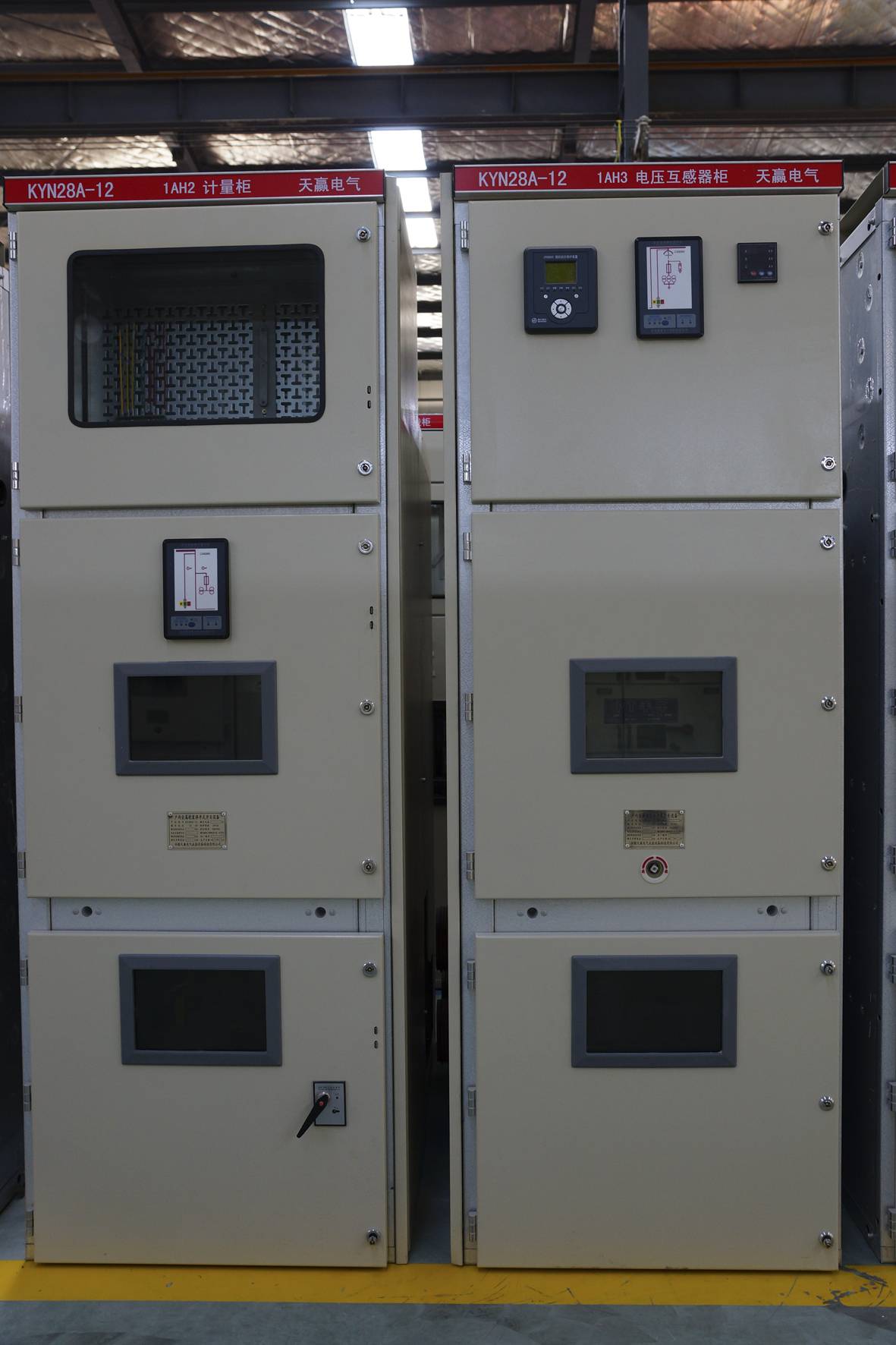
KYN28 - High Voltage Switchgear
Anhui Tianying Electrical Equipment Manufacturing Co., Ltd.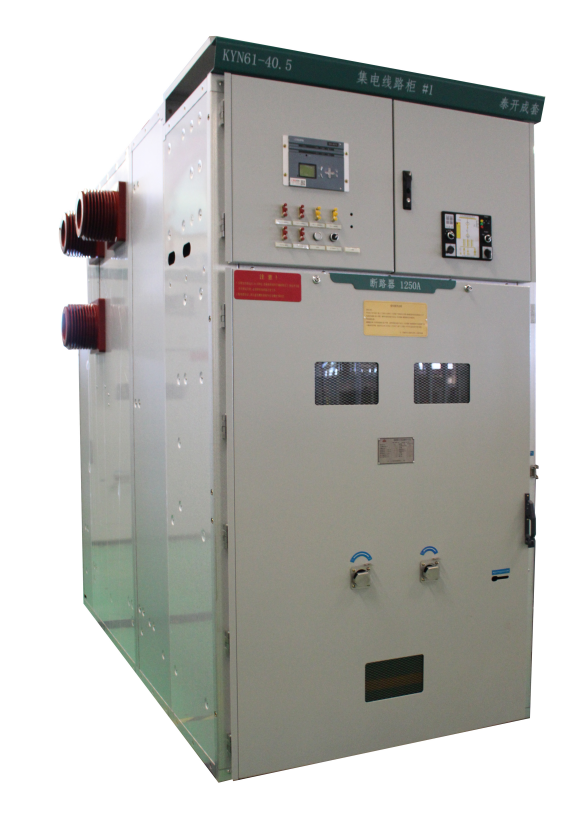
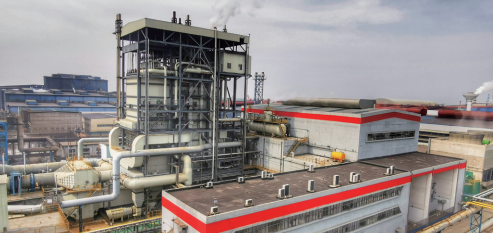
Jiujiang Pinggang 125MW Subcritical Gas Power Generation Project
Capital Engineering & Research Incorporation Limited