Nova Scotia and New Brunswick Approve 1.1 GW Gas-Fired Projects
en.Wedoany.com Reported - Nova Scotia and New Brunswick have approved the construction of power plants that will burn natural gas and diesel for the next 25 years, while Prince Edward Island now faces a similar decision. These projects are moving forward despite public opposition and evidence that battery energy storage systems are cheaper. The Energy Mix reports on this situation.
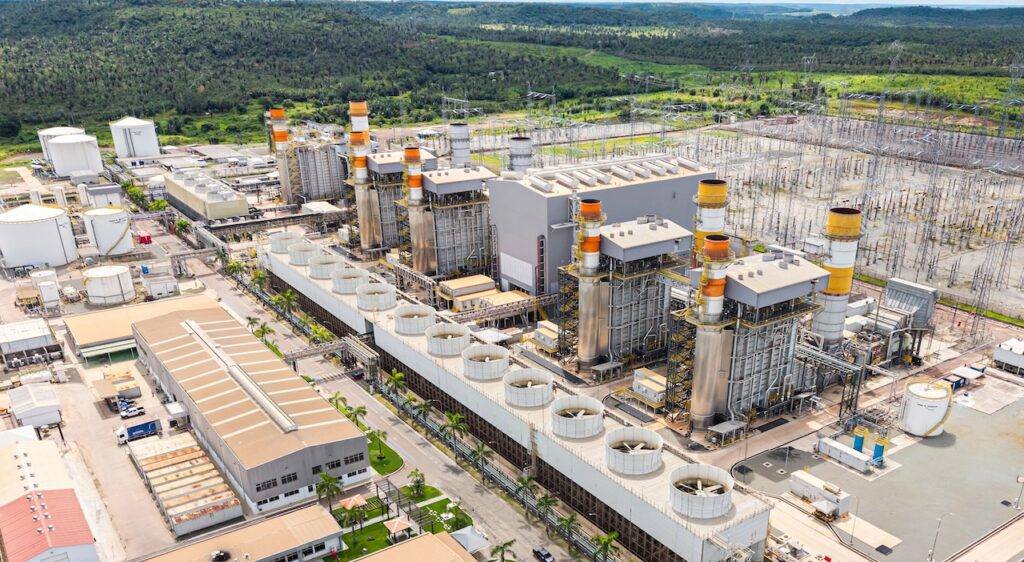
In late 2025, Nova Scotia’s Independent Electricity System Operator (IESO) proposed building two 300-megawatt peaker plants fueled by natural gas and diesel in two small rural communities in Pictou County. Nova Scotia’s Minister of Environment and Climate Change, Timothy Halman, approved both projects within 59 days. The Impact Assessment Agency of Canada (IAAC) subsequently decided not to conduct a separate federal impact assessment, citing that existing measures under federal and provincial regulations were sufficient to address the project's adverse effects—a decision criticized by the public and Indigenous communities. Local community group "Living Ecosystems and Power" (LEAP) organized protest rallies, noting that in 2026, grid-forming batteries could do the same job at nearly half the cost and with less harm. Pictou County Warden Robert Parker told The Energy Mix that residents tried to convey their concerns to Energy Minister Marco MacLeod, but he did not listen. LEAP member Ruben Irons stated that the rally was an attempt to stop the province from making another costly mistake, citing Ontario’s case—where in its most recent competitive auction for grid capacity, three battery projects totaling 640 megawatts outperformed gas plants in both cost and emissions. Michelle Lucas, a spokesperson for Nova Scotia’s Department of Energy, responded that "the optimal mix for Nova Scotia’s system is not necessarily the same as another province." Protesters also highlighted Pictou County’s past environmental legacy issues, including pollution from the Boat Harbour pulp mill and the Westray coal mine disaster.
New Brunswick’s Energy and Utilities Board approved NB Power’s "Reliability and Integration of Grid Security" (RIGS) project, a 500-megawatt plant in Tantramar using natural gas and diesel. The project still requires a provincial environmental assessment and is expected to begin operations in 2028. NB Power has selected Missouri-based ProEnergy to develop and operate the facility. Jason Augustine, Regional War Chief of the Mi'kmaq Warrior Society, a land defense group, warned that if the project proceeds, it could trigger tensions similar to the 2013 hydraulic fracturing standoff. Nova Scotia has agreed to purchase 100 megawatts of power from the plant and provide a $170 million loan guarantee. Energy Department spokesperson David Kelly defended the project, stating it is needed to meet growing demand and balance the increasing renewable energy on the grid, with RIGS designed to provide 36 to 72 hours of capacity when wind power cannot support generation. Toby Couture, who provided expert testimony to the NB Utilities and Review Board, countered that NB Power appears to rely on outdated data and assumptions to argue that battery storage is more expensive; battery storage costs have fallen 59% since the 2023 tender and are expected to halve again by 2035, and batteries also help integrate renewables and reduce curtailment.
On Prince Edward Island, private power provider Maritime Electric has proposed installing two 50-megawatt fossil fuel combustion turbines to improve island power reliability. A report submitted to the Island Regulatory and Appeals Commission (IRAC) shows that gas turbines are not the only viable or even the most cost-effective solution—batteries are. Stacey Miller, a spokesperson for the provincial Department of Transportation, Infrastructure, and Energy, told The Energy Mix that IRAC is reviewing "all evidence," with over 40 applications for backup battery storage currently under review.
Thomas Arnason MacNeil, Senior Energy Coordinator at the Ecology Action Centre, told The Energy Mix that battery storage and peaker plants are not the only options for improving power reliability in the Maritime provinces. A new study recommends establishing a coordinated grid across the three Maritime provinces to enhance reliability, reduce costs, and increase renewable energy integration. Arnason MacNeil emphasized that no province or system operator can be certain they are making the right choice for ratepayers until an integrated resource plan is completed. He noted that the California Independent System Operator reported saving ratepayers $7.8 billion through improved real-time trading since its integrated market launched. Energy departments in all three provinces indicated that discussions are underway: Nova Scotia’s Department of Energy cited Minister Marco MacLeod’s comment that the dialogue is "still in early stages"; New Brunswick spokesperson Kelly said current talks are "exploratory" and "informal"; Prince Edward Island spokesperson Miller stated the province is actively engaging in regional cooperation.
Related Products
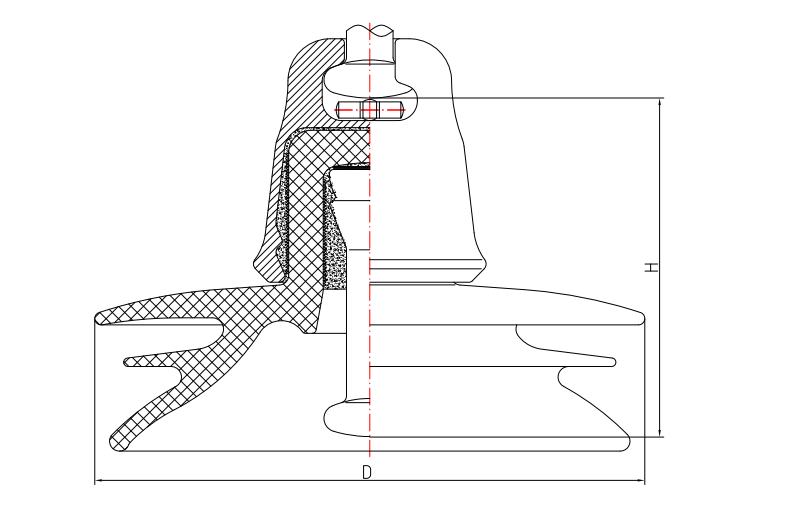

Post-type AC Pollution-resistant Disc Suspension Porcelain Insulator (Triple Umbrella Type)
Shandong High Voltage Insulator Co., Ltd.
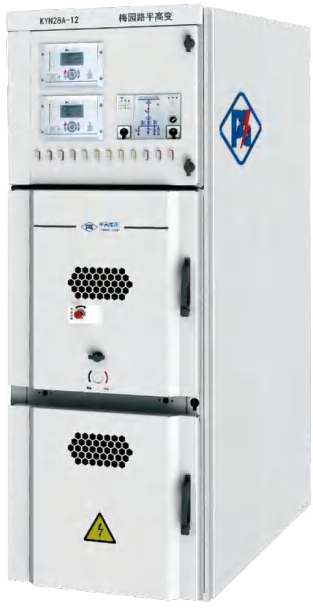
KYN28A-12 Metal Armored Removable Switchgear
Tianjin Ping Gao Intelligent Electric Co., Ltd.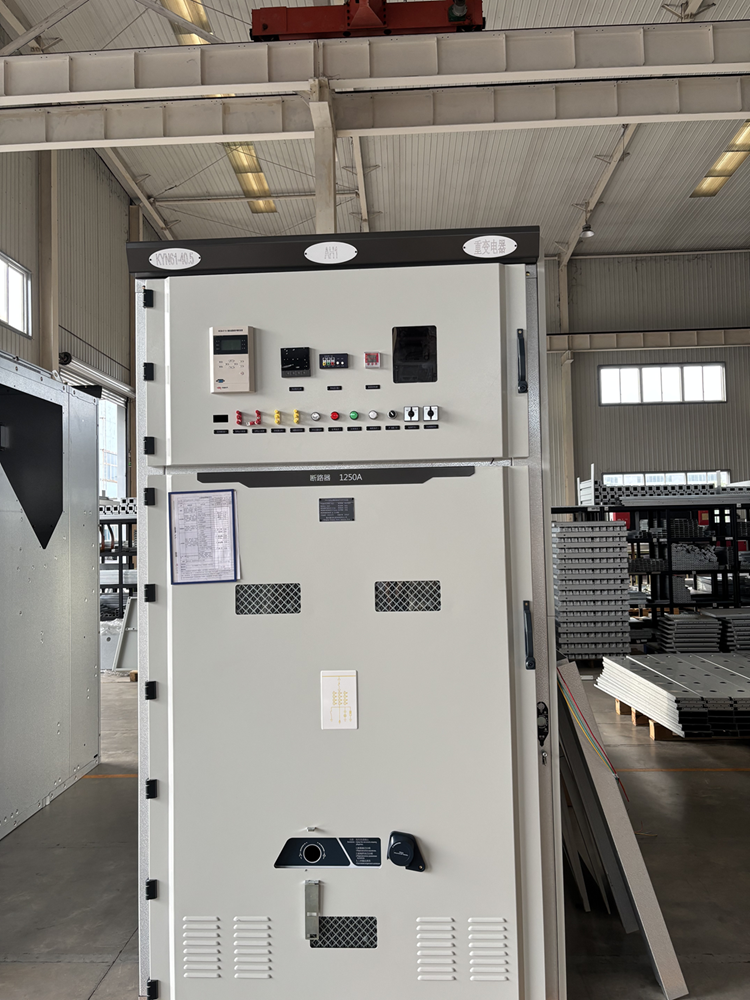
KYN61-40.5 Indoor AC Metal-clad Removable Switchgear
Chongqing Transformer Co., Ltd.
IGBT Hydrogen Production Power Supply - High Power Air Cooling
Beijing Zhengzhuo Engineering Technology Co., Ltd.
Electromagnetic Fluid Seawater Floating Oil Separation and Recover Equipment
Huate Magnet Group Co., Ltd.