Australian Mining Companies Accelerate Green Ironmaking, Reshaping Iron Ore Value
en.Wedoany.com Reported - Driven by carbon neutrality goals, the global steel industry is accelerating the exploration of low-carbon technology pathways such as hydrogen-based direct reduced iron (DRI), electric smelting furnaces (ESF), and carbon capture, utilization, and storage (CCUS). This transformation is not only changing steel mills' production methods but also redefining the fundamental logic of iron ore resource development, mine investment, and international trade.
At the 2026 Iron Ore & Open Pit Operators Conference (IOOP 2026) held recently in Perth, Australia, multiple experts, scholars, and corporate representatives pointed out that the competitive logic for iron ore is shifting. In Australia, the world's largest iron ore exporter, mining companies, research institutions, and equipment manufacturers are reorienting their strategies around ore beneficiation, green ironmaking, and mine decarbonization to adapt to the new industrial landscape. Meanwhile, Chinese companies are gradually transitioning from traditional resource trade participants to important players in the global green mining value chain.
The international iron ore market, long based on resource endowments, is facing restructuring due to the low-carbon transition. The Pilbara region in Australia, with its abundant iron ore resources and mature infrastructure, has long held an advantage in seaborne iron ore supply. However, a report from the University of New South Wales indicates that the steel industry accounts for approximately 7% to 9% of global carbon dioxide emissions, with the majority originating from the ironmaking stage. Reducing carbon emissions from ironmaking has become a core issue in the global steel industry's transformation and is directly altering the market value of iron ore products.
Michael Apfel, Senior Manager of Technology and Strategy for the Simandou project at Rio Tinto, stated that the iron ore from the Simandou project features high iron grade, low phosphorus, low silica, and low alumina content, which can improve steelmaking efficiency and reduce waste and carbon emissions. It is considered an important raw material source for future green steel. He anticipates that with the advancement of the steel industry's green transition, demand for high-quality iron ore will continue to grow in markets including China.
Mine operations are also beginning to change. Katie Charuga, Director of Integrated Operations at Fortescue, stated at the conference that the company is accelerating the comprehensive decarbonization of its mine, rail, and port systems, building large-scale renewable energy networks, promoting electric mining equipment, and utilizing artificial intelligence and digital technologies to enhance operational efficiency, all aimed at eliminating fossil fuels from its Australian iron ore operations by 2030. Consensus at the conference suggested that future competition in iron ore will not only be about quality but increasingly about the full lifecycle carbon emissions of mines, energy structure, and the green level of the supply chain. Furthermore, green steel will not lead to a single technological pathway.
Shin Myeong-gyun, a researcher at POSCO in South Korea, stated that various low-carbon technologies are still under development. New ironmaking processes represented by hydrogen metallurgy face challenges related to the high cost of green hydrogen, while CCUS technology still faces practical constraints in carbon dioxide transportation, storage, and cross-regional coordination. The future steel industry is more likely to see a long-term coexistence of multiple low-carbon technology pathways, depending on the resource endowments and cost conditions of different countries. The diversification of technological pathways means that different qualities of iron ore may correspond to different market demands, rather than being dominated by a single high-grade ore. The competitiveness of iron ore will be determined by whether different grades of ore can enter different green ironmaking systems at lower costs and with lower carbon emissions.
Regarding the development pathways for green steel, experts at the conference proposed two representative ideas. One emphasizes supporting low-carbon processes like DRI with high-grade ore, arguing that ore with high iron content and low impurities improves reduction efficiency, reduces energy consumption, and lowers carbon emissions. The other focuses on enhancing the value of existing medium and low-grade ores within green ironmaking systems. For Australia, home to the world's largest iron ore reserves in the Pilbara, if green steel relies entirely on high-grade ore, the value of its vast existing resources could face decline. Li Ming Lu, Technology Leader for the Mineral Resources business unit at the Commonwealth Scientific and Industrial Research Organisation (CSIRO), stated in a presentation that green steel will drive sustained growth in demand for pellets, while demand for sinter may decline. Since approximately 90% to 95% of Australia's iron ore exports are direct shipping ore (DSO fines), how to process them into pellets suitable for DRI is becoming a key focus for the mining industry.
Gesa, a process metallurgy expert at Hatch consulting firm, believes that the new process combining DRI with ESF could reduce reliance on high-grade pellets, allowing Pilbara DSO fines to better adapt to green ironmaking needs, balancing emission reduction, resource utilization efficiency, and economics. Professor Kevin Galvin, Director of the ARC Centre of Excellence for Enabling Eco-Efficient Beneficiation of Minerals, stated that the future direction of mineral processing should be to establish more flexible systems to produce tailored products based on the requirements of different ironmaking processes. These two approaches are not mutually exclusive but represent pathways explored under different resource endowments and cost conditions. The evolution of green steel technology pathways will determine future global mining investment directions and reshape the market value system for high, medium, and low-grade iron ore.
The evolution of green steel technology pathways is also driving synergistic development across the industrial chain, including ore beneficiation, equipment manufacturing, and green energy. Charuga stated in her presentation that Fortescue has partnered with Chinese companies such as LONGi Green Energy and Envision Energy for solar and wind farm projects, with BYD for battery energy storage systems, and with XCMG for electric equipment. Jenny Selway, CEO of the Heavy Industry Low-carbon Transition Cooperative Research Centre (HILT CRC), stated that China is not only Australia's largest iron ore market but also a significant force driving global steel decarbonization. Both sides can deepen cooperation in research, technology, equipment, and standards system development.
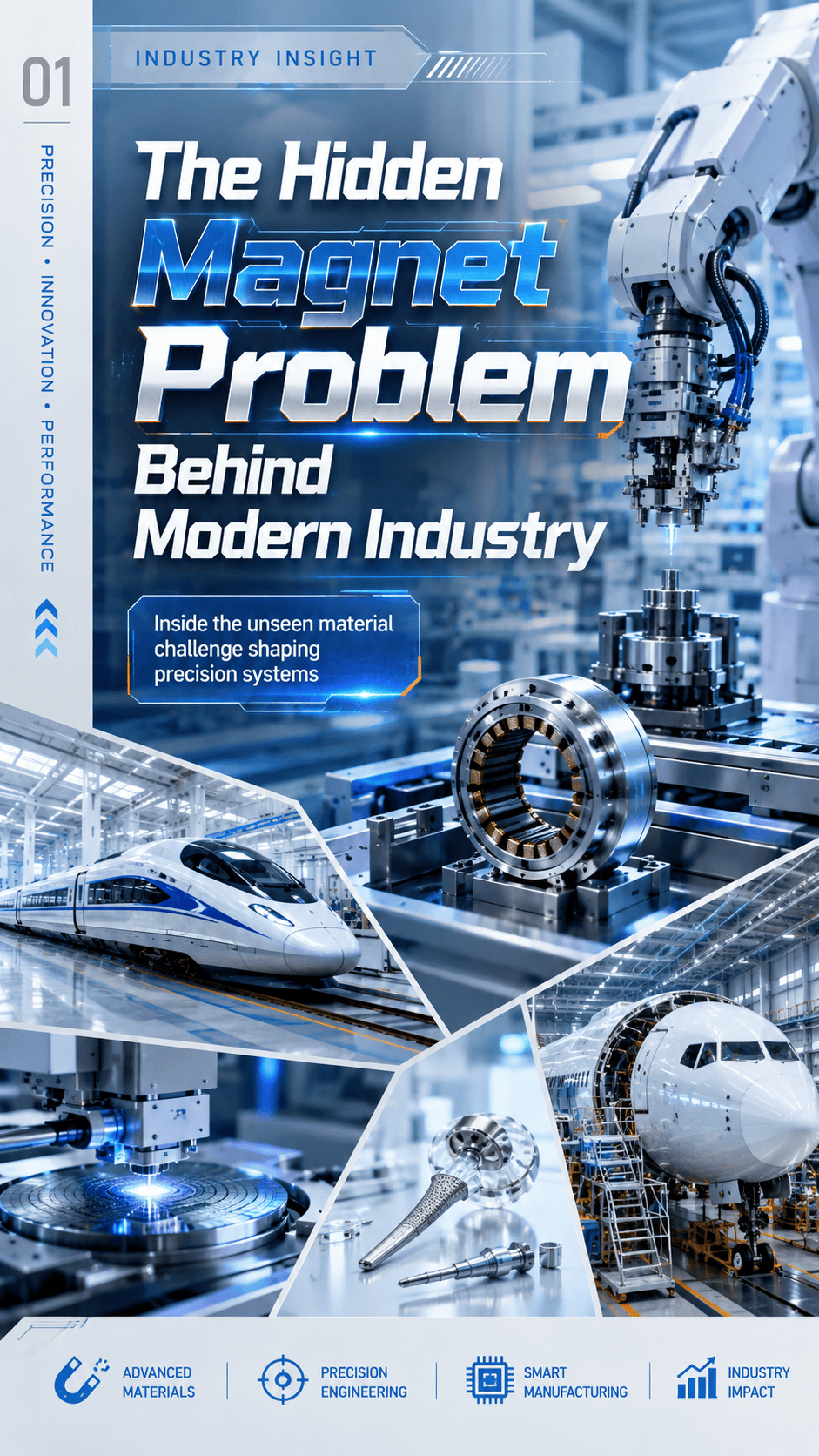
Ore beneficiation is one area where Chinese companies can benefit from the green development of Australia's mining industry. Weng Wubiao, Regional Operations Manager for Australia at Longi Magnet, stated that many Australian mines face declining ore grades and the need to improve resource utilization efficiency. The development of green steel has further driven demand for ore beneficiation technologies. He noted that dry magnetic separation can reduce the load on subsequent grinding and water treatment processes, lower energy consumption, and better align with the direction of green, low-carbon mines. The company's equipment has been applied in several iron ore projects in Australia, helping to improve concentrate grade and resource utilization efficiency. Weng believes that future China-Australia cooperation will extend from traditional iron ore trade to areas such as resource development, ore beneficiation, equipment manufacturing, and low-carbon supply chain construction. Both sides have strong complementarity in high-grade iron ore development, magnetite concentrate, pellets, DRI feedstock preparation, hydrogen metallurgy, and green steel demonstration projects.
China and Australia are also jointly exploring third-party markets, with the Simandou iron ore project being a key example. Michael Apfel stated that Chinese partners have participated in the entire process of project construction, implementation, and governance, playing a crucial role in the project's smooth progress. The international division of labor in the future green steel industrial chain is also emerging as a new direction. Gesa stated that the future green steel industrial chain could become further globalized. Chinese and Australian companies could leverage regions like the Middle East, with lower costs for natural gas and renewable energy, to produce low-carbon DRI, which would then be shipped to steel-consuming countries for steelmaking, forming a new global industrial chain layout.
Related Products
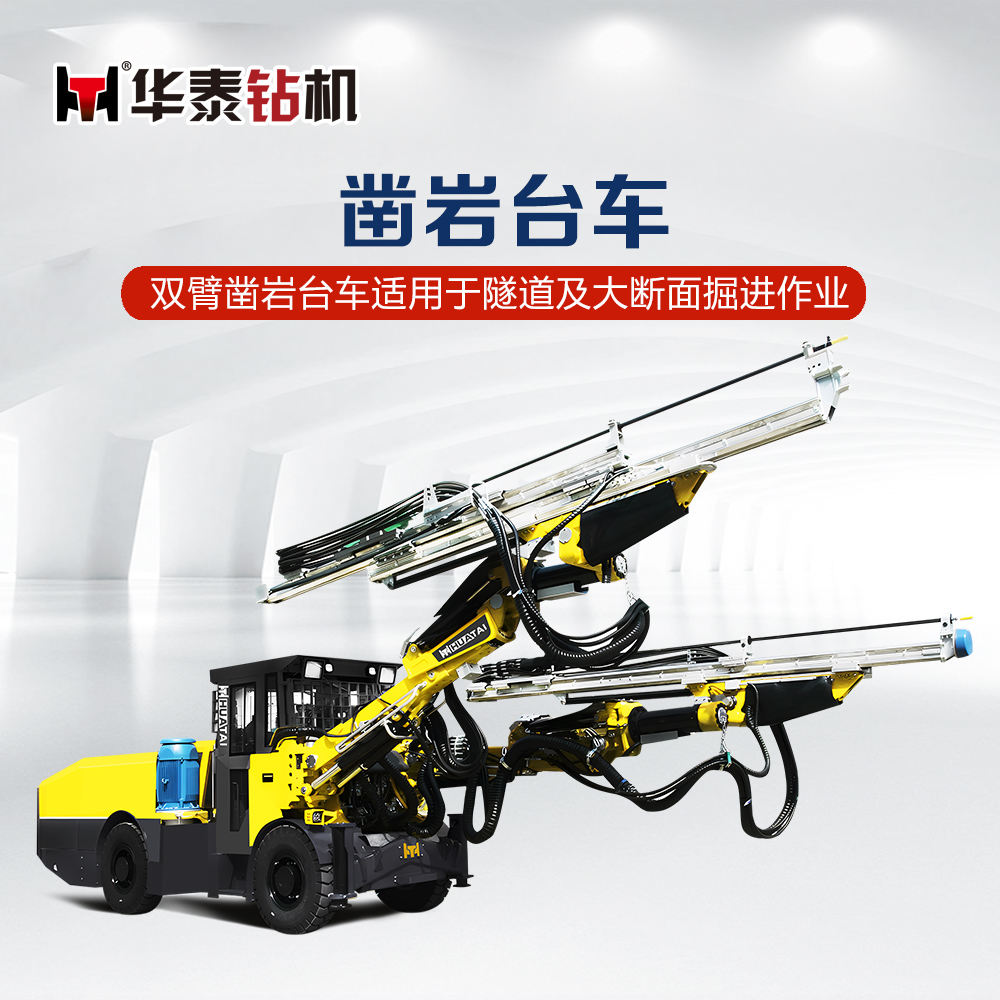

CYTJ45/2 Mining Hydraulic Tunneling Drill Rig
Zhangjiakou Xuanhua Huatai Mining and Metallurgical Machinery Co., Ltd.
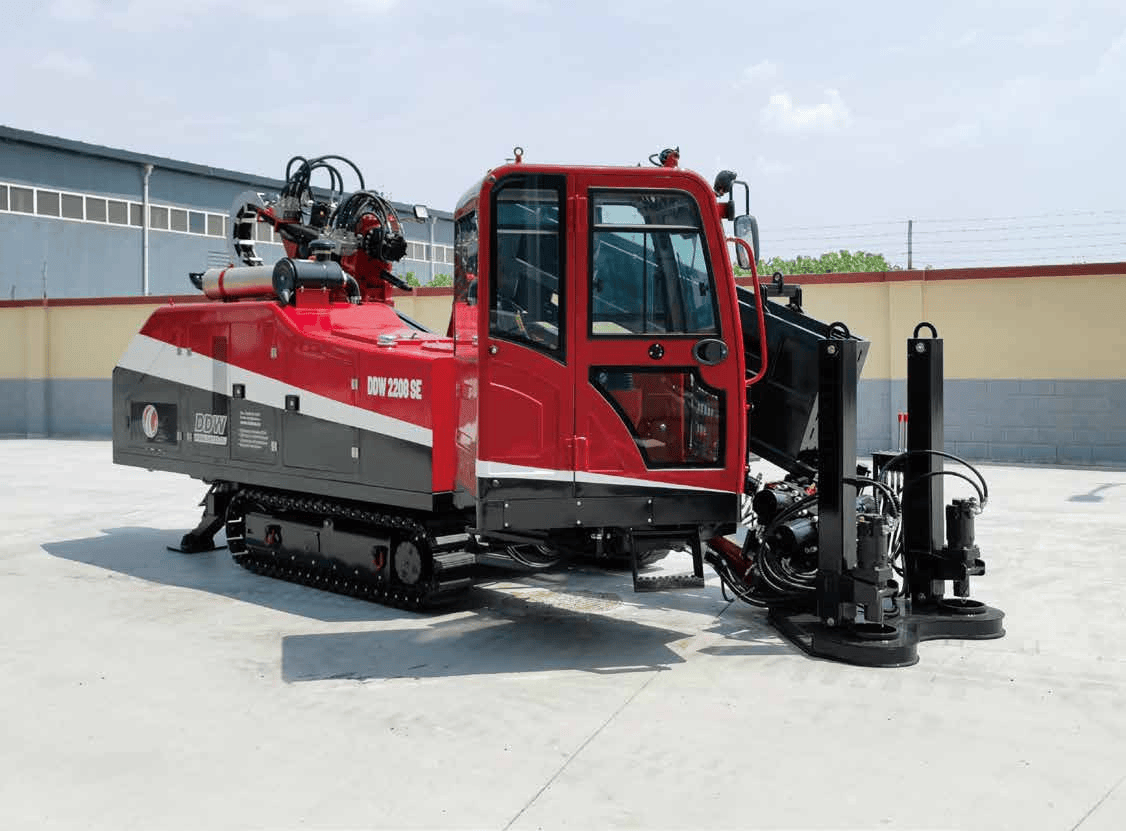
DDW22/08SE-HORIZONTAL DIRECTIONAL DRILL
DW/TXS Construction Equipment (Beijing) Co., Ltd.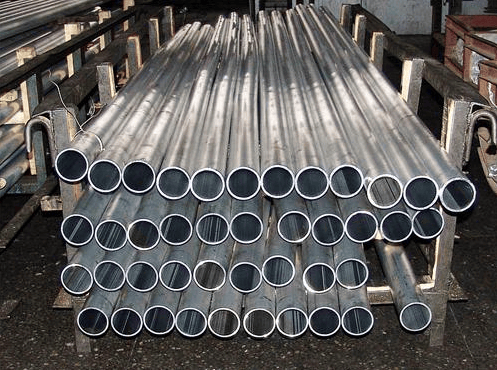
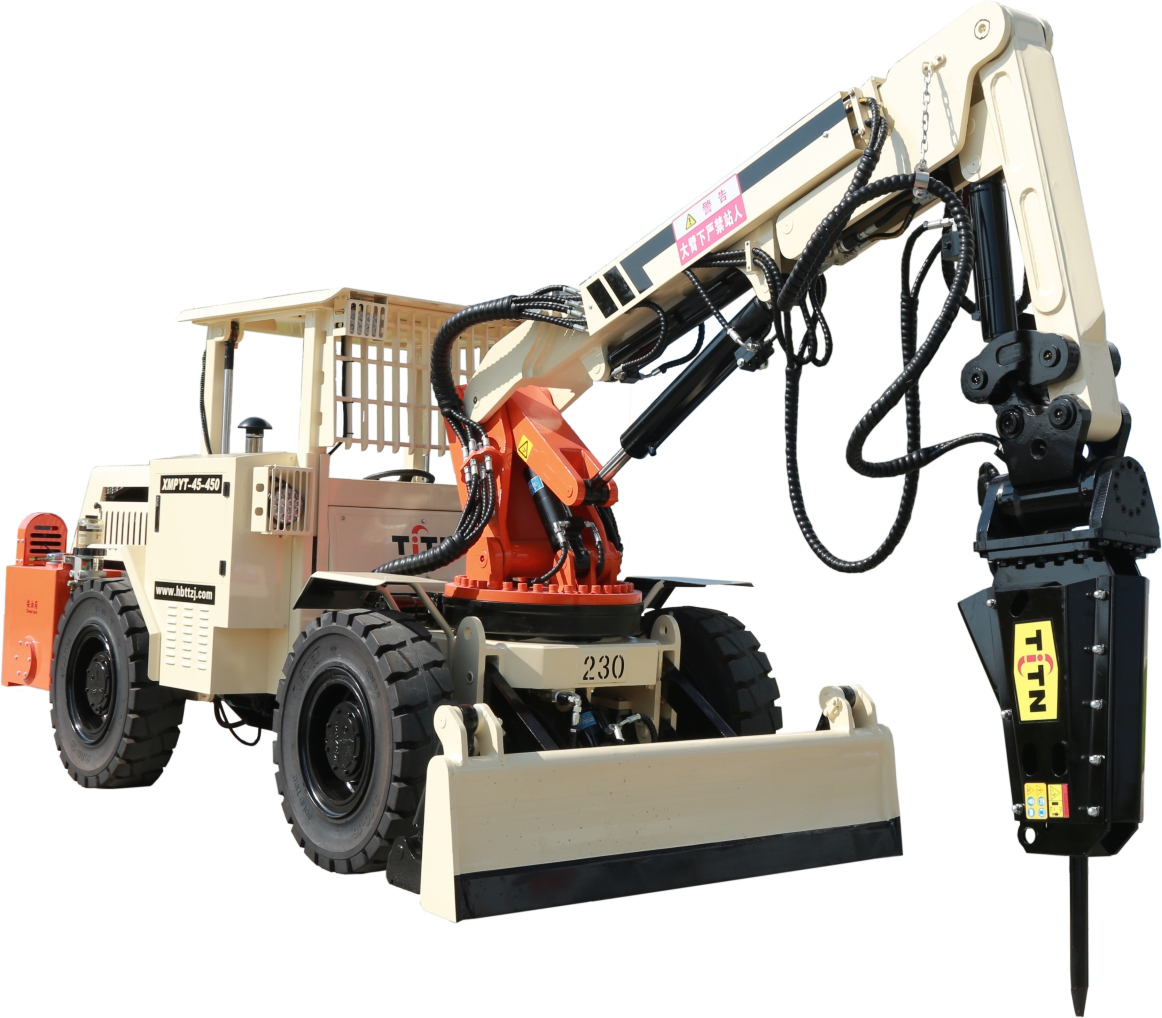
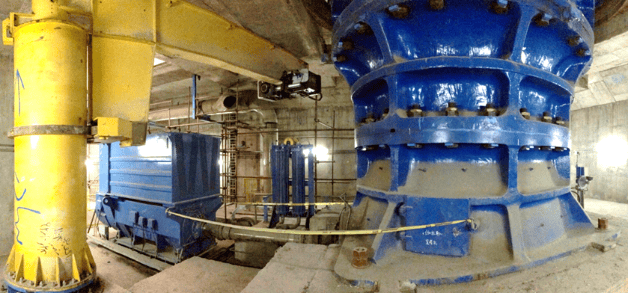

Core Technologies of the Mining Technology and Equipment Business Unit: Efficient Mining Methods and Processes
CHANGSHA INSTITUTE OF MINING RESEARCH CO., LTD.