en.Wedoany.com Reported - Entrepreneurial couple Ana Gervás and David Cantolla have transformed a former printing house built in 1942 on Cuesta de San Vicente in Madrid, Spain, into the Solo Contemporary Art Center. The building once printed official bulletins and textbooks during Franco's dictatorship, and after the printing presses were removed in the 1980s, it sat idle for years. The new venue is approximately three times the size of the couple's original space near Puerta del Alcalá, designed by architect Juan Herreros and his firm Estudio Herreros.
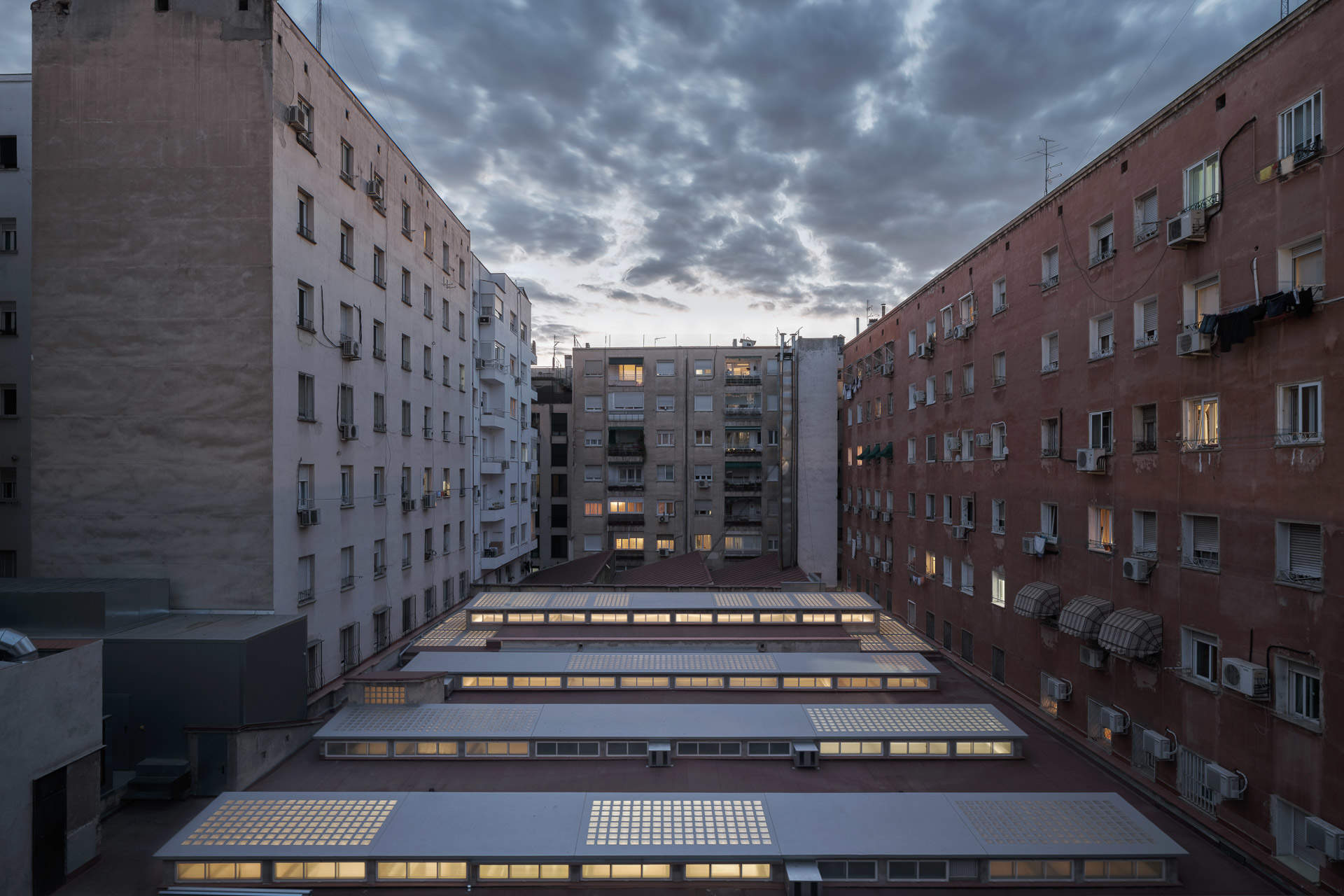
The original site's lack of space prompted the developers to seek a larger location away from the city center, ultimately selecting this industrial building surrounded by nine-story residential towers. Architect Juan Herreros viewed the building's permit drawings as the starting point of a lengthy planning journey, with his firm and the client engaging in dialogue to develop the spatial program—since David Cantolla comes from a creative background, new ideas kept emerging, and the spatial scheme continuously evolved.
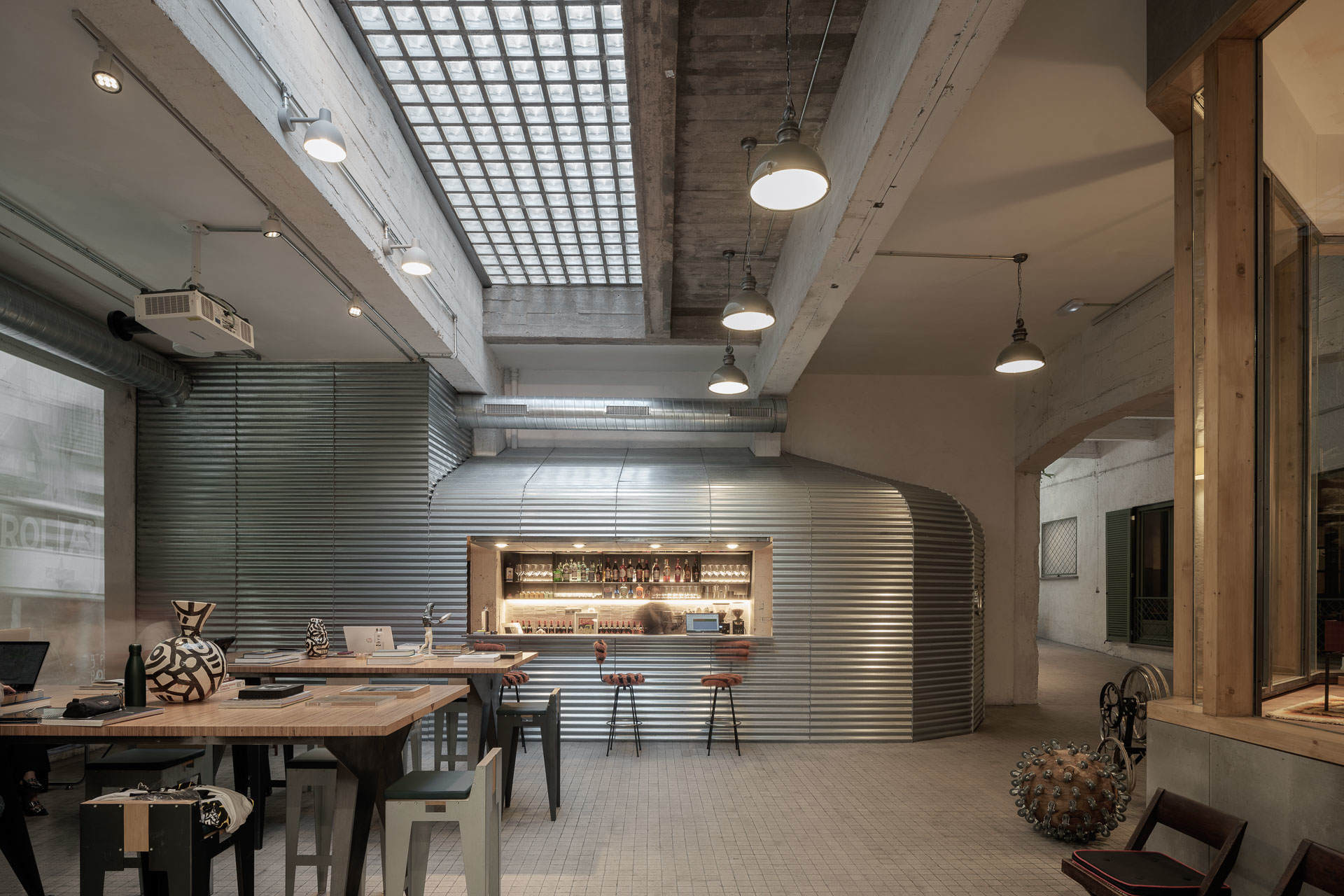
The entire space is centered around two largest areas: the Agora, which can accommodate 400 people, and a flexible exhibition hall. The basement is designed as a museum, featuring a dark colonnaded hall defined by rows of monumental columns. Additionally, there are several smaller rooms with various functions, including a food truck, cinema, library, vinyl record collection area, and a chat room. The back-of-house areas include staff and meeting rooms, a kitchen, and technical spaces to meet the daily operational needs of the cultural center.
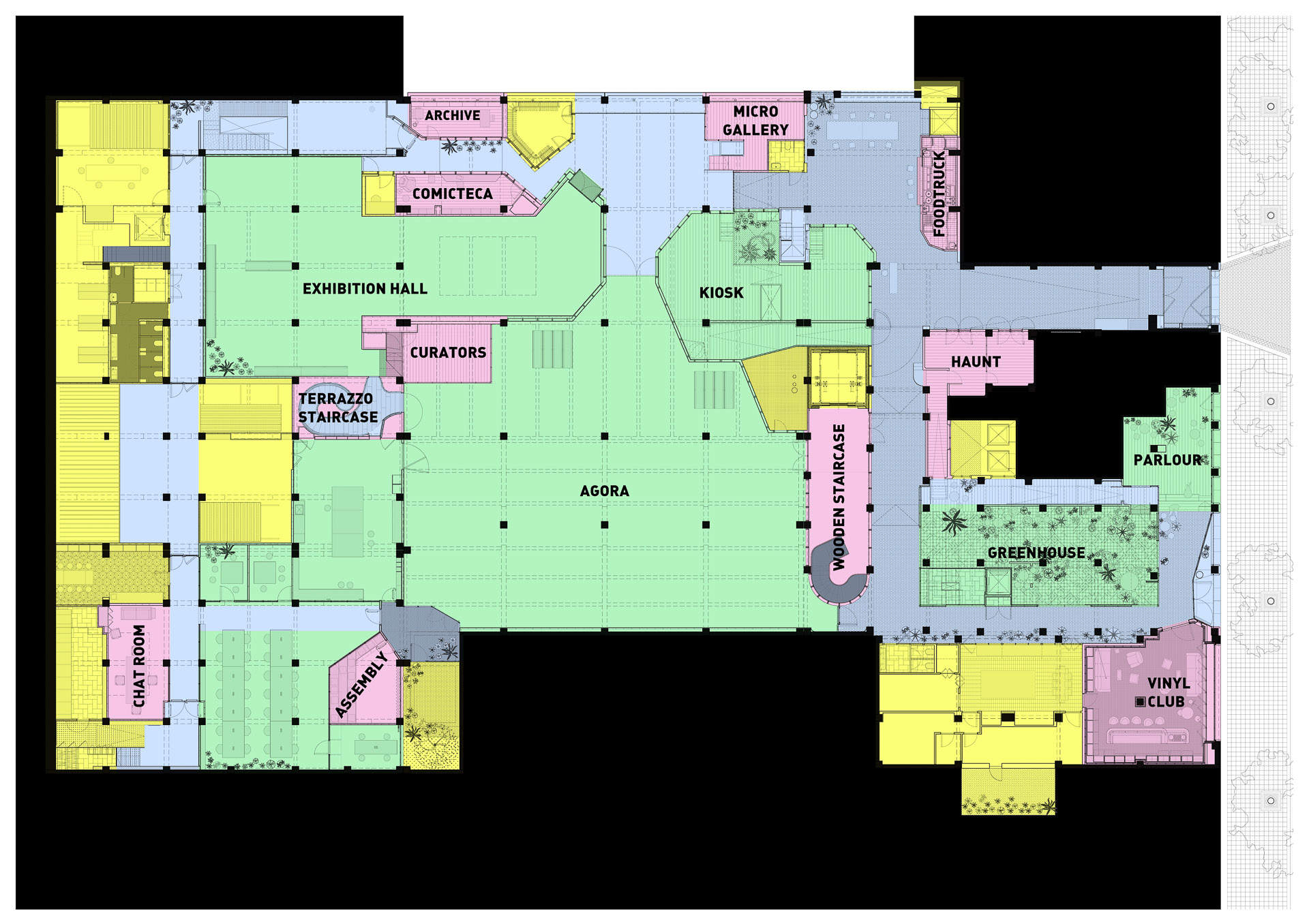
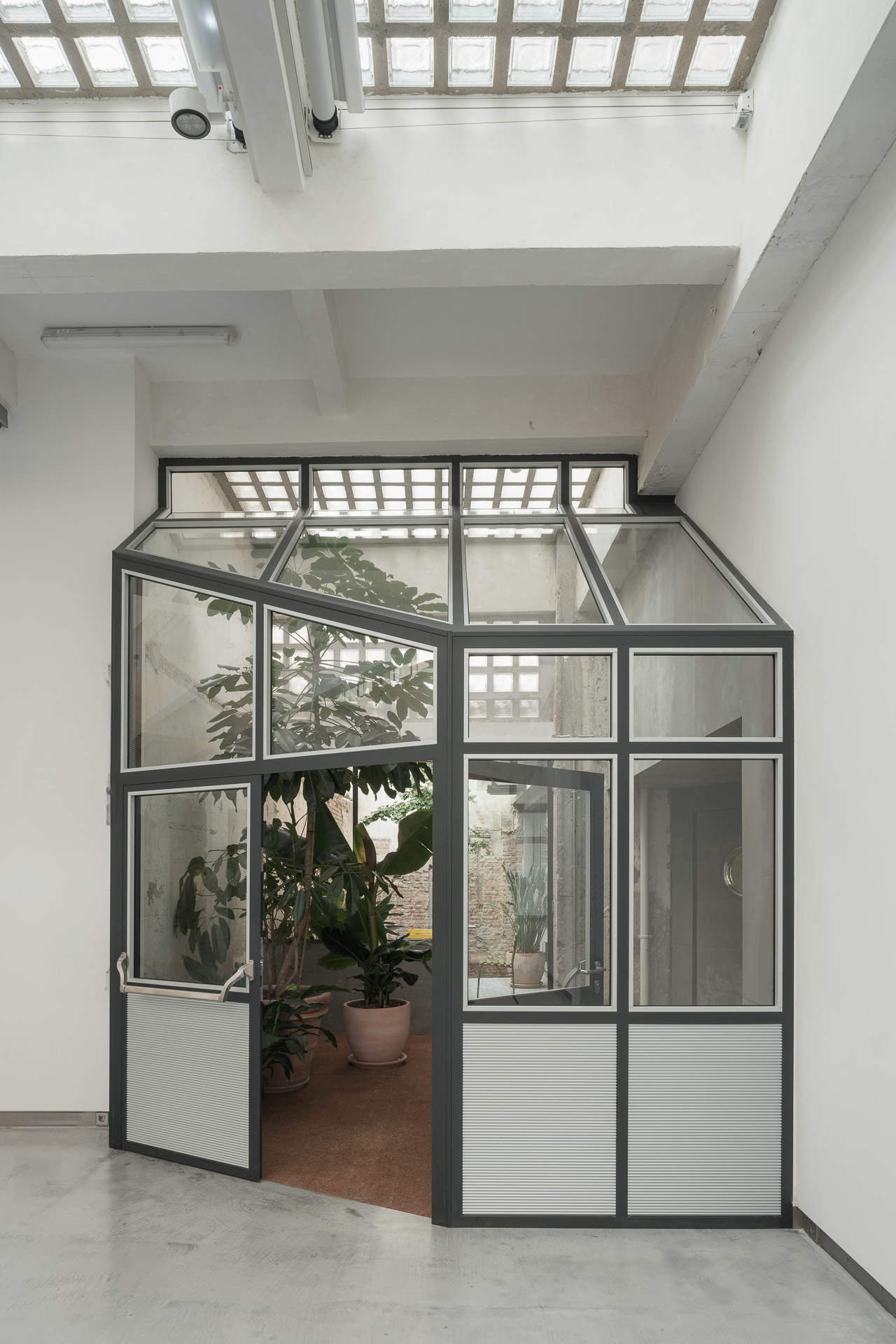
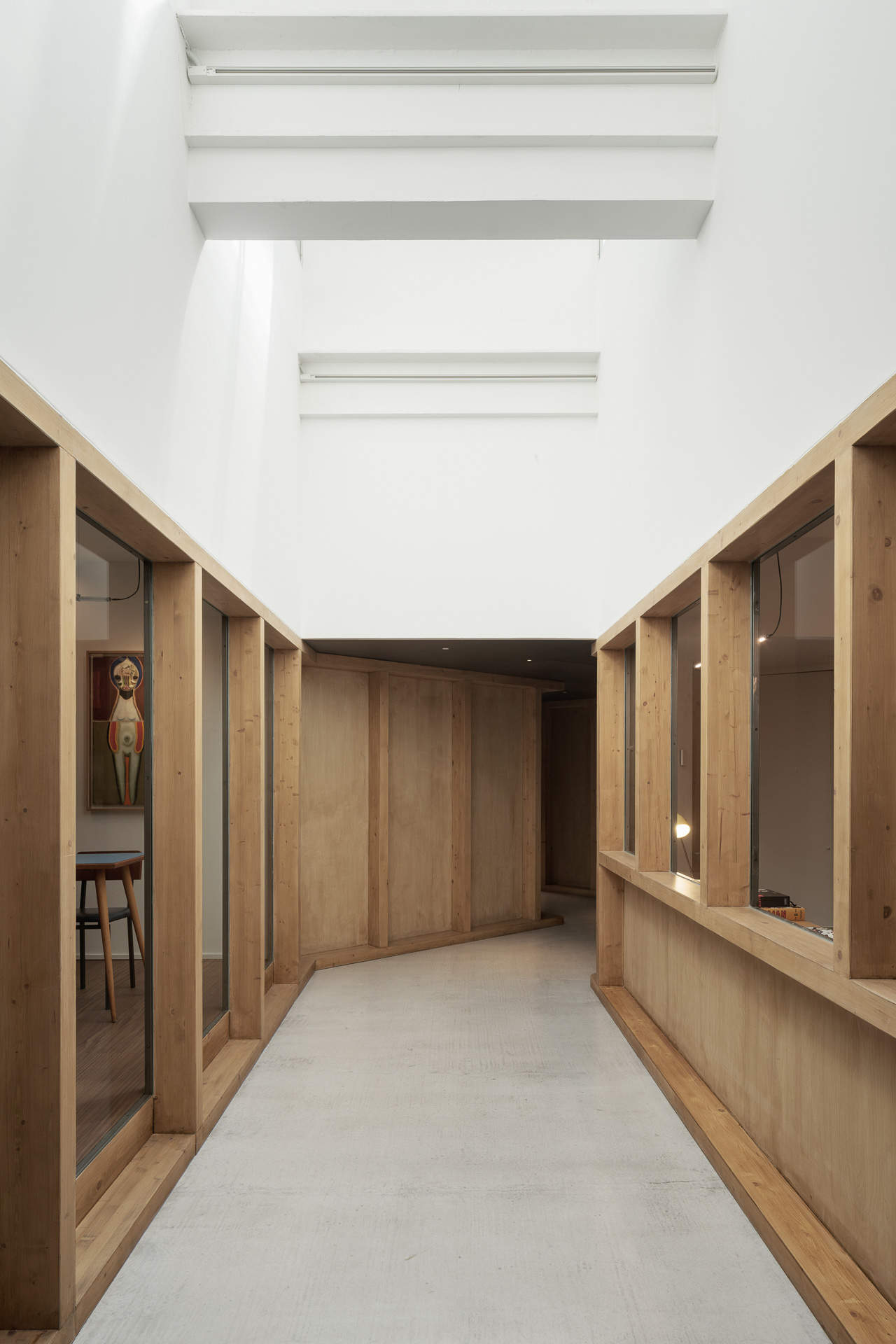
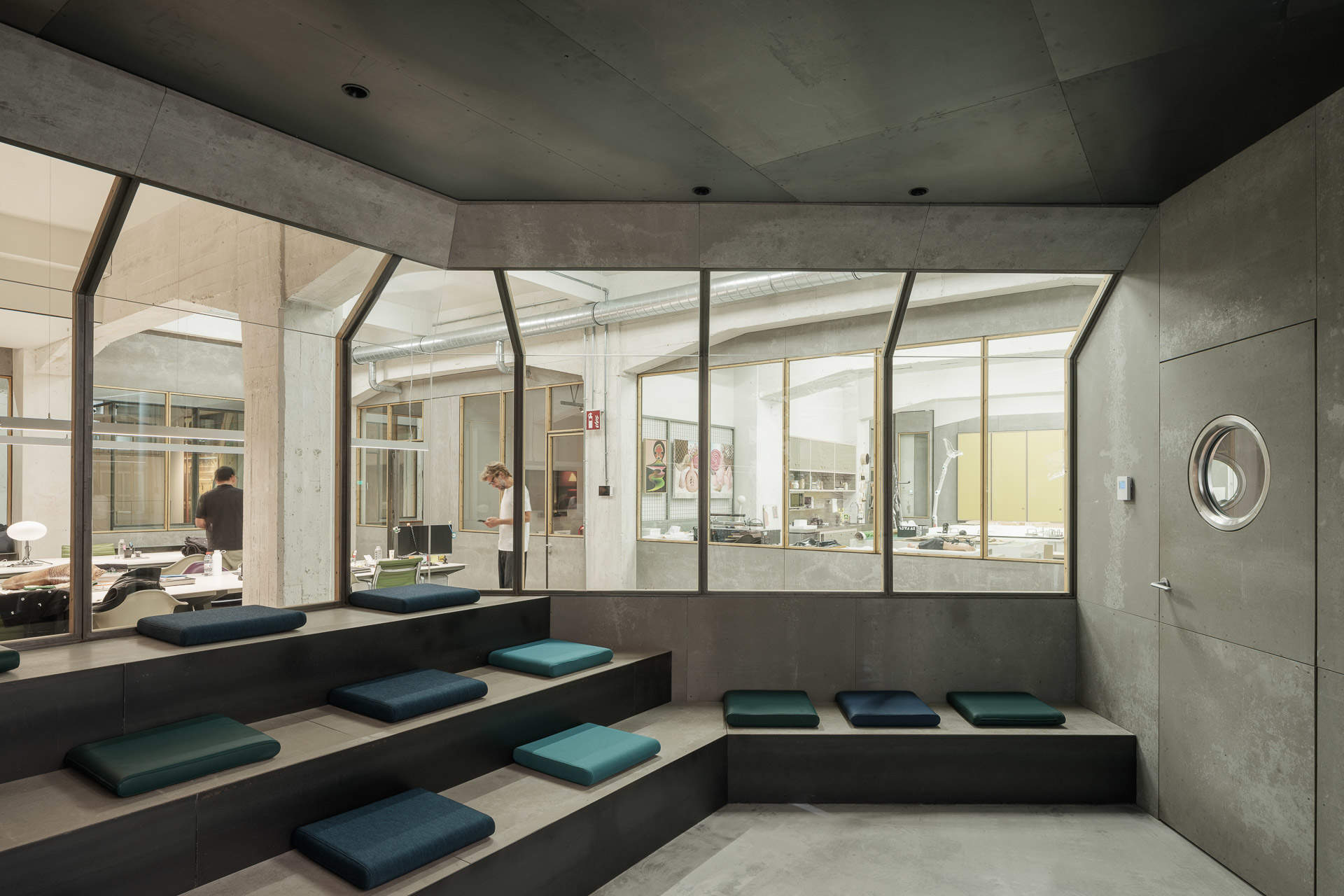
These functions intertwine into a labyrinthine structure, with circulation areas and functional spaces having no clear distinction, lacking traditional corridors and typical interior finishes. Juan Herreros and his partner Jens Richter compare the interior to streets and squares, with facades of built-in elements on either side. The architects preserved the existing concrete skeleton, mottled white paint, and glass brick skylights, restoring them. Experienced carpenters and metalworkers used drywall techniques on-site to construct each compartment, cladding them with wood, wood-cement boards, and metal sheets in various combinations.
Even though Solo CSV is temporarily completed, Juan Herreros continues to receive calls from the client regarding change requests or discussions about spatial concepts. He describes this as both a joy and a headache, while confirming that the collaboration between Estudio Herreros and Solo Contemporary is far from over.