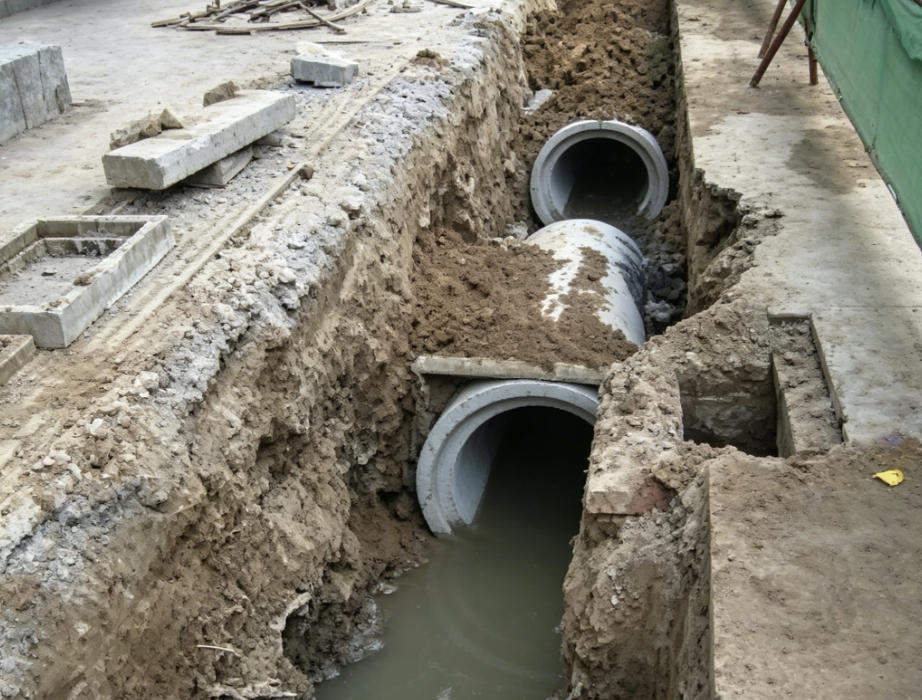
en.Wedoany.com Reported - The Riverbend Water Resources District is constructing its largest-ever water infrastructure project at Wright Patman Lake outside Texarkana, Texas, including a new raw water intake, an 84-inch diameter transmission pipeline, a raw water pump station, a regional treatment plant, and distribution mains to supply water to over a dozen communities in the northeast.
The district's existing system, built in 1968, is aging and lacks operational flexibility, while also needing to address new demands from community development and industrial customer growth. Kyle Dooley, Executive Director of Riverbend, stated that the project must not only increase capacity but also have the ability to convey raw water to support regional economic development and growth.
The new system is designed not only to produce drinking water but also to supply raw water for industrial processes and cooling, supporting potential customers at TexAmericas Center—a 12,000-acre industrial redevelopment site built on the former Lone Star Army Ammunition Plant. Around these two demand curves, the design team made corresponding adjustments to pipeline sizing and treatment plant layout.
The project's 84-inch raw water transmission pipeline is designed to deliver approximately 134 million gallons of raw water per day from Wright Patman Lake to the new treatment plant. However, to address the issue of sediment settling in the pipeline due to low flow rates during the initial phase, the team coordinated water storage, pump station operations, and phased construction to ensure efficient system performance under both current and future flow conditions. Mike McCure, Project Manager at Black & Veatch, noted that this engineering philosophy of meeting current needs while preparing for greater future demands is reflected in every component, including pipelines, pump stations, and the intake.
To address extreme hydrological conditions, the intake connects to an approximately 8,000-foot-long dredged channel, allowing the system to draw water during drought-induced low lake levels; the pump station is built well above predicted flood levels to protect critical equipment. Stephanie Bache, Regional Director at Black & Veatch, stated that the engineering challenge lies in designing infrastructure capable of adapting to both high flood events and droughts.
Kyle Dooley believes the most complex part of the project is not the engineering technology, but rather the state and federal permitting processes and coordination among various stakeholders. The team integrated multiple engineering firms, project managers, construction manager at risk (CMAR) entities, regulatory agencies, and participating communities to advance the project toward its scheduled completion in 2029. Operators were also involved throughout the design process to ensure the system meets daily operational realities. This collaborative model, with shared goals from the outset, is seen as a key factor in the project's success.
By the end of 2029, the new system will replace the aging infrastructure that has served northeastern Texas for over 60 years. The project team concluded that the ultimate success of such large-scale water infrastructure projects largely depends on multi-party collaboration rather than pure engineering technology.