VINCI advances sustainable infrastructure with 26% reduction in carbon emissions
en.Wedoany.com Reported - Isabelle Spiegel, Vice President of Environmental Affairs at French construction and infrastructure company VINCI, recently outlined the company's specific strategies and progress in advancing sustainability in the construction and infrastructure sectors during London Climate Action Week.
VINCI's sustainability strategy focuses on reducing carbon emissions, achieving a 26% reduction in Scope 1 and Scope 2 emissions since 2018 and a 4% reduction in Scope 3 emissions since 2019. The company sources 46% of its electricity from renewable energy, and 32% of its concrete is low-carbon, while also protecting ecosystems through ecological engineering and reducing soil sealing.
To stimulate frontline innovation, VINCI established an internal environmental awards program, receiving up to 1,000 solutions submitted by employees. The company subsequently launched a dedicated initiative to scale and replicate these solutions.
In urban environments, VINCI is promoting the "cool island" solution, which brings nature back to cities through four technical levers: restoring living soil, introducing vegetation, adjusting asphalt color and type, and disconnecting stormwater drainage networks to allow water to infiltrate the ground. This solution won the company's internal grand prize two years ago and is currently being scaled through over 100 projects.
In terms of recycling materials such as concrete, VINCI began setting low-carbon concrete targets seven years ago, using waste from industries such as steel and electricity to partially replace cement. The company aims to achieve 90% low-carbon concrete in all VINCI construction projects by 2030, with this proportion already reaching two-thirds in France.
In water resource management, VINCI focuses on separating stormwater drainage networks and recharging groundwater, while also promoting wastewater reuse solutions. For example, at airports, the company uses nearby municipal wastewater to supply restroom facilities, avoiding the use of drinking water.
Isabelle Spiegel believes that current economic impacts are closely linked to energy and material supply security, as well as environmental and social considerations. This shift means that sustainability issues are now directly tied to business continuity in board-level discussions.
Related Products

West China Xiamen Hospital of Sichuan University
Wuhan Huakang Century Clean Technology Co., Ltd.
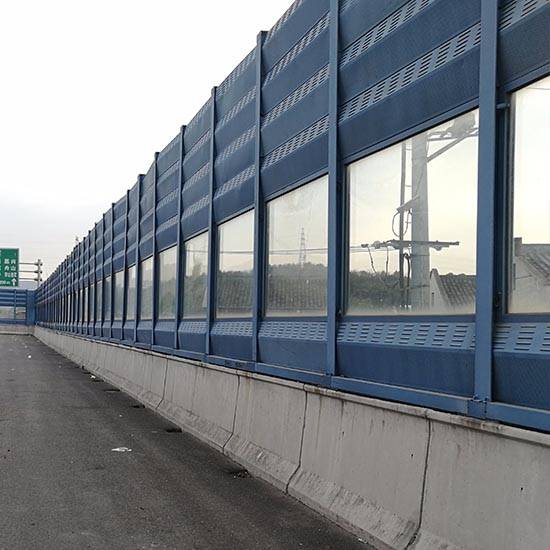
Metal sound barriers that can reduce the transmission of road noise
Hebei Jinbiao Construction Materials Tech Corp., Ltd.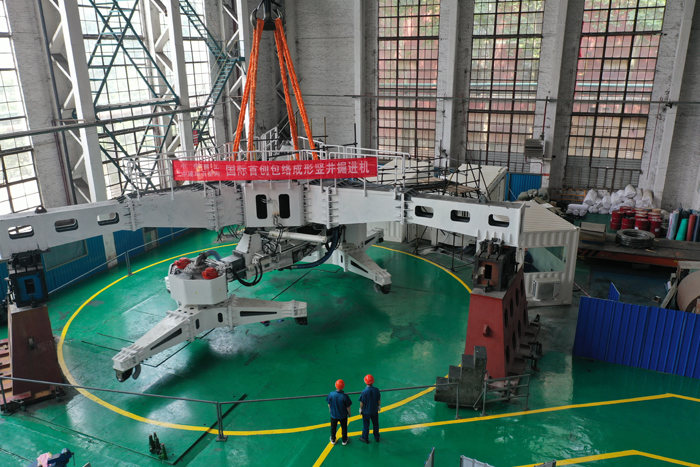
CITIC Heavy Industries Tunneling Equipment Tunnel Engineering Shield Machine
CITIC Heavy Industries Co., Ltd.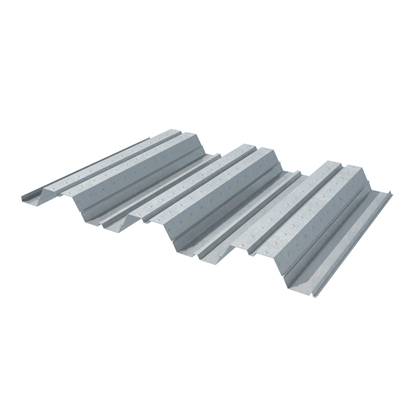
Ultra-Pure Ferrite Stainless Steel Products
Gansu JISCO Group Hongxing Iron and Steel Co., Ltd.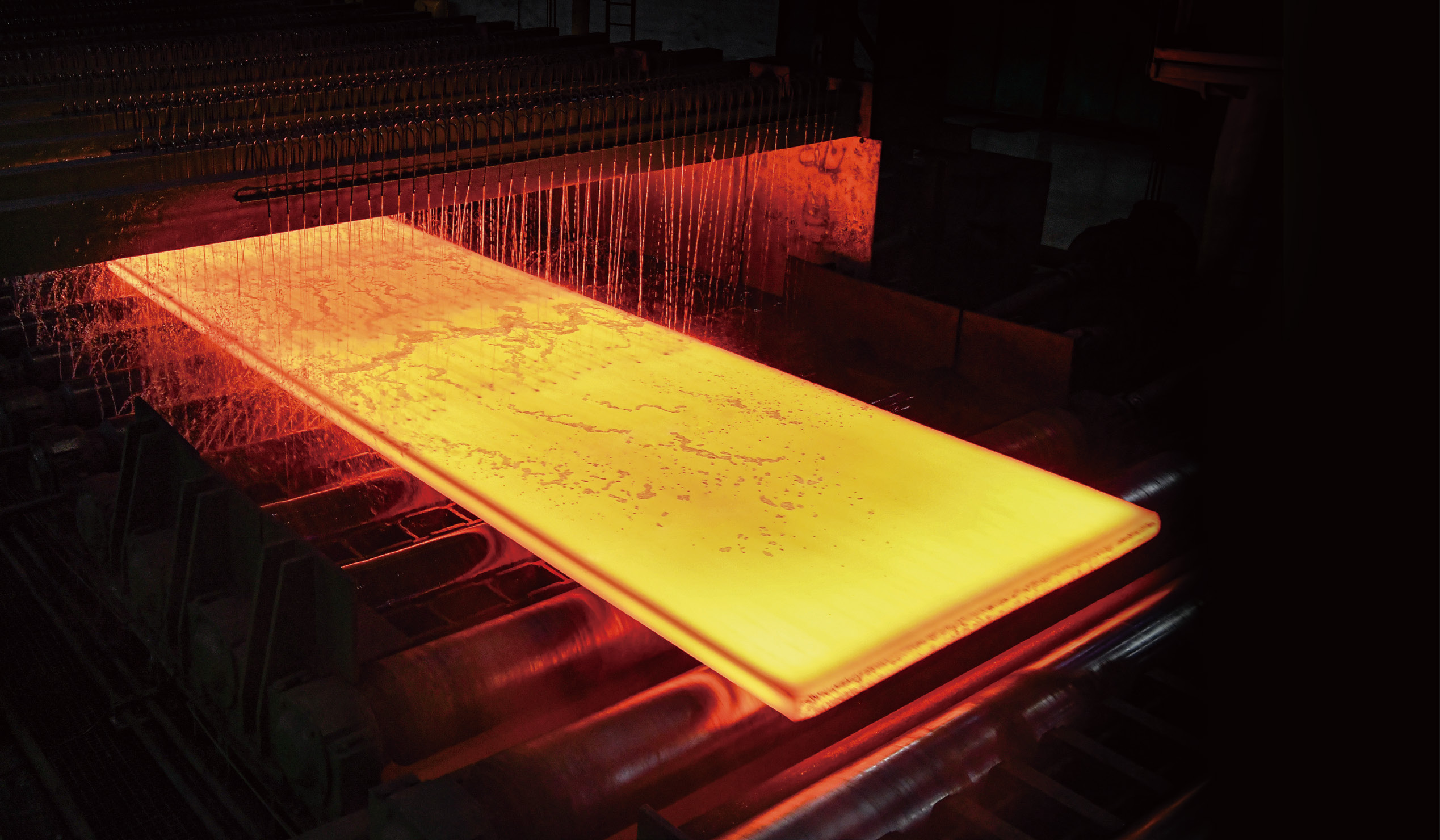
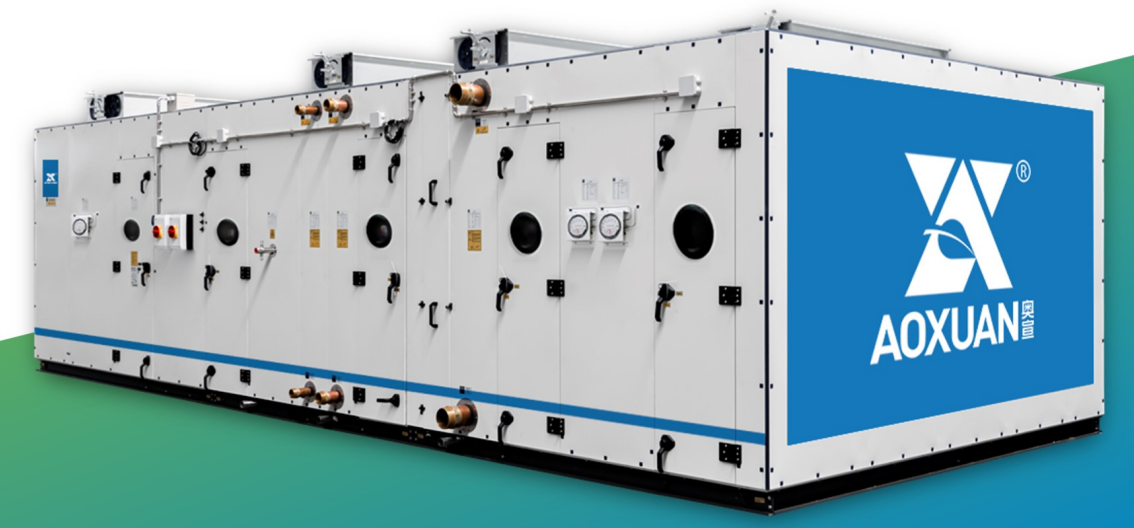
Aoxuan Intelligent Precision Air Conditioning Unit
SHANGHAI AOXUAN PURIFICATION TECHNOLOGY CO., LTD.