Venezuelan Government Launches $200 Million Fund for June Earthquake Reconstruction
en.Wedoany.com Reported - The Venezuelan government has announced the formation of a commission to assess the impact of the earthquake on infrastructure and reconstruction needs. This earthquake is considered the worst natural disaster the country has ever suffered.
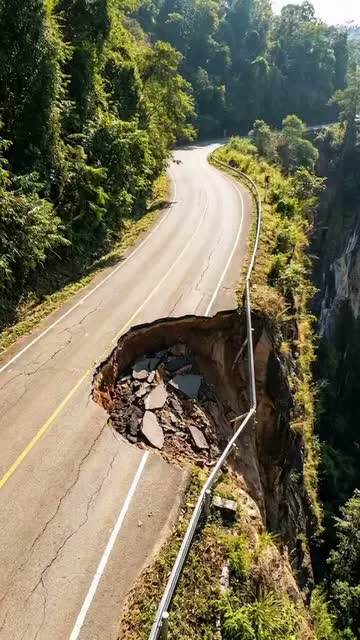
The commission is led by National Assembly President Jorge Rodríguez and includes representatives from government departments handling social affairs, housing, justice and peace, the Bolivarian National Armed Forces, economy and finance, as well as the governors of La Guaira, Aragua, Miranda, Carabobo, and Falcón states. Acting President Delcy Rodríguez stated in a social media post that the meeting discussed buildings severely damaged by the double earthquake on June 24, as well as the situation of people who lost their homes, while also attempting to assess the extent of damage to infrastructure such as the road network.
As of now, the Venezuelan government has recorded 1,450 deaths and at least 3,150 injuries. The National Assembly President stated that this earthquake is the most severe natural disaster in the country's history. The full extent of infrastructure damage remains uncertain, as authorities are still clearing debris from collapsed buildings and properties.
A United Nations statement noted that the country's infrastructure has suffered severe damage, including eight hospitals and Simón Bolívar International Airport. All flights have been suspended, creating significant logistical challenges for the arrival of aid supplies.
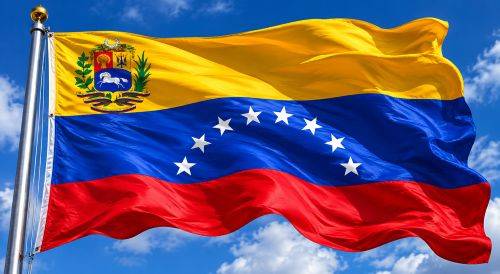
As part of reconstruction efforts, the interim president announced last week the launch of an initial $200 million fund from Venezuela's deposits at the International Monetary Fund (IMF) to rebuild infrastructure and hospitals, and provide housing for those who lost their homes. The UN Emergency Fund has allocated $15 million for emergency activities.
Months before the earthquake, Venezuela experienced a turbulent government transition. In early 2026, then-President Nicolás Maduro was captured by U.S. forces, after which the country came under the interim leadership of Delcy Rodríguez. Since the government change, the country has implemented a series of measures to attract private investors into the most promising economic sectors, such as oil, gas, and mining, and has sought closer ties with the administration of Donald Trump in the United States. According to specialized media reports, before the earthquake, the interim government was preparing to launch a sovereign debt restructuring operation worth approximately $240 billion, considered the largest such operation in the history of sovereign debt.
Experts point out that a humanitarian tragedy occurring within a government with significant structural problems has heightened the risk of social conflict in the country. André Pereira César, an analyst at political analysis firm Hold Consultoria Política, told BNamericas that there are signs of growing discontent among the Venezuelan population with the relief efforts, as the government lacks the institutional capacity to respond to a disaster of this magnitude. Venezuela, already in a complex economic and political situation, faces an increased risk of social conflict escalation in the coming weeks and months. César believes that the possibility of the Venezuelan government independently responding to the aid and reconstruction needs of the entire population is not in sight, and that multiple countries, especially the United States, must collaborate. He stated that this disaster requires a major reconstruction effort that will directly impact U.S. plans and could delay investment processes in sectors such as oil and mining.
Related Products
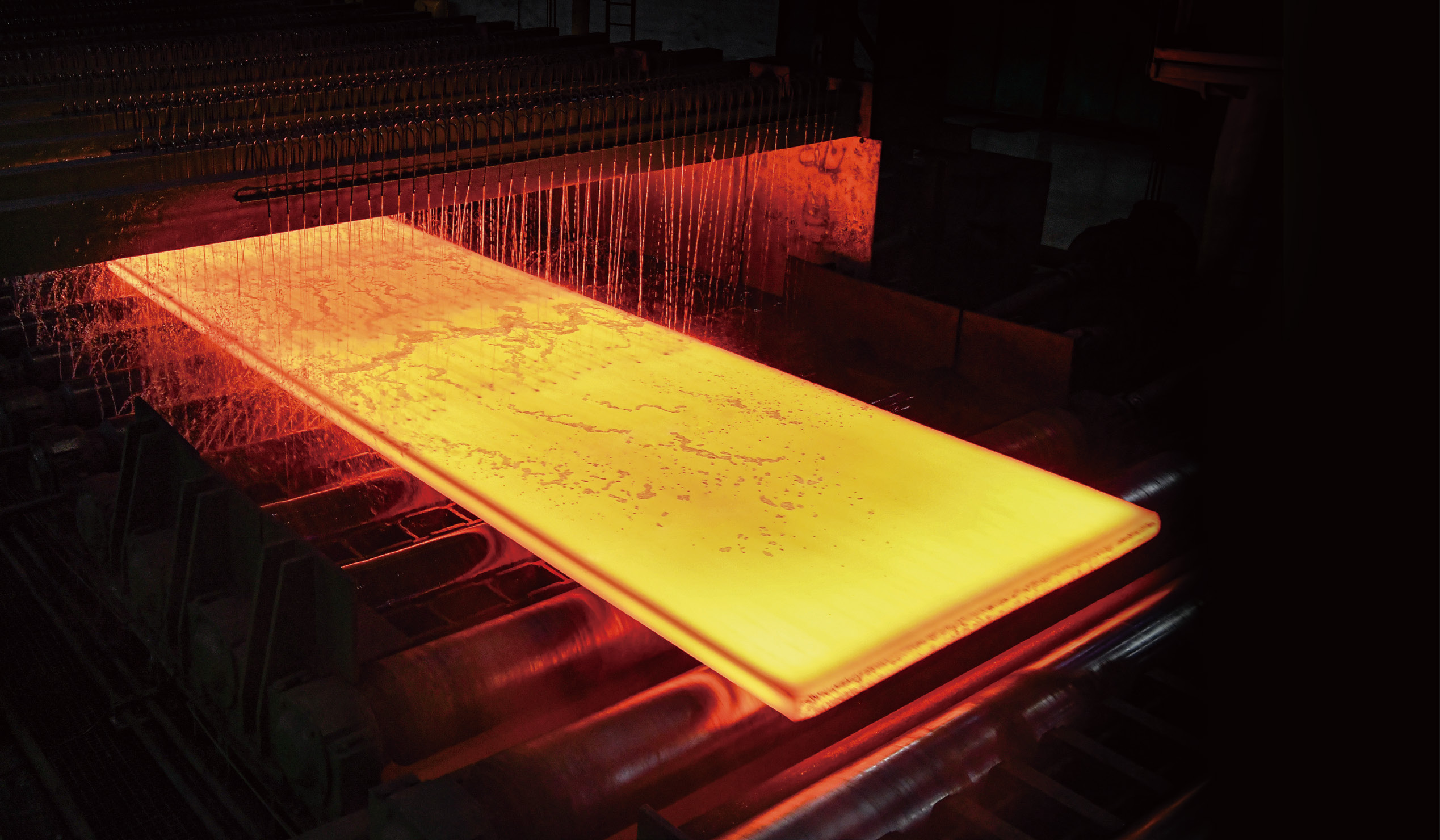

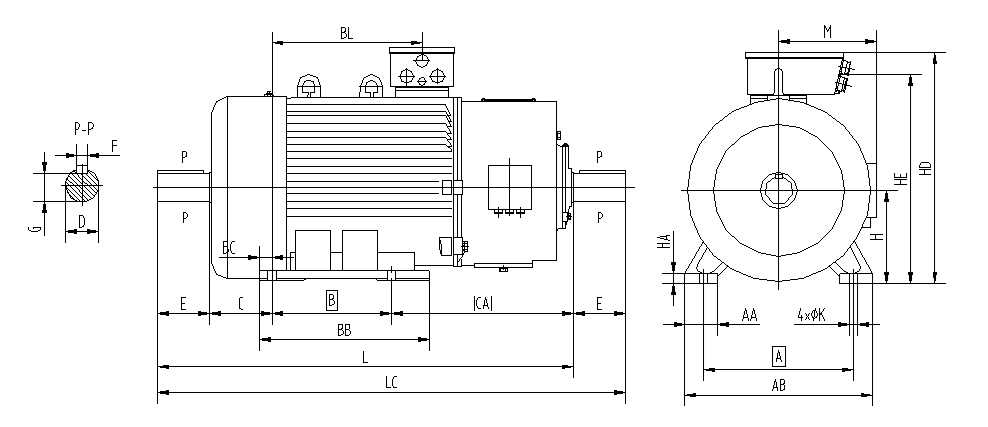
YZR (450-560) Series Wound Rotor Three-Phase Asynchronous Motors for Crane and Metallurgical Applications
Jiamusi Electric Machine Co., Ltd.
Industrial and Commercial Point-Type Gas Detector
Jinan Benan Technology Development Co., Ltd.
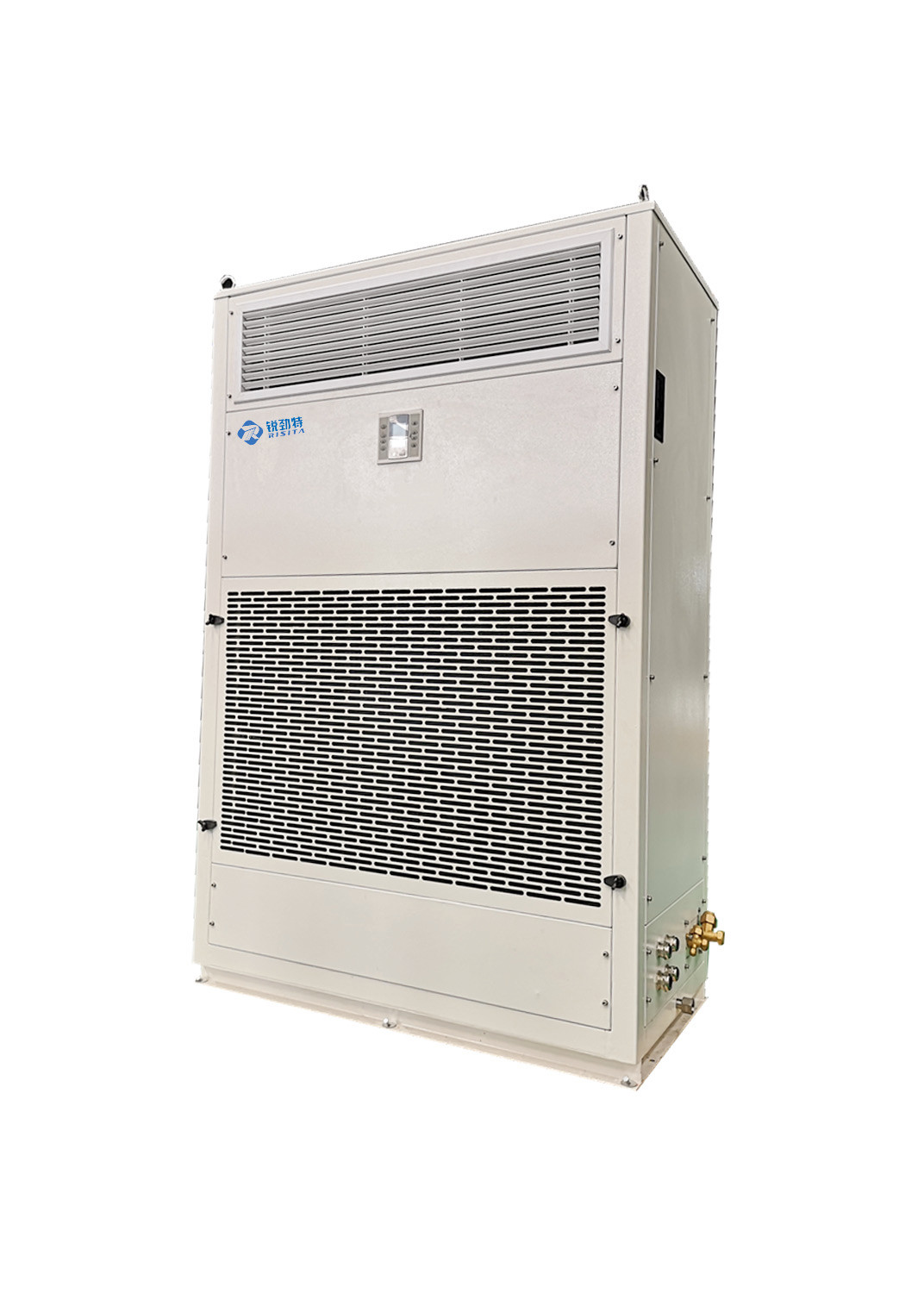
RISITA explosion-proof air conditioning
Guangdong RISITA Air Conditioning Equipment Co.,Ltd.
Ultra-Pure Ferrite Stainless Steel Products
Gansu JISCO Group Hongxing Iron and Steel Co., Ltd.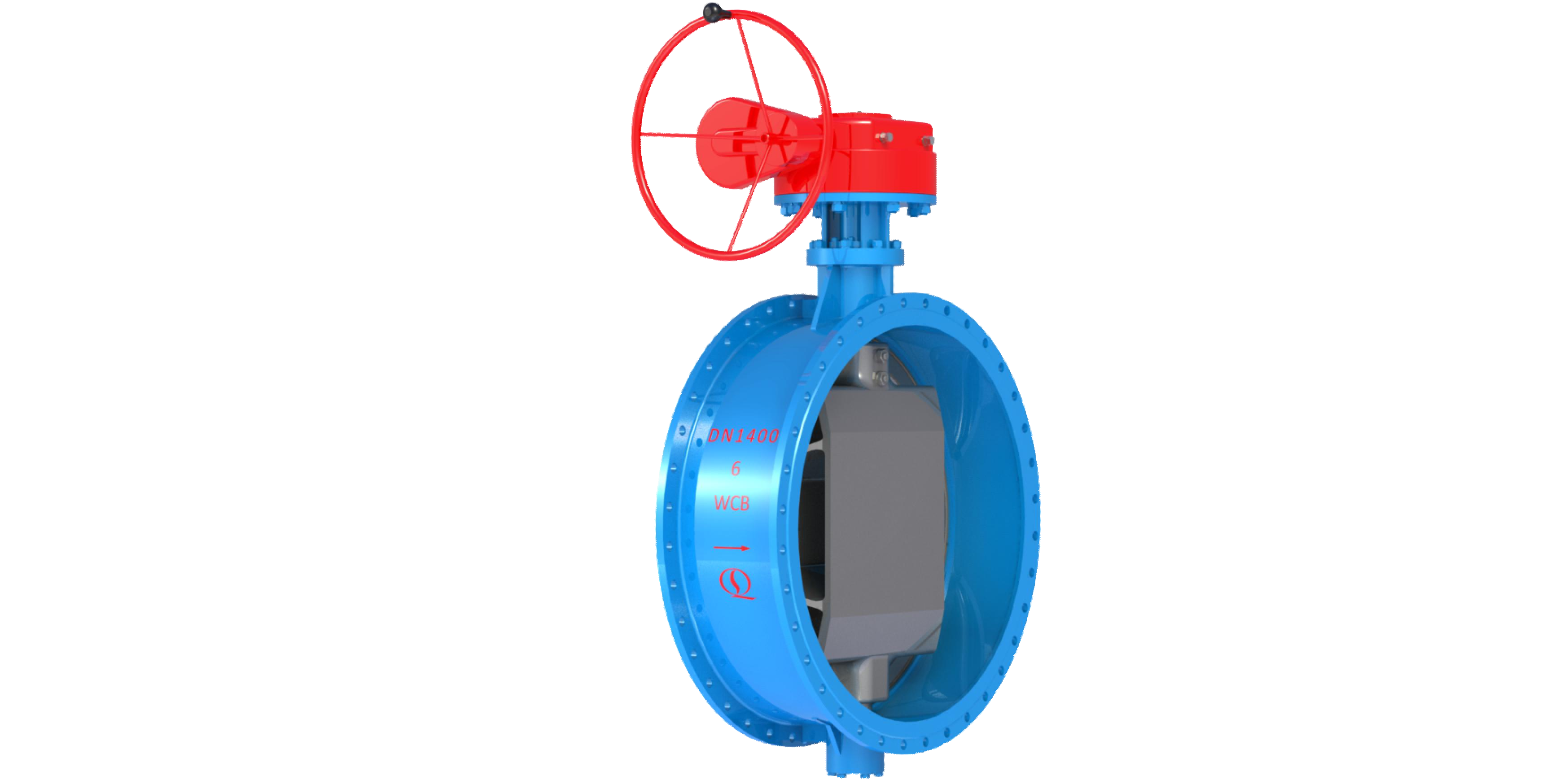
Bidirectional Metal Hard Sealed Seawater Butterfly Valve
Henan Quanshun Flow Control Science & Technology Co., Ltd.