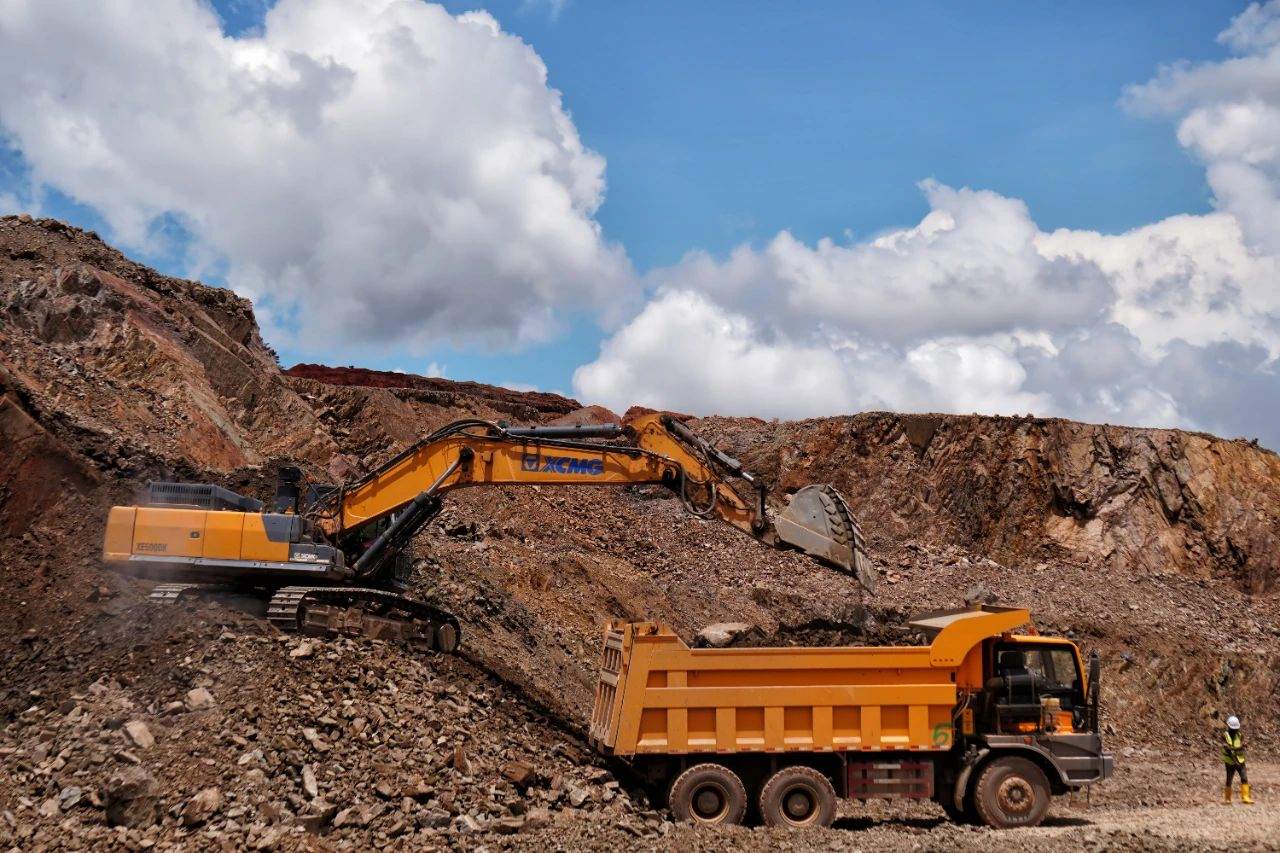
en.Wedoany.com Reported - Lifezone Metals Limited (NYSE: LZM) has signed a 14-month exclusive agreement with the Government of Burundi for the Musongati lateritic nickel project, located in the East African nickel belt, approximately 200 km southwest of the Kabanga nickel project in Tanzania. Historical resource estimates indicate the deposit contains over 140 million tonnes of nickel resources at a grade of 1.31%, with potential by-products including copper, cobalt, platinum group metals (PGM), and scandium.
Musongati will not alter the company's near-term cash flow position, but the strategic framework surrounding Kabanga is evolving, as Lifezone moves from a single-asset developer toward the early structure of a regional nickel platform. Even before a formal acquisition is completed, this shift will influence how investors value the company.
Concentration on a single jurisdiction and single deposit limits institutional underwriting appetite. Lifezone's stated strategy is to evaluate and potentially integrate significant nickel resources along the Kabanga–Musongati corridor. A company with a second large-scale deposit and a disclosed integration strategy presents a risk profile distinctly different from one reliant on a single mine.
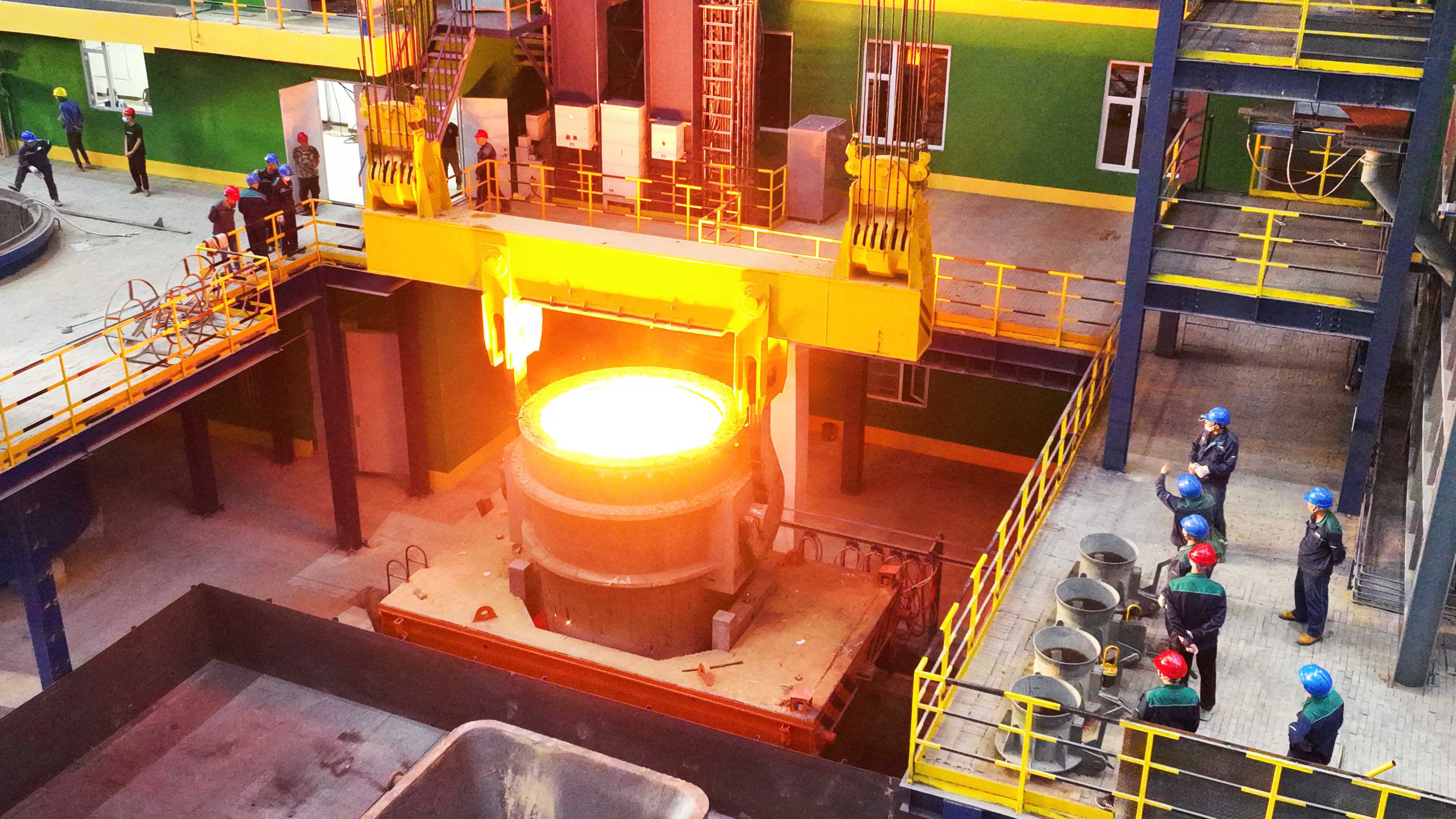
Lifezone's Hydromet technology is currently applied at Kabanga and is being expanded to a US PGM recycling project. Pilot testing in the first quarter of 2026 showed recoveries of up to 99% for platinum and palladium, and up to 95% for rhodium. Proceeds from the April 2026 equity offering will be allocated to Hydromet R&D at Simulus Laboratory, Musongati exploration, and the PGM recycling project. The company is also allocating funds to expand the Hydromet research base and investigate a second nickel system, indicating its processing ambitions extend beyond the single ore body at Kabanga.
Musongati has been the subject of substantial exploration and evaluation over the past 50 years. During the first three months of 2026, Lifezone geologists held multiple meetings with Burundi mining officials, reviewed drilling data, maps, and early studies at the technical library of the Office Burundais des Mines et Carrières (OBM), conducted site inspections of the Musongati project area, and began formulating an initial infill drilling program. The geographic proximity of two large deposits, under active evaluation within a unified strategy, creates conditions for infrastructure and operational overlap.
A processing complex built around the output of a single mine carries capacity concentration risk. If at any point during Kabanga's 18-year mine life, feed material falls below design capacity, downstream refining capacity will be underutilized. With historical resources exceeding 140 million tonnes and by-products including cobalt, copper, PGMs, and scandium, Musongati represents a potential candidate to expand or supplement the feed base.
Sources such as the International Nickel Study Group project a nickel deficit of 32 kilotonnes in 2026, compared to a surplus of 283 kilotonnes in 2025, partly due to the Indonesian government reducing the 2026 nickel ore mining quota to 270 wet metric tonnes from 375 wet metric tonnes in 2025. Lifezone's East African footprint gains commercial relevance against this supply shift. A first-quarter 2026 press release noted good progress in multiple long-term concentrate offtake negotiations for Kabanga, with buyers seeking to reduce dependence on Indonesian supply evaluating the durability and scalability of the supply chain.
The exclusive agreement avoids the capital exposure of a direct acquisition. Lifezone has the right to evaluate Musongati for 14 months without any development capital obligations or formal purchase requirement. Funding is ring-fenced from Kabanga's project financing structure: the Taurus Mining Finance senior secured bridge loan facility is allocated to Kabanga's final investment decision pre-activities, while Musongati activities are separately funded by a $25 million registered direct offering that closed on April 23, 2026, with net proceeds of $23.3 million explicitly allocated to exploration in Burundi and Tanzania, PGM recycling, and Hydromet research.
The first-quarter 2026 press release and presentation documented financing processes across multiple parallel workstreams: a $60 million bridge loan from Taurus Mining Finance; a project financing process led by Societe Generale, including roadshows and selection of development finance institutions and export credit agency first movers; the US International Development Finance Corporation having completed due diligence with other workstreams advancing; and Standard Chartered Bank leading the receipt of multiple offers for potential strategic investment in Kabanga, with a process involving major mining companies, sovereign investors, and private equity. A company with a disclosed regional consolidation strategy and a second large deposit under an exclusive agreement presents lenders with a different long-term corporate profile than a single-asset developer.
Chief Financial Officer Ingo Hofmaier stated: "The first quarter of 2026 was another period of disciplined execution, as we advanced the Kabanga nickel project, opened a new pathway through the exclusive agreement for the Musongati nickel project, and produced platinum, palladium, and rhodium for the first time from the US PGM recycling project in pilot testing at Simulus."
A 14-month exclusive option on a deposit with resources exceeding 140 million tonnes at a nickel grade of 1.31%, with funding ring-fenced from Kabanga's financing structure and supported by active early technical work, constitutes a capital-disciplined option at a critical stage of the company's development. Key outstanding questions remain: whether the initial infill drilling program will yield updated geological work supporting the historical resources; whether formal acquisition terms will be disclosed within the 14-month exclusive window; and how the regional consolidation thesis will be incorporated into ongoing strategic partnership and project financing discussions for Kabanga.