Technical University of Denmark Proposes New Method for Detecting Low-Energy Cracks in PV Modules Using Daylight EL Imaging
en.Wedoany.com Reported - Researchers at the Technical University of Denmark have proposed that low-energy cracks in the front glass of photovoltaic modules can be detected through daylight electroluminescence (EL) imaging.
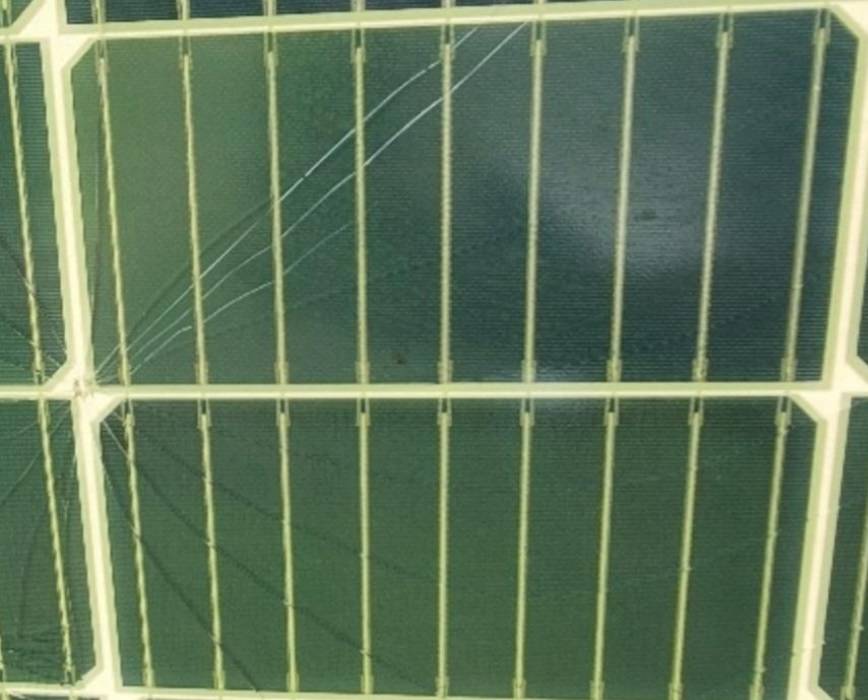
Low-energy cracks refer to cracks that initially cause only localized damage, show no significant propagation, but have the potential to expand over time. Due to their subtle nature, these cracks are often overlooked during large-scale inspections. Traditional EL imaging is used to identify defects in solar cell materials, while glass crack detection relies on visual inspection or infrared imaging. Corresponding author Rodrigo del Prado Santamaría stated that this study demonstrates that low-energy cracks in photovoltaic module glass can be consistently detected using daylight EL imaging acquired under moving conditions, and a single daylight EL inspection can simultaneously provide information on both cell internal defects and glass cracks.
Del Prado Santamaría added that this method can detect cracks invisible in conventional RGB images and infrared thermography. During drone-based daylight EL inspections, small movements between frames cause subtle changes in how sunlight reflects off the cracked glass surface, and after image reconstruction, these changes make the cracks more prominent. The method first directly biases the photovoltaic module with a modulated current to emit an EL signal, then an InGaAs short-wave infrared (SWIR) camera records multiple daylight images under slight movement. Software detects module corner points and performs tracking alignment, applying fast Fourier transform (FFT) processing to extract the EL signal and reduce daylight noise. The reconstructed images display both conventional EL information and glass cracks made visible by changes in daylight reflection.
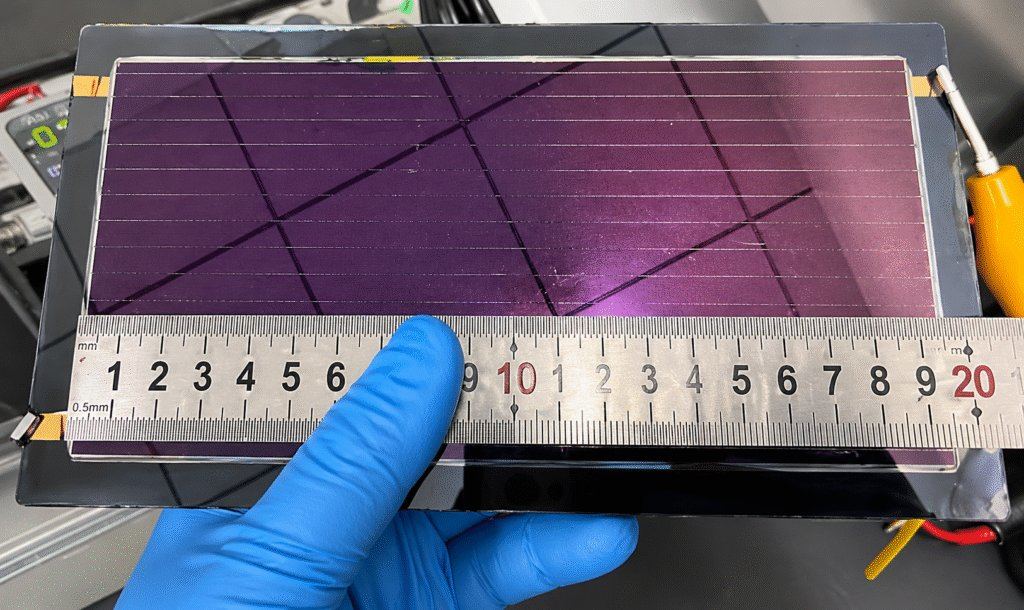
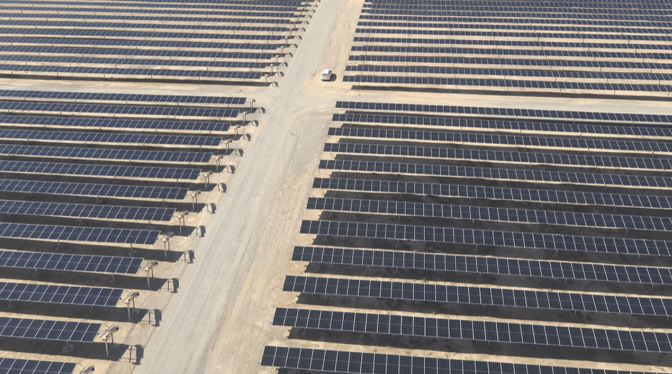
The InGaAs SWIR camera is a device equipped with an indium gallium arsenide sensor, capable of capturing SWIR band signals invisible to the human eye, used for electroluminescence inspection of solar modules. The researchers evaluated the method in two ways: first, using a 305-watt glass-glass photovoltaic module with pre-cracked glass, manually introducing slight camera movement under controlled laboratory daylight conditions to simulate drone motion; second, conducting real drone inspection validation at the university's photovoltaic power station, using a commercial drone equipped with an InGaAs camera to inspect operating modules under daylight conditions, with results compared to conventional RGB images and infrared thermography.
The research team stated that the results confirm the feasibility of the method. When using a 640×512 pixel InGaAs camera, the optimal image acquisition distance is 8 to 12 meters, with detection reliability decreasing at distances exceeding 15 meters. Del Prado Santamaría noted that the research team is exploring whether the same detection mechanism can be achieved using only SWIR imaging without electrical modulation, and is interested in the influence of factors such as solar irradiance, viewing angle, and camera characteristics. The ultimate goal is to develop a drone-based inspection system capable of simultaneously identifying multiple defect types. The study is published in the journal Solar Energy under the title "A novel method for detecting low-energy front glass cracks in photovoltaic modules using daylight electroluminescence imaging."
Related Products





Pneumatic high-pressure wear-resistant ball valve
Zhejiang Deca Control Valve Meter Co., Ltd.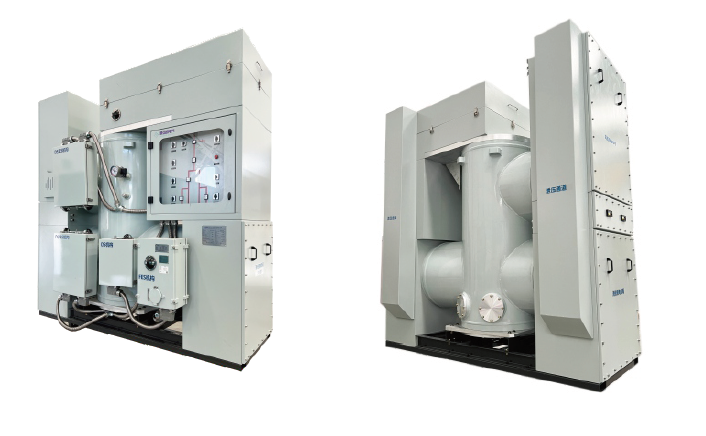
72.5kV 1250A 31.5kA SF6 free Gas-insulated Metal-enclosed Switchgear
Zhejiang Juhonkia Intelligent Electric Co., Ltd.
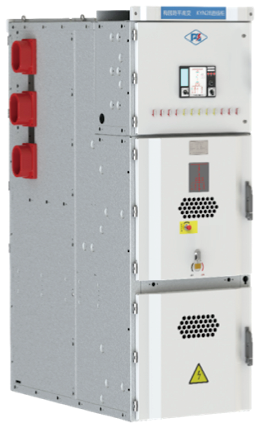
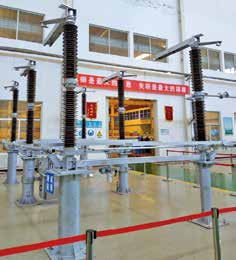
GW4-40.5/72.5/126/145/170/252/363/420 Series Double-column Horizontal Rotary High-voltage AC Disconnect Switch
SHANDONG TAIKAI DISCONNECTORS CO., LTD.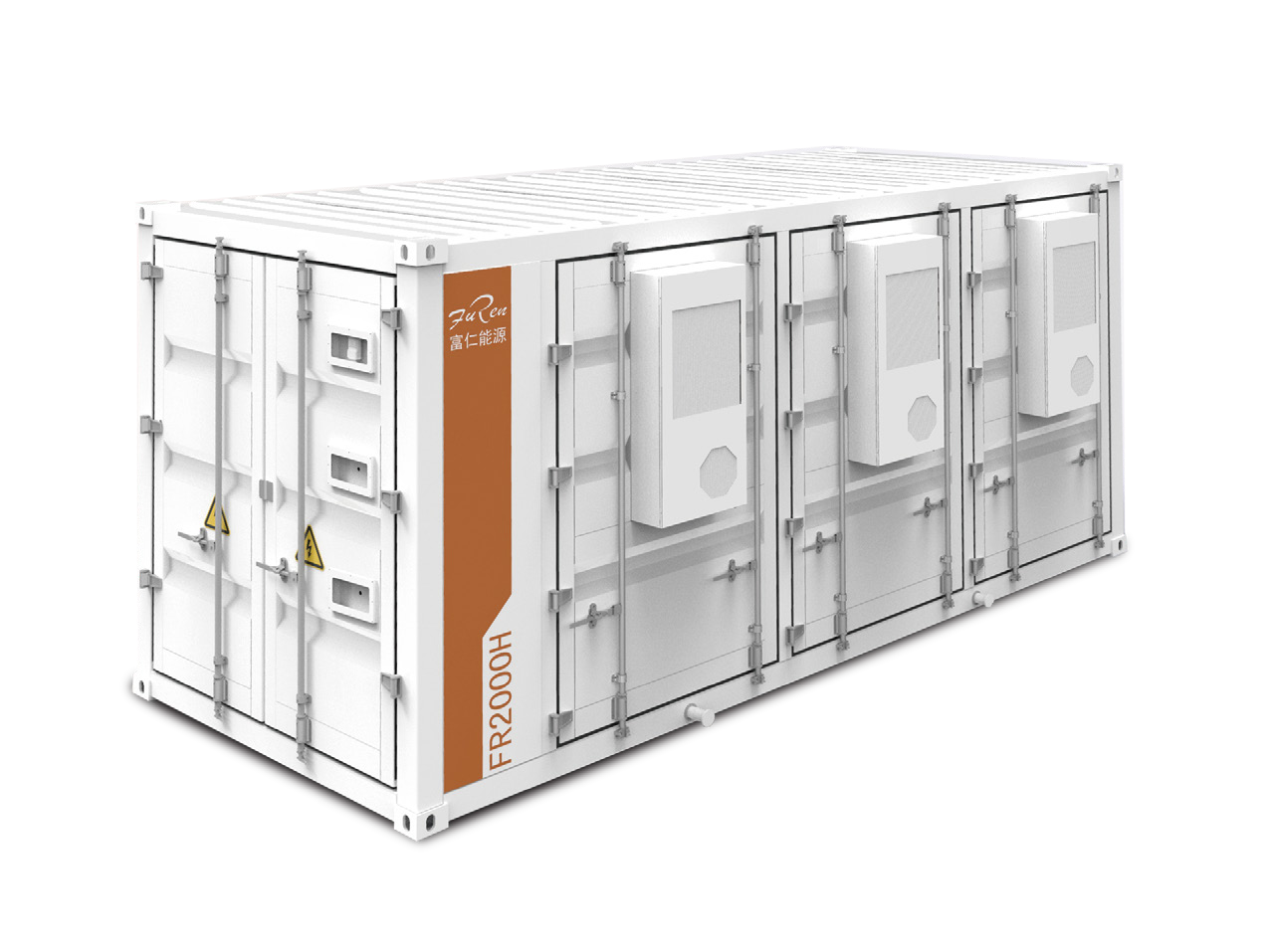
FR2000H 2.15MWh (Air-cooled) 20-foot Containerized Energy Storage System
Jiangyin Furen High-tech Co., Ltd.
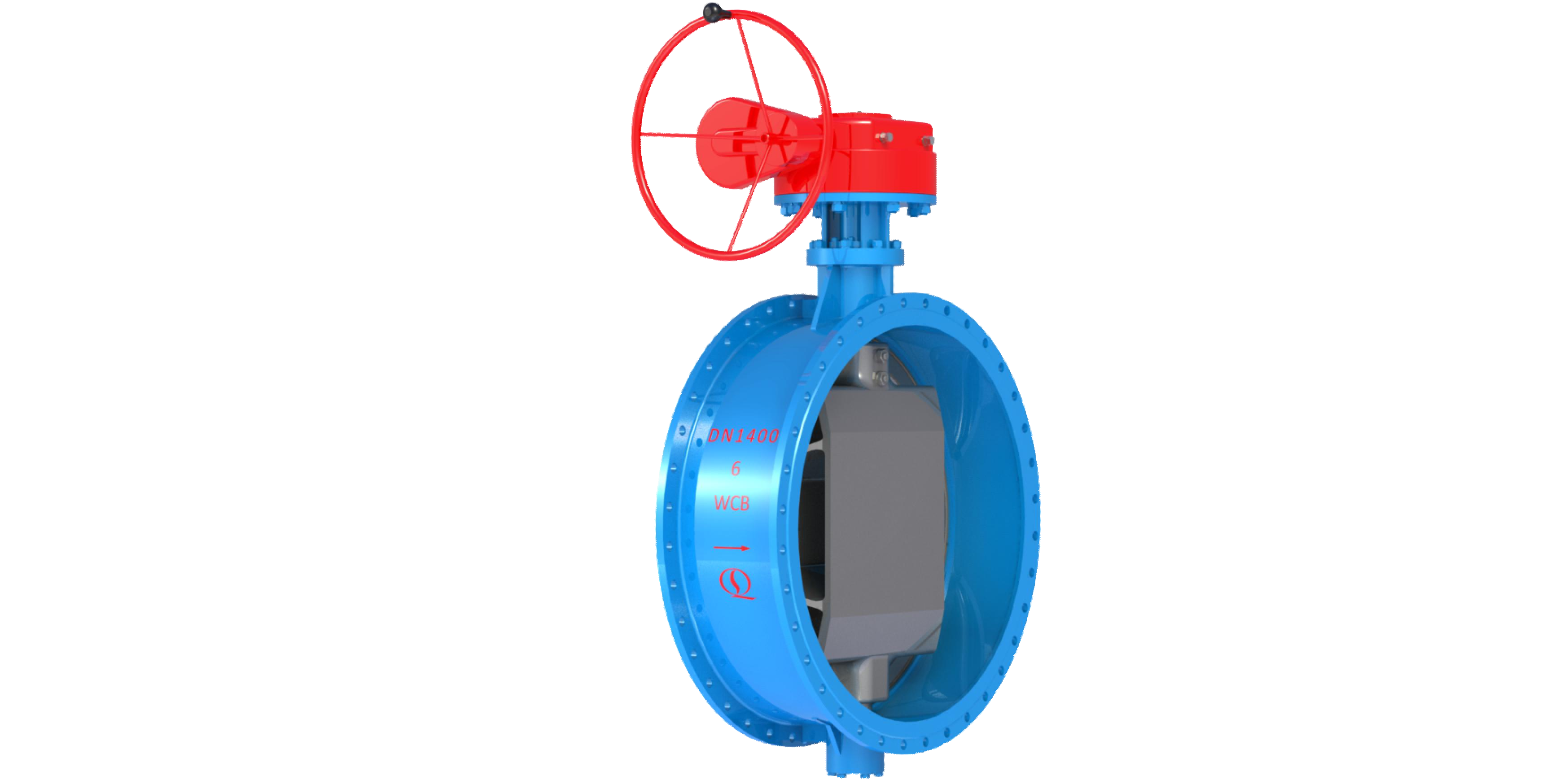
Bidirectional Metal Hard Sealed Seawater Butterfly Valve
Henan Quanshun Flow Control Science & Technology Co., Ltd.