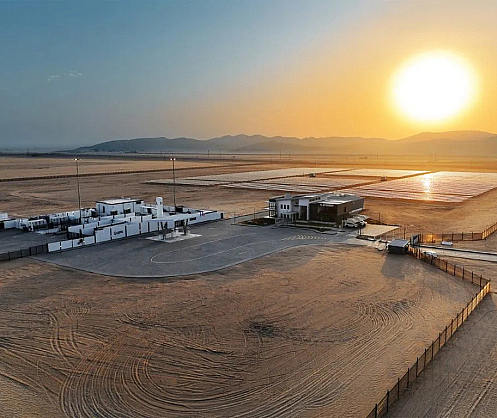
Spanish Cox invests €20 million in green hydrogen community
en.Wedoany.com Reported - Cox, a Spanish water and energy specialist (which acquired Abengoa in 2023), has announced an investment of over €20 million to develop a municipal green hydrogen community model in Andalusia. The project will be implemented in collaboration with the Junta de Andalucía, which will provide approximately one-third of the funding through European funds and subsidized loans, with pilot projects in the provinces of Almería, Cádiz, Huelva, and Seville.
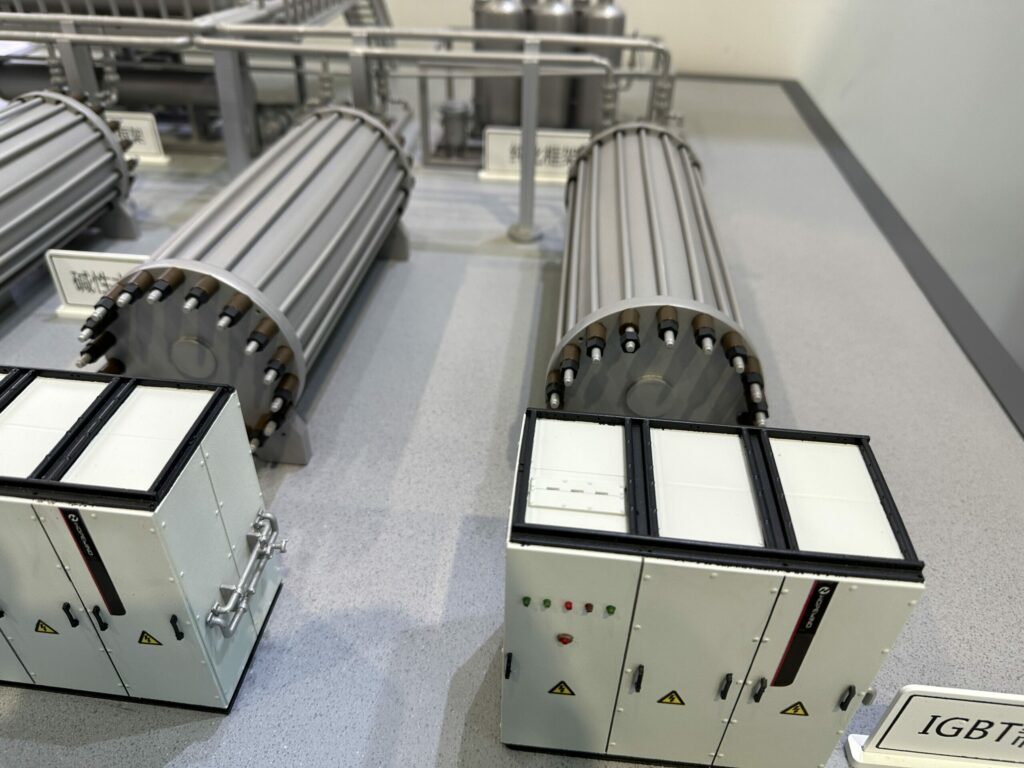
This project marks Cox's first foray into energy communities for renewable hydrogen production, leveraging the regulatory framework promoted by the Junta de Andalucía and the Andalusian Energy Agency (Agencia Andaluza de la Energía). The strategy includes three energy community models tailored to different regional needs. In Huércal-Overa and Níjar, in the province of Almería, a regional green hydrogen distribution model will be implemented, aimed at supplying areas not covered by the future national hydrogen pipeline network. Hydrogen production will primarily target the agri-food industry and related transportation. According to the company, over 3,000 trucks currently transport fruits and vegetables daily in the province, and the gradual introduction of green hydrogen could reduce fuel costs by approximately 5%, enhancing the logistics competitiveness of Almería's agriculture.
In Jerez de la Frontera and Algeciras, in the province of Cádiz, hydrogen will be used for applications related to large transport infrastructure. The project will be linked to the Port of Algeciras and Jerez Airport, aiming to reduce industrial and transport emissions at these logistics hubs. In Moguer, in the province of Huelva, and Utrera, in the province of Seville, a model centered on local consumption will be developed, enhancing municipal energy autonomy through the production and utilization of renewable hydrogen. The facilities will combine a photovoltaic plant and a hydrogen production plant, occupying less than 2,000 square meters. Cox states that this design facilitates land integration and the replication of the model in other towns.
The new facilities will be integrated into the "Citizen Energy Community" (CCE) model developed by Cox nationwide. In addition to hydrogen production, this model includes photovoltaic self-consumption, centralized energy management, smart grids, energy storage, energy consumption monitoring, electrification of municipal fleets, efficient public lighting, and digital solutions for waste management. Cox claims that this model can reduce electricity bills for participating municipalities by 30% to 65%. From an energy perspective, the hydrogen produced can be used for various purposes, including heavy transport supply, industrial activities, ammonia production, or power generation.
In 2023, Cox Energy introduced to pv magazine an "Energy as a Service" model for commercial and industrial clients, which goes beyond the concept of self-consumption. The company designs, finances, builds, and operates renewable energy facilities, supplying energy through a 15-year Power Purchase Agreement (PPA), after which the facility is transferred to the client for €1. In addition to PPAs, the company offers "Hydrogen Purchase Agreements" (HPAs) and believes the future of self-consumption lies in energy communities and green hydrogen. In this area, the company is developing two hydrogen projects related to self-consumption, which it describes as the first commercial-scale projects in Spain, rather than pilots.
The first project is located at the Huesca football stadium, where approximately 1 MW of photovoltaic capacity will be installed on the roof and surrounding areas to power a 220 kW electrolyzer with a six-hour electrolysis capacity. The oxygen produced will be supplied to a hospital 300 meters away, while the hydrogen will be stored for use by Huesca city buses, with a daily production of about 20 kg, sufficient for each bus to travel approximately 200 km. This project aims to use surplus photovoltaic electricity to produce hydrogen, avoiding the limitations of compensation systems. The second project is at a factory in Seville that tests metal structures, where green hydrogen will partially replace natural gas used in boilers for the galvanizing process. The facility includes a 1 MW photovoltaic plant to power a 1 MW electrolyzer, with the remaining electricity sourced from green PPAs from Cox Energy's electricity retailer. Initially, the hydrogen-natural gas blend will be 15%, but the company is working with boiler manufacturers to adapt for pure hydrogen operation through an HPA. These two projects will serve as demonstrations to validate the model's supply feasibility and profitability before large-scale commercialization.
Related Products

Inductive Power Harvesting Self-Powered Device - Safuneng
SELF ENERGY TECHNOLOGY (SHENZHEN) CO., LTD.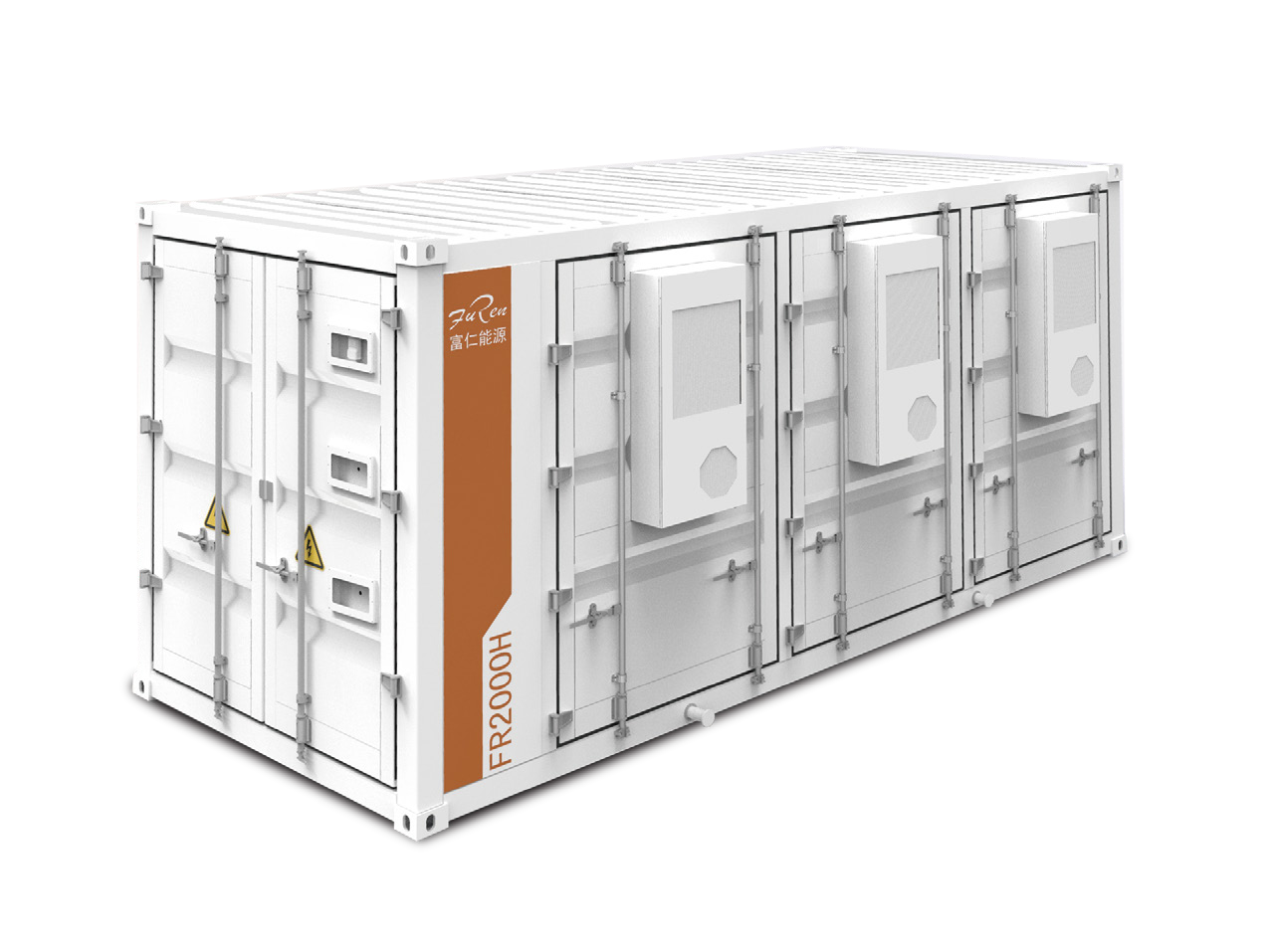
FR2000H 2.15MWh (Air-cooled) 20-foot Containerized Energy Storage System
Jiangyin Furen High-tech Co., Ltd.
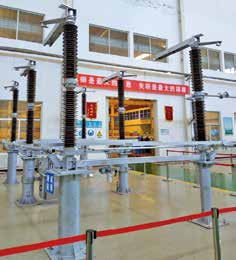
GW4-40.5/72.5/126/145/170/252/363/420 Series Double-column Horizontal Rotary High-voltage AC Disconnect Switch
SHANDONG TAIKAI DISCONNECTORS CO., LTD.


Mineral-insulated Compact Busway (Fire-resistant Busduct)
Zhuhai Guangle Electric Busway Co., Ltd.
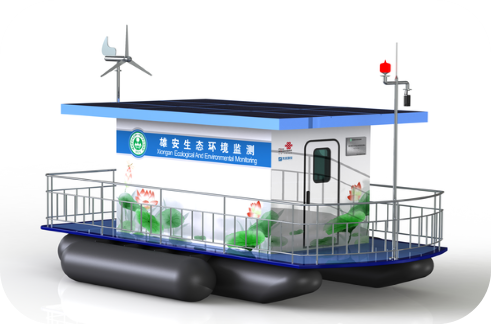
Floating Boat Water Quality Automatic Monitoring System
Hebei Sailhero Environmental Protection High-tech Co., Ltd.