Canada Allocates $300 Million to Four Provinces to Expand Low-Income Energy Efficiency Program
en.Wedoany.com Reported - The Canadian federal government announced that Quebec, British Columbia, Nova Scotia, and Prince Edward Island will join the Canada Green Homes Affordability Program (CGHAP), transferring $300 million to these four provinces to provide free energy efficiency upgrades for low-income households. This initiative is seen as the first low-income energy efficiency program launched in the country in 20 years.
Environment Minister Julie Dabrusin and Natural Resources Minister Tim Hodgson made the announcement during the International Energy Agency's (IEA) annual Global Conference on Energy Efficiency in Montreal. Manitoba had already joined the program in September last year.
Dabrusin stated that the funding will be used to provide upgrades such as heat pumps, insulation, air sealing, and energy-efficient windows and doors for tenants and homeowners, with no upfront costs to households. She noted that under this program, individual households could see annual energy bill reductions of up to $1,700, and these savings are ongoing.
Brendan Haley, Senior Director of Policy Strategy at Efficiency Canada, welcomed the announcement but described it as a long-awaited move. He said this is the first low-income energy efficiency program in Canada in 20 years, filling a longstanding gap in climate and energy efficiency policies.
The program allows each province to implement it flexibly based on local conditions, with energy efficiency managers funding measures that best address energy poverty and affordability issues. Hodgson stated that energy efficiency not only means getting more from existing systems but also creates good jobs; in 2023, energy efficiency employment generated $222 billion in net income. He emphasized that with the expansion of CGHAP to four new jurisdictions, low- and middle-income tenants and homeowners can benefit from home retrofits with zero upfront costs.
Hodgson noted that Canada's economy is at a critical juncture, facing challenges such as rising energy costs, growing electricity demand, climate change, and geopolitical volatility. He argued that affordable and secure energy is essential for economic sovereignty, industrial competitiveness, and prosperity and national security.
Haley explained that flexible, jurisdiction-specific program designs align with Efficiency Canada's recommendations. He mentioned that federal funding is crucial for low-income energy efficiency because it is more costly from a utility perspective, but the full cost of upgrades is needed to achieve the benefits of reducing energy poverty. Therefore, rather than a one-size-fits-all program, it is better to allow provincial and territorial administrators to tailor and enhance existing programs, such as expanding eligibility to more households or adding heat pump replacements.
Related Products


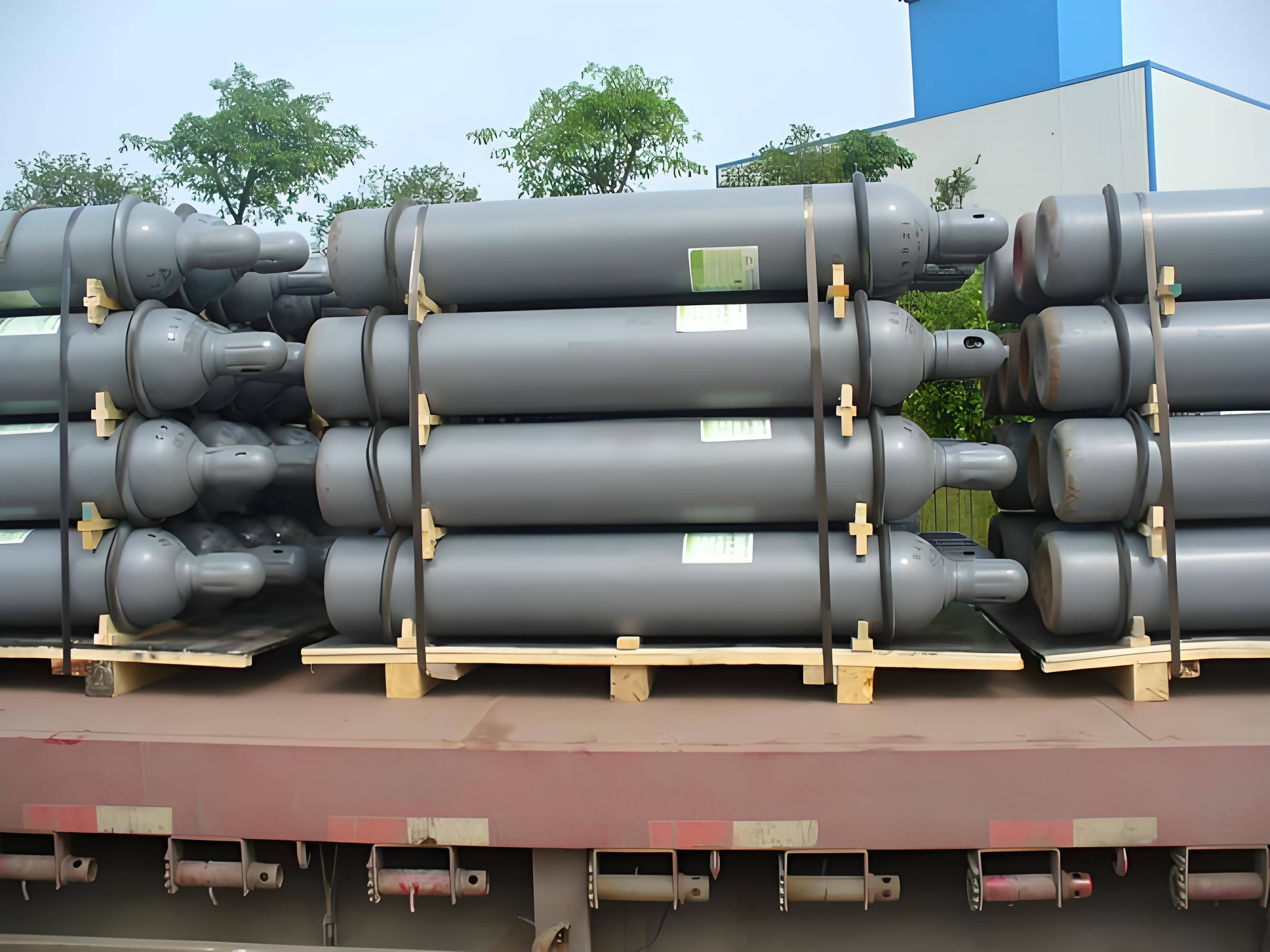
Global Sulfur Hexafluoride Gas Supply and Cylinder Export
Foshan Yuexin Industrial Gas Co., Ltd.
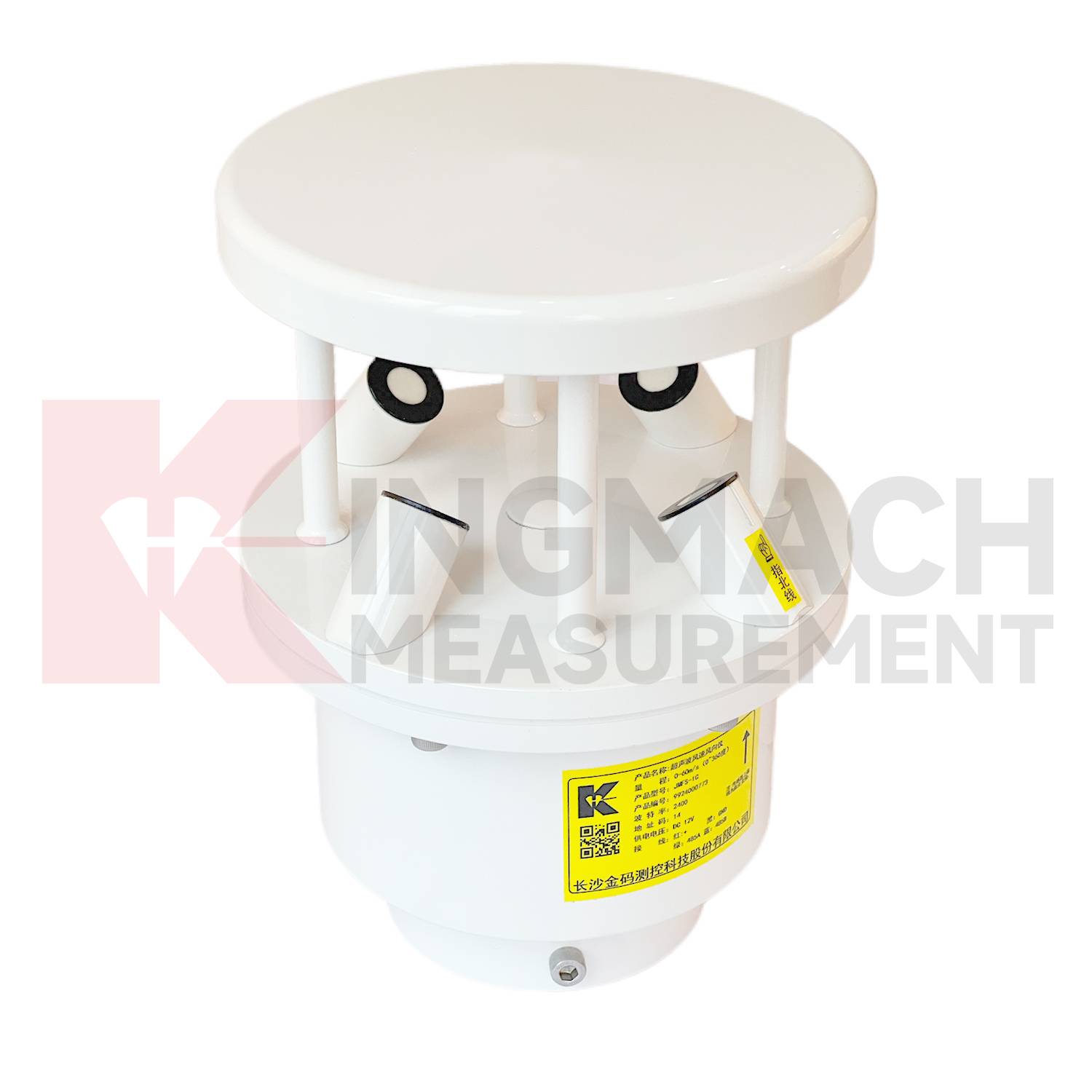
Ultrasonic Wind Speed and Direction Instrument
Kingmach Measurement & Monitoring Technology Co., Ltd.

714CD Series C-Band Weather Radar
Chengdu Zhongdian Jinjiang Information Industry Co., Ltd.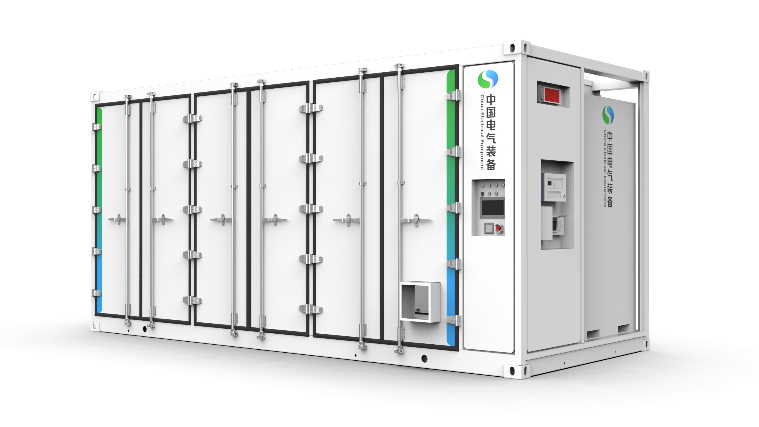
MESS8201-2507/5015-BN Prefabricated Liquid-cooled Energy Storage Battery Container
Xuchang Xuji Electric Science Energy Storage Technology Co., Ltd.

Quick-Change Single-Seat Control Valve / Quick-Change High-Pressure Single-Seat Control Valve
Beijing Consen Automation Technology Co., Ltd.