NASA and AWS Achieve 4K Video Livestream of Artemis 2 Lunar Flyby
en.Wedoany.com Reported - NASA's Artemis 2 mission achieved the first crewed lunar journey since Apollo 17 in 1972, with four astronauts aboard the Orion spacecraft flying around the Moon and transmitting 4K video to Earth via laser. Approximately 25 million people watched the launch livestream on NASA+, YouTube, and Prime Video, and days later, millions viewed an unprecedented sight: 4K video of astronauts orbiting the Moon.
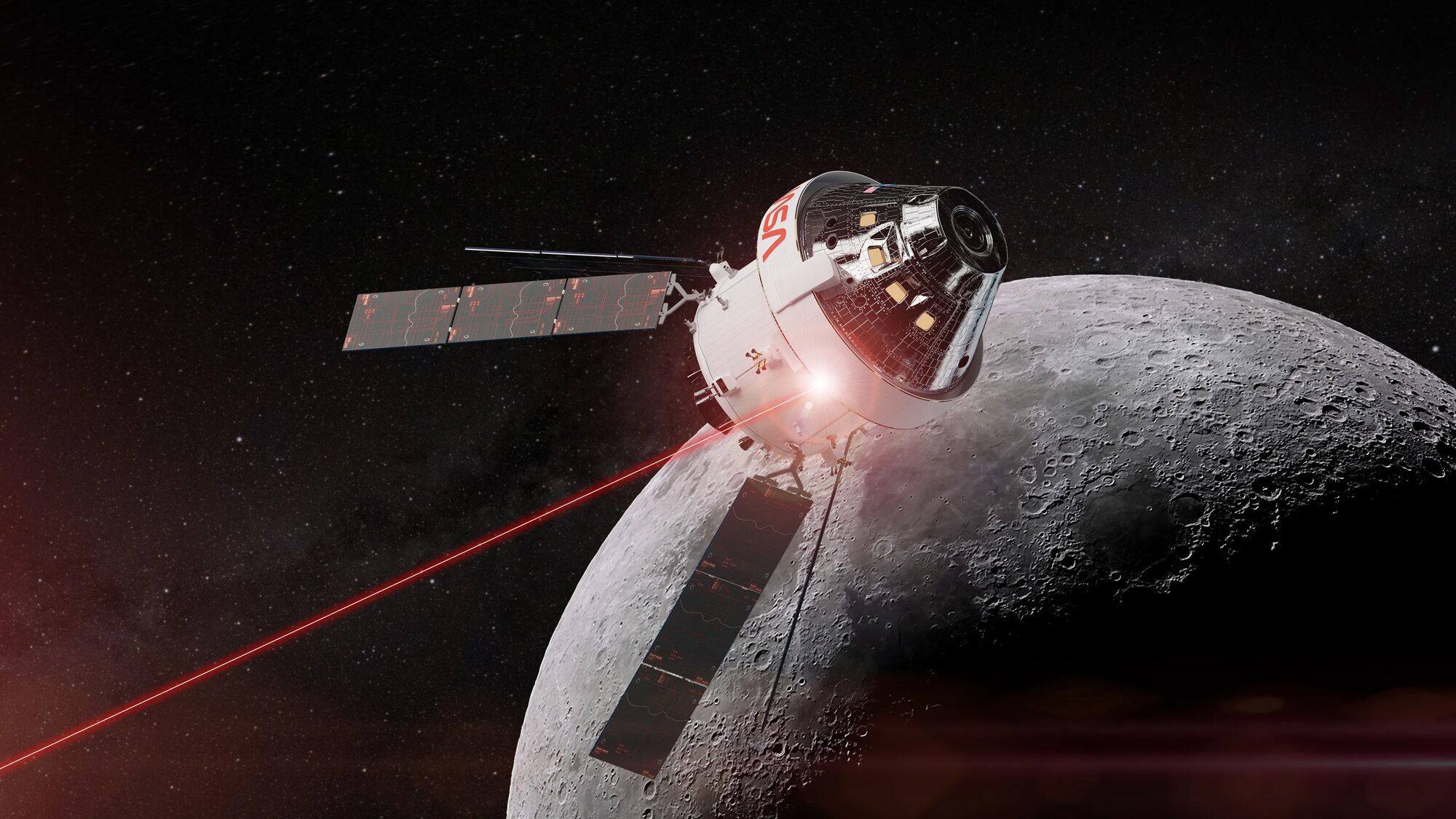
Behind this feat were years of engineering work, cloud-based path plotting, and a network connection established between NASA and Australia within weeks. The NASA Orion Flight Science Team at Johnson Space Center ran tens of thousands of simulations for both nominal and off-nominal scenarios, generating 2 to 5 terabytes of data per potential launch window. The computing platform used for simulations ran on AWS GovCloud (US), a government-certified secure cloud environment. Within 48 hours of launch, the system calculated flight path adjustments in near real-time, processing thousands of compute hours.

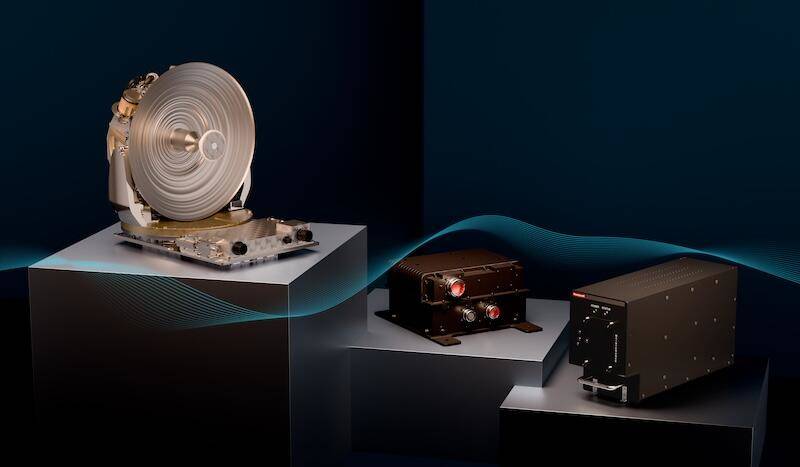
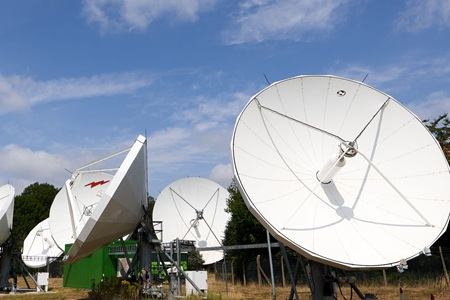
Booz Allen Hamilton built the system, employing cloud bursting technology that allowed NASA analysts to scale on demand to hundreds of Intel-based cloud instances when needed, avoiding queue waits for local shared resources. Artemis 2 also carried the Orion Artemis 2 Optical Communications System (O2O), developed by NASA over two decades. This laser-based terminal can transmit data at speeds up to 260 megabits per second, enabling real-time 4K video. One of O2O's ground terminals is located at the Australian National University's Mount Stromlo Observatory, used to receive portions of Orion's orbit visible from the Southern Hemisphere. NASA chose AWS to build the ground segment connection, linking Mount Stromlo to Australia's network node and routing the signal through a global backbone to the White Sands Complex in New Mexico, covering approximately 15,000 kilometers with latency in milliseconds. AWS, NASA, and the Australian National University established this connection within weeks, at a cost equivalent to that of a laptop.
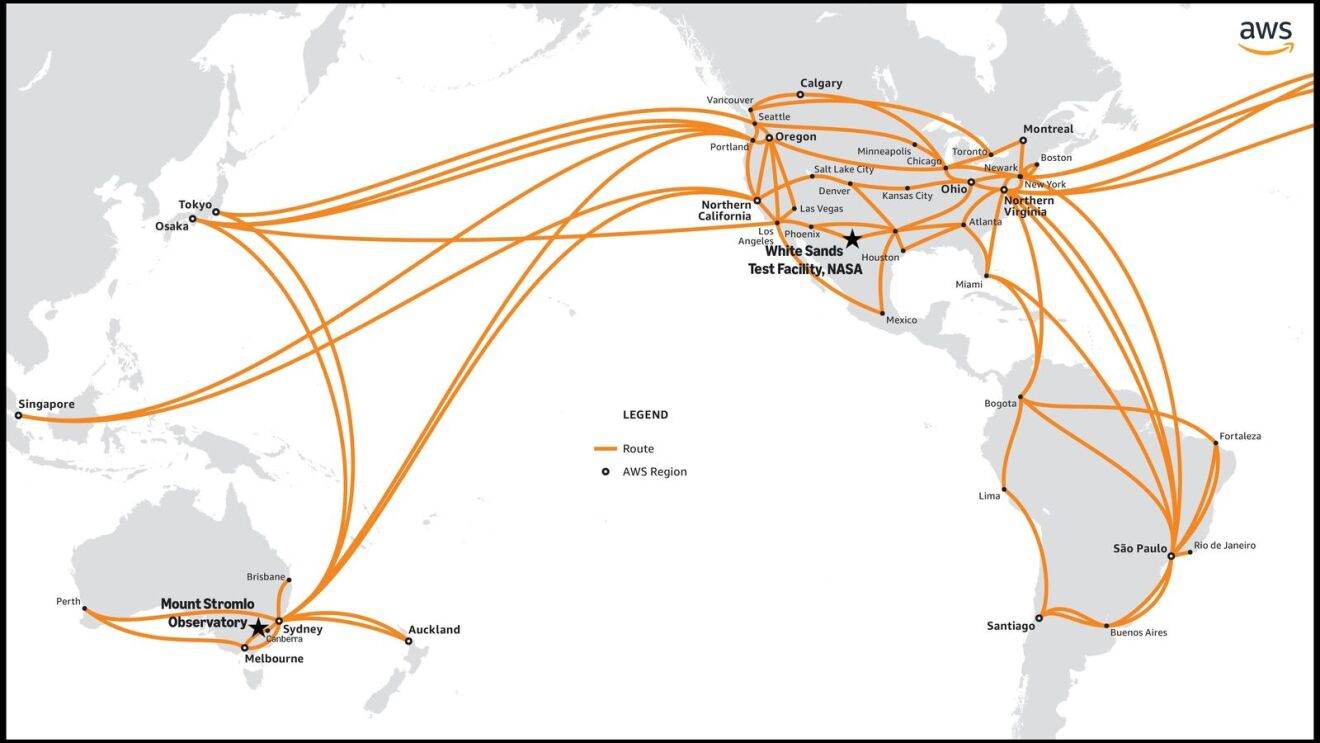
NASA+, the official streaming platform, runs on AWS Elemental services, with MediaLive handling real-time video encoding and MediaConnect providing transport to distribution partners such as YouTube and Prime Video. The Artemis 2 livestream served as a testbed for NASA, with production spanning four NASA centers interconnected via cloud-based workflows. Prime Video broadcast the signal under NASA's authorization, with all signals distributed free of charge. For the upcoming Artemis 4 lunar landing—the first human steps on the Moon since 1972—NASA plans to attract approximately 250 million viewers. The Artemis 2 mission demonstrated the end-to-end chain of how 4K imagery travels from Orion near the Moon via laser to Australia, then through the AWS backbone to NASA, and finally to viewers' devices.

Four humans flew around the Moon for the first time in over fifty years, and within hours, the world remembered what we are capable of when we work together. What made it possible was largely invisible: years of engineering, a laser link spanning 250,000 miles, and a network pieced together in weeks, all at a total cost equivalent to that of a laptop.
Related Products


Flat Portable Satellite Terminal 0.35m Aperture Manual Portable Terminal
China Starwin Science & Technology Co., Ltd.
20 Inch 1600*900 Full HD 60Hz TFT LED Monitor with VGA and DP Interfaces for Desktop Computers-Business Use
Guangzhou Zanying Optoelectronics Technology Co., Ltd.
Comprehensive Mining Automation Control System
Beijing Tianma Intelligent Control Technology Co., Ltd.

Mine Explosion-proof and Intrinsically Safe Industrial Ethernet Ring Network (10 Gigabit/Gigabit)
Chongqing Mas Sci&Tech Co., Ltd.

JiuTian OneSky Pilot—Intelligent Management And Service Platform
China Times Prospect Science & Technology Co., Ltd.
Industrial and Commercial Point-Type Gas Detector
Jinan Benan Technology Development Co., Ltd.

GYTA Type Non-Self-Supporting Aerial/Duct Optical Cable
TONGDING INTERCONNECTION INFORMATION CO., LTD.