U.S. TSA to Launch New Crew Screening Plan in 2027, Airlines Face Millions in Annual Fees
en.Wedoany.com Reported - The U.S. Transportation Security Administration (TSA) will terminate the "Known Crewmember" (KCM) screening program this year, replacing it with the "Crewmember Access Point" (CMAP) program, which has already been piloted at some airports. Under CMAP, the TSA will take over the entire process and charge participating airlines $19 per employee, with annual bills for traditional carriers potentially reaching millions of dollars.
KCM was jointly managed by airline associations and the TSA at security checkpoints. After CMAP takes effect in 2027, American Airlines, due to its large workforce, will face the highest costs, with participating employees including approximately 30,000 flight attendants and 17,500 pilots, resulting in an annual CMAP bill of about $2.64 million. Estimated costs for other major airlines are: United Airlines $2.17 million, Delta Air Lines $1.95 million, Southwest Airlines $1.38 million, and JetBlue Airways $456,000. Despite the high costs, expedited screening helps improve operational predictability, directly contributing to profitability.
KCM was initially established in 2011 through a joint initiative by the Air Line Pilots Association (ALPA) and Airlines for America (A4A), providing the TSA with a crew member database. The Department of Homeland Security (DHS) will obtain crew lists from international airlines and master crew lists compiled by A4A from domestic carriers. After CMAP is launched, the TSA will maintain its own list of approved crew members and pre-screen them in an internal database, with federal records including biometric data verification.
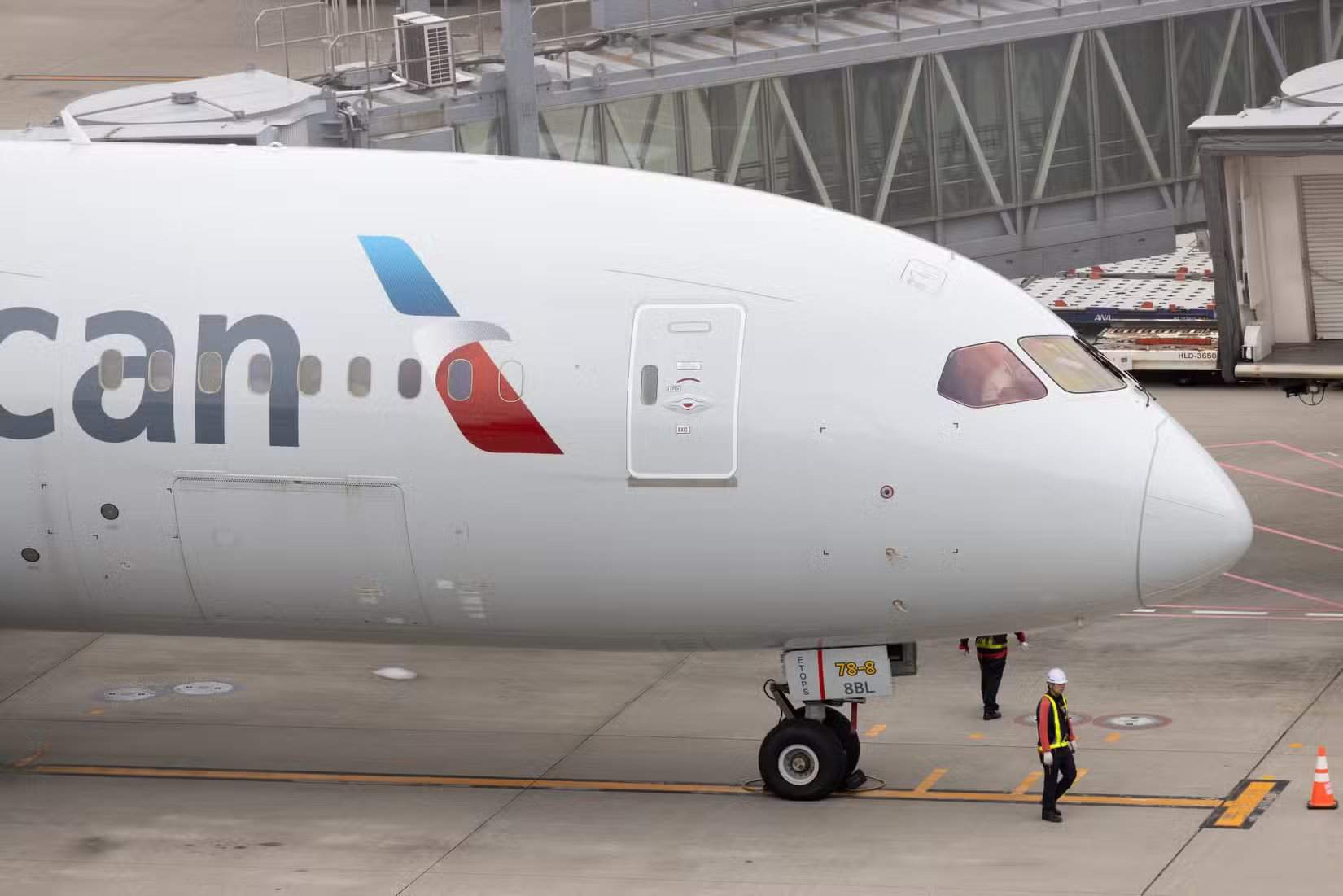
American Airlines had previously considered withdrawing from KCM. In 2022, a large number of American Airlines crew members were found carrying weapons or drugs during KCM screenings, leading to an increase in random screening rates. To prevent delays, the airline threatened to withdraw. A high-profile case in 2024 occurred at New York's John F. Kennedy International Airport (JFK), where four flight attendants were arrested and accused of abusing KCM privileges to smuggle over $8 million in drug proceeds, involving a fentanyl trafficking operation. Authorities suspect they were linked to a drug cartel in the Dominican Republic.
The FlyCASS third-party network database used by smaller airlines under the KCM program was found to have critical cybersecurity vulnerabilities. Researchers bypassed administrative controls through SQL injection attacks, manually adding names to authorized passenger lists. DHS and TSA responded by stating they would address the issue and shut down FlyCASS. KCM's failure to prevent security breaches is one of the reasons the TSA took over crew screening. The TSA emphasized that directly managing CMAP helps focus resources on screening programs for other high-risk passenger groups.
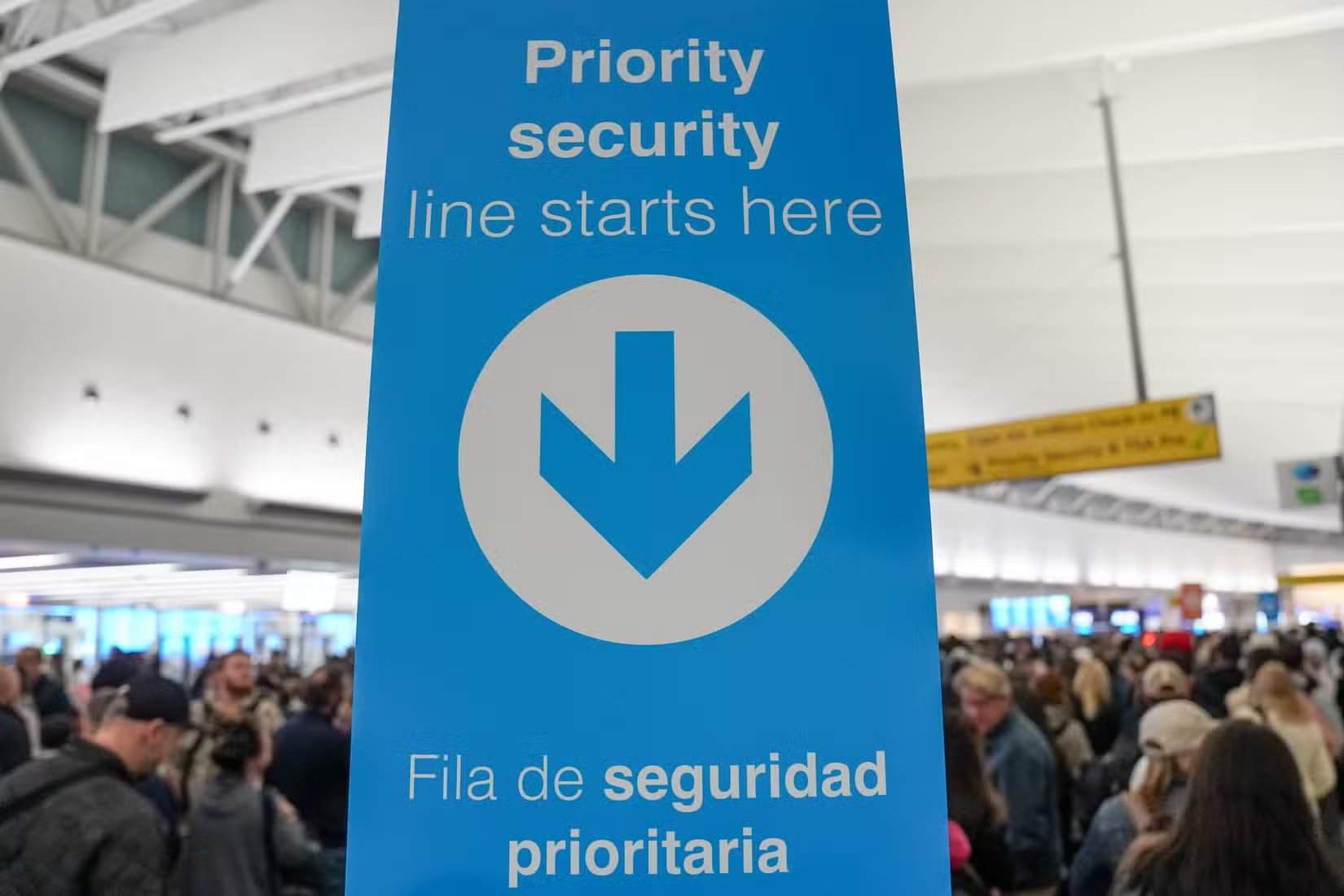
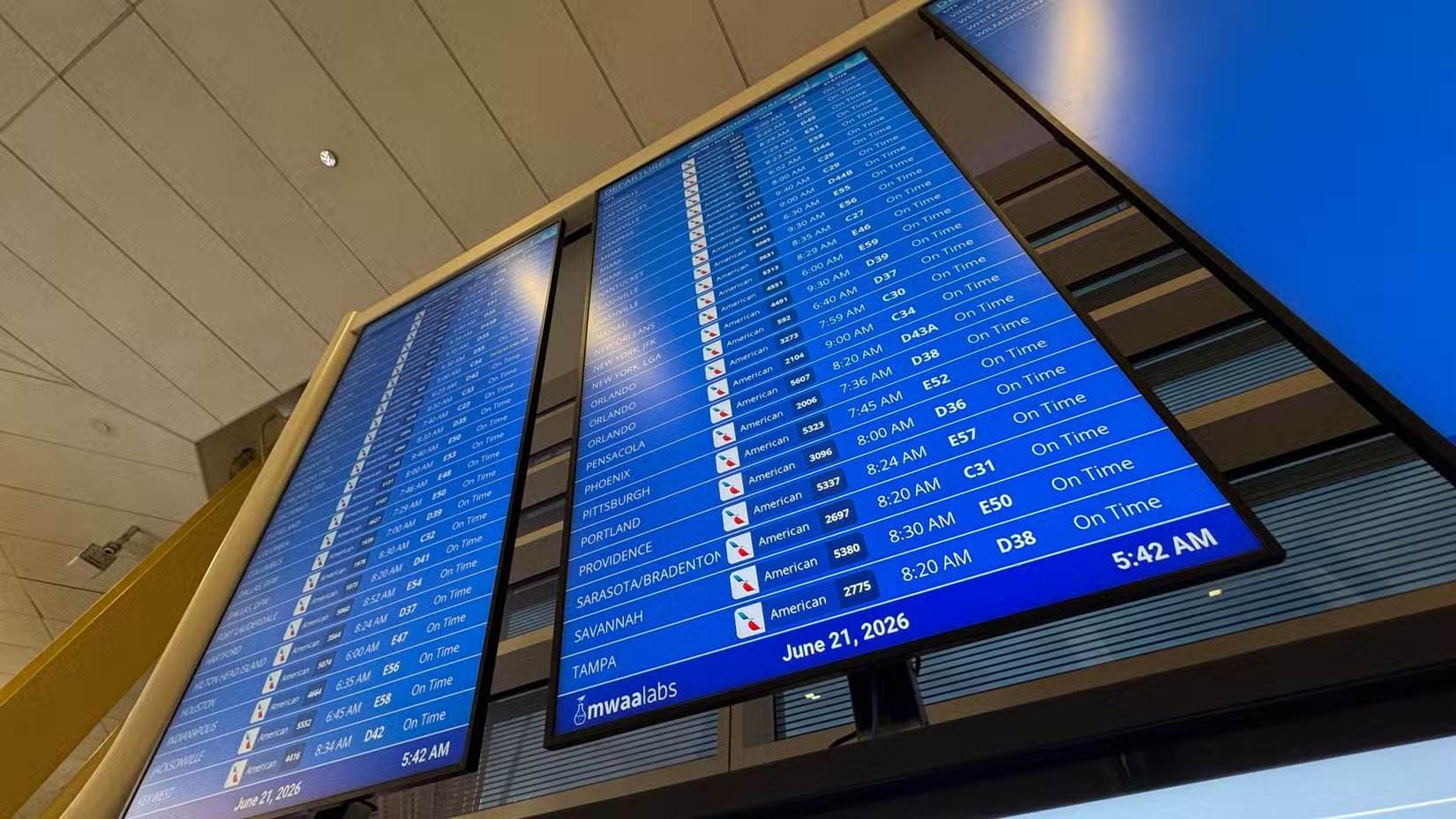
According to the Association of Professional Flight Attendants, Ronald Reagan Washington National Airport (DCA) and Washington Dulles International Airport (IAD) began implementing the CMAP screening program on June 22. Harry Reid International Airport (LAS) was originally scheduled to start on June 29. Airlines hope CMAP will be reliable to avoid checkpoint bottlenecks affecting operations. KCM did not involve X-ray or metal detector screening, and while CMAP may be slower at certain times, crew screening points are equipped with devices, reducing the risk of being re-screened in regular security lines.
Related Products

Pantograph-Catenary Comprehensive Detection Device (1C)
CHENGDU TANGYUAN ELECTRIC CO., LTD.
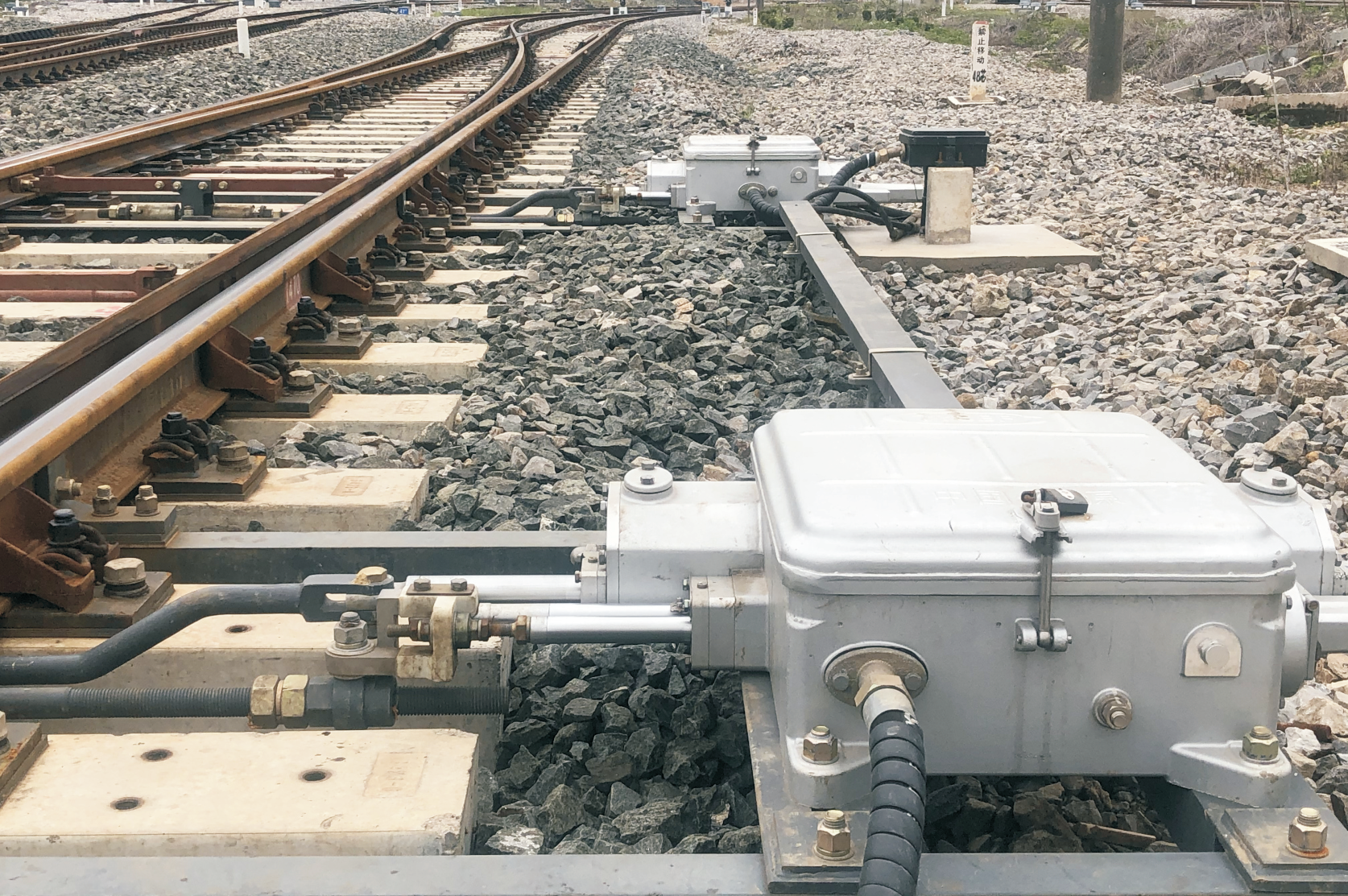
ZY(J)7(M) Sealed Type Electro-Hydraulic Turnout Machine
TAIYUAN CR JINGFENG EQUIPMENT TECHNOLOGY CO., LTD.
3m intelligent buoy combining navigation safety and real-time marine monitoring integrated navigation and marine monitoring system for real-time maritime data
Chengdu Dixin Technology Co., Ltd.
Industrial and Commercial Point-Type Gas Detector
Jinan Benan Technology Development Co., Ltd.



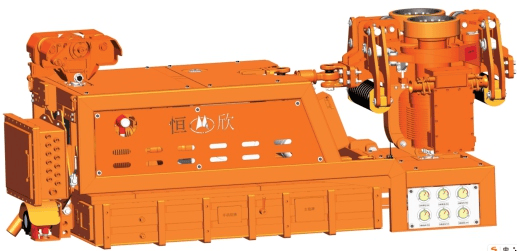
Explosion-proof lithium battery dispatching monorail crane locomotive (permanent magnet frequency conversion integrated machine)
Xiangtan Hengxin Industrial Co., Ltd.