en.Wedoany.com Reported - The U.S. Department of Energy's (DOE) Brookhaven National Laboratory (BNL) has developed a cheap, sulfur-tolerant catalyst that can convert waste methane into easily transportable, valuable liquid chemicals and fuels.
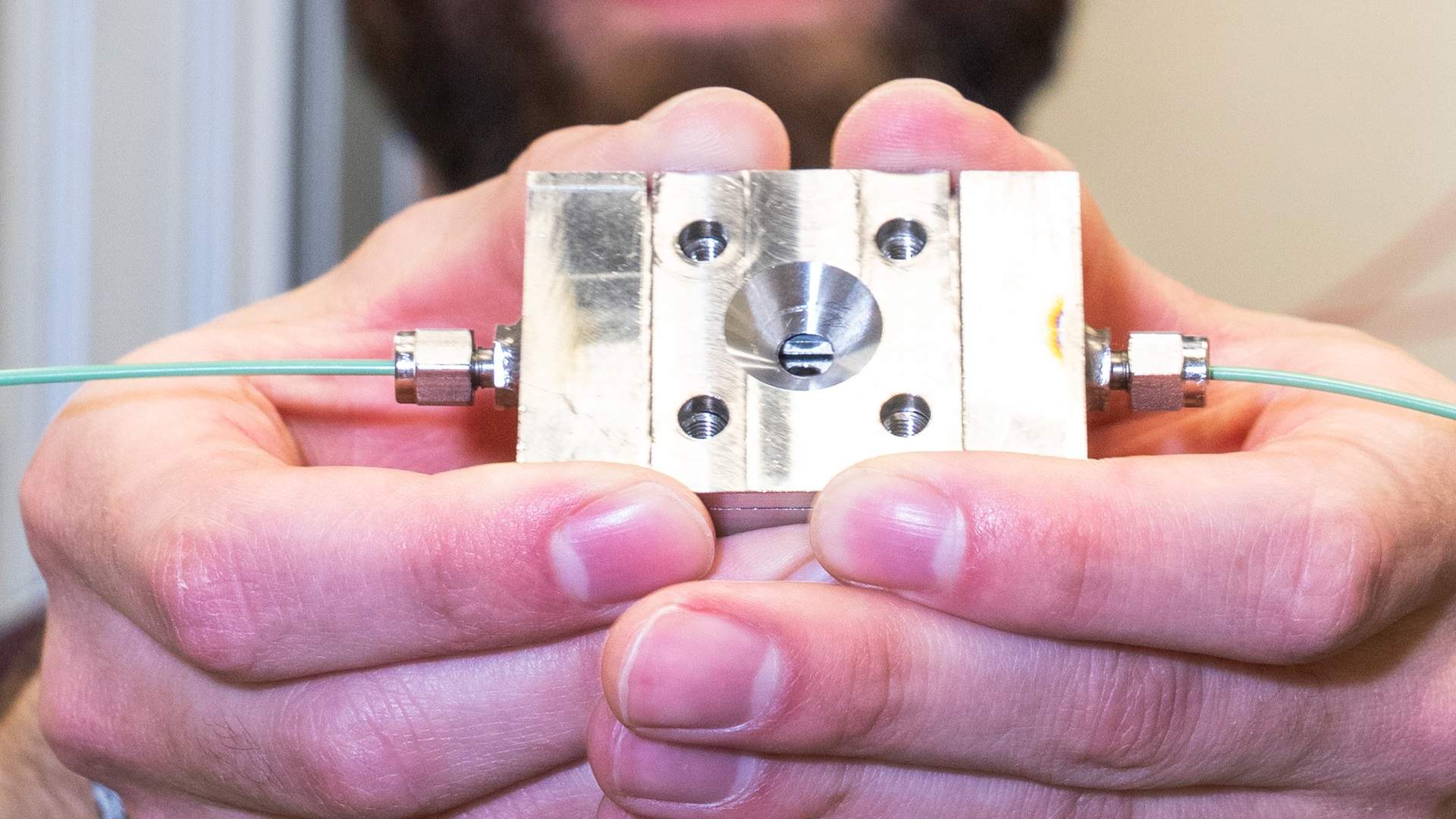
The research focuses on an earth-abundant industrial catalyst—molybdenum disulfide (MoS2). The team says that with minimal adjustments, this catalyst can selectively convert methane into methyl peroxide and liquid oxygenates at temperatures below 212 degrees Fahrenheit (100 degrees Celsius). Methyl peroxide is a precursor for producing methanol, an energy-dense liquid fuel. Sanjaya Senanayake, Ph.D., a BNL researcher and corresponding author of the study, said the catalyst achieves very high yields and selectivity in producing this important precursor for methanol and various other industrial processes.
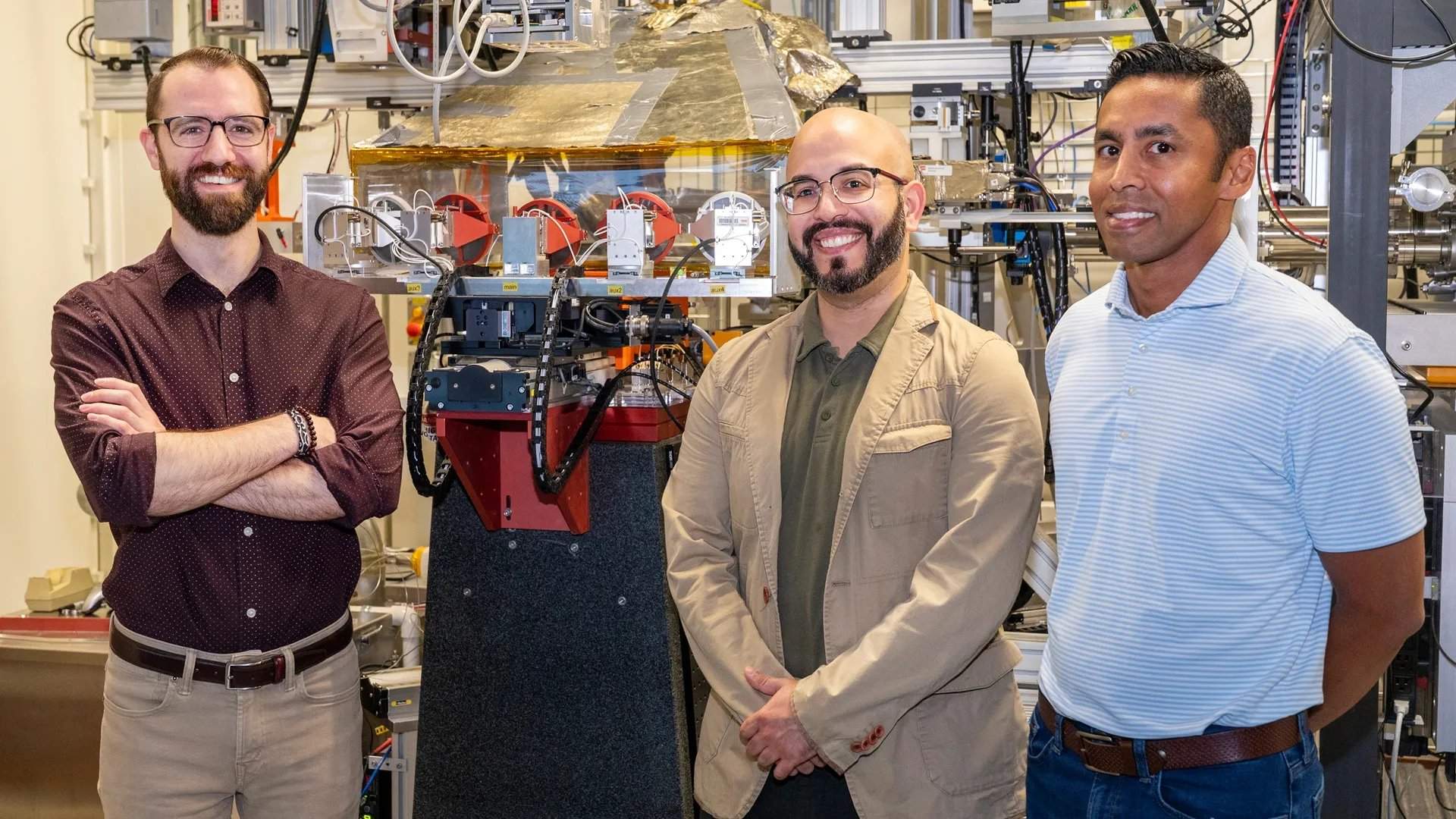
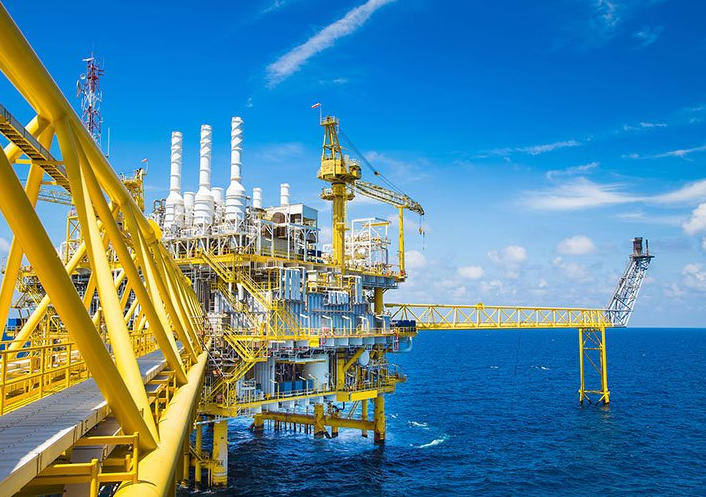
Transporting methane from remote oil and gas fields requires expensive infrastructure, leading producers to often vent or flare it, wasting resources and increasing greenhouse gas emissions. BNL researchers believe their catalyst can capture this stranded methane and convert it into transportable liquid chemicals. The method uses readily available molybdenum disulfide, performing as well as—and in some cases better than—more expensive alternatives. Its sulfur tolerance is another major advantage: sulfur compounds in raw natural gas can deactivate traditional catalysts, but molybdenum disulfide's sulfur-rich composition makes it naturally resistant to these contaminants. Juan Jiménez, Ph.D., a lab researcher and co-author of the study, said the team is developing combinations of different materials to address the diverse natural gas compositions found in the U.S. and internationally.
To understand how the catalyst works, the team used multiple beamlines at BNL's National Synchrotron Light Source II (NSLS-II) for real-time observations. X-ray spectroscopy revealed that at 167 degrees Fahrenheit, the catalyst reacts with methane and a dilute hydrogen peroxide solution, converting methane into liquid oxygenates with complete selectivity for the target product family. Its performance is comparable to, and sometimes better than, expensive catalysts made from palladium or rhodium. Jiménez noted that an extremely active catalyst can be created without complex synthesis. Further tests showed that the catalyst becomes more metallic during operation, allowing electrons to move freely and participate in reactions while maintaining a stable crystal structure, indicating it is durable and reusable. The study found that hydroxyl radicals, naturally produced by the decomposition of hydrogen peroxide, play a key role in breaking methane's strong carbon-hydrogen bonds, with the catalyst guiding these radicals to produce a single target product.
Scientists say these findings could lead to cheaper, more sulfur-tolerant methane catalysts. Brookhaven Science Associates has filed a provisional patent application for the catalyst's use. The research has been published in the journal Advanced Functional Materials.