en.Wedoany.com Reported - Since 2012, Nexa's multi-metal plant in Juiz de Fora, Minas Gerais, Brazil, has recovered over 1 million tons of electric arc furnace dust (EAF dust), a waste product from the steel industry, equivalent to recovering 198,300 tons of zinc content.
Operating for 46 years, the plant is the largest zinc recycling facility in South America. Nexa holds a unique position in Latin America as the only producer of metallic zinc and the only company capable of reprocessing waste from electric steelmaking. Metal recovery uses the Waelz rotary kiln process, a German technology first introduced in Brazil. This process transforms industrial waste into raw material for producing secondary zinc, reducing the amount of material sent to industrial landfills.
Industrial Manager Rafael Falco stated that this technology addresses a long-standing issue for the steel industry, providing a new treatment pathway for waste and strengthening the circular economy. In terms of output, the amount of secondary zinc produced is sufficient to manufacture approximately 9.9 million vehicles or produce over 2.4 million kilometers of galvanized wire, a length equivalent to circling the Earth about 61 times.
Before entering the Waelz kiln, EAF dust undergoes a pelletizing process. The equipment, 70 meters long and 4 meters in diameter, processes not only EAF dust but also metal scrap from vehicles, equipment, and discarded items, as well as zinc-containing waste. During high-temperature treatment, zinc is separated and converted into Waelz oxide, which is then used to produce zinc ingots. The iron-rich residue is returned to the steel production chain, helping to reduce the demand for mineral resource extraction.
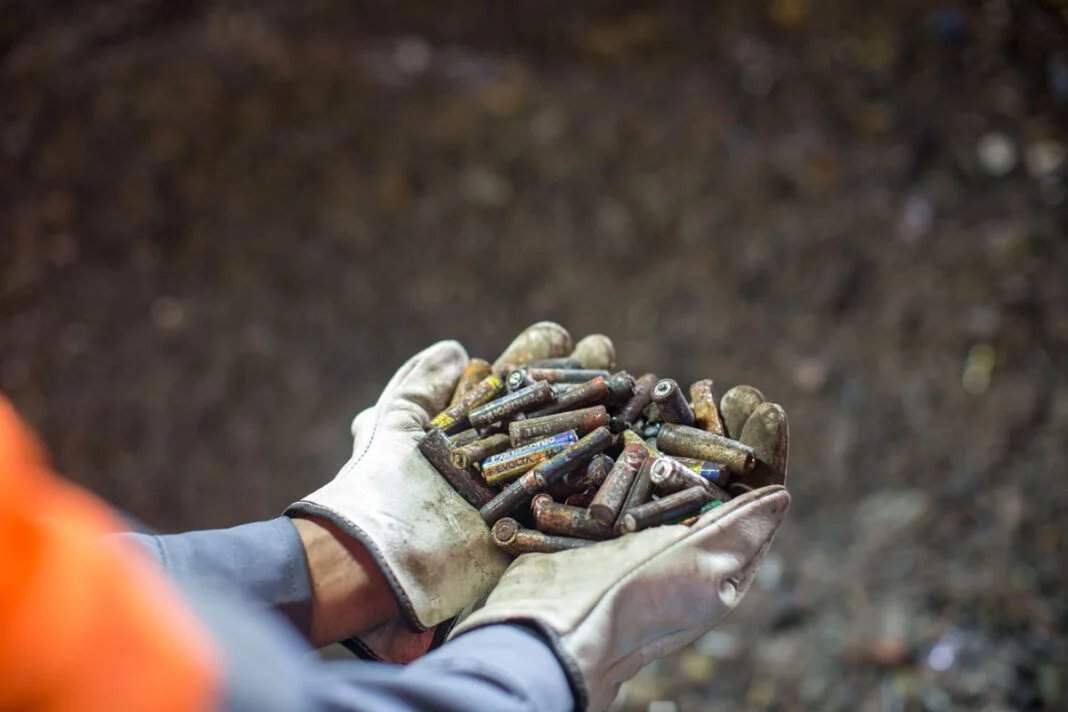
The plant also recovers batteries discarded by consumers. These materials are sent to the company through a partnership with Green Eletron, which is affiliated with the Brazilian Electrical and Electronics Industry Association (Associação Brasileira da Indústria Elétrica e Eletrônica, Abinee). According to Abinee data, Brazil consumes approximately 1 billion batteries annually, with a total weight of about 20,000 tons. Currently, Nexa recovers around 150 tons of batteries per year, accounting for about 1% of this total. Nevertheless, the company states that its operational capacity is sufficient to handle all batteries generated nationwide. The company is also studying ways to increase the participation of waste picker cooperatives in sorting collection to enhance the social impact of the initiative and promote indirect employment.
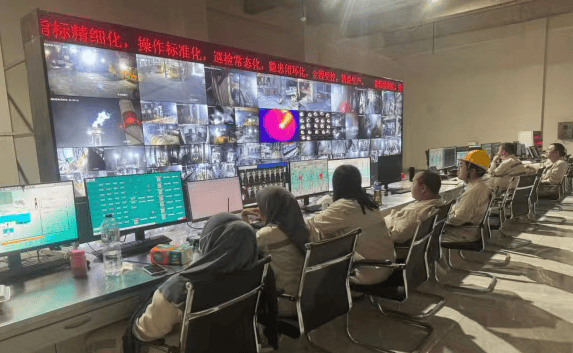
In addition to recovering high-value metals, this operation reduces the need for primary mining and lowers the environmental impact associated with industrial waste disposal. To ensure process efficiency, the plant continuously monitors parameters such as temperature, gas flow, fuel consumption, and zinc recovery rates, while conducting preventive inspections and regular atmospheric emission monitoring, all audited by environmental agencies. General Manager Guilherme Armond stated that the project demonstrates how innovation and sustainability can go hand in hand in industry. He noted that the recycling carried out in Juiz de Fora goes beyond legal compliance, with the company creating shared value through innovation, where every ton of waste processed means less environmental impact and greater national industrial competitiveness.