en.Wedoany.com Reported - On July 1, 2026, local time, the World Gold Council, headquartered in London, UK, released its "2026 Mid-Year Outlook for the Global Gold Market." The report predicts that after experiencing wide fluctuations since the beginning of the year, gold investment will enter a critical phase in the second half of the year.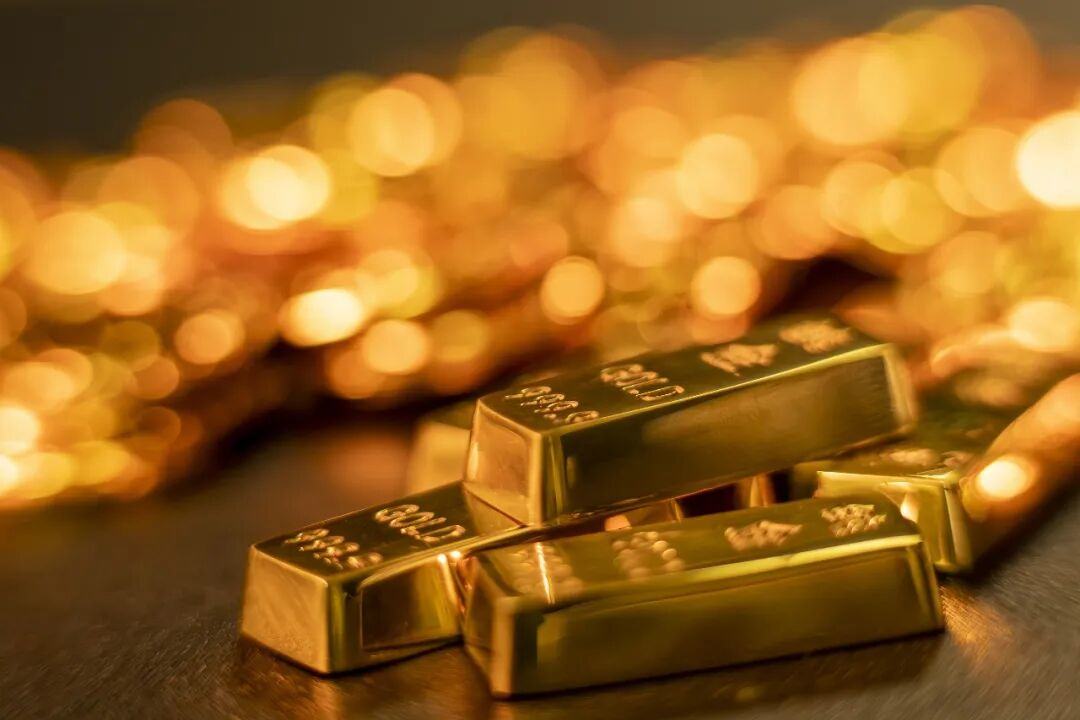
In late January this year, gold prices surpassed historical peaks more than 12 times, with London spot gold prices briefly hitting a record high of $5,405 per ounce. However, prices fell sharply in June, with gold declining approximately 7% year-to-date and average volatility rising to 30%. The World Gold Council's short-term price attribution model shows that the core factor driving gold price trends in the first half of the year was heightened geopolitical risks, with the US-Iran conflict having a particularly significant impact.
Looking ahead to the second half of the year, the report outlines three possible scenarios for gold price trends: First, if there are no major changes in background factors such as the Federal Reserve raising interest rates and multiple central banks continuing to tighten monetary policy, gold prices are expected to trade around $4,100 per ounce for the year, with a fluctuation range of approximately ±5%; Second, if geopolitical risks intensify beyond expectations or expectations of interest rate cuts rise earlier, gold prices may regain upward momentum; Third, on the downside, a stronger US dollar or a larger-than-expected rate hike by the Federal Reserve could trigger further selling if gold prices consistently fall below the $4,000 per ounce threshold.
An Kai, CEO of the World Gold Council for the Americas and Global Head of Research, stated that the gold market has clearly sent a signal this year—gold is a truly global asset. Structural demand from central banks, institutional investors, and consumers worldwide is the foundation supporting gold's resilience. The report also notes that major gold price fluctuations are concentrated in Asian and US trading sessions, reflecting the growing influence of Asian investors in the global gold pricing mechanism.