Phase II of China Fusion Tianfu R&D Center Breaks Ground in Chengdu, Sichuan
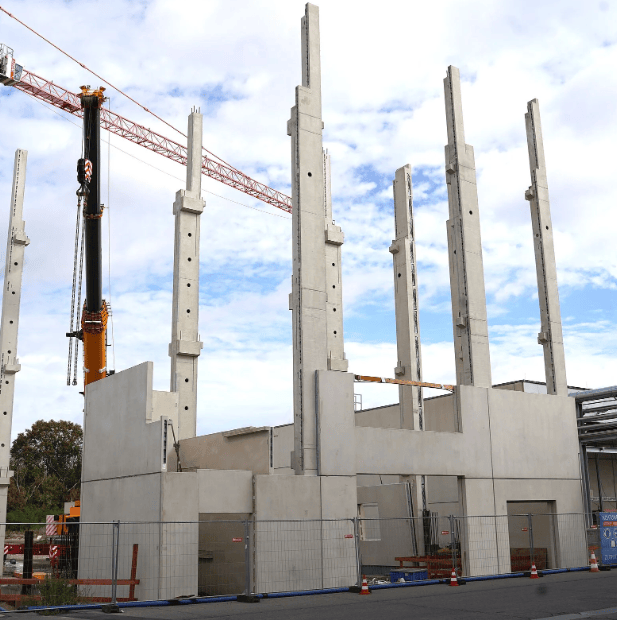
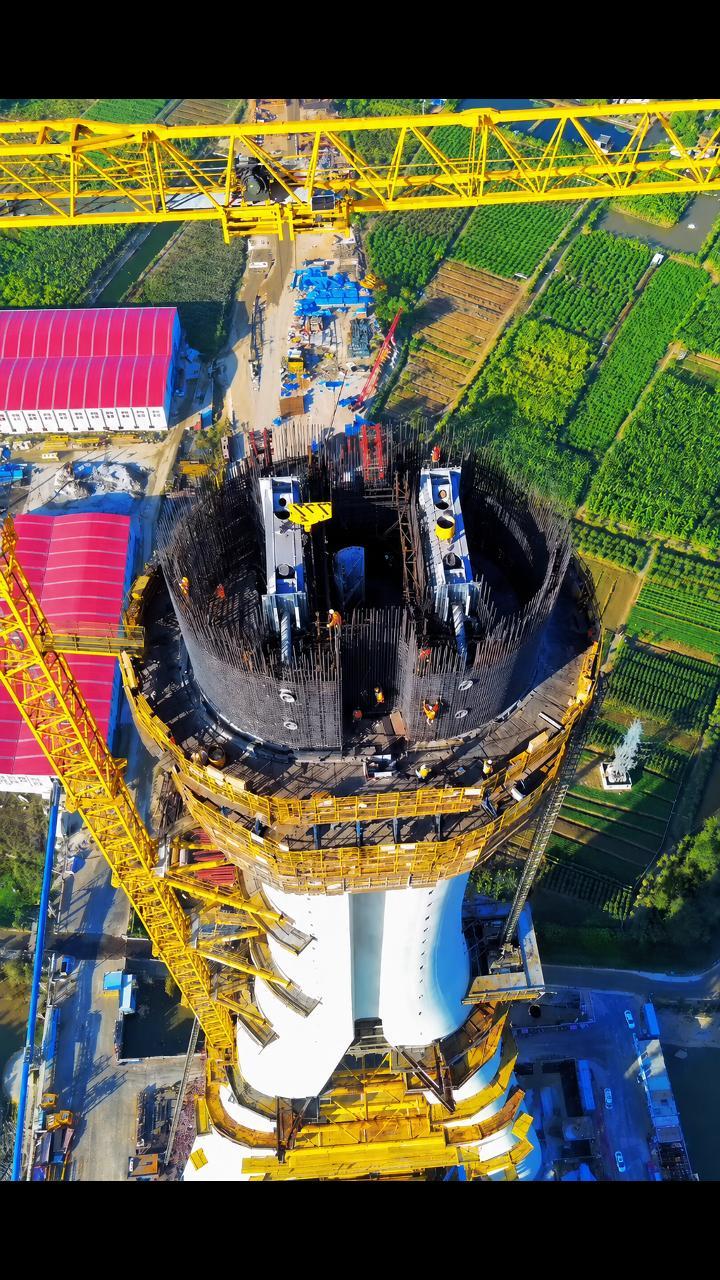
en.Wedoany.com Reported - On June 30, 2026, the Phase II project of the Tianfu Fusion Technology R&D Center of China Fusion Energy Co., Ltd. officially commenced construction in the Fusion Science and Innovation City of Tianfu New Area, Chengdu, Sichuan Province. This marks the "first move" since China Fusion was established in July 2025 and a milestone in China's controlled nuclear fusion technology R&D transitioning from "experimental research" to "engineering application."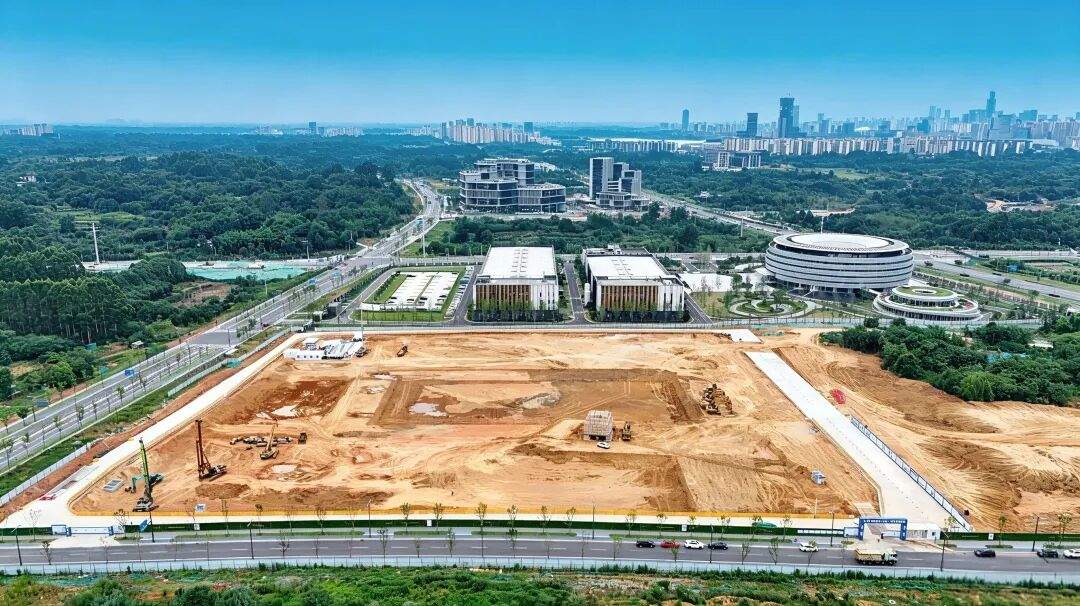
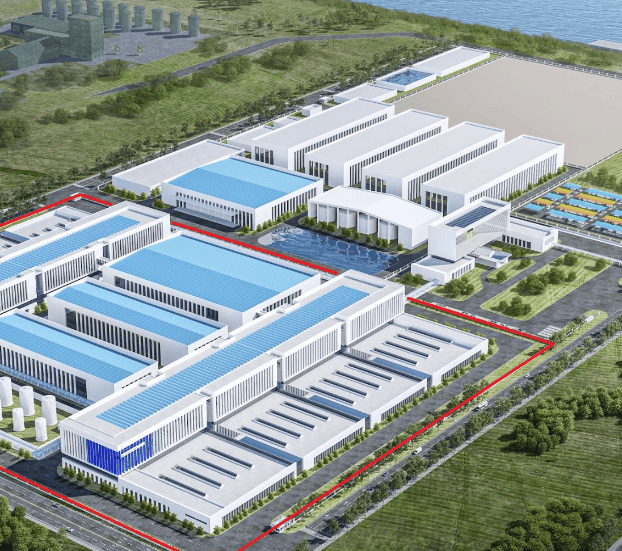
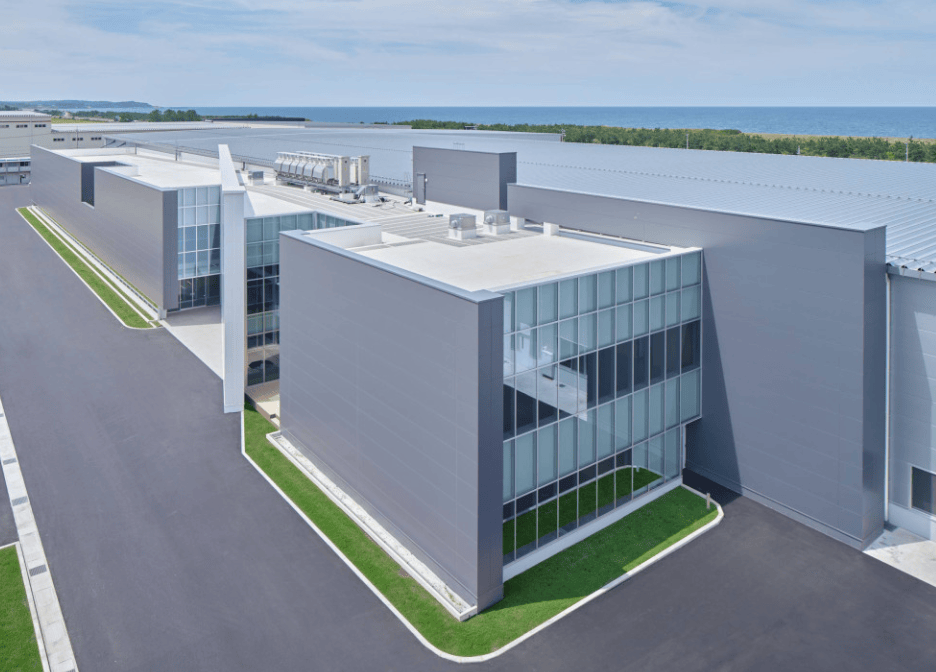
The Tianfu Fusion Technology R&D Center is positioned to focus on three major directions: fusion reactor materials R&D, testing and validation of key subsystems, and development of critical components. The overall campus plan covers approximately 500 mu (about 33.3 hectares) and will be developed in phases. Phase I was completed and put into operation in May 2026, with the core building being a circular ring-shaped R&D main building with a diameter of 100 meters. Phase II focuses on the core challenge constraining fusion engineering applications—"radiation-induced structural material damage in fusion reactors"—and plans to build a comprehensive irradiation facility for fusion reactor materials, aiming to provide crucial support for the performance evaluation and engineering application of key materials.
China Fusion Energy Co., Ltd., established in Shanghai in July 2025, is a second-level subsidiary directly under the China National Nuclear Corporation (CNNC), formed on the basis of the Southwestern Institute of Physics. On the day of its establishment, seven shareholders signed a capital increase and share expansion agreement totaling approximately 11.5 billion yuan, raising its registered capital to 15 billion yuan. The company is recognized as a "Pioneer Enterprise" by the State-owned Assets Supervision and Administration Commission (SASAC) and serves as the innovation entity driving the engineering and commercialization of fusion in China.
Once fully completed, the Tianfu Fusion Technology R&D Center will become one of the largest and most functionally comprehensive fusion R&D bases in China, significantly enhancing China's fusion engineering technology level and accelerating the achievement of self-reliance in fusion energy. The core area of the campus is planned to cover 4,800 mu (about 320 hectares), making it the first innovation city in China with fusion energy as its leading industry.
Related Products
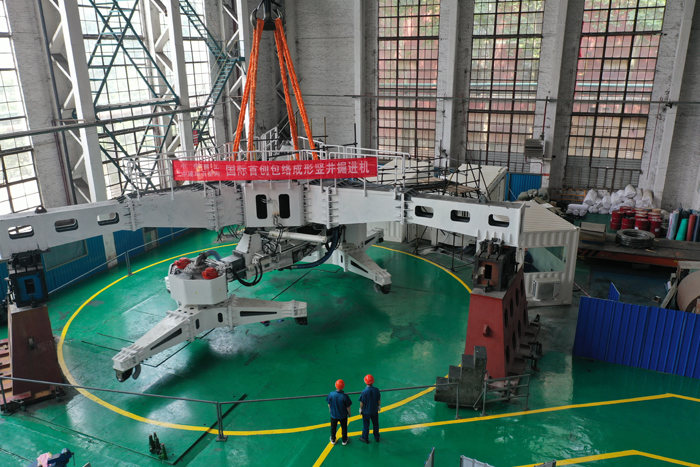

CITIC Heavy Industries Tunneling Equipment Tunnel Engineering Shield Machine
CITIC Heavy Industries Co., Ltd.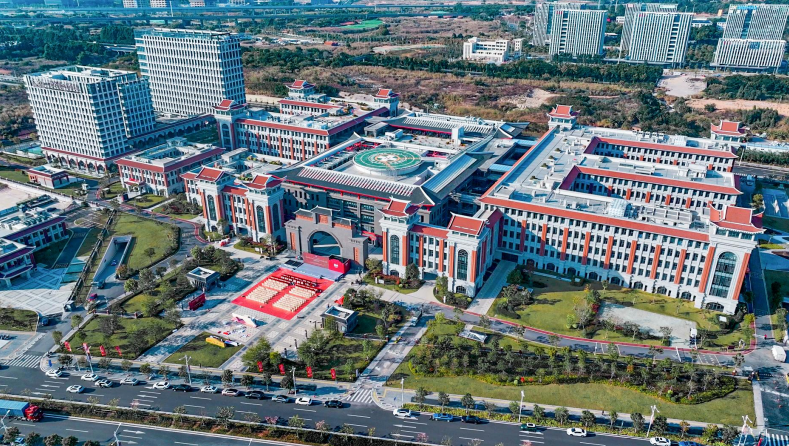
West China Xiamen Hospital of Sichuan University
Wuhan Huakang Century Clean Technology Co., Ltd.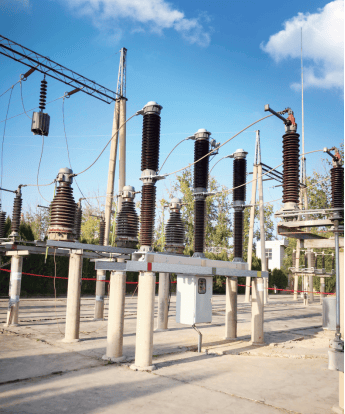
145kV Porcelain Column Type Sulfur Hexafluoride Circuit Breaker
TBEA ZONFA Shanghai High Voltage Switchgear Co., Ltd.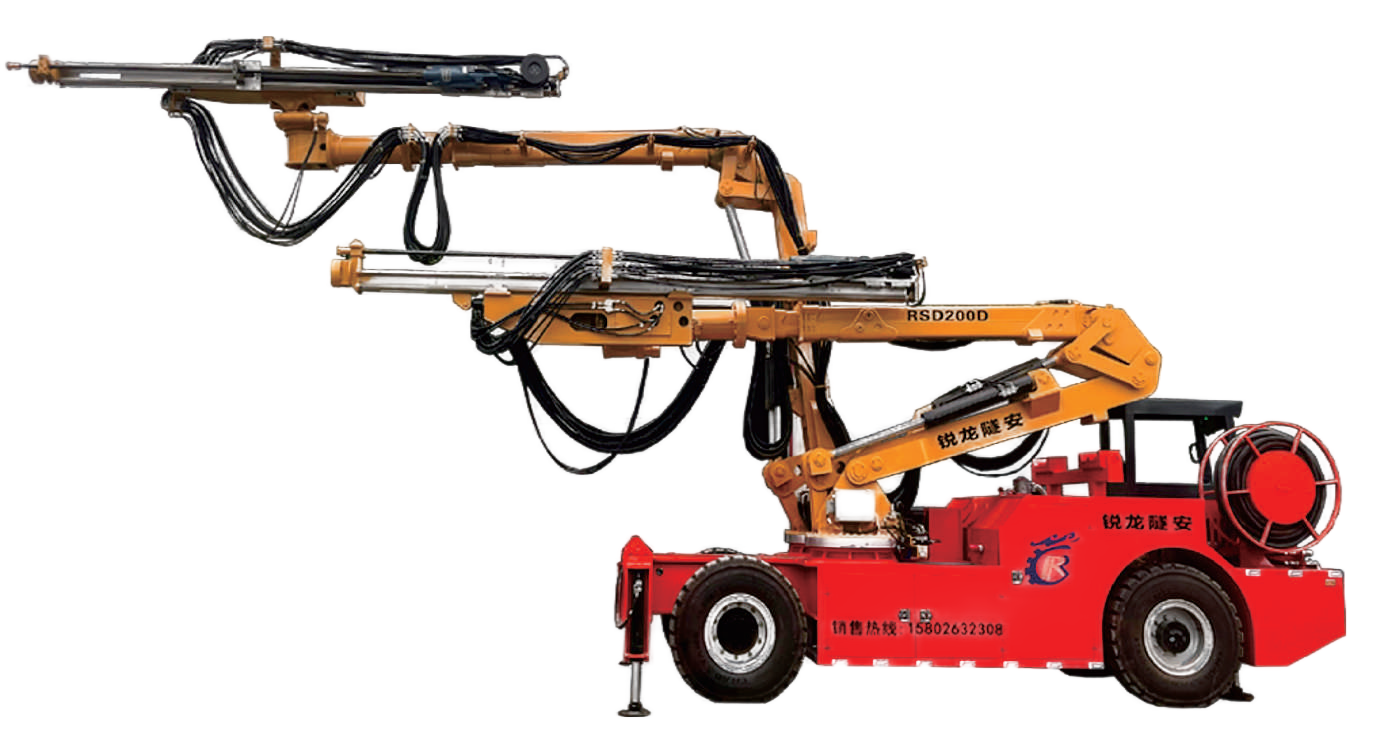
Dual-curved Arm Rock Drilling Trolley RSD200D
Chengdu Ruilong Machinery Manufacturing Co., Ltd.
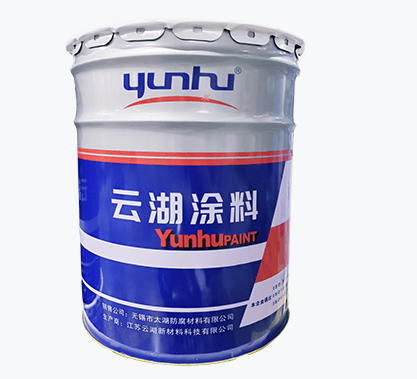
YHTank8400N Solvent-Free Liquid Epoxy Coating
JIANGSU YUNHU NEW MATERIAL TECHNOLOGY CO., LTD.


Industrial and Commercial Point-Type Gas Detector
Jinan Benan Technology Development Co., Ltd.