Peru, Colombia, Ecuador Seek to Revitalize PPP Projects in Q3
en.Wedoany.com Reported - Peru, Colombia, and Ecuador are seeking to reactivate their public-private partnership (PPP) project pipelines in the third quarter, after political tensions, fiscal constraints, and electoral processes hampered the progress of infrastructure projects in the second quarter.
In Peru and Colombia, government transitions have raised expectations for increased PPP activity, but project acceleration is expected mainly in the final quarter of this year and early 2027. In Ecuador, institutional restructuring that began in mid-2025 has brought the project pipeline to a near standstill.
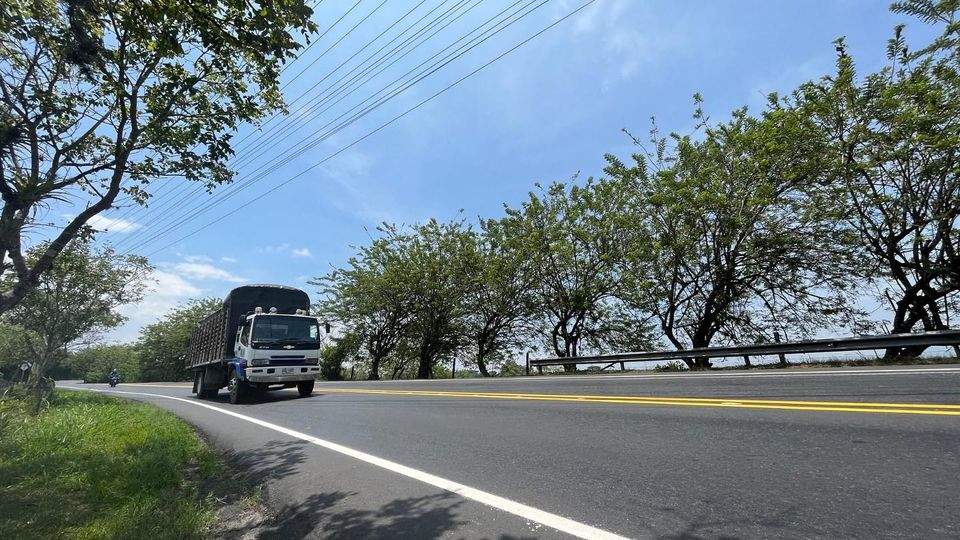
Keiko Fujimori will assume the presidency of Peru on July 28, and Abelardo De La Espriella will take office as president of Colombia on August 7. Both won by narrow margins and will need to build consensus in highly polarized political landscapes.
In Ecuador, activity in the sector has stalled since the Secretariat for Public-Private Investments was dissolved in July 2025 and the PPP portfolio was transferred to the Ministry of Transport and Public Works.
In Peru, the second quarter ended with no significant progress on initiatives such as the Choquequirao cable car, the Lima drinking water intake and conveyance project, and the Cajamarca wastewater treatment plant. The third quarter is expected to see progress on the Choquequirao cable car and Lima water supply project processes, as well as the award of the contract for the Cajamarca wastewater treatment plant. This project, valued at $280 million, will benefit over 365,000 people in the city and the Baños del Inca district. Also in July, the award of the $151 million Lima Convention Center PPP is planned, with qualified bidders including GL Events Venues, Consorcio Centro de Convenciones–Exposistemas, and Grupo Heroica. The award aims to leverage international experience to strengthen tourism related to meetings, incentives, conferences, and exhibitions. In the same month, the Private Investment Promotion Agency (ProInversión) is expected to sign a contract with the concessionaire Proyectos de Infraestructura Sucursal del Perú for the comprehensive management of the National Institute of Child Health of San Borja, involving an investment of $317 million over 17 years. By September 7, ProInversión will receive expressions of interest for a privately initiated PPP project worth $329 million to renovate 13 educational institutions in Metropolitan Lima, benefiting over 29,000 students annually. The winning company must replace existing infrastructure, equip facilities, and ensure maintenance over a 20-year concession period.
Despite a broad project portfolio, Peru's PPP agenda has progressed slowly in recent years. Public administration and infrastructure expert Karla Gaviño stated that Peru's infrastructure development faces horizontal challenges affecting all projects that are difficult to overcome, public investment has declined compared to other countries in the region, governance deficiencies and the politicization of project prioritization hinder decision-making based on technical criteria and local needs, and issues with the physical and legal regularization of land plots cause implementation delays and increase costs.
In Colombia, during the government of Gustavo Petro, infrastructure lost the dynamism that had once transformed it into a main engine of the economy. A combination of political, fiscal, and social factors slowed project execution and the structuring of new initiatives. This contrasts with expectations of increased activity following the government transition. Former Deputy Minister of Infrastructure Olga Lucía Ramírez noted that the achievement in recent years has been project structuring, particularly for railway projects, and that efforts are now needed to restore institutional trust and send clear signals of legal certainty to advance projects, protect public-private partnerships so processes can continue, ensure financing for strategic works, and strengthen the country's technical capacity. Projects that may see progress in the third quarter include: the southwestern airport, the $2.3 billion expansion of El Dorado International Airport (EDmax), the new Cartagena airport (CACI) estimated at $1.7 billion, and the $1.362 billion Villeta–Guaduas corridor, which is in the final stages of structuring and feasibility. However, the launch of bidding processes is expected in the final quarter of the year.
In Ecuador, the absorption of the Secretariat of Public-Private Partnerships by the Ministry of Transport and Public Works, which later also merged with the Ministry of Telecommunications, has brought the country's PPP agenda to a near halt. The departure of mayors and governors in key cities such as Guayaquil, along with local elections scheduled for October, has led local governments to prioritize campaign issues over long-term projects. Pablo Ramón, Executive Director of the Infrastructure Strategic Council under the National Construction Chamber, stated that major works are at a standstill and that merging the secretariat with the ministry was a mistake. The national PPP registry includes a project portfolio of around $12 billion, but no progress has been made except for the Guayaquil multipurpose bulk cargo terminal project ($228 million) and the Galápagos logistics storage system (Galápagos logistics storage system, estimated at $314 million), both of which are in early stages. Consulting work is underway for the bulk cargo terminal, supported by the Inter-American Development Bank (IDB) and the Global Infrastructure Facility. The Galápagos logistics project received $2.2 million from the CAF to hire a consulting firm to structure and tender the port and biosecurity facility project in Guayaquil and the islands. Expressions of interest have been solicited, and the contract award is expected in this quarter. The consulting assignment has an 18-month duration, aiming to design a PPP scheme integrating technical, financial, legal, social, environmental, and market aspects, including the design, financing, construction, equipment, operation, and maintenance of port and biosecurity facilities, as well as transportation and logistics services between the mainland and the islands.
Related Products

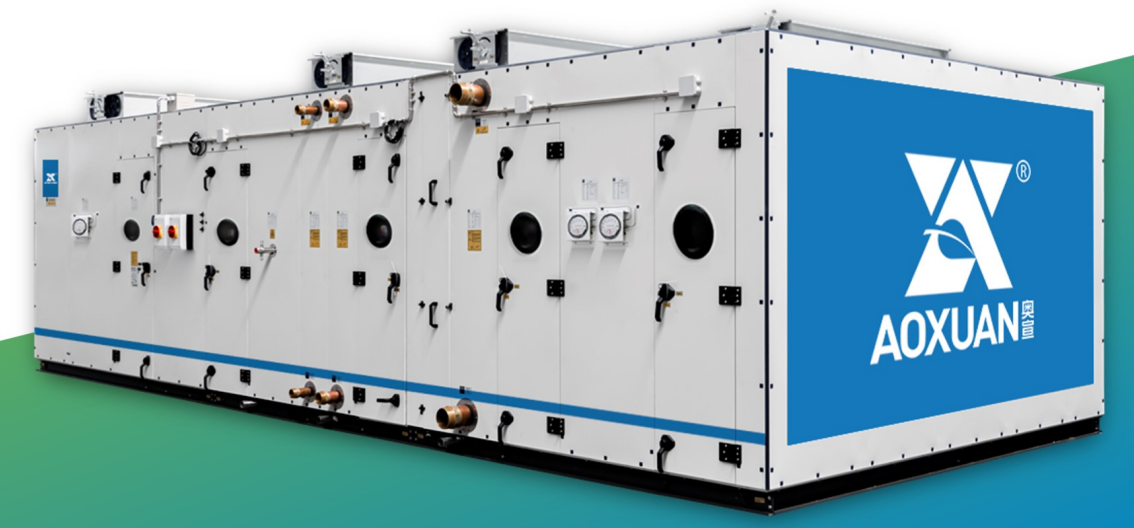
Aoxuan Intelligent Precision Air Conditioning Unit
SHANGHAI AOXUAN PURIFICATION TECHNOLOGY CO., LTD.


ERW Welded Pipe (Black Pipe and Hot-dip Galvanized Steel Pipe)
Handan Zhengda Steel Pipe Co., Ltd.
CITIC Heavy Industries Tunneling Equipment Tunnel Engineering Shield Machine
CITIC Heavy Industries Co., Ltd.
Ultra-Pure Ferrite Stainless Steel Products
Gansu JISCO Group Hongxing Iron and Steel Co., Ltd.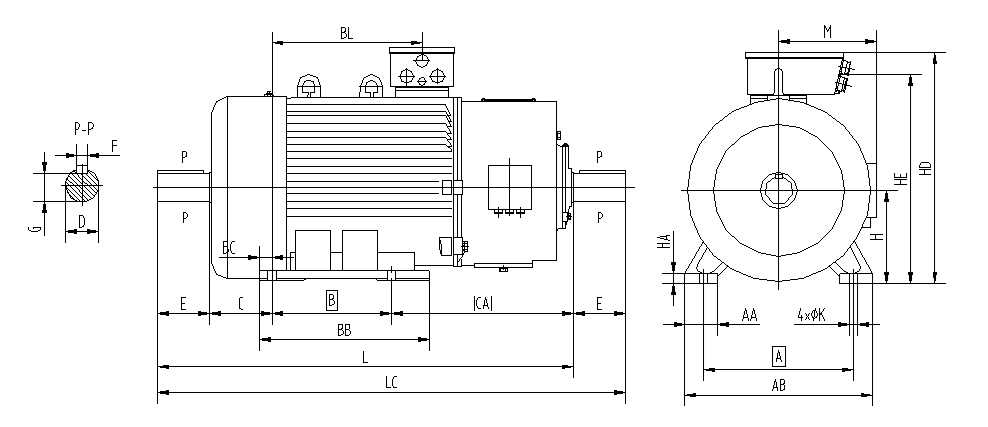
YZR (450-560) Series Wound Rotor Three-Phase Asynchronous Motors for Crane and Metallurgical Applications
Jiamusi Electric Machine Co., Ltd.