China's Xinwang Microelectronics Launches Automotive-Grade Three-in-One SoC, Entering Light and Rain Sensor Market
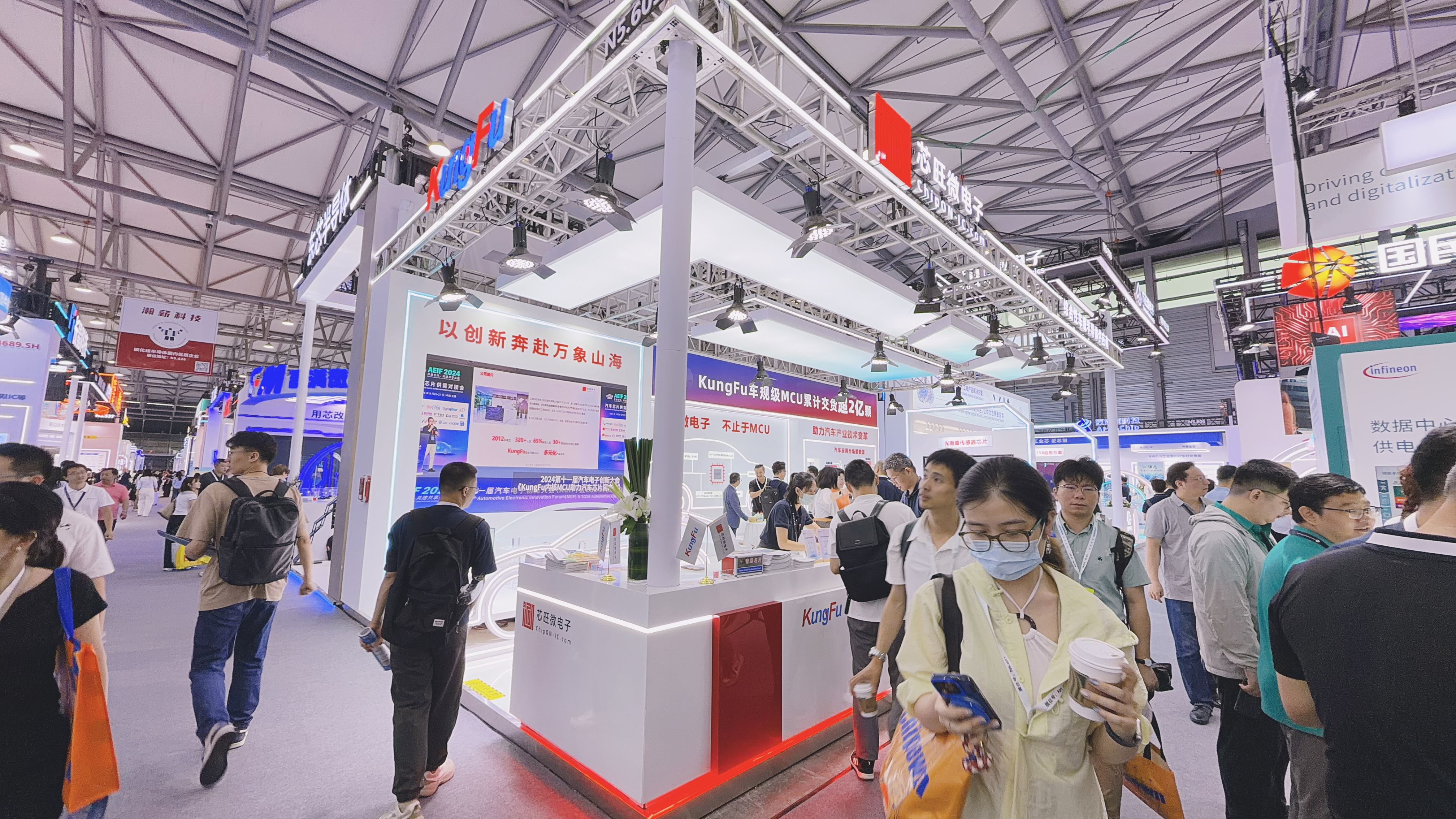
en.Wedoany.com Reported - At the 2026 Munich Shanghai Electronics Show, Shanghai Xinwang Microelectronics Technology Co., Ltd. released the light and rain sensor chip KF32A626x, along with its corresponding DEMO board and integrated solution. This chip enters the light and rain sensing market as a dedicated SoC integrating MCU, SBC, and ASIC in a three-in-one form, marking the first time a domestic chip company has entered this field in such a form. As China's largest independent automotive-grade MCU supplier, Xinwang Microelectronics' latest release signifies another expansion of its strategic roadmap toward becoming a comprehensive automotive-grade semiconductor supplier.
According to data from Baijian Fanglue, the global automotive rain sensor chip market reached $101 million in 2025 and is expected to grow to $167 million by 2032, with a compound annual growth rate of 7.45%. Data from Research and Markets shows that the broader market, including rain sensing modules, was valued at approximately $5.53 billion in 2025 and is projected to reach $8.46 billion by 2032. The core drivers of market growth are the rigid demand for sensing capabilities from ADAS systems and the widespread adoption of intelligent features in Vehicles" target="_blank">new energy vehicles.
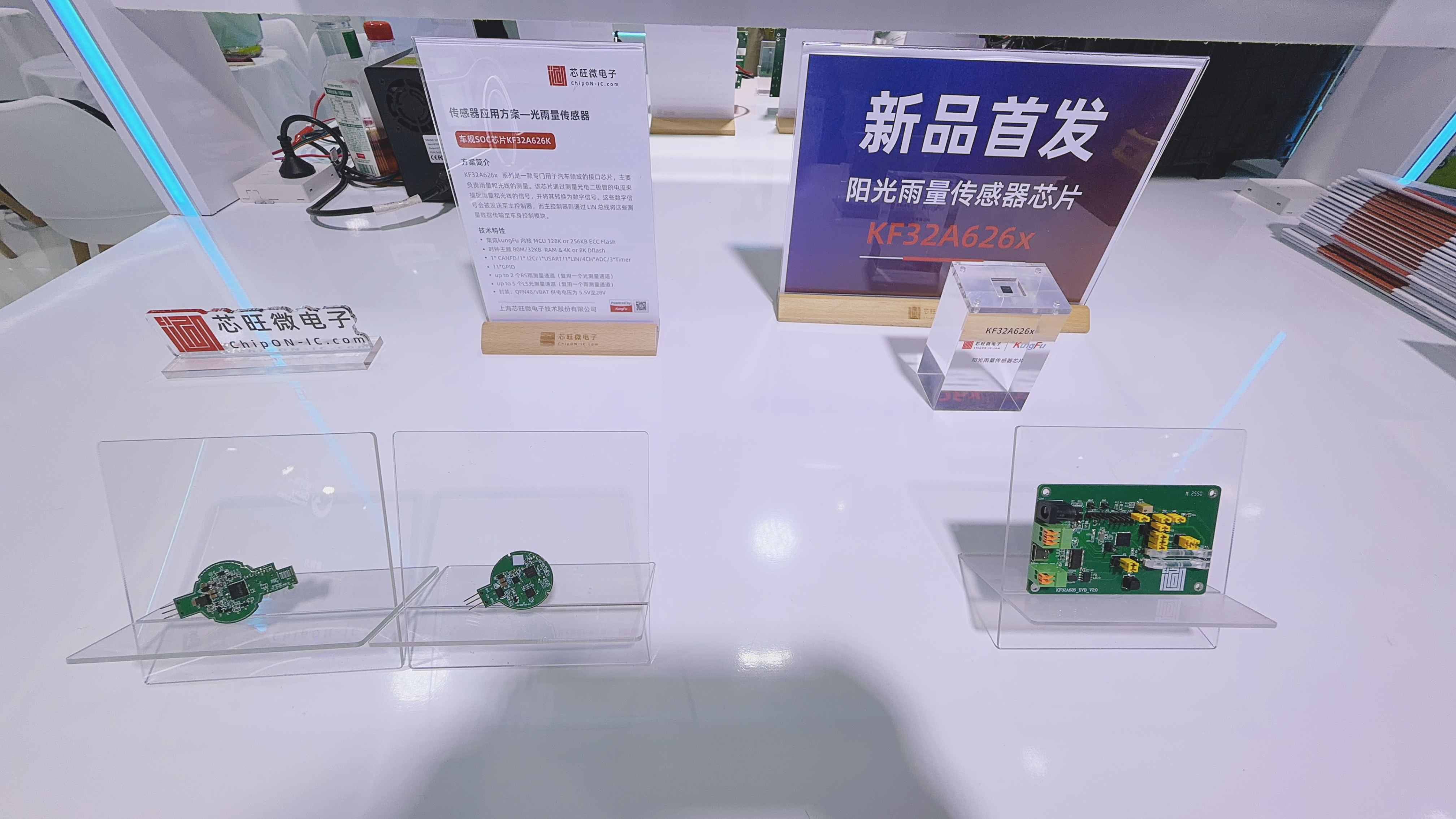
The KF32A626x adopts a compact QFN48 package with a supply voltage range covering 5.5V to 28V. The chip features a KungFu core MCU with up to 256KB ECC Flash and 32KB RAM, a main frequency of 80MHz, and integrated CAN FD and LIN 2.2A communication interfaces. On the photoelectric signal chain, the chip integrates 2 optical drive channels and 6 detection channels internally, equipped with a 16-bit high-precision ADC and a dedicated DSP algorithm module, supporting up to 2 rain measurement channels and 5 light measurement channels simultaneously. The hardware circuit can automatically filter out ambient infrared light bias, and the DSP preset algorithm further eliminates residual ambient light noise. Key modules such as infrared LEDs, photodiodes, and detection channels all have hardware diagnostic notification capabilities.
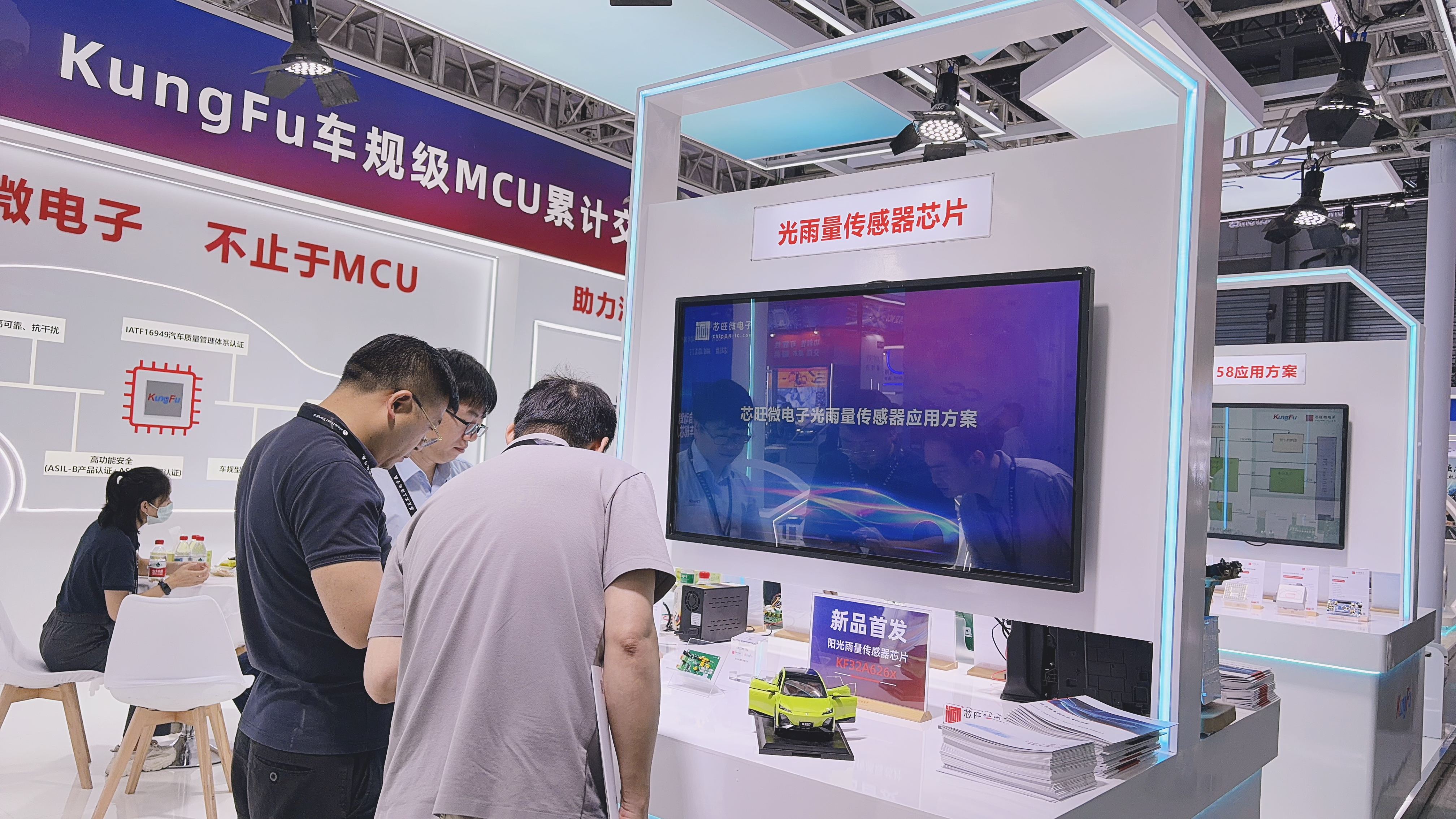
The current mainstream light and rain sensing solutions are primarily discrete solutions based on "general-purpose MCU + peripheral chips + discrete components." The KF32A626x redefines the hardware form in this field through three core values: high integration, extreme miniaturization, and low cost. It integrates the SBC (including a wide-voltage LDO and LIN transceiver) directly on-chip, completing the entire chain of power supply, communication, and signal processing in a single chip. The chip also integrates hardware protection mechanisms such as OVP/UVP overvoltage and undervoltage protection, a watchdog timer, and power-on reset. In terms of miniaturization, the QFN48 package consolidates originally scattered functional modules into the chip, significantly reducing the number of peripheral components. In terms of cost, the three-in-one design simplifies BOM management from the source, drastically reducing the number of core components and lowering the complexity and risk of supply chain management. The chip complies with the ASIL-B safety level.
At this exhibition, Xinwang Microelectronics showcased a complete product portfolio, including a discrete solution based on the KF32A136, the SRT1200 high-frequency transceiver chip, a backup instrument and wireless charging solution based on an ASIL-B grade MCU, switch sensor and comfort system solutions covered by the KF32A136, motor drive solutions, and the SMC6008 series, SMC6012 series, and KF32A158 series for intelligent chassis. As of November 2025, cumulative shipments of Xinwang Microelectronics' KungFu automotive-grade MCUs have exceeded 200 million units, of which over 10 million units are used in high-safety applications such as chassis steering and braking. Related products have been selected by over 70 well-known automotive brands, covering more than 200 vehicle models.
As a new member of Xinwang Microelectronics' sensor product line, the KF32A626x, together with products like the KF32A136 and KF32A158, forms precise matching at different levels. General-purpose chips cover a wide range of node control needs, while dedicated chips achieve the optimal balance of performance and cost in specific scenarios.
Related Products


GYTA Type Non-Self-Supporting Aerial/Duct Optical Cable
TONGDING INTERCONNECTION INFORMATION CO., LTD.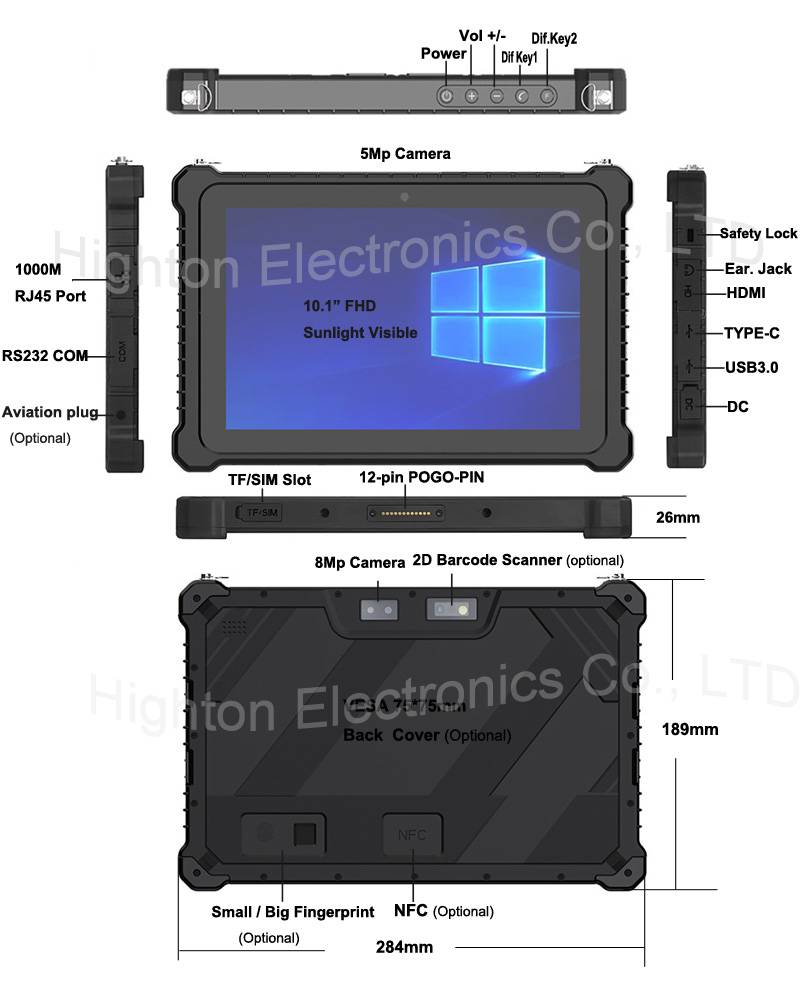
Hot Selling 10 Inch Intel N5100 I5 I7 FHD 8 +128GB 16+256GB Win10 Pro Win11 Pro 4G 5G Rugged Tablet PC Pad with NFC Barcode
Highton Electronics Co., Ltd.
Mine Explosion-proof and Intrinsically Safe Industrial Ethernet Ring Network (10 Gigabit/Gigabit)
Chongqing Mas Sci&Tech Co., Ltd.
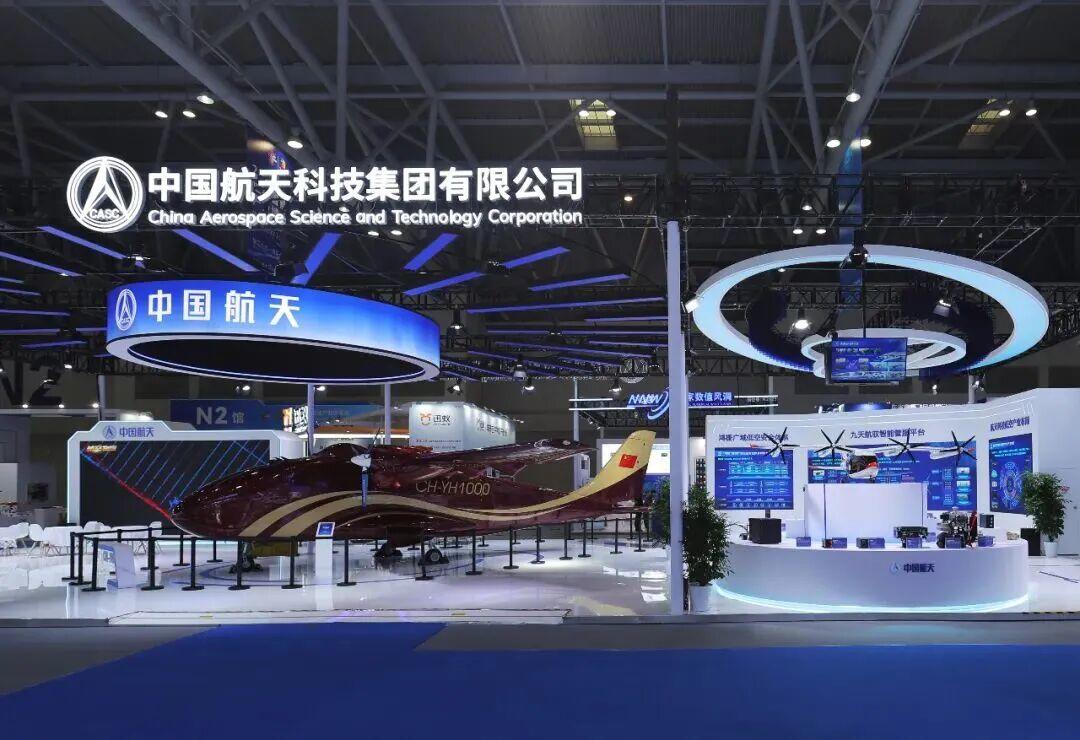
JiuTian OneSky Pilot—Intelligent Management And Service Platform
China Times Prospect Science & Technology Co., Ltd.
Industrial and Commercial Point-Type Gas Detector
Jinan Benan Technology Development Co., Ltd.
Conveyor Belt Intelligent Monitoring System
LUO YANG WIRE ROPE INSPECTION TECHNOLOGY CO., LTD.
20 Inch 1600*900 Full HD 60Hz TFT LED Monitor with VGA and DP Interfaces for Desktop Computers-Business Use
Guangzhou Zanying Optoelectronics Technology Co., Ltd.