China Basic Semiconductor Plans Hong Kong IPO on July 8 to Raise HKD 866 Million
en.Wedoany.com Reported - Shenzhen Basic Semiconductor Co., Ltd. ("Basic Semiconductor") plans to list on the Main Board of the Hong Kong Stock Exchange on July 8 as a Specialized Technology Company, with 2025 revenue of approximately RMB 311 million and a total fundraising amount of up to about HKD 866 million. This marks the company's third listing application, signaling that a domestic silicon carbide IDM enterprise is officially entering the public market.
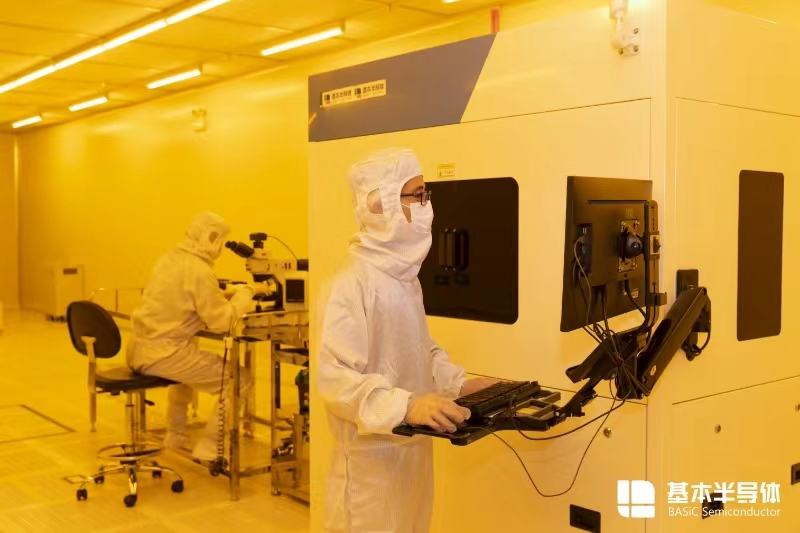
According to the prospectus, Basic Semiconductor is currently in a transitional phase from technological industrialization to large-scale commercialization. While revenue has reached a certain scale, the company has yet to achieve profitability. Market observers believe this state provides a real-world example for China's silicon carbide industry as it moves from capacity-driven narratives to performance validation.
The company is listing under Chapter 18C of the Hong Kong Stock Exchange Listing Rules. Chapter 18C, introduced in 2023, is specifically designed for specialized technology companies that have not yet met traditional profitability and revenue tests but possess high growth potential. For commercialized companies, the expected market capitalization at listing must be no less than HKD 4 billion, and revenue for the most recent fiscal year must exceed HKD 250 million. Basic Semiconductor's 2025 revenue of approximately HKD 334 million meets the revenue threshold for commercialized companies.
Frost & Sullivan has identified Basic Semiconductor as the only domestic company that fully covers the entire silicon carbide chip design, wafer manufacturing, module packaging, and gate driver process, aligning with Chapter 18C's definition of acceptable areas in advanced hardware and software semiconductors. As of the end of March 2026, 14 companies have listed in Hong Kong under Chapter 18C, raising a total of HKD 28.4 billion, with the semiconductor sector including Black Sesame Technologies, Biren Technology, and Fourier. After listing, Basic Semiconductor will become the first SiC company to list in Hong Kong under Chapter 18C.
In terms of shareholding structure, founder Wang Zhihan controls approximately 45.98% of voting rights through multiple holding platforms. The company has implemented several governance optimizations before the IPO, including signing supplementary agreements with pre-IPO investors to terminate special rights such as redemption rights, liquidation preferences, and anti-dilution rights. Regarding related-party transactions, sales, procurement, and leasing agreements with controlling shareholder Bronze Sword Technology have been fully disclosed, with annual sales caps from 2026 to 2028 set at RMB 4 million each, accounting for less than 3% of the company's total revenue.
Before the IPO, one of the controlling shareholders, Basic Original, transferred shares to multiple institutions from April to August 2025, involving approximately RMB 180 million. Meanwhile, the company's Series D financing still attracted state-owned institutions such as Zhongshan City Investment Promotion Development Fund and Torch High-Tech, with an investment scale of RMB 150 million, resulting in a post-investment valuation of RMB 5.16 billion.
Financial data shows that from 2023 to 2025, the company accumulated a net loss of approximately RMB 915 million. The gross loss rate narrowed from 59.6% in 2023 to 10.9% in 2025, reflecting initial effects of cost optimization and product portfolio adjustments. In 2024, the gross loss rate once dropped to 9.7%, but in 2025, due to market price pressure on automotive-grade silicon carbide power modules, it slightly rebounded to 10.9%.
In terms of capacity utilization, the Guangming production base operated at 68.9% in 2025, the Pingshan testing base at 91.5%, and the Wuxi production base, affected by fluctuating demand from automotive-grade module customers, saw utilization drop from 52.6% to 40.0%. The company's integrated module and driver solution has entered over 20 automakers and more than 80 vehicle models, with 9 models already in mass production. As of the end of 2025, over 140,000 vehicles had been equipped with the solution.
Related Products


GYTA Type Non-Self-Supporting Aerial/Duct Optical Cable
TONGDING INTERCONNECTION INFORMATION CO., LTD.
One-Stop Steward Service for the Entire Logistics System Integration Chain
Zhongding Intelligent (Wuxi) Technology Co., Ltd.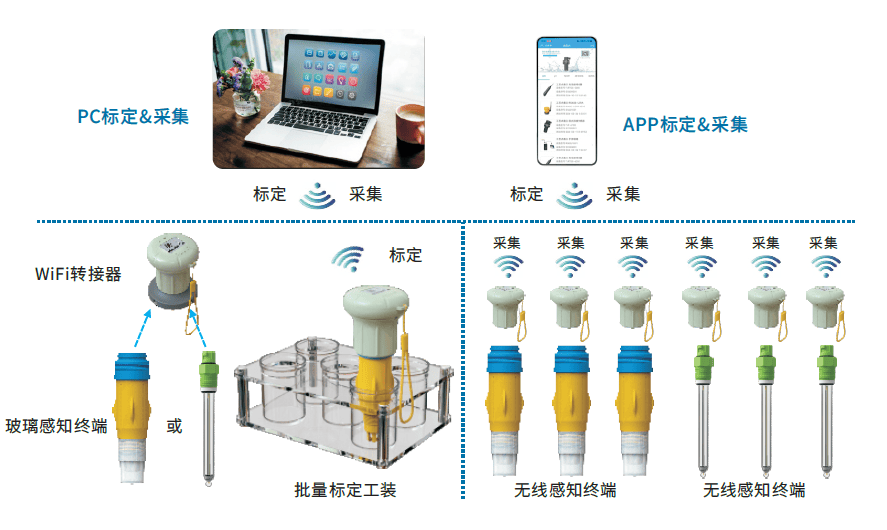
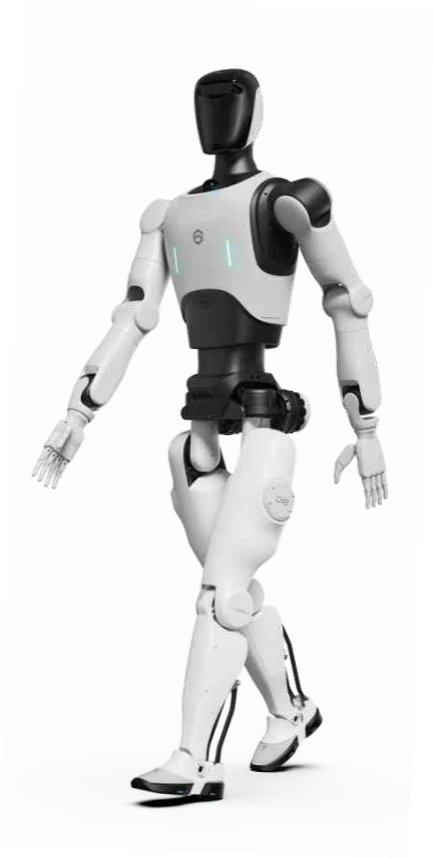
D12 Humanoid Robot
Automation Research Institute Co., Ltd. of China South Industries Group Corporation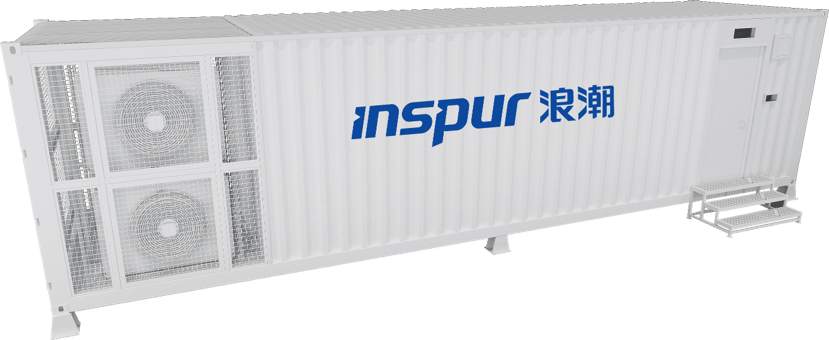
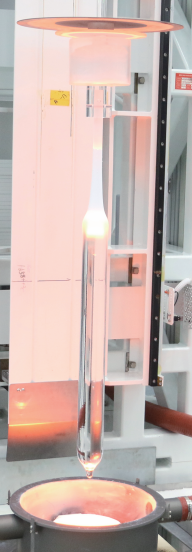
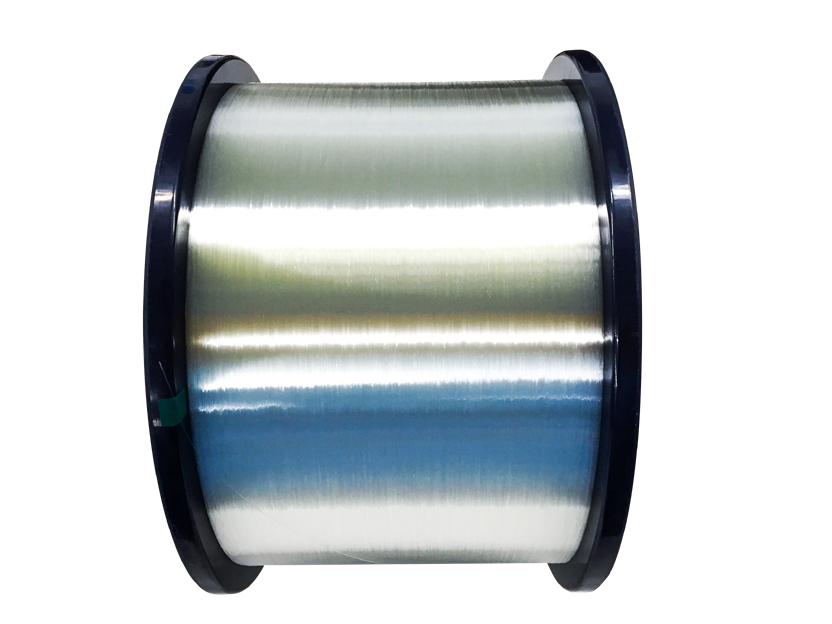
G.652.D Wavelength-extended Non-dispersion Shifted Single-mode Optical Fiber
HONGAN GROUP CO., LTD.

Industrial and Commercial Point-Type Gas Detector
Jinan Benan Technology Development Co., Ltd.
Comprehensive Mining Automation Control System
Beijing Tianma Intelligent Control Technology Co., Ltd.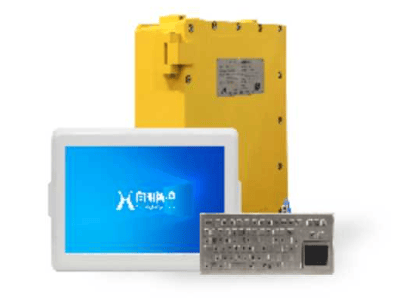
KJD127(A) Mining Explosion-Proof and Intrinsically Safe Computer
Taiyuan Xiangming Intelligent Control Technology Co., Ltd.