BMW Group Mexico Plant Reaches 500,000 Vehicles in Nearly a Decade of Production
en.Wedoany.com Reported - Nearly a decade after its launch, the BMW Group plant in San Luis Potosí, Mexico, has established itself as one of the group's most important strategic assets outside Germany. The plant has not only produced over 500,000 vehicles but has also been selected as one of four global facilities responsible for manufacturing vehicles based on the Neue Klasse platform, alongside plants in Munich, Debrecen, and Shenyang, collectively leading the brand's next-generation vehicle direction.
Located in the Logistik Industrial Park, the plant broke ground in Villa de Reyes a decade ago, aiming to enhance regional production flexibility in the Americas. Klaus von Moltke, President and CEO of BMW Group Plant San Luis Potosí, stated that with the new battery plant, the facility has positioned itself at another technological level and is one of the plants offering the best growth opportunities.
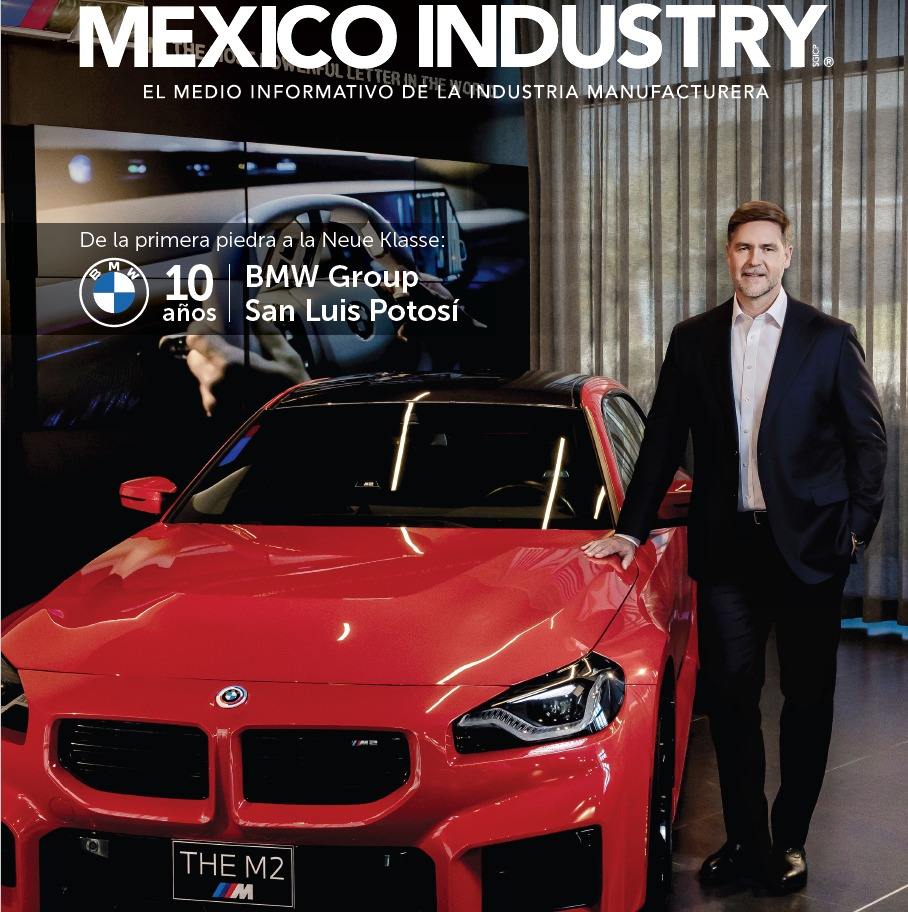
The plant currently produces three models: the BMW 3 Series, the BMW 2 Series Coupe, and the BMW M2, with the latter two exclusively supplied to the global market from this facility. The exterior design of the BMW 2 Series Coupe and BMW M2 was developed by designer José Casas from Mexico City, who now leads BMW's exterior design department in Germany. The plant also produces low-volume, high-value special edition models such as the BMW M2 CS and the BMW M2 Racing, the latter being the first BMW M Motorsport model manufactured outside Germany.
Operations follow a "build-to-order" model, capable of generating up to one billion different product combinations. The operations are divided into three main areas: body shop, paint shop, and final assembly, connected by a 7.9-kilometer production line. The body shop has an automation rate of 95%, with over 600 industrial robots, a number expected to exceed 1,000 with the arrival of the Neue Klasse. The paint shop uses over 20 colors with an automation rate of 80%. The final assembly line brings together approximately 4,000 components per vehicle. The production line currently outputs about 30 vehicles per hour, or around 460 per day under two shifts, with combustion, hybrid, and electric vehicles sharing the same infrastructure. Von Moltke stated that the plant must be capable of producing based on market demand, using the required technology, and serving the markets it can reach.
BMW has invested 800 million euros to prepare for the production of the Neue Klasse platform and to build a sixth-generation high-voltage battery assembly center. The project includes a 20,000-square-meter expansion of the body shop, a 10,000-square-meter expansion of final assembly and logistics, and an 80,000-square-meter battery assembly complex. Starting in 2027, the plant will produce the all-new BMW iX3 and BMW i3 all-electric models, utilizing the company's sixth-generation battery technology.
The plant's workforce has an average age of 33, with 67% being millennials and 27% from Generation Z. Employees come from 17 countries, with women comprising 35% of the workforce and 23% of leadership positions. Through a dual education program in collaboration with local educational institutions, over 570 young people have been trained, half of whom are women.
The plant uses certified 100% renewable energy, with a solar park providing approximately 13% of its electricity consumption. Production water is treated and reused, and a circular economy program recycles thousands of tons of materials annually. In terms of community engagement, the plant collaborates with Colonia Juvenil and the Villa de Reyes Children's Club to care for 250 vulnerable children, and promotes corporate volunteering and educational activities. The plant also promotes health through the 40-year-old BMW Tangamanga Marathon. These efforts have earned multiple international certifications and awards, including "Best Employer" certification for three consecutive years and a six-star rating from the European Foundation for Quality Management (EFQM).
Related Products

Standard Nozzle Flowmeter
Jinggong Automatic Control Instrument Complete Technology Development Company
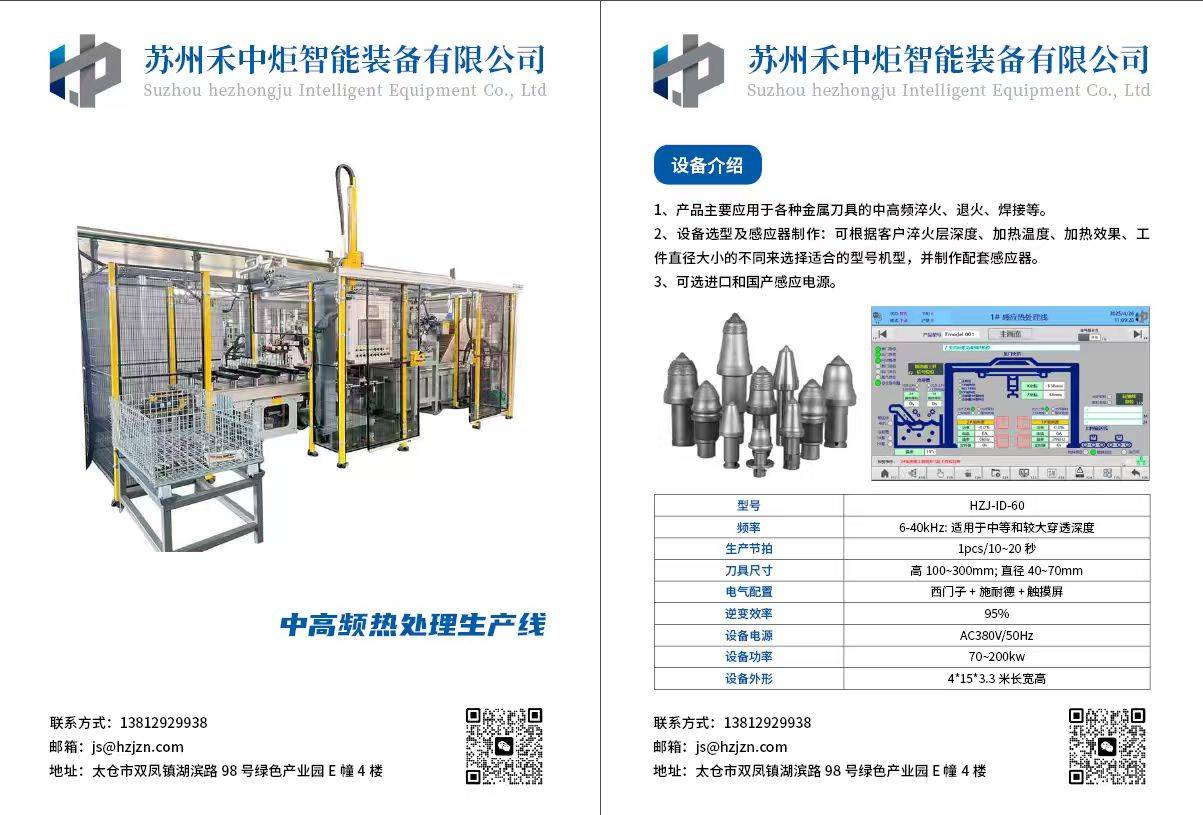
Excavator Bucket Teeth Heat Treatment Production Line
Suzhou Hezhongju Intelligent Equipment Co., Ltd.
LBH4000 Batch Environmental Protection Asphalt Mixing Plant | Asphalt Batching Plant | Asphalt Mixing Plant
Jilin Province Road Construction Machinery Co., Ltd.

Pneumatic high-pressure wear-resistant ball valve
Zhejiang Deca Control Valve Meter Co., Ltd.