GE Appliances Returns Water Filter Production to US with New Factory
en.Wedoany.com Reported - GE Appliances, headquartered at "Appliance Park" in Louisville, Kentucky, has successfully reshored water filter production by integrating advanced automation technology. The company built its first in-house water filter manufacturing plant within the park as part of its ongoing $3.5 billion investment in U.S. manufacturing. This initiative aims to combat the proliferation of counterfeit water filters sold through online channels, which often use substandard components that can introduce harmful chemicals into drinking water. The new facility integrates design, testing, and manufacturing to eliminate counterfeit products at the source.
According to Harry Chase, Senior Director of Central Materials at GE Appliances, automation investment is central to the company's reshoring strategy and enhancing U.S. manufacturing competitiveness. "It is the foundation for the future of manufacturing and long-term growth," Chase said. "U.S. companies need significant automation to be globally competitive. We have invested heavily in data, digital systems, and material flow to create automated operations."
Appliance Park, spanning 750 acres and even having its own ZIP code 40225, was established in 1951. It currently employs over 8,000 people, including 1,600 design and manufacturing engineers. As GE Appliances' largest manufacturing base, the park produces washers, dryers, dishwashers, and refrigerators in addition to the water filter factory. The new water filter plant is located in the AP4 building within the park, co-located with the company's Plastics Center of Excellence, forming a vertically integrated operation. Through the coordination of skilled workers and advanced automation, the plant produces a water filter every five seconds, with an annual output of millions of units. The water filter factory operates as a cleanroom environment, functioning independently from the Plastics Center.
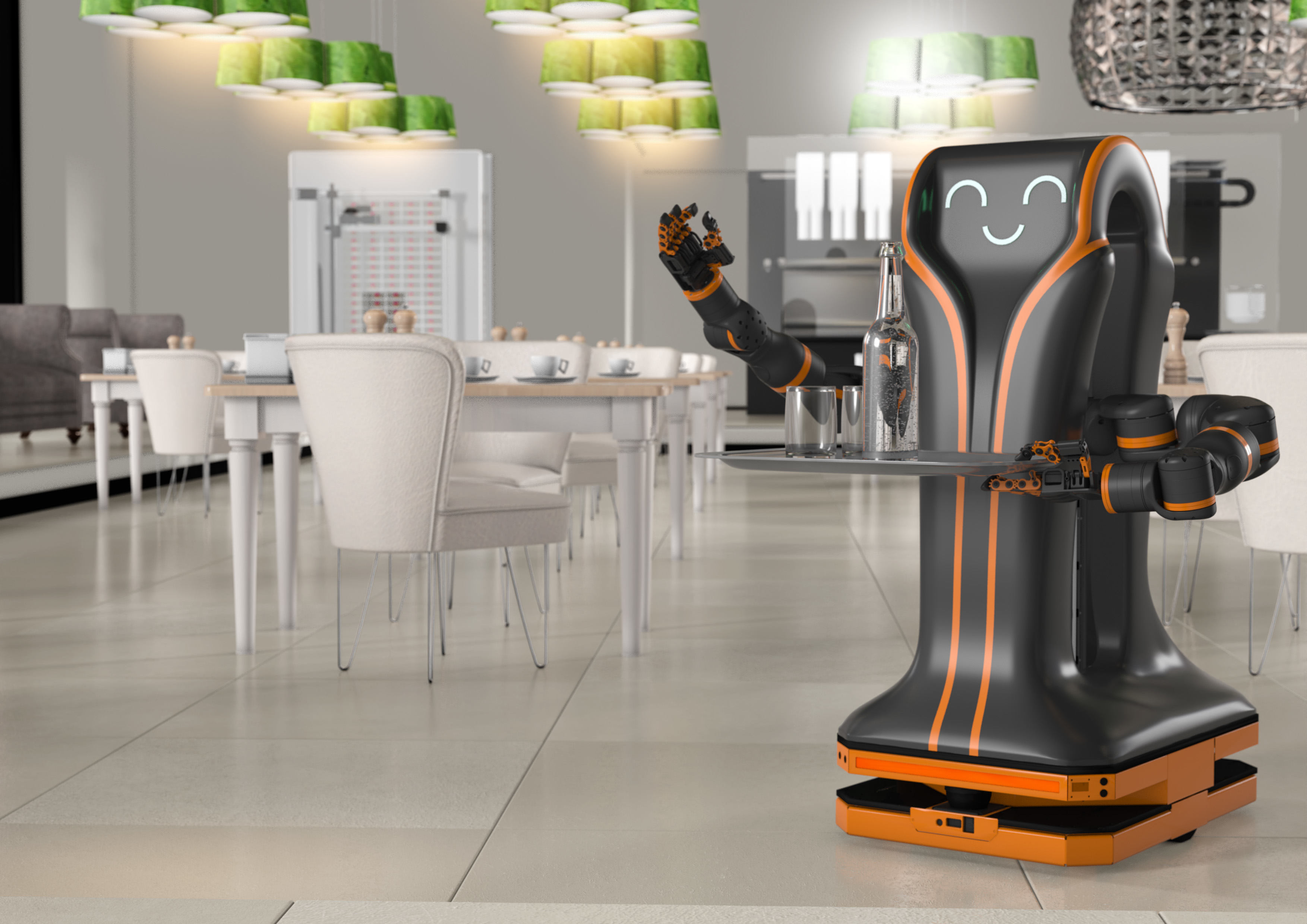
Chase's team designed a full suite of automation systems for both operations, including autonomous mobile robots (AMRs) and fixed robots. These robots assist on the shop floor, optimize material movement, and transport finished products from assembly lines to distribution facilities. Before deployment, the team collaborated with Tennessee-based system integrator ATC Automation, using virtual reality, augmented reality, digital twins, and advanced simulation tools for design, and trained employees on equipment prior to implementation. Currently, Chase estimates that about 60% of operations are automated, with the Plastics Center having a higher degree of automation than the water filter factory. "We are ultimately working toward 100% automation," Chase said. "At the Plastics Center, we just added 20 new robots and are not far from reaching about 80% automation there."
At the water filter factory, GE deployed four vision-guided flat-top AMRs that work in tandem with fixed robots. The Plastics Center is highly automated, with employees and robots supporting injection molding production for over 600 different part numbers, including dishwasher baskets, trays, rollers, and washing machine balance rings and agitators. In the receiving area, plastic resin is currently moved by forklifts, but by July, the plant will add laser-guided AMRs to fully automate resin flow. After resin is injection molded, robots pick up finished parts and place them into material bins, which are then transported by AMRs to staging areas and warehouses. In water filter production, employees feed components into the cleanroom environment, where robots add carbon plugs and perform packaging. In the coming months, automated forklifts from Gideon will handle transporting packaged products to trucks.
The highly automated water filter factory requires only 30 employees, operating across three shifts. However, automation has not led to layoffs; instead, it has created opportunities for employees to upgrade their skills and take on more engaging roles, such as control technicians, maintenance specialists, quality professionals, and "robot wranglers." Chase stated that the goal is to eliminate dull, dirty, and dangerous jobs, allowing employees to focus on higher-value tasks. Michael West, who has been with the company for over seven years, is one such example. He advanced from the assembly line to a senior material automation technician, responsible for managing mobile robots. West said, "I learn something new every day. As employees adapt to automation, I hear people coming up with new ways to use robots every week." Automation has also prompted the company to expand its workforce, as scaled production drives capacity increases and hiring needs.
The project faced challenges during deployment. Infrastructure was one difficulty, particularly interoperability issues between different brands of automation equipment. The team resolved communication problems between fixed robots and conveyor systems by adding a no-code computer vision platform called "Taskwatch." Unlike Europe, the U.S. currently lacks a unified automation communication standard, and this tool helped overcome those barriers. Additionally, Wi-Fi coverage across the sprawling park was an issue, and the company is reconfiguring the network to ensure full coverage for AMRs. Due to the lack of ready-made training courses for these new devices, the company also developed internal training content.
GE Appliances has built a next-generation factory at Appliance Park. Chase said this is just the beginning, and the company remains committed to exploring and adopting new tools to drive innovation and restore U.S. manufacturing leadership.
Related Products



Industrial and Commercial Point-Type Gas Detector
Jinan Benan Technology Development Co., Ltd.
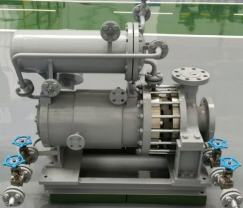

CAP1400 main feedwater flow nozzle flowmeter.
Jiangsu Hongda Instrument Technology Co., LTD.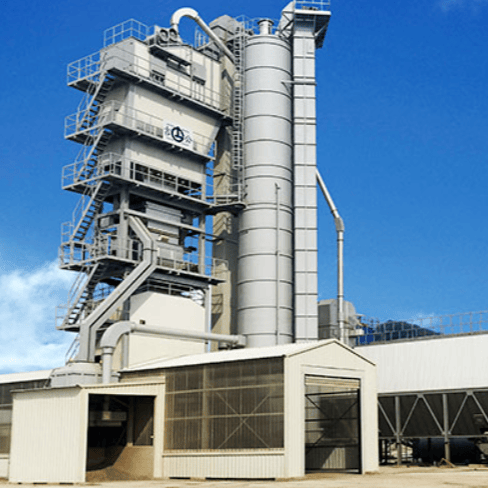
LBH4000 Batch Environmental Protection Asphalt Mixing Plant | Asphalt Batching Plant | Asphalt Mixing Plant
Jilin Province Road Construction Machinery Co., Ltd.
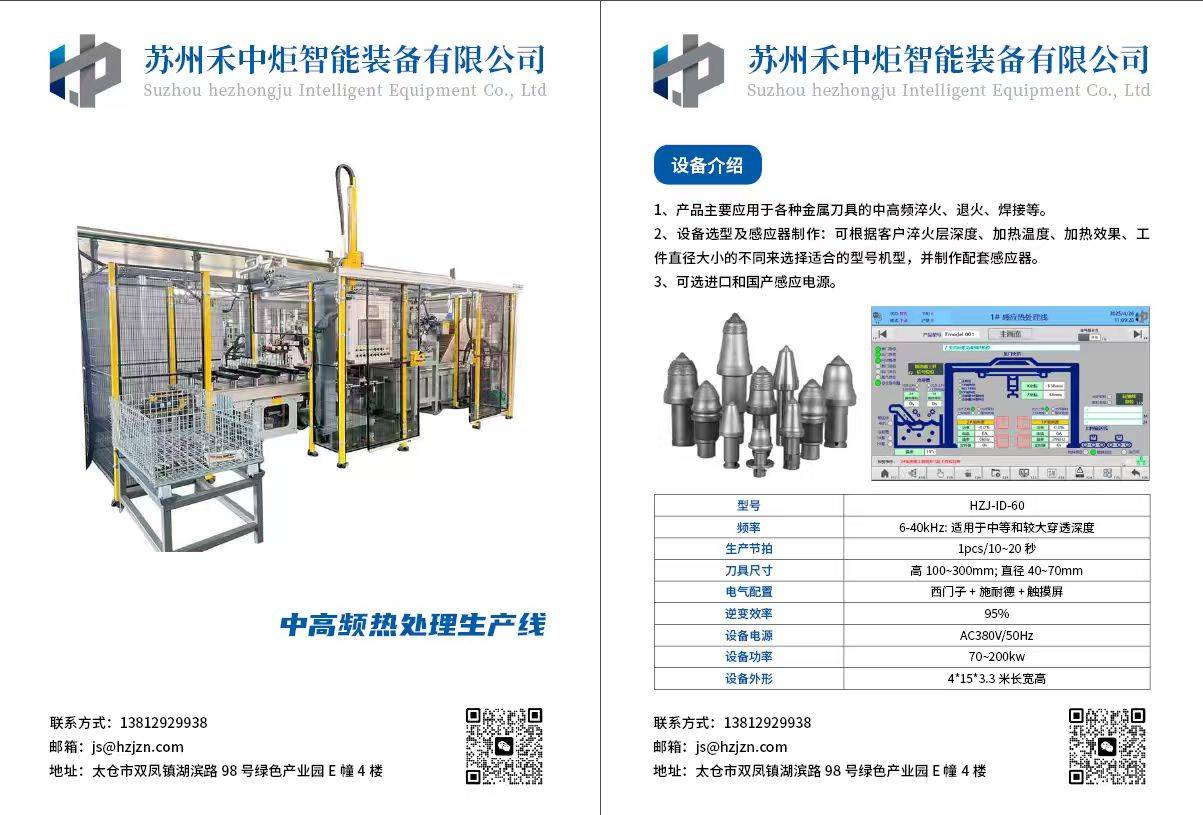
Excavator Bucket Teeth Heat Treatment Production Line
Suzhou Hezhongju Intelligent Equipment Co., Ltd.