Spain Initiates Transposition of EU Water Treatment Directive and Establishes Hebar System
en.Wedoany.com Reported - The Spanish Ministry of Health, led by Minister Mónica García, has initiated the process of transposing the EU Urban Wastewater Treatment Directive (Uwwtd) into national law, publishing the relevant draft Royal Decree and opening a public consultation. The directive has sparked widespread controversy in the European pharmaceutical industry, and the draft proposes the establishment of an environmental epidemiological tool for wastewater monitoring called Hebar, designed to collect information on biological, chemical, or physical environmental factors that may affect human health, as well as data on the characteristics and control of urban wastewater treatment systems.
This draft Royal Decree is a legal instrument for the mandatory transposition of EU regulations into Spanish national law, marking the formal start of the directive's application within Spain. Previously, the Spanish pharmaceutical industry had expressed opposition to the water treatment directive. Elena Casaus, Secretary General of the Spanish Association of Generic Medicines (Aeseg), noted that while the directive introduces positive elements, it does not yet constitute a genuine industrial policy capable of strengthening the production of essential medicines and may "stifle" such drugs. The Spanish Pharmaceutical Industry Association (Farmaindustria) warned that the regulation "seriously harms" industry interests, and its requirements could jeopardize patients' access to necessary medications, including innovative drugs as well as established, critical, or essential medicines.
According to the Ministry of Health's explanation of the mandatory implementation of this regulation, transposing EU Directive 2024/3019 is an explicit mandate, and under Article 33 of the directive, it is an obligation for all member states, with no non-regulatory alternative solutions. To this end, the health monitoring system proposed by the Spanish government will serve as a complement and support to public health and clinical surveillance. Meanwhile, the Hebar network platform will function as an information system, collecting control data, characteristics of wastewater treatment systems, and factors affecting human health.
The Ministry of Health has also listed the main public health parameters to be monitored, including surveillance of pathogens such as SARS-CoV-2 and its variants, poliovirus, influenza viruses, and other emerging pathogens. In response to public health emergencies, Spain will base its monitoring on experience accumulated during the COVID-19 pandemic. Additionally, the draft introduces an obligation to monitor antibiotic-resistant bacteria in wastewater (recognized by the World Health Organization as one of the main sources of bacteria), along with their genes and metabolites, to develop scientific knowledge and take future measures. This move accelerates the implementation process of one of the most controversial regulations in recent times, and the pharmaceutical industry is already analyzing this initial step.
Related Products
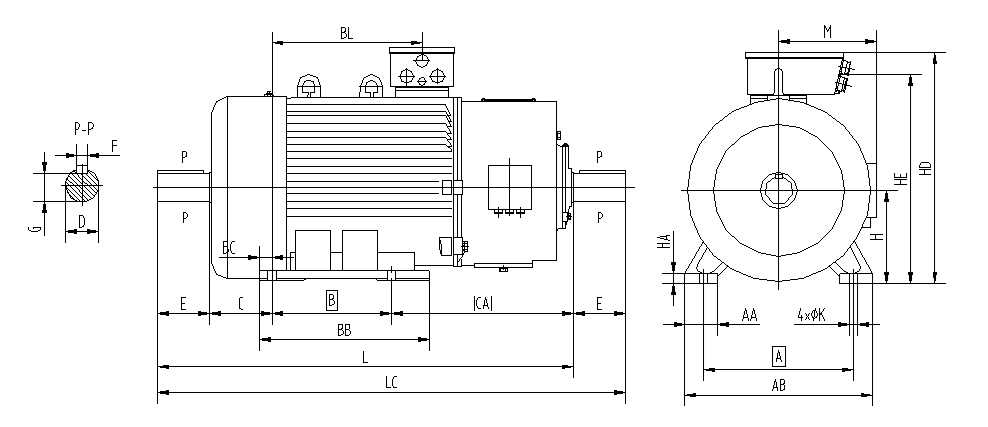

YZR (450-560) Series Wound Rotor Three-Phase Asynchronous Motors for Crane and Metallurgical Applications
Jiamusi Electric Machine Co., Ltd.

Ultra-Pure Ferrite Stainless Steel Products
Gansu JISCO Group Hongxing Iron and Steel Co., Ltd.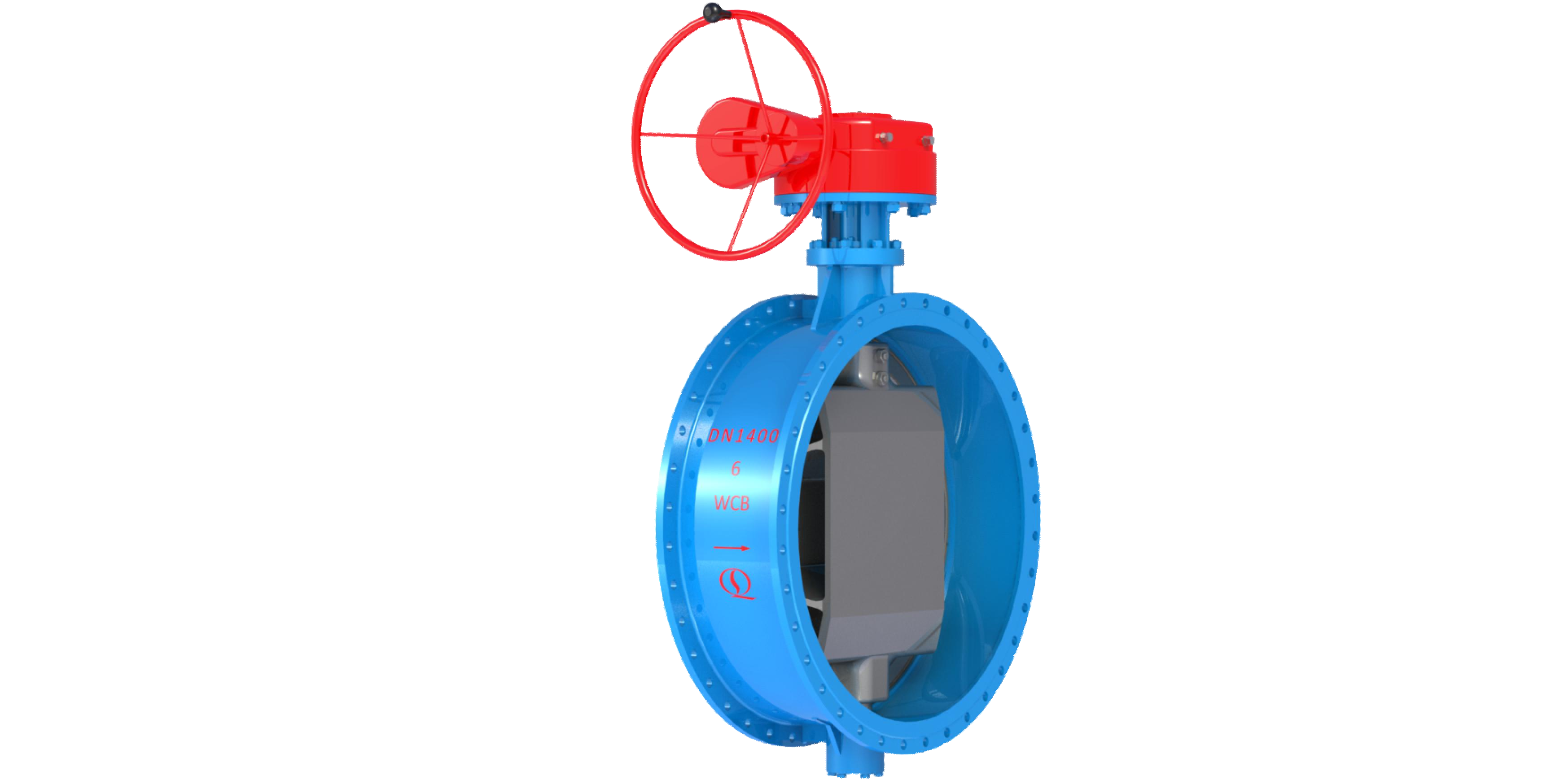
Bidirectional Metal Hard Sealed Seawater Butterfly Valve
Henan Quanshun Flow Control Science & Technology Co., Ltd.
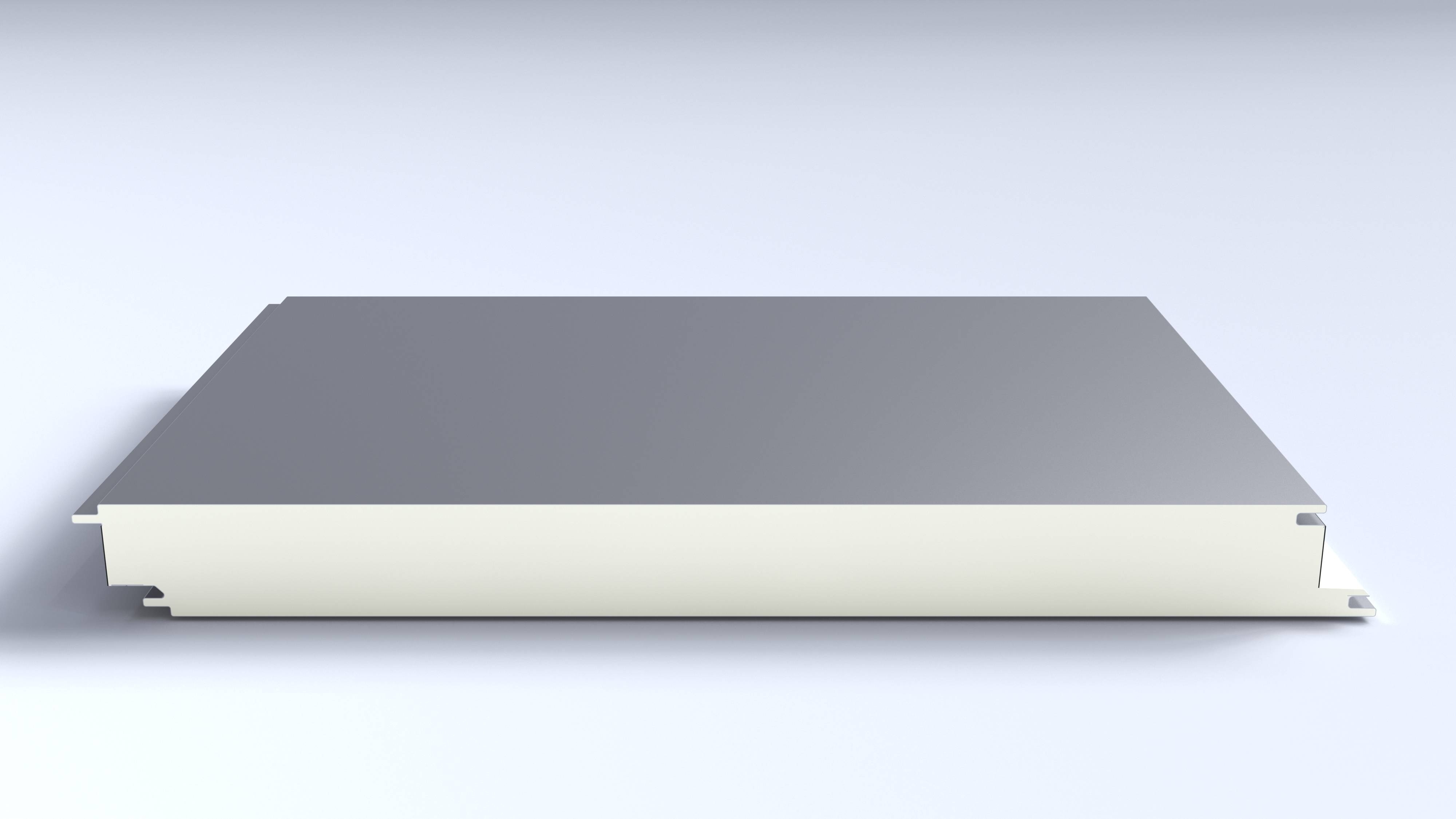
Pure Polyurethane Wall Panel BD-AEF-PIR-01
Baodu International Engineering Technology Co., Ltd.
Acoustic Mineral Fiber Ceiling Tile 595x595x12mm
Shanxi Pano Trading Co., Ltd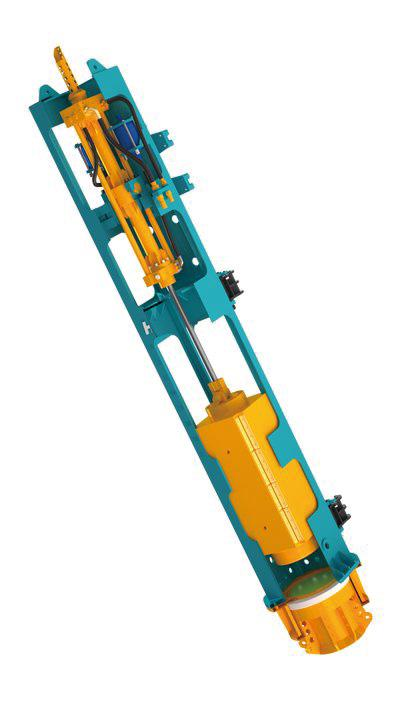
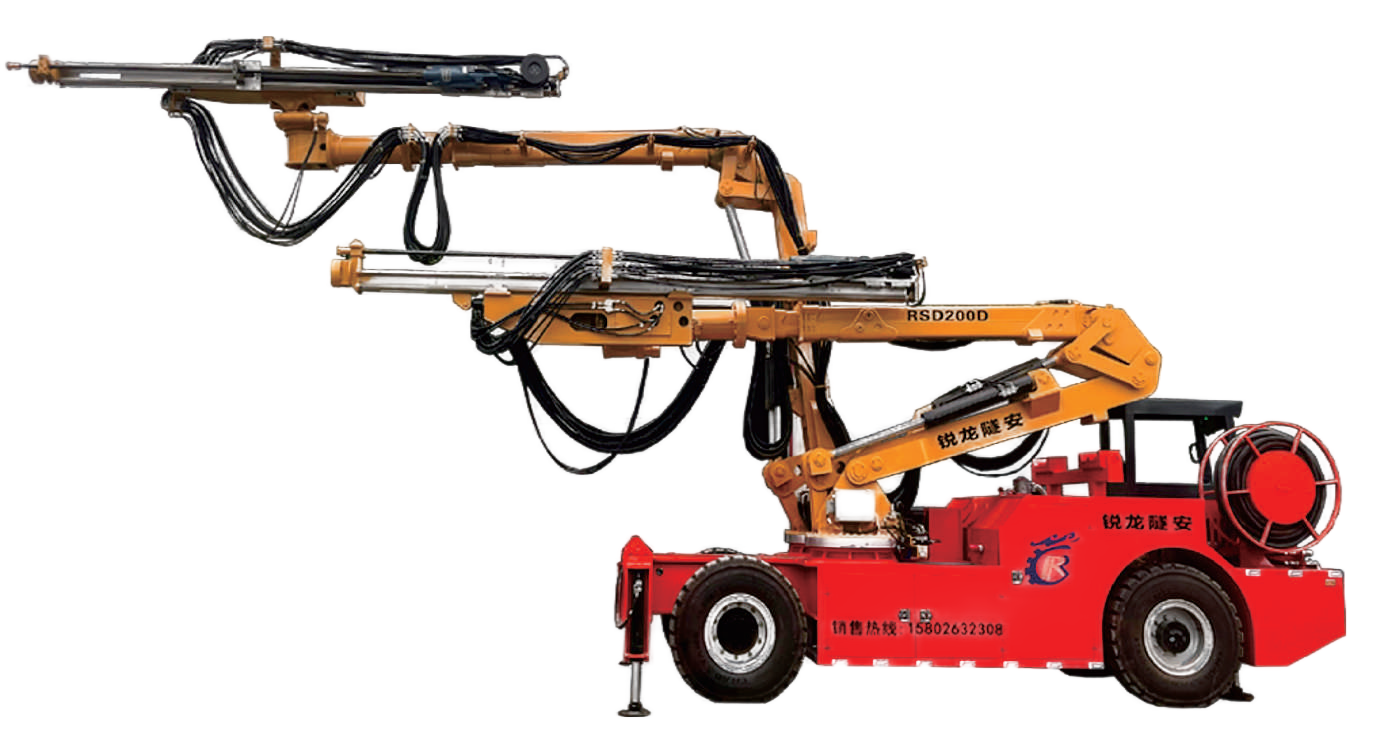
Dual-curved Arm Rock Drilling Trolley RSD200D
Chengdu Ruilong Machinery Manufacturing Co., Ltd.