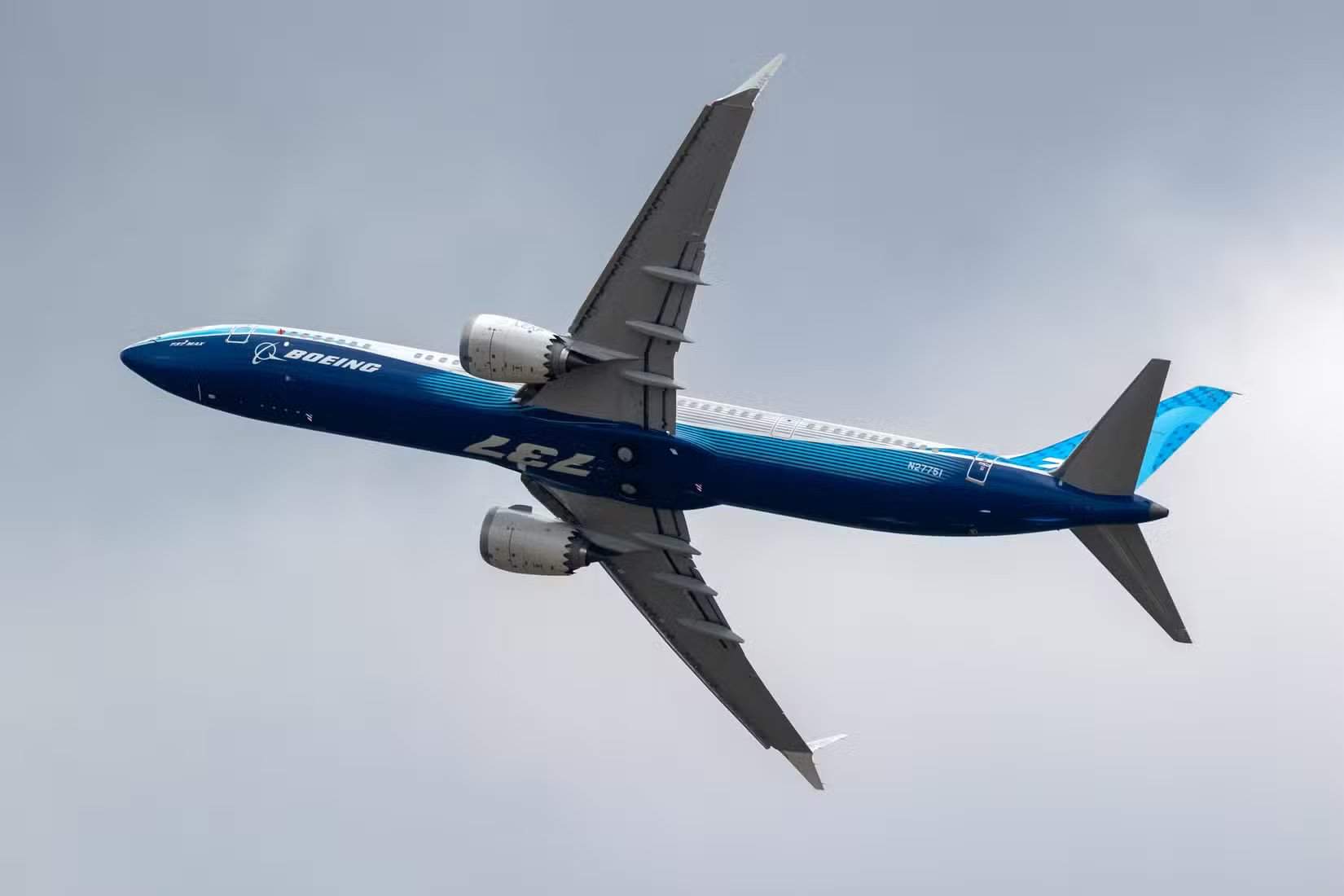
en.Wedoany.com Reported - Boeing is conducting extreme crosswind autoland tests on the 737 MAX 10 at the Midland International Aerospace Port in Texas, evaluating the performance of the aircraft's autoland system under wind conditions far exceeding certification requirements.
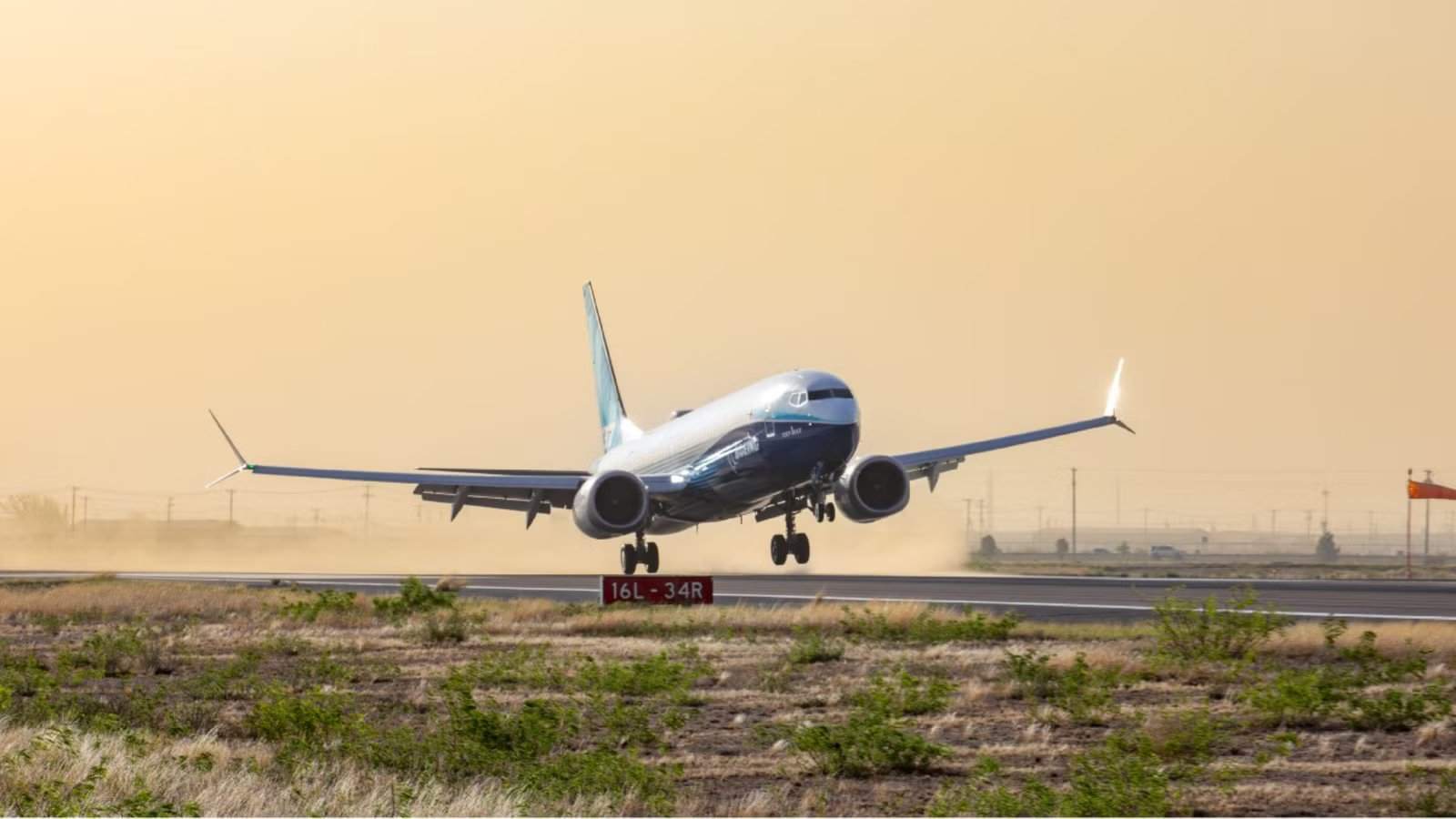
Aircraft certification requires testing under demanding conditions, forcing technology to prove itself at moments where precision is critical. The Boeing flight test team actively tracks forecasts, seeking strong gusty wind environments at the rapidly changing Midland International Aerospace Port, sometimes deploying the aircraft for testing based on only two to three days of accurate forecasts, operating within short time windows. This testing is part of the 737 MAX 10 certification process, the largest member of the Boeing MAX family. Flight test engineer Lauren Auerbach stated that the team is in a "wind monitoring" state, with crews "often able to take off within days of notification."
The purpose of these flights is to assess whether the autoland system makes appropriate and timely corrections while staying within the lateral boundaries of the runway. Boeing pilot Dan Mangel, who flies the test aircraft, said the team is evaluating the aircraft's response under crosswind conditions. Steady crosswinds require continuous corrections, while gusts add difficulty as intensity and direction can change within seconds. Mangel noted that many tests are conducted under wind speeds far exceeding requirements.
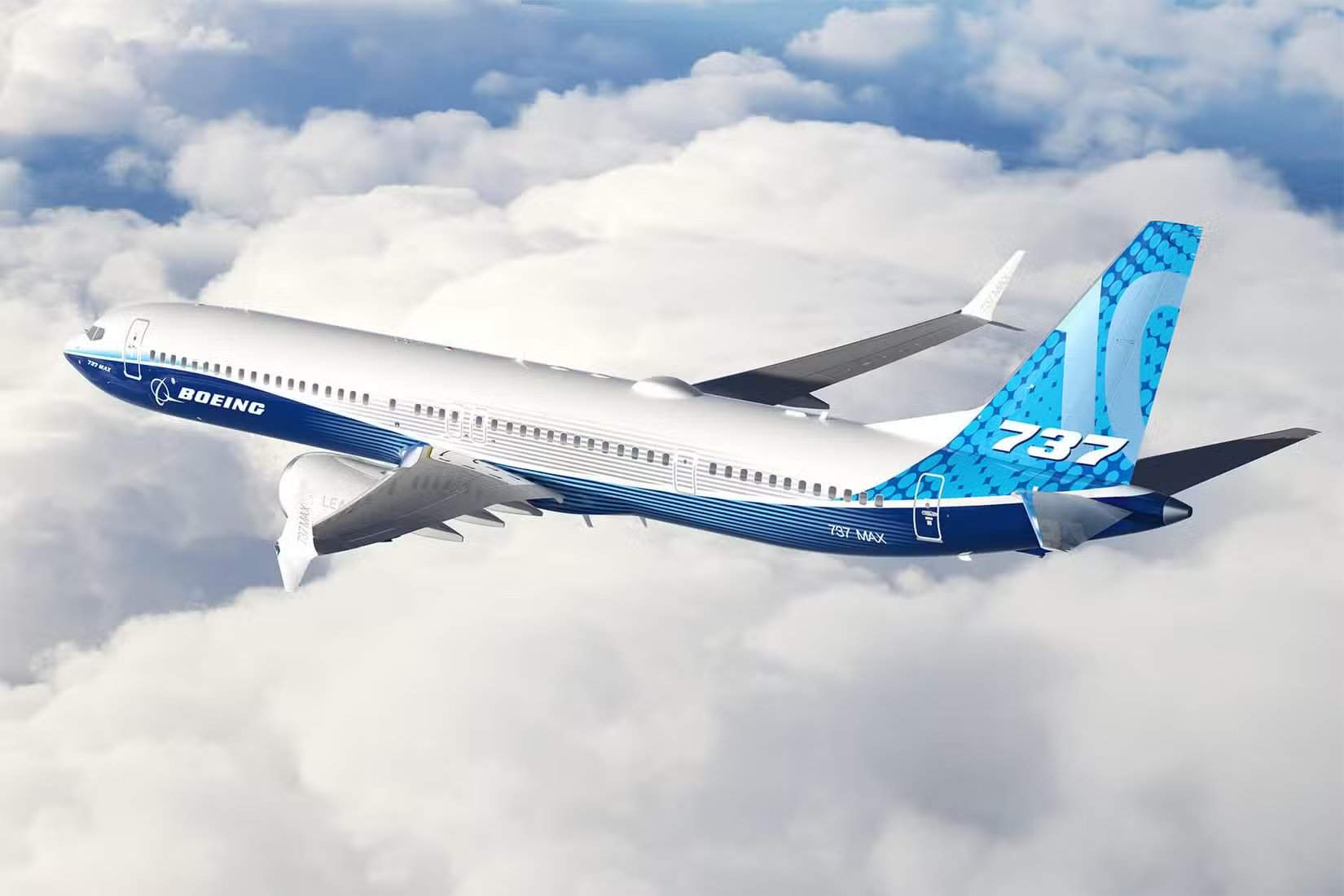
As the largest member of the series, the MAX 10 has a fuselage length of approximately 143 feet 8 inches (43.8 meters), about 5 feet 2 inches (1.6 meters) longer than the MAX 9. It can accommodate approximately 204 passengers in a standard two-class layout and up to 230 in a high-density configuration. The aircraft features an improved levered landing gear design and strengthened systems to support its larger size and weight. While the MAX 10 has a wingspan of 117 feet 10 inches (35.9 meters), its weight distribution and structural characteristics affect handling qualities. Mangel emphasized that the aircraft is specially tuned and shares the same characteristics as other models.
The MAX 10 is powered by two CFM LEAP-1B engines, each producing approximately 29,300 pounds of thrust, with a maximum takeoff weight of about 198,000 pounds (90,000 kilograms). Its cruise speed is approximately Mach 0.79 (453 knots), with a range of up to about 3,560 miles (5,740 kilometers).
Crosswind testing is part of a larger certification effort involving multiple aircraft, hundreds of flight hours, and technical analysis. Certification also includes evaluation of the braking system, hydraulic system, engines, flight control system, and failure scenarios. Boeing engineers are also conducting comprehensive system safety assessments, analyzing system behavior under potential failure conditions and how backup systems respond, examining first-order, second-order, and third-order effects across multiple aircraft systems.
The MAX 10 has secured over 1,200 orders and commitments globally, including up to 300 aircraft ordered by Ryanair, comprising 150 firm orders and 150 options. Flight controls engineer Arlo Shen stated that the team involved in the project "truly believes in the work they are doing."