Uzbekistan's wind and solar power generation reaches 6 billion kWh in first half of 2026, up 24.3% year-on-year
en.Wedoany.com Reported - The press service of Uzbekistan's Ministry of Energy announced that in the first half of 2026, the country's solar and wind power generation reached 6 billion kWh, an increase of 24.3% compared to the same period in 2025.
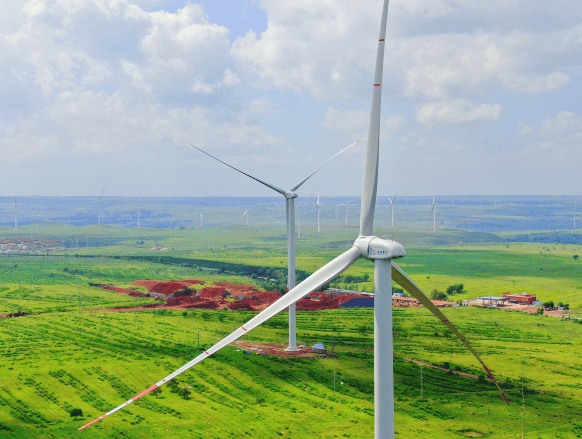
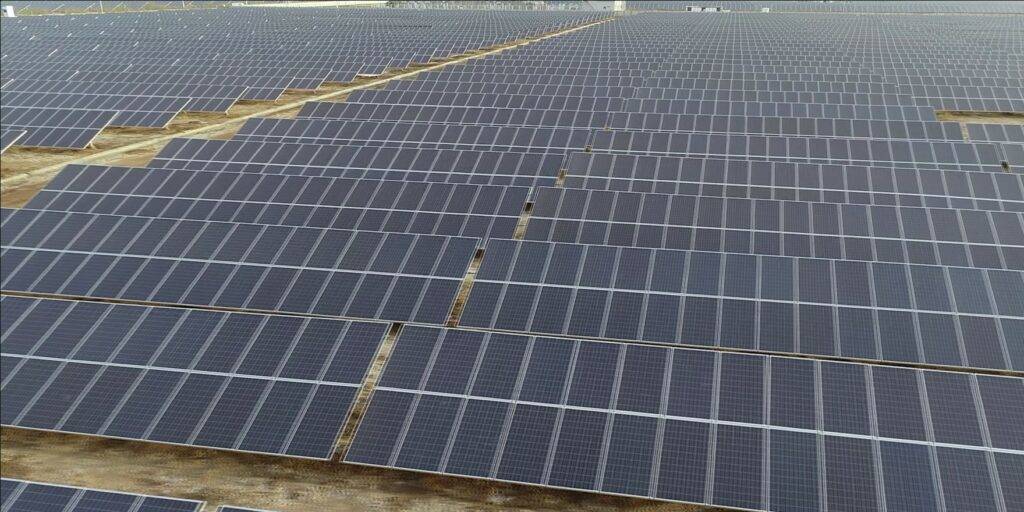
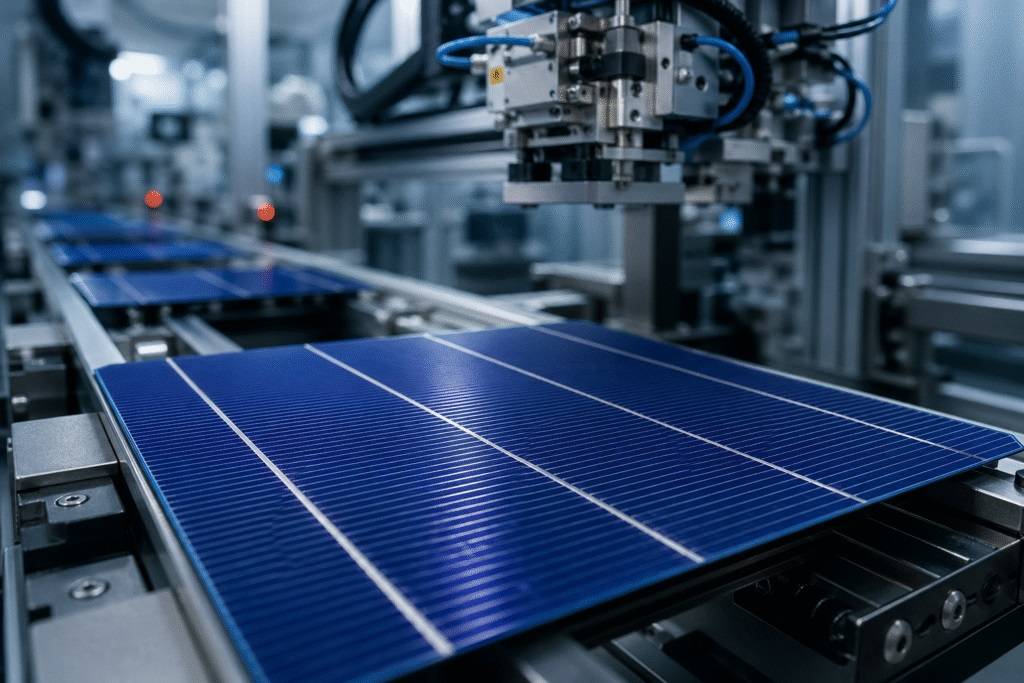
Among this, solar photovoltaic power plants generated 3.8 billion kWh, and wind power plants generated 2.2 billion kWh. Combined with an additional 4.1 billion kWh generated by hydropower plants, the total renewable energy generation since the beginning of the year reached 10.1 billion kWh, equivalent to the average half-year electricity consumption of 8.2 million households.
Through the use of renewable energy, the country saved 2.6 billion cubic meters of natural gas and avoided the emission of over 5.7 million tons of harmful substances into the atmosphere.
Against the backdrop of a continuous decline in fossil fuel production, the transition to green energy has become an economic necessity for Uzbekistan. From January to May 2026, coal production fell by 36%, oil by 3.2%, and natural gas by 14.1%; natural gas production over the five months was 15.8 billion cubic meters, compared to 18.4 billion cubic meters in the same period last year.
The country is persistently advancing its policy of transitioning to a "green" economy, planning to increase the share of renewable energy in total electricity generation to 54% by 2030, with the total installed capacity of solar and wind power reaching 21 GW. By the end of 2026, Uzbekistan plans to commission 6.77 GW of new power generation capacity, including 2.8 GW of solar power, 470 MW of wind power, and 884 MW of energy storage systems.
Concrete foundation pouring has begun for Uzbekistan's first integrated nuclear power plant, designed using Russian technology. The plant adopts an integrated approach, constructing both large-capacity and small-capacity units on the same site. The project by Rosatom includes two 3+ generation VVER-1000 large reactors, each with a capacity of 1,000 MW, and a unit equipped with two RITM-200N reactors, each with a capacity of 55 MW. The general contractor is Atomstroyexport. Nuclear power is considered a key element of the country's strategy to increase the share of green energy in its energy mix. Once fully operational, the nuclear power plant will generate approximately 17 billion kWh of electricity annually, meeting 15% of Uzbekistan's energy needs.
Related Products

220kV and Below Voltage Level Energy-saving Oil-immersed Power Transformers
FuZhou TianYu Electric Co., Ltd.
Ultrasonic Wind Speed and Direction Instrument
Kingmach Measurement & Monitoring Technology Co., Ltd.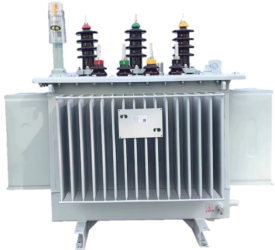
Oil-immersed Amorphous Alloy Core Distribution Transformer
Pinggao Group Smart Electric Co., Ltd.
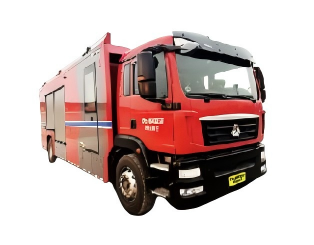
Modular Multifunctional Water Supply and Drainage Vehicle (18T)
Changsha Dewater Machinery Technology Co., Ltd.
Prefabricated Houses and Electrical Energy Boxes
Chengdu Ruilong Machinery Manufacturing Co., Ltd.
Environmentally Friendly Flame-retardant PVC Double-layer Insulated Wire
Sichuan Chndo Cable Co., Ltd.
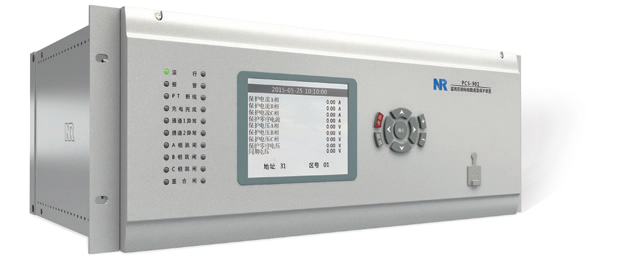
PCS-901 Series Ultra (Extra) High-voltage Transmission Line Complete Protection Device
Nanjing NR Electric Co., Ltd.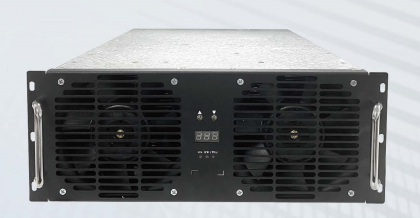
80kW Megawatt Supercharging Module TH80F10030C9
Shijiazhuang Tonhe Electronics Technologies Co., Ltd.