India Commissions Nuclear-Powered Hydrogen Production Facility
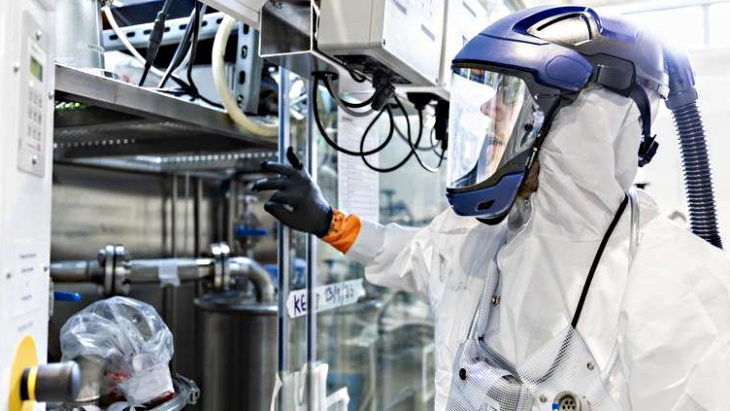
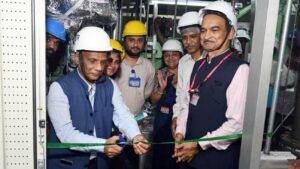
en.Wedoany.com Reported - India has officially commissioned a nuclear-powered hydrogen production facility at the Indira Gandhi Centre for Atomic Research (IGCAR) in Kalpakkam, Tamil Nadu. The facility utilizes process heat from the Fast Breeder Test Reactor (FBTR) to produce hydrogen through a copper-chlorine (Cu-Cl) thermochemical process developed by Indian researchers. The inauguration ceremony was presided over by Ajit Kumar Mohanty, Secretary and Chairman of the Atomic Energy Commission of India.
This new facility integrates hydrogen production technology developed by the Bhabha Atomic Research Centre (BARC) with IGCAR's expertise in advanced fast reactors. The Department of Atomic Energy stated in a release that the successful integration of nuclear process heat with hydrogen production represents a technological breakthrough, paving the way for large-scale production of carbon-free hydrogen using advanced nuclear reactors. Hydrogen is widely regarded as a key carrier for future energy systems, and its production with zero carbon emissions will play a crucial role in the global transition to clean energy.
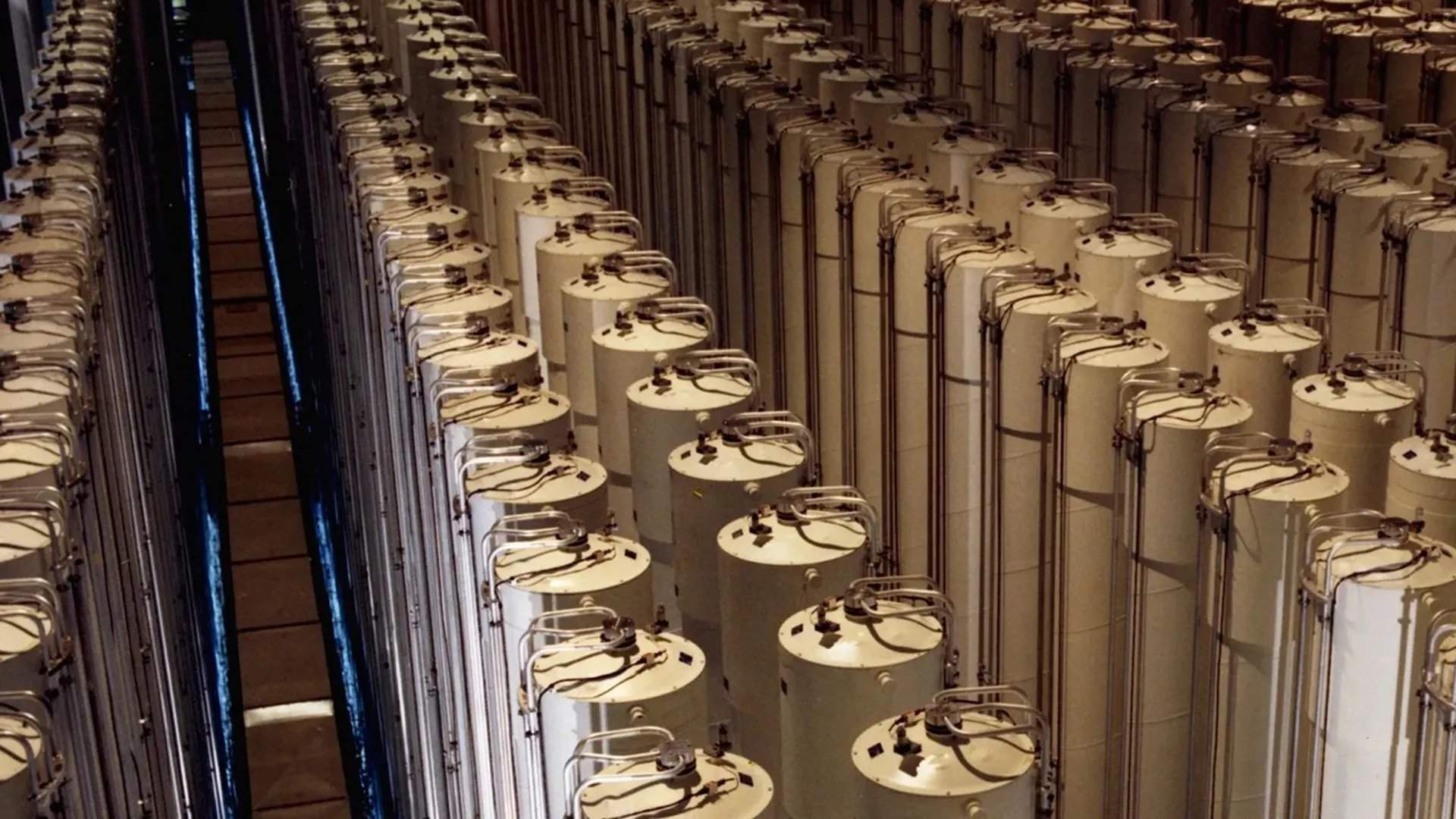
Currently, global industrial hydrogen production is predominantly dominated by fossil fuel-based methane steam reforming and electrolysis processes. According to data from the International Energy Agency, low-carbon hydrogen accounted for less than 1% of the global 97 million tonnes of hydrogen produced in 2023; the agency's 2024 Hydrogen Production Review report projects that low-carbon hydrogen output could reach 49 million tonnes per year by 2030. Thermochemical hydrogen production involves splitting water into hydrogen and oxygen through a series of high-temperature chemical reactions. According to the Department of Atomic Energy, the copper-chlorine thermochemical cycle is considered one of the most promising hydrogen production methods due to its lower operating temperature and higher thermodynamic efficiency. The department stated that by utilizing nuclear heat from fast reactors, this process significantly reduces reliance on fossil fuels and eliminates greenhouse gas emissions associated with conventional hydrogen production methods.
The Fast Breeder Test Reactor is a sodium-cooled test reactor that was commissioned at the Indira Gandhi Centre for Atomic Research in 1985, with its power gradually increased, reaching 32 MW (thermal) in 2018, and ultimately its rated capacity of 40 MW (thermal) in 2022. This reactor plays a key role in India's preparations for a thorium-based closed fuel cycle. The commissioning of this facility marks the culmination of extensive research, process development, engineering design, equipment manufacturing, installation, testing, and commissioning efforts jointly undertaken by BARC and IGCAR. The Department of Atomic Energy stated that the facility will provide operational experience, facilitate the optimization of the Cu-Cl process, and support future research aimed at scaling up nuclear-assisted hydrogen production technology for commercial deployment.
Speaking at the inauguration ceremony of the new facility, Ajit Kumar Mohanty stated that the integration of nuclear energy with emerging clean energy technologies such as hydrogen production is a strategic pathway to a sustainable energy future. Nuclear energy can provide reliable, carbon-free electricity as well as high-temperature process heat, making it suitable for supporting large-scale hydrogen production, thereby contributing to India's energy security, decarbonization goals, and long-term sustainable development objectives. He congratulated the scientists, engineers, and technical teams from BARC and IGCAR for transforming advanced scientific concepts into operational reality.
Related Products
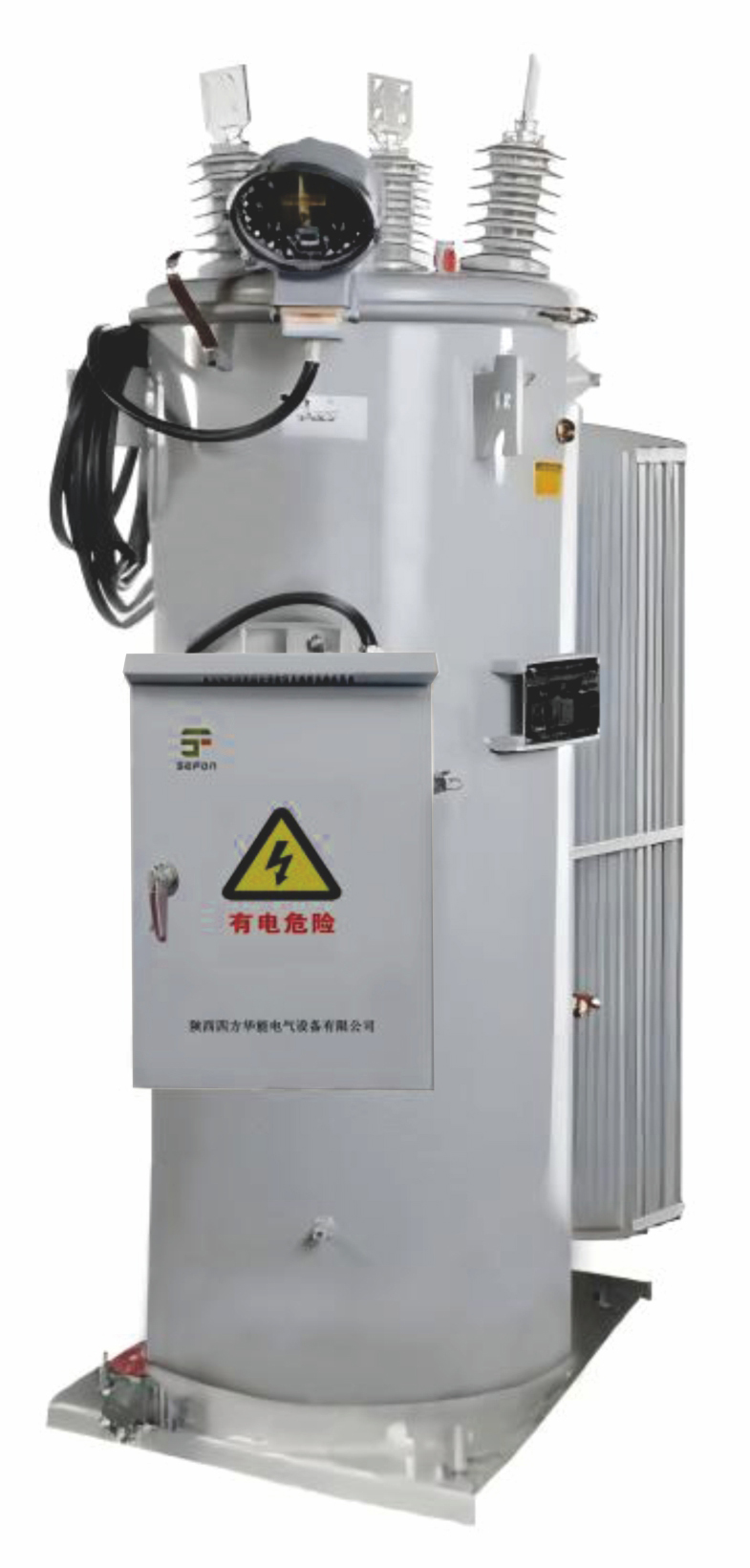

Single-Phase Automatic Voltage Regulator(AVR)
Shaanxi Sefon Electrical Equipment Co.,Ltd.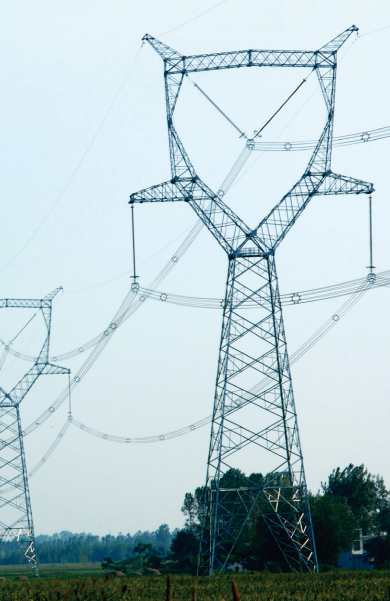
1000kV Jin Southeast-Nanyang-Jingmen UHV AC Transmission and Transformation Pilot Demonstration Project
Anhui Hongyuan Steel Tower Co., Ltd.
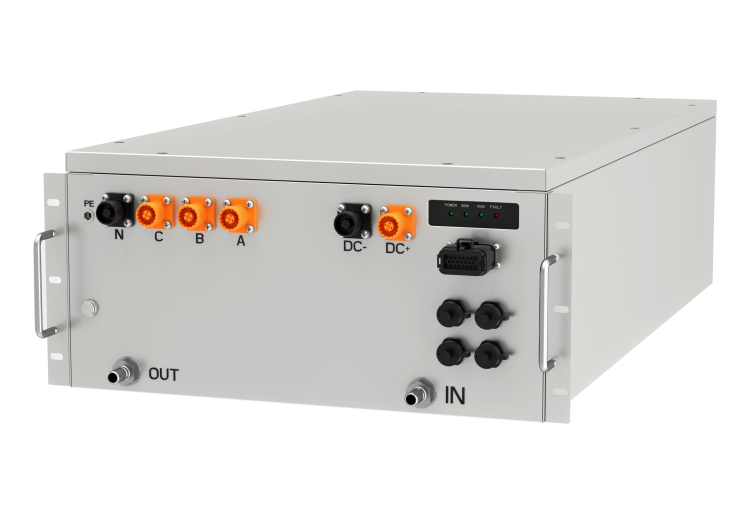
Mars (Liquid Cooling) Series Industrial and Commercial Energy Storage Converter High Protection Module
Shenzhen Winline Technology Co., Ltd.
Standard Nozzle Flowmeter
Jinggong Automatic Control Instrument Complete Technology Development Company

Quick-Change Single-Seat Control Valve / Quick-Change High-Pressure Single-Seat Control Valve
Beijing Consen Automation Technology Co., Ltd.
Floating Boat Water Quality Automatic Monitoring System
Hebei Sailhero Environmental Protection High-tech Co., Ltd.
CAP1400 main feedwater flow nozzle flowmeter.
Jiangsu Hongda Instrument Technology Co., LTD.